
Breakfast & Brunch
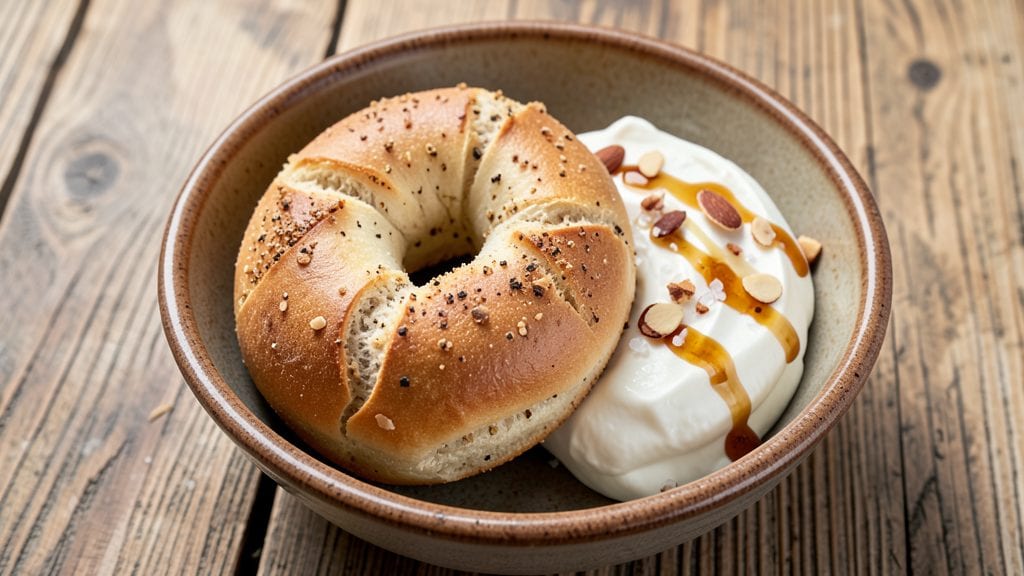
This cottage cheese bagel recipe with almond flour delivers the perfect balance of crispy crusts and chewy centers—without any wheat. After years of experimenting with low-carb alternatives, I finally cracked the code for bagels that hold their shape, toast beautifully, and satisfy that morning craving with a protein-packed bite.
The secret lies in the almond flour's texture and cottage cheese's moisture, creating a dough that behaves like traditional bagel dough but with a lighter, nuttier flavor profile.
The process is straightforward yet requires patience: mixing the dough, letting it ferment overnight, and baking until golden brown. What makes this recipe special is how it transforms simple ingredients into a bagel that's both restaurant-quality and perfectly suited for a low-carb lifestyle.
The almond flour adds a subtle richness, while the cottage cheese keeps the interior tender and slightly tangy—a flavor combination I discovered by accident during a dietary experiment that turned into a favorite.
By the time you pull these bagels from the oven, you'll have golden, crispy exteriors with soft, chewy interiors that hold up to everything from cream cheese to smoked salmon. The aroma alone will have your kitchen smelling like a bagel shop, but with a healthier twist.
This recipe is particularly impressive for its versatility—serve them plain, toasted, or stuffed with your favorite fillings.
Whether you're following a low-carb diet or simply looking for a delicious alternative, these bagels prove that traditional flavors can be reinvented without sacrificing texture or taste. Let's get started on a batch that'll change how you think about breakfast forever.
Ingredients for cottage cheese bagel recipe with almond flour
Four eggs, cottage cheese, and almond flour create bagels that toast like dreams.
| Ingredient | Amount | Notes |
|---|---|---|
| Large Eggs 🥚 | 4 whole | Room temperature for best mixing |
| Full-Fat Cottage Cheese 🧀 | 1 cup | 2% fat minimum for texture |
| Almond Flour 🌰 | 2 cups | Finely ground, unsweetened |
| Psyllium Husk Powder 🌿 | 2 tbsp | Key for dough elasticity |
| Granulated Erythritol 🍬 | 2 tbsp | Sweetener for balance |
| Diamond Crystal Kosher Salt 🧂 | 1 ½ tsp | Fine grain preferred |
| Active Dry Yeast 🍞 | 1 tsp | Instant yeast works too |
| Warm Water 💧 | ½ cup | 110°F for yeast activation |
| Extra-Virgin Olive Oil 🫒 | 1 tbsp | For dough handling |
| Sesame Seeds 🌾 | 2 tbsp | For traditional topping |
| Everything Bagel Seasoning 🧂 | 1 tbsp | Optional for flavor boost |
| Toppings (Optional) 🌿 | ½ cup | Chopped nuts, seeds, or herbs |
The almond flour is non-negotiable here—Bob's Red Mill brand has the finest grind for perfect texture. Cottage cheese? Full-fat, 2% minimum—the fat content is what gives those bagels that classic chew. I grab mine from Trader Joe's because their 2% is consistently creamy. Psyllium husk might sound weird, but it's what makes this dough behave like traditional bagel dough. Frontier Co-op sells it in bulk if you want to stock up. The erythritol? Lakanto brand blends perfectly without graininess. Yeast is your friend here—make sure it's fresh by testing it in warm water first.
No almond flour? Blanched almond meal works in a pinch, but texture will be slightly denser. Cottage cheese too thick? Blend it briefly with a splash of water to loosen. Running out of sesame seeds? Poppy seeds or everything bagel seasoning gives a similar crunch. The toppings are totally optional, but I always keep chopped walnuts and sesame seeds on hand for extra crunch. Want to get fancy? Try a sprinkle of everything bagel seasoning before baking—it's a game changer for that classic bagel flavor without the carbs.
Dough keeps best in the fridge for 24 hours before baking—this is where the magic happens. Shape your bagels, cover, and let them ferment overnight. The longer they rest, the better they'll rise. Baked bagels freeze beautifully—up to 3 months if wrapped tightly in foil. I portion mine into single-serving bags so I can grab one straight from the freezer for a quick breakfast. Toasting is key—high heat for 2-3 minutes until golden and crispy.
Why You'll Love This Recipe
- No Mixer Needed: I swear by this dough—just mash the cottage cheese, crack in eggs, and fold in almond flour. The psyllium husk does all the heavy lifting for structure, so no kneading, no waiting, no stress. Honestly, it’s the kind of recipe that makes me feel like a baking genius when I’m really just stirring a bowl.
- Creamy Crunch Magic: That first bite? The outside gets perfectly toasted and crispy, while the inside stays soft and tangy from the full-fat cottage cheese. Between us, it’s the closest I’ve gotten to a classic bagel without all the guilt—plus, the erythritol keeps it sweet without the sugar crash. (Yes, even on a Tuesday night.)
- Breakfast or Snack Hack: These bagels freeze like a dream—toss them in the toaster straight from the freezer for a grab-and-go morning. Or, if you’re hosting, they’re the star of brunch without requiring a side of schmear. My kids grab them for lunchboxes, and my husband sneaks them for midnight snacks. No judgment here.
- Pantry Staples Only: Almond flour and cottage cheese are my go-to budget-friendly swaps for flours that cost an arm and a leg. The psyllium husk might sound fancy, but it’s just a spoonful for texture, and the eggs bind everything together. I’ve made a dozen of these for under $5—proof that delicious doesn’t have to break the bank.
Step-by-step instructions for cottage cheese bagels with almond flour
Here's how to craft bagels with a perfect balance of crispy crusts and soft centers using simple ingredients.
Activate the Yeast and Mix the Dough Base
In a small bowl, combine the ½ cup warm water (about 110°F) with the 1 tsp active dry yeast. Let it sit for 5 minutes until frothy—this confirms your yeast is alive and ready to work. If it doesn't bubble, start over with fresh yeast.
In a large mixing bowl, whisk together the 4 whole large eggs, 1 cup full-fat cottage cheese, 2 cups almond flour, 2 tbsp psyllium husk powder, 2 tbsp granulated erythritol, and 1.5 tsp diamond crystal kosher salt. The psyllium husk powder is crucial here—it mimics gluten's elasticity in traditional bagel dough, giving you that satisfying chew.
Once the yeast mixture is bubbly, pour it into the dry ingredients and stir until just combined. The dough will be thick and sticky, almost like a wet batter. This is normal—almond flour absorbs moisture differently than wheat flour. Add the 1 tbsp extra-virgin olive oil and mix again until fully incorporated. The oil helps create a tender crumb while keeping the dough manageable.
Shape and Proof the Bagels
Line a baking sheet with parchment paper and lightly grease it with olive oil. Using a spoon or small ice cream scoop, divide the dough into 4 equal portions (about ¼ cup each). For each portion, roll it between your palms into a 2-inch diameter ball, then poke your thumb through the center to create the classic bagel hole. The hole should be about ½ inch wide—too small and they won't toast well later.
Place the shaped bagels on the prepared baking sheet, spacing them about 1 inch apart. Cover loosely with a clean kitchen towel and let them proof at room temperature for 30 minutes. You'll know they're ready when they've puffed up by about 25-30% in size. Here's the thing—these bagels won't rise dramatically like traditional yeast breads, but they should show noticeable expansion.
While they proof, preheat your oven to 375°F. This moderate temperature ensures even baking without burning the crust before the centers set. The almond flour requires careful temperature control to avoid dryness.
Bake for Crispy Crusts and Soft Centers
Once the oven reaches temperature, carefully transfer the bagels to the middle rack. Bake for 20-25 minutes, rotating the baking sheet halfway through, until the crusts are deep golden brown and the internal temperature reaches 190°F. You'll notice the edges start to crisp first—that's your signal to check for doneness. The centers should still feel slightly soft when pressed gently with your finger.
This is where the magic happens: the psyllium husk powder creates that signature bagel chew while the almond flour keeps them moist. If you're concerned about dryness, tent the baking sheet with foil for the last 5 minutes of baking to trap steam and maintain moisture.
Real talk: your first batch might vary slightly in texture. If they brown too quickly, reduce the temperature to 350°F next time. If they emerge underbaked, increase to 390°F and check at 18 minutes.
Finish and Serve with Toppings
Remove the bagels from the oven and immediately brush the tops with a little more extra-virgin olive oil using a pastry brush. This adds shine and enhances the crispy texture. While still warm, sprinkle generously with 2 tbsp sesame seeds and 1 tbsp everything bagel seasoning, pressing lightly so they adhere. The seeds will toast beautifully in the residual heat.
Let the bagels cool on a wire rack for 10 minutes before adding any optional ½ cup toppings. This resting period allows the crust to set properly. For best results, serve warm with cream cheese or your favorite bagel spread. The contrast between the crispy exterior and soft, chewy interior is what makes these bagels worth the effort.
Don't skip the cooling step—trying to eat them immediately will result in a gummy texture. The wait ensures that perfect bagel experience where every bite delivers both textures in harmony.
Pro Tips For Making Cottage Cheese Bagel Recipe With Almond Flour
- Whisk Cottage Cheese First: Blend the full-fat cottage cheese until completely smooth before mixing with eggs—those stubborn lumps turn into dry spots in your dough. I learned this the hard way when my first batch had crumbly pockets where the cheese hadn’t emulsified properly.
- Toast Almond Flour: Lightly toast the almond flour in a dry pan for 2-3 minutes before mixing—it deepens the nutty flavor and prevents that raw, chalky taste. Skip this, and your bagels will taste like almond paste instead of toasted almonds.
- Hydrate Psyllium Properly: Mix the psyllium husk powder with hot water first, then let it sit for 5 minutes until it turns into a thick, gel-like paste. Cold water makes it clump, and your dough will end up gummy instead of smooth.
- Proof Dough Longer: Let the dough rest for at least 30 minutes after mixing—this lets the psyllium fully hydrate and the gluten relax. Rushed? Your bagels will crack open while baking, no matter how careful you are shaping them.
Wine and beer pairings for these flavors
Light Beer Pairings
A crisp, American-style lager like Miller Lite or Bud Light is my go-to pairing for these almond flour bagels. The light body and subtle hop bitterness won't overpower the delicate nuttiness of the almond flour, while the carbonation cuts through the richness of the cottage cheese.
I keep a six-pack of Coors Banquet in my fridge specifically for these bagels—their clean finish lets the bagel's natural flavors shine. 🍺
White Wine Harmony
For a more sophisticated touch, reach for a dry Riesling from Germany or Alsace. The slight acidity and crisp apple notes complement the bagel's subtle sweetness from the erythritol, while the mineral finish balances the richness.
I love Dr. Loosen Blue Slate—it's just tart enough to cleanse your palate between bites. If you prefer something lighter, a Sauvignon Blanc from New Zealand with its citrus and herbal notes works beautifully too.
Sparkling Wine Elevation
When I'm feeling celebratory, I serve these bagels with Prosecco or Cava—the effervescence mirrors the bagel's crispy texture while the slight sweetness enhances the almond flour's nuttiness. Look for a dry Prosecco like La Marca or a brut nature Cava from Spain.
The bubbles create a refreshing contrast that makes every bite feel special, especially when topped with smoked salmon or cream cheese. ✨
Coffee Contrast
Don't overlook the classic morning combo—these bagels pair wonderfully with a medium-roast coffee. The natural oils in the almond flour and the tang of the cottage cheese create a perfect canvas for a smooth Colombian or Ethiopian brew.
I use a French press for full-bodied flavor, and the resulting contrast between the crispy bagel and rich coffee is pure breakfast perfection. ☕
Herbal Tea Balance
For a caffeine-free option, try a chamomile or peppermint tea—the floral notes complement the bagel's subtle sweetness while the warmth enhances the almond flavor. I steep Yogi Tea's Peppermint for 5 minutes and serve it hot alongside these bagels.
The mint's cooling effect balances the richness, making it an ideal pairing for afternoon snacks or a lighter breakfast option. 🌿
Seasonal Adaptations
In summer, I swap to a wheat beer like Blue Moon—its light citrus notes and subtle spice enhance the bagel's nuttiness without overwhelming it. For fall, a honey ale like Davis Brewing Company's Honey Brown Ale mirrors the bagel's natural sweetness while adding depth.
The key is matching the drink's character to the bagel's texture and flavor profile, creating a harmonious bite every time. 🍂
Nutrition facts
Frequently asked questions
Why does this recipe use almond flour instead of regular flour?
Almond flour creates a lighter, nuttier bagel with fewer carbs and more protein than traditional wheat flour. The natural fats in almonds help create that signature chewy texture while keeping the bagels moist. Plus, it eliminates gluten, making these perfect for sensitive stomachs or low-carb diets!
Can I make these bagels without cottage cheese?
You can substitute with ½ cup unsweetened applesauce or ¼ cup Greek yogurt for moisture, but cottage cheese's tang and fat content are key for that classic bagel chew. The texture will be slightly denser without it. For a vegan option, try cashew cream blended with lemon juice.
How do I fix dough that's too sticky?
Add 1-2 tbsp more almond flour or 1 tsp psyllium husk powder to absorb excess moisture. If the dough still sticks, wet your hands slightly with olive oil before shaping. The dough should hold together when rolled into balls but remain slightly tacky—this is normal for almond flour recipes.
Can I make these bagels ahead of time?
Shape and proof the bagels, then bake them up to 3 days ahead. Store in an airtight container at room temperature. For longer storage, freeze baked bagels for up to 3 months. Toast from frozen for 3-4 minutes at 375°F until crispy. The flavor actually improves with time!
What's the best way to toast these bagels?
Use a toaster set to medium-high heat for 2-3 minutes until golden brown. For a crispier crust, toast in a dry skillet over medium heat for 1-2 minutes per side. Never skip toasting—it's what transforms these bagels from good to restaurant-quality! The high heat caramelizes the sugars for that perfect crunch.