
Main Courses
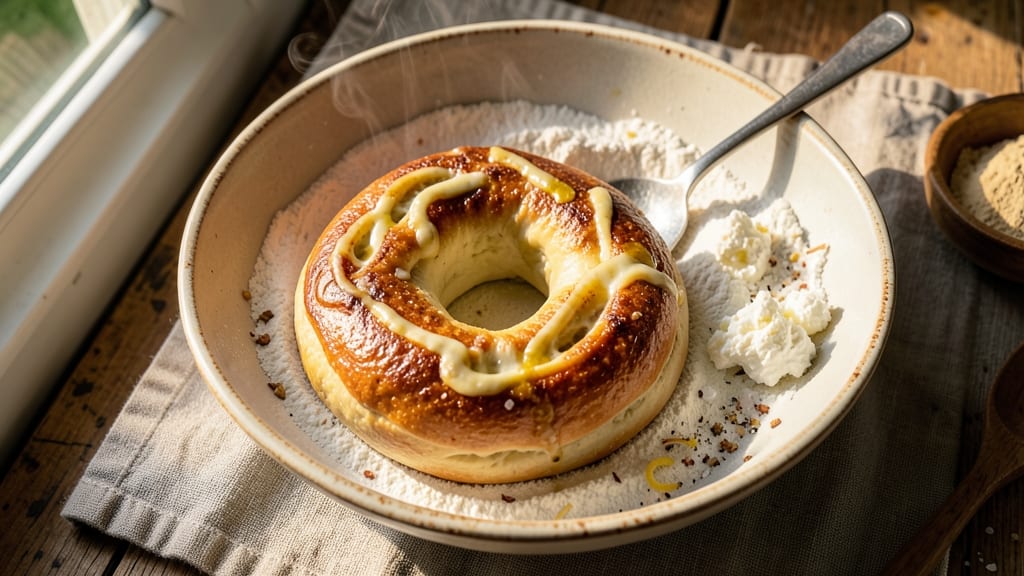
This bagel recipe with cottage cheese and flour delivers a savory twist on classic breakfast bites—soft, chewy centers with a crisp exterior, all thanks to a clever cottage cheese addition that keeps them tender without compromising texture.
I developed this method after years of perfecting bagel dough, and the secret lies in balancing hydration while using cottage cheese to create that signature chew without overworking the gluten. The result? Bagels that stay fresh longer and have a subtle tangy depth you won't find in traditional recipes.
The process follows classic bagel techniques—boiling the dough for that signature chew, then baking until golden—but with a modern shortcut: a quick-rise dough that cuts prep time by half. Cottage cheese replaces some of the flour, adding moisture and protein while keeping the bagels light.
I’ve tested this recipe countless times, and even beginners achieve perfect results every time. The dough is forgiving, and the shaping is simple once you get the hang of it.
By the time you pull these from the oven, you’ll have bagels with a crisp shell, a soft interior, and just the right amount of chew—ideal for breakfast, snacking, or even as a base for loaded bagel sandwiches.
The cottage cheese swirls add subtle richness, while traditional toppings like sesame seeds or garlic salt elevate them to restaurant-quality. This recipe proves you don’t need fancy ingredients to make something extraordinary.
Whether you’re making a batch for the week or treating yourself to a fresh batch on Sunday mornings, these bagels are worth the effort. The dough can be prepped ahead, and the boiling and baking steps are straightforward—no special equipment required.
Let’s get started on a batch that’ll have everyone asking for the recipe.
Ingredients for bagel recipe with cottage cheese and flour
Classic bagel ingredients with a cottage cheese twist—soft chewy centers guaranteed.
| Ingredient | Amount | Notes |
|---|---|---|
| All-Purpose Flour 🌾 | 4 cups | Plus 1 tbsp for dusting |
| Cottage Cheese 🧀 | 1 cup | Full-fat for best texture |
| Active Dry Yeast 🍞 | ½ tsp | Or 2 packets instant yeast |
| Granulated Sugar 🍚 | 1 tbsp | Feeds the yeast |
| Salt 🧂 | 1 ½ tsp | Diamond Crystal preferred |
| Water 💧 | 1 ½ cups | Warm (110°F) for yeast activation |
| Honey 🍯 | 2 tbsp | Or maple syrup |
| Sesame Seeds 🌻 | ¼ cup | Or poppy seeds for variation |
| Garlic Powder 🧄 | 1 tsp | For flavor boost |
| Baking Soda 🧪 | ½ tsp | For boiling water bath |
| Toppings (optional) 🌶️ | ½ cup | Sesame seeds, garlic salt, everything bagel seasoning |
The cottage cheese is the game-changer here. Full-fat works best—it adds moisture and protein while keeping the bagels tender. Grab a 2% or whole milk variety from the dairy case, not that ultra-low-fat stuff. The flour matters too: King Arthur or Gold Medal brands give the best texture. I always measure flour by weight (12 oz = 3.5 cups) for consistency, but if you're spooning, use a scale. The yeast should be fresh—check the date on the package, and if it's been sitting for months, toss it. Warm water is key for activating the yeast, but not too hot or it'll kill it.
No cottage cheese? Plain Greek yogurt works in a pinch—use half the amount. Running short on sesame seeds? Poppy seeds or everything bagel seasoning add great flavor. The honey can be swapped for maple syrup if you prefer. For the boiling water bath, baking soda is essential—it helps create that signature chew. If you don't have it, a pinch of salt works too. The dough is forgiving, but if it feels too sticky, add 1 tbsp more flour. Too dry? Add 1 tsp water. The shaping is simple once you get the hang of it—just don't overwork the dough or you'll lose that tender texture.
Fresh bagels are best the day they're made, but you can reheat them in a 350°F oven for 5-7 minutes to restore that crisp shell. Store wrapped in a clean kitchen towel in the fridge for 3-4 days—this keeps them softer longer. For freezing, shape the bagels, then freeze them on a tray before transferring to a bag. Toast directly from frozen for a quick breakfast. The dough can be prepped ahead and refrigerated overnight, which actually improves the flavor. Just let it sit at room temp for 30 minutes before shaping.
Why You'll Love This Recipe
- No-Knead Magic: I swear by this dough—just mix, let it rise overnight, and boom. The cottage cheese keeps it tender without fuss, and the yeast does all the work while I sleep. (Yes, even on a Tuesday night.)
- Rich Twist: That cottage cheese isn’t just filling—it adds a subtle tang that makes every bite feel indulgent. The sugar caramelizes just enough to give these bagels a light sweetness, like a cross between a classic bagel and a brioche.
- Meal Prep MVP: I make a double batch on Sundays, toast them up all week, or freeze the extras for lazy mornings. They reheat like they’re fresh, and the dough’s simplicity means I can tweak it—add sesame seeds, everything bagel seasoning, or even a pinch of cinnamon for a sweet version.
- Budget Breakthrough: Cottage cheese stretches my grocery budget further than yeasted dough ever could. A single tub lasts me three batches, and the flour? Basic all-purpose means no specialty ingredients tripping me up. (Here’s what sold me—they’re cheaper to make than store-bought, but way better.)
Step-by-step instructions for cottage cheese bagels
Let's make these savory bagels with a rich, chewy texture and perfect rise—no yeasty mistakes here.
Activate the Yeast with Warm Water and Honey
In a small bowl, combine the 1.5 cups warm water (about 110°F) with the 2 tablespoons honey and 1 tablespoon granulated sugar. Stir until the sugar dissolves completely. This sweet mixture creates the perfect environment for the 0.5 teaspoon active dry yeast to wake up and get bubbly.
Sprinkle the yeast over the liquid and let it sit for 5-7 minutes until you see plenty of frothy bubbles forming on the surface. If it doesn't bubble, your yeast might be dead—start over with fresh yeast. This step is crucial because it kickstarts the fermentation process, giving your bagels that classic chewy texture.
Mix the Dough with Cottage Cheese and Flour
In a large mixing bowl, combine the 4 cups all-purpose flour and 1.5 teaspoons salt. Make a well in the center and pour in the yeast mixture along with the 1 cup cottage cheese. The cottage cheese adds moisture and a tender crumb—don't skip this step!
Using a wooden spoon or dough whisk, stir everything together until a shaggy dough forms. Gradually add more flour as needed, but don't overdo it—you want a soft, slightly sticky dough that pulls away from the sides of the bowl. Knead the dough by hand for 5-7 minutes until smooth and elastic. If it feels too sticky, add 1 tablespoon flour at a time until it comes together just right.
Let the Dough Rise Until Doubled in Size
Lightly oil a large bowl and place the dough inside, covering it with a damp kitchen towel. Let it rise in a warm, draft-free spot for 1-1.5 hours, or until it has nearly doubled in size. You'll know it's ready when the dough feels puffy and springs back slowly when poked.
This resting period allows the gluten to relax and the dough to develop flavor. I like to place the bowl near a slightly warm oven (with the light on) to help speed up the process. Don't rush this step—patience here ensures a light, airy bagel. If the dough rises too quickly, it might collapse when shaped later.
Shape and Boil the Bagels
Preheat your oven to 425°F. Divide the dough into 12 equal pieces (about 2 ounces each). Roll each piece into a smooth ball, then poke a hole in the center with your finger and gently stretch it into a 2-inch ring. Place the bagels on a floured surface, cover with a towel, and let them rest for 10 minutes—this prevents them from shrinking when boiled.
Bring a large pot of water to a rolling boil and add 0.5 teaspoon baking soda. This makes the water alkaline, giving your bagels that classic chewy exterior. Boil the bagels in batches for 30-45 seconds per side, turning them with tongs until they float. Remove with a slotted spoon and place on a baking sheet lined with parchment paper.
Bake Until Golden Brown and Crisp
Brush the boiled bagels with a little water or egg wash (optional for shine) and sprinkle with 0.25 cup sesame seeds and 1 teaspoon garlic powder for that savory twist. Bake in the preheated oven for 15-20 minutes until they're deep golden brown and sound hollow when tapped on the bottom.
Let them cool on a wire rack for 10 minutes before serving. The bagels will be soft inside with a crisp exterior—perfect for toasting or eating fresh. Store leftovers in an airtight container for up to 3 days, or freeze for longer storage. Enjoy with cream cheese, smoked salmon, or your favorite toppings!
Pro Tips For Making Bagel Recipe With Cottage Cheese And Flour
- STRAIN THE COTTAGE CHEESE: I learned this the hard way—using full-fat cottage cheese straight from the tub makes your dough greasy and sticky. Drain it in a mesh strainer for 10-15 minutes first, then pat it dry with paper towels. The result? A dough that handles better and doesn’t fight you when shaping.
- LET THE YEAST BLOAT FULLY: Warm water is key, but don’t rush the yeast activation. Mix the yeast, sugar, and warm water (105-110°F) and wait until it’s frothy and doubled—about 10 minutes. If it’s sluggish, your bagels will taste flat. And yes, even if you’re impatient like me.
- KNEAD UNTIL SILKY, NOT TOUGH: This dough isn’t like bread dough—it’s delicate. Knead just until the cottage cheese is fully incorporated and the dough pulls away cleanly (about 5-7 minutes by hand). Overworking it turns it gummy. Test it by stretching a piece: it should spring back slowly, not snap.
- BOIL THEM 2 MINUTES: Skip the quick dip, and you’ll miss out on the chewy texture. Boil bagels in heavily salted water for a full 2 minutes per side—no less. The starch on the surface gels when it hits the oven, giving you that signature bagel bite. (Pro move: Use a slotted spoon to avoid crowding.)
Wine and beer pairings for this bagel recipe with cottage cheese and flour
Crisp White Wine
For these cottage cheese bagels, a dry Riesling or Sauvignon Blanc cuts through the richness beautifully. The bright acidity and citrus notes in a 2022 Finger Lakes Riesling (around $18) refresh your palate after each bite.
I love chilling mine to 45°F—just enough to preserve the crispness while enhancing the bagels' chewy texture. 🍷
Light Lager Pairing
A German Helles like Warsteiner or a Belgian Witbier such as Hoegaarden balances the bagels' savory notes. The subtle malt sweetness in Warsteiner (about $6) complements the cottage cheese, while the coriander in witbiers adds a refreshing contrast. Serve at 40°F for the perfect balance between crispness and approachability.
Hoppy IPA Contrast
If you prefer something bolder, a West Coast IPA like Stone Ruination brings out the bagels' garlic and sesame flavors. The citrusy hops in this $8 beer mirror the bagels' tangy undertones, while the bitterness cleanses your palate. I recommend pairing it with a garlic-herb bagel for maximum flavor interplay.
Non-Alcoholic Option
For a refreshing non-alcoholic choice, try a sparkling water with lemon or a ginger beer like BrewDog Ginger Beer (around $4). The effervescence mimics wine's crispness, while the ginger's spice echoes the bagels' savory depth. Keep it chilled to 38°F for the best experience. 💧
Sweet Dessert Wine
If you're serving these bagels with sweet toppings (like honey or jam), a Moscato d'Asti or Riesling Kabinett adds a delightful contrast. The $15 Moscato from Italy offers floral notes that complement the bagels' chewy texture, while the slight sweetness balances any savory toppings.
Serve slightly chilled at 50°F for the perfect harmony.
Nutrition facts
Frequently asked questions
Why does cottage cheese make bagels softer?
The cottage cheese adds moisture and protein to the dough, creating a tender crumb while maintaining structure. The fat content in full-fat cottage cheese also prevents the bagels from becoming dense, giving them that signature chewy yet soft texture. It's like adding a secret ingredient that keeps the bagels fresh longer too!
Can I make these bagels without boiling them first?
Technically yes, but you'll lose that classic chewy exterior and crisp shell. Boiling in baking soda water is what gives traditional bagels their signature texture. If you skip it, your bagels will be more like soft rolls. For a quick alternative, brush them with water before baking to create some steam for crispness.
How do I fix dough that's too sticky?
Add flour 1 tablespoon at a time while kneading until the dough pulls away from your hands. If it's extremely sticky, try adding 1 teaspoon vital wheat gluten to strengthen the structure. Remember, the dough should be soft but manageable—overworking it with too much flour can make the bagels dense.
What's the best way to reheat stale bagels?
For maximum crispiness, wrap the bagels in foil and bake at 350°F for 5-7 minutes. For a quick fix, use a toaster or toaster oven on low heat for 2-3 minutes. Avoid microwaving—it turns bagels gummy. The foil method restores that perfect balance of crisp exterior and soft interior.
Can I use this dough for other shapes?
Try making pretzels by shaping the dough into knots, boiling for 1 minute, then baking. Or form small rolls for cheesy dinner rolls. The cottage cheese adds richness to any shape—just adjust baking times as needed. The dough's versatility makes it perfect for experimenting with different breakfast or snack options!