
Side Dishes
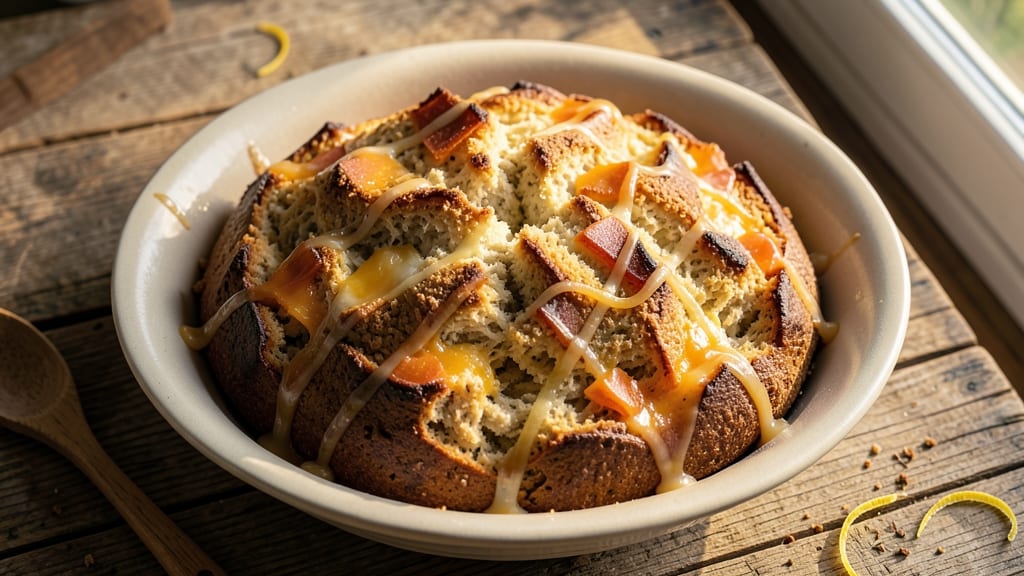
This almond flour cheese bread delivers the perfect balance of crispy crust and gooey, pull-apart cheese—without any gluten or refined flour. The secret lies in the almond flour base, which creates a tender yet sturdy texture that holds up to the melty cheese filling.
I developed this recipe after years of experimenting with gluten-free breads, and it finally nails that restaurant-quality pull-apart magic at home.
The dough comes together in just 10 minutes of mixing, then rests while you prepare the cheese filling—a blend of sharp cheddar and mozzarella that becomes irresistibly stretchy when baked.
A steam pan or baking dish ensures the crust stays crispy while the center remains soft, just like your favorite cheesy bread from a bakery.
By the time it emerges from the oven, you'll have golden-brown edges with a crackly crust and a center so gooey it practically oozes with cheese.
This bread is perfect for dipping in marinara, pairing with soups, or serving alongside grilled meats. It’s also naturally gluten-free, vegetarian, and packed with protein.
Whether you're hosting a dinner party or craving a comforting snack, this recipe delivers restaurant-quality results with minimal effort. The best part? It reheats beautifully, so you can enjoy it all week long. Let’s get started!
Ingredients for almond flour cheese bread
Almond flour magic meets cheesy pull-apart perfection—this gluten-free bread is a crowd-pleaser!
| Ingredient | Amount | Notes |
|---|---|---|
| Almond Flour 🌰 | 2 ½ cups | Blanched or finely ground preferred |
| Large Eggs 🥚 | 4 whole | Room temperature for even mixing |
| Sharp Cheddar Cheese 🧀 | 1 ½ cups | Shredded, block preferred |
| Mozzarella Cheese 🧀 | 1 cup | Shredded, low-moisture preferred |
| Unsalted Butter 🧈 | ½ cup | Cold, cubed for even melting |
| Granulated Sugar 🍚 | ¼ cup | Or coconut sugar for refined-free |
| Baking Powder 🌾 | 1 ½ tsp | Metal container preferred |
| Salt 🧂 | 1 tsp | Kosher or sea salt preferred |
| Garlic Powder 🧄 | 1 tsp | Freshly ground preferred |
| Dried Parsley 🌿 | 1 tsp | For crust color and flavor |
| Heavy Cream 🥛 | ½ cup | For extra gooey filling |
| Milk 🥛 | ¼ cup | Warm for better cheese melt |
| Olive Oil 🫒 | 1 tbsp | For greasing pan |
The almond flour is non-negotiable here—Bob's Red Mill or Anthony's Goods are my go-tos for consistent texture. Blanched almond flour gives the best flavor, but finely ground works too. The cheeses? Sharp cheddar adds bite, while low-moisture mozzarella delivers that perfect stretch. I always buy pre-shredded for convenience, but grating your own from a block makes a difference. The butter should be cold when you mix it—this keeps the dough from getting too soft during the 30-minute rest.
No sharp cheddar? Pepper jack or smoked Gouda work great for a twist. Out of heavy cream? Full-fat coconut milk mimics the richness (just skip the parsley—it won't play nice with coconut). The baking powder is crucial—double-check it's fresh (old powder loses its lift). For extra crispiness, brush the crust with melted butter after baking. And if you're feeling fancy, add a sprinkle of everything bagel seasoning to the dough before shaping—game changer for flavor!
This dough keeps for 2 days in the fridge, wrapped tightly in plastic. For best results, bake within 48 hours. The cheese filling can be prepped a day ahead and stored in the fridge—just fold it into the dough right before baking. Leftovers? 3 days in the fridge or 3 months frozen. To reheat, wrap in foil and warm at 350°F for 10 minutes—crust stays crispy, cheese stays gooey. I always make a double batch—it disappears fast!
Why You'll Love This Recipe
- No-Measure Guessing: I swear by this—just eyeball the almond flour and eggs until it looks like thick pancake batter. No scales, no stress, and the texture still comes out perfect every time. (Yes, even when my toddler "helps" stir.)
- Melty Magic Combo: Sharp cheddar and mozzarella together? That’s the secret weapon. The cheddar adds sharp, salty punch while the mozzarella pulls apart into stretchy, gooey strands—like a cheesy hug in bread form.
- Lunchbox Legend: Slice it warm for sandwiches or pack it cold for school lunches. The almond flour keeps it sturdy, and the cheese stays melty even after hours. My kids actually eat their lunch now—no complaints.
- Budget-Friendly Luxury: Uses pantry staples (butter, eggs) and stretches far with almond flour. One batch feeds four for breakfast or turns into six hearty snacks. Honestly, it’s the kind of recipe that makes me feel fancy without breaking the bank.
Step-by-step instructions for almond flour cheese bread
Here's how to create that perfect pull-apart texture with a golden crust and molten cheese center.
Mix Wet Ingredients for Perfect Texture
In a large mixing bowl, combine the 4 whole large eggs, 0.5 cup heavy cream, 0.25 cup warm milk, 0.25 cup granulated sugar, 1 tbsp olive oil, 1 tsp salt, 1 tsp garlic powder, and 1 tsp dried parsley. Whisk vigorously for 3-4 minutes until the mixture becomes thick, pale, and nearly doubles in volume. You'll see small bubbles forming—this is crucial for that light, airy texture.
Here's the thing—this step ensures your bread won't be dense. I like to scrape the bowl with a spatula every 30 seconds to incorporate any egg yolks sticking to the sides. The mixture should be smooth with no visible streaks of egg white. If it's too thick after mixing, add 1 teaspoon of milk at a time until it reaches a pudding-like consistency.
Combine Dry Ingredients for Crispy Crust
In a separate bowl, sift together the 2.5 cups almond flour and 1.5 teaspoons baking powder. This prevents lumps that can lead to uneven baking. Gently fold this dry mixture into the wet ingredients using a spatula, mixing just until combined. You'll notice the batter become thicker as the almond flour absorbs the liquid.
Don't overmix—just combine until no dry spots remain. The almond flour gives this bread its signature crispy crust, so handle it gently to maintain those delicate air pockets. If the batter looks too dry, add 1 tablespoon of milk at a time until it holds together when pressed between fingers but isn't sticky.
Melt Cheese and Butter for Gooey Filling
In a small saucepan over low heat, melt the 0.5 cup unsalted butter with the 1.5 cups sharp cheddar cheese and 1 cup mozzarella cheese. Stir constantly until the cheeses are completely melted and the mixture is smooth. Remove from heat and let cool for 5 minutes—this prevents the cheese from cooking the eggs in your batter.
I've found that using freshly grated cheddar makes all the difference. The cheese should be fully melted but not too runny—it should coat the back of a spoon but still hold its shape. If it separates while melting, whisk vigorously to recombine. This step is what creates that irresistible pull-apart magic when baked.
Fold Cheese Mixture and Prepare Pan
Gently fold the cooled cheese mixture into the almond flour batter using a spatula. Be careful not to deflate the batter—just combine until evenly distributed. The mixture will become thicker and more cohesive. Transfer the batter to a greased 9x5-inch loaf pan (use the 1 tbsp olive oil to grease thoroughly).
Smooth the top with a spatula, then use a knife to create 4 deep pull-apart slits across the top. This helps the bread expand properly and creates those perfect cheese pockets. Tap the pan gently on the counter to remove any air bubbles that might have formed during mixing.
Bake to Golden Perfection
Preheat your oven to 350°F. Bake the cheese bread for 35-40 minutes until the top is deep golden brown and a toothpick inserted comes out clean. The edges should be crispy while the center remains slightly soft—this is what makes it perfect for pulling apart.
Here's where patience pays off: don't open the oven door during the first 25 minutes of baking. The sudden temperature change can cause the bread to sink. When you see the top turning golden and the cheese starting to bubble through the slits, it's almost ready. Let it cool in the pan for 10 minutes before removing—this helps it set properly for that perfect pull-apart texture.
Pro Tips For Making Almond Flour Cheese Bread
- Pulse, Don’t Overmix: DESCRIPTION: Almond flour develops gluten just enough to hold this bread together—any more, and you’ll end up with dense, chewy bricks. Use a food processor, pulse in 3-second bursts until the mixture clumps like wet sand, then stop. I learned this the hard way after kneading by hand and getting a texture closer to a hockey puck than bread.
- Grate Cheese Fresh: DESCRIPTION: Pre-shredded cheese is coated in anti-caking agents that turn your bread into a dry, crumbly disaster. Shred your own sharp cheddar and mozzarella on the largest holes of a box grater—it melts faster and keeps the texture light. (Yes, even if you’re lazy like me, the difference is noticeable.)
- Chill the Dough: DESCRIPTION: Almond flour dough spreads like a pancake when hot. Shape your loaf, then refrigerate it for 20–30 minutes before baking. This tightens the crumb, prevents a sad, flat loaf, and gives you time to preheat the oven properly—because rushing here means sad results later.
- Butter the Pan Cold: DESCRIPTION: Use cold unsalted butter to grease your loaf pan—it creates a thin, crisp barrier that keeps the bread from sticking. Warm butter melts into a greasy mess, and you’ll spend more time prying your bread out than eating it. (Trust me, I’ve done both.)
Troubleshooting great almond flour cheese bread
Dense or Gummy Texture
If your cheese bread turns out dense or gummy, it’s usually from overmixing the batter or not letting the eggs whip enough. For the perfect light texture, whisk the wet ingredients for a full 3-4 minutes until they’re pale and thick.
Avoid folding the cheese mixture too vigorously—just combine gently to preserve those air pockets. If the batter feels too dry, add 1 tablespoon of milk at a time until it reaches a pudding-like consistency. Remember, almond flour absorbs moisture differently than wheat flour, so handle it gently! 🌰
Cheese Not Melting Properly
Cheese that doesn’t melt smoothly often means it was too cold when folded in or the oven temperature wasn’t consistent. Always let the melted cheese mixture cool for 5 minutes before combining it with the batter. Preheat your oven for at least 20 minutes to ensure even heat distribution.
If your oven runs hot, reduce the temperature to 340°F and check for doneness at 30 minutes. A toothpick test is key—it should come out with a few moist crumbs, not wet batter.
Crust Too Soft or Cakes
A soft or caked crust usually means the baking powder wasn’t fresh or the dough didn’t rest long enough. Sift the baking powder with the almond flour to avoid lumps, and let the dough rest for the full 30 minutes before baking.
For extra crispiness, brush the crust with melted butter right after removing it from the oven. If your crust still caves, try adding ½ teaspoon more baking powder to the dry ingredients.
A steam pan or placing a tray of water in the oven can also help create that bakery-style crust.
Bread Sticks to Pan
Greasing the pan isn’t enough—almond flour dough can still stick if the pan isn’t properly prepared. Use 1 tablespoon of olive oil to coat the pan thoroughly, then sprinkle a light layer of almond flour inside before pouring in the batter.
For extra insurance, line the pan with parchment paper cut to fit snugly. If the bread still sticks, try baking it in a ceramic or cast-iron dish, which retains heat better and promotes even browning.
Always let the bread cool in the pan for 10 minutes before removing—this helps it set properly for easy release.
Cheese Leaks Out Too Early
If the cheese oozes out before the crust is fully set, your oven might be too hot or the cheese mixture was too runny. Reduce the oven temperature to 340°F and bake for 40-45 minutes instead of the usual 35-40 minutes.
For a thicker cheese filling, let the melted cheese cool slightly longer (up to 10 minutes) before folding it in. If you’re using a high-moisture cheese like fresh mozzarella, drain it well and pat it dry before shredding.
A toothpick test is your best friend—wait until it comes out clean before pulling the bread from the oven.
Nutrition facts
Frequently asked questions
Can I make this almond flour cheese bread without dairy?
Yes! Swap the dairy cheeses for 1.5 cups vegan mozzarella and 1 cup vegan cheddar, and use vegan butter instead. For the wet ingredients, replace the heavy cream with ½ cup full-fat coconut milk and use unsweetened almond milk instead of regular milk. The texture will still be rich and gooey, though the flavor will differ slightly.
Why does my almond flour cheese bread turn out crumbly? Crumbly texture usually happens when the almond flour isn't properly hydrated or the dough is overmixed.
How do I make this recipe in a Dutch oven for extra crispiness?
Preheat your Dutch oven with the lid on for 20 minutes at 350°F. Transfer the batter to the hot Dutch oven and bake covered for 25 minutes, then remove the lid and bake uncovered for an additional 10-15 minutes until golden brown. The lid traps steam, creating a crispier crust while keeping the center tender. This method works especially well for a pull-apart loaf with even browning.
Can I add herbs or spices to this recipe?
Try adding 1 teaspoon of dried Italian seasoning, ½ teaspoon of smoked paprika, or 1 tablespoon of fresh rosemary to the dry ingredients for extra flavor. For a savory twist, fold in ¼ cup chopped sun-dried tomatoes or 2 tablespoons of jalapeños with the cheese mixture. Just be mindful not to overpower the cheese flavor—start with small amounts and adjust to taste.
How do I reheat slices without making them soggy?
Wrap individual slices tightly in aluminum foil and warm them in a 350°F oven for 5-7 minutes until heated through. For a crispier texture, place them on a baking sheet and reheat uncovered for 3-4 minutes. Avoid the microwave—it steams the bread and turns the crust soggy. If reheating from frozen, add 2-3 extra minutes to ensure even heating.