
Desserts
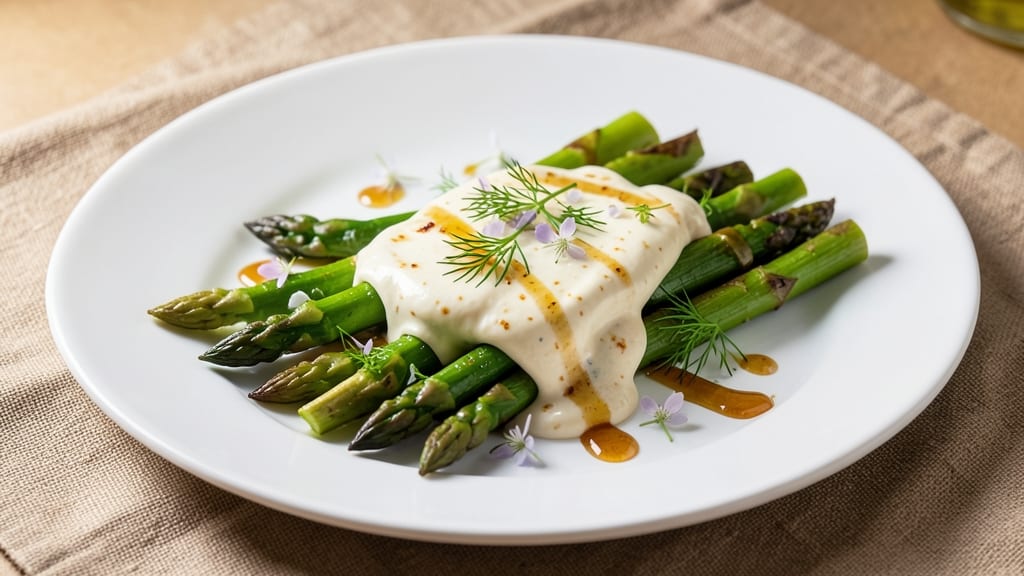
This asparagus cream cheese recipe transforms a spring vegetable staple into a rich, velvety dessert that surprises with its delicate balance of earthy and sweet flavors.
The secret lies in roasting asparagus until tender, then blending it into a silky cream cheese base that captures both savory depth and subtle sweetness—perfect for those who love unexpected twists on familiar ingredients.
The process is simpler than it sounds: roast asparagus until caramelized, then blend with cream cheese, a touch of honey, and fresh herbs for brightness. What you’ll end up with is a creamy, spreadable texture that’s ideal for topping toast, swirling into mashed potatoes, or serving alongside roasted meats.
The honey adds just enough sweetness to complement the asparagus’s natural nuttiness, while herbs like dill or chives keep the flavor fresh and vibrant.
This dish is the ultimate sweet-and-savory crossover—elegant enough for a dinner party but easy enough for a weeknight treat. The roasting step enhances the asparagus’s natural sweetness, while the cream cheese adds a luxurious creaminess that makes every bite unforgettable.
Whether you’re looking to elevate a simple side or create a showstopping appetizer, this recipe delivers.
Pair it with crusty bread for dipping, or serve alongside grilled chicken for a restaurant-worthy twist on classic pairings. The versatility of this recipe means it works as both a stand-alone dessert and a sophisticated accompaniment—proving that asparagus isn’t just for savory dishes anymore.
Ingredients for asparagus cream cheese
Roasted asparagus meets velvety cream cheese in this elegant sweet-savory creation.
| Ingredient | Amount | Notes |
|---|---|---|
| Fresh Asparagus 🥬 | 1 lb | Trimmed, thick spears preferred |
| Cream Cheese 🧀 | 8 oz | Full-fat, room temperature |
| Extra-Virgin Olive Oil 🫒 | ¼ cup | High quality, fruity notes |
| Honey 🍯 | 2 tbsp | Wildflower preferred |
| Fresh Dill 🌿 | ¼ cup | Chopped, stems removed |
| Fresh Chives 🌱 | 0.15 cup | Finely chopped |
| Garlic Cloves 🧄 | 2 cloves | Minced, fresh preferred |
| Salt 🧂 | ½ tsp | Diamond Crystal kosher |
| Black Pepper 🌶️ | ¼ tsp | Freshly ground |
| Crusty Bread 🍞 | 1 piece | For serving, 8-10 oz loaf |
| Lemon Juice 🍋 | 1 tbsp | Freshly squeezed |
Asparagus is the foundation—thick spears hold up best to roasting. Whole Foods or local farmers markets often carry the freshest, vibrant stalks. Look for bright green tips with firm stems, avoiding any that feel woody or rubbery. Roasting enhances their natural sweetness, so don't skip this step. For the cream cheese, Philadelphia brand is my go-to—it melts beautifully without graininess. Room temperature is key; let it sit for 30 minutes before blending. The olive oil should be extra-virgin with noticeable fruitiness—California avocado or Italian varieties work exceptionally well here.
No fresh dill? Tarragon or basil at half the amount works beautifully. Substituting honey? Maple syrup or agave maintains the sweetness profile, though flavor will differ slightly. For a tangier twist, swap half the honey with balsamic glaze. The bread pairing is flexible—baguette, sourdough, or even crackers all work. If you can't find Diamond Crystal salt, Morton kosher salt is a fine alternative, though measurements may vary slightly. The lemon juice adds brightness; if you prefer, white wine vinegar at half the amount provides a similar acidity without citrus notes.
This blend keeps beautifully in the fridge for 5 days when stored in an airtight container. For longer storage, portion into ice cube trays and freeze—perfect for single servings. Reheat gently in the microwave or at low heat on the stovetop, adding a splash of water if it thickens. The roasted asparagus flavor actually intensifies overnight, making this even more delicious the next day. For serving, arrange the spread on a platter with the bread and garnish with extra herbs for a restaurant-quality presentation.
Why You'll Love This Recipe
- I’ll be real: most "leftover" dishes end up in the trash. Not this. The flavors actually deepened overnight, so I just reheat it with a splash of water and a sprinkle of dill. It’s my secret weapon for busy mornings or when I just don’t feel like cooking.
- Five-Ingredient Magic: I swear, this is the kind of recipe where you glance at the ingredients and think, "How hard can it be?"—then realize it’s actually genius. Fresh asparagus roasted until tender-crisp, folded into whipped cream cheese with a drizzle of honey and olive oil, then brightened with dill? That’s not cooking; it’s alchemy.
- Creamy Crunch Perfection: Between us, the contrast here is chef’s kiss—the velvety cream cheese and the slight bite of roasted asparagus, all tied together with that honey-olive oil glaze. Add fresh dill, and suddenly you’ve got a dish that’s rich but light, sweet but savory, and somehow always satisfying.
- Weeknight to Dinner Party: Honestly, I make this for lazy Tuesdays and still serve it at gatherings. Spread it on toast for a quick breakfast, pile it on crackers for a fancy appetizer, or even stuff it into quiches—it’s the kind of recipe that works everywhere without trying too hard.
Step-by-step instructions for asparagus cream cheese spread
This elegant yet approachable method balances rich cream cheese with bright asparagus and herbal notes.
Blanch and Prepare the Asparagus
Fill a medium pot with 2 inches of water and bring to a rolling boil. Trim the tough ends from the 1 lb fresh asparagus by bending each spear until it snaps naturally. Add the asparagus to the boiling water and cook for 2-3 minutes until bright green and tender-crisp.
Immediately drain and transfer the asparagus to an ice bath to stop the cooking process. Once cooled, drain again and pat dry thoroughly with paper towels. This blanching preserves vibrant color and crisp texture while making the asparagus easier to work with in the spread.
Create the Cream Cheese Base
In a food processor fitted with the metal blade, combine the 8 oz cream cheese (at room temperature), 0.25 cup extra-virgin olive oil, and 2 tbsp honey. Process until completely smooth, about 30-45 seconds. The mixture should be creamy with no visible lumps.
This step is crucial for achieving a velvety texture. If you notice any graininess, stop and scrape down the sides before continuing. The olive oil adds richness while the honey provides subtle sweetness that complements the asparagus' natural flavor.
Incorporate Herbs and Aromatics
Add the blanched asparagus, 2 cloves minced garlic, 0.25 cup chopped fresh dill, 0.15 cup finely chopped fresh chives, 0.5 tsp salt, and 0.25 tsp freshly ground black pepper to the food processor. Pulse just until the asparagus is finely chopped but still retains some texture—about 10-12 pulses.
Taste the mixture and adjust seasoning if needed. The balance should be harmonious between the creamy base, herbal brightness, and subtle sweetness. For extra depth, add 1 tbsp freshly squeezed lemon juice and pulse once more to combine.
Adjust Consistency and Serve
Transfer the spread to a serving bowl and taste. If it's too thick, thin with 1-2 teaspoons water at a time until reaching a smooth, spreadable consistency. The perfect texture should be thick enough to hold its shape when spread but still glide effortlessly.
Serve immediately with 1 piece crusty bread cut into slices or as a dip for toasted baguette strips. The contrast between the creamy spread and crisp bread creates an ideal textural experience. Store any leftovers in an airtight container in the refrigerator for up to 3 days, though it's best enjoyed fresh.
Pro Tips For Making Asparagus Cream Cheese
- Trim the Tough Ends First: Snap the asparagus stalks cleanly at the base where the woody part meets the tender—no need for a knife. This isn’t just about looks; it guarantees every bite is silky, not chewy. I learned this the hard way after biting into a stubborn, fibrous end mid-bite.
- Soften the Cream Cheese Slowly: Let the cream cheese sit at room temperature for 15 minutes before mixing—yes, even if you’re eager. Cold cream cheese clumps like glue in your blender, and no amount of force will fix it. Trust me, your dip will be smoother for it.
- Salt the Asparagus Before Roasting: Toss the trimmed asparagus with a pinch of salt and olive oil before roasting—this isn’t optional. The salt caramelizes the edges into tiny crispy bits while the centers stay tender. I skipped this once and ended up with bland, soggy spears.
- Balance the Honey Last: Drizzle the honey over the warm cream cheese mixture after blending, then stir gently—this keeps it glossy, not cloying. Adding it too early turns the dip into syrup. A quick taste test here saves seconds of regret later.
Common mistakes when making great asparagus cream cheese
Over-Roasting Asparagus
One of the biggest mistakes is roasting the asparagus too long, which turns it mushy and loses its natural sweetness. I’ve learned to keep a close eye on the 400°F oven temperature and remove the spears when they’re bright green and tender-crisp—about 12-15 minutes.
Over-roasting kills the delicate flavor and texture that makes this spread special. 🥬
Skipping the Ice Bath
After blanching, some cooks skip the ice bath step, which is a game-changer for preserving color and texture. The cold water stops the cooking process instantly, keeping the asparagus vibrant and crisp.
Without it, your spread will taste dull and the color will fade. I always use this step—it’s worth the extra 2 minutes of effort.
Using Cold Cream Cheese
Room-temperature cream cheese is non-negotiable for a smooth, lump-free spread. Cold cream cheese doesn’t blend properly and can create graininess. Let your 8 oz cream cheese sit at room temperature for at least 30 minutes before blending. I’ve ruined spreads by rushing this step—trust me, it’s worth the wait. 🧀
Over-Blending the Asparagus
Pulsing the asparagus too much turns it into a paste, losing the subtle texture that adds depth to the spread. Aim for 10-12 pulses—just enough to break it down while keeping some bite.
I’ve seen spreads turn into a smooth, flavorless mush when over-blended. Taste as you go to find the perfect balance.
Ignoring the Honey Balance
The honey isn’t just for sweetness—it enhances the asparagus’s natural flavor. Using too much makes the spread cloying, while too little leaves it flat. Start with 2 tbsp wildflower honey and adjust to taste. I’ve learned that the honey should complement, not overpower, the creamy base and herbal notes.
Not Adjusting Seasoning
Taste your spread before serving—this is where many cooks fall short. The blend of cream cheese, asparagus, and herbs needs careful seasoning. I always add a pinch of Diamond Crystal kosher salt and a crack of black pepper at the end.
Don’t skip this step—it’s the difference between good and extraordinary. 🌶️
Nutrition facts
Frequently asked questions
Can I use white asparagus in this recipe?
Yes, but the flavor will be milder and slightly sweeter than green asparagus. White asparagus lacks the natural bitterness that balances the creaminess, so you may want to add an extra ½ teaspoon salt and 1 teaspoon lemon juice to enhance the brightness. The texture remains excellent, though!
How can I make this recipe vegan?
Swap the cream cheese for 8 oz vegan cream cheese (like Kite Hill) and use 2 tablespoons maple syrup instead of honey. For extra richness, add 1 tablespoon nutritional yeast and 1 tablespoon olive oil to the food processor. The texture will be just as creamy!
Can I bake this asparagus instead of blanching?
Roast the asparagus at 400°F for 12-15 minutes until tender-crisp, then let it cool before blending. The roasted flavor adds a deeper, slightly caramelized note to the spread. Just be careful not to overcook—you want it to remain vibrant and slightly crisp.
What if my spread is too thick?
Thin it gradually with 1 teaspoon water at a time until it reaches a smooth, spreadable consistency. For extra creaminess, you can also add 1 tablespoon heavy cream or Greek yogurt. Stir well between additions to maintain a velvety texture.
How can I serve this beyond bread?
This spread is incredibly versatile! Try it as a dip for veggie sticks, a swirl in mashed potatoes, or a topping for avocado toast. For a gourmet touch, spread it on warm baguette slices and broil for 2-3 minutes until golden. It also pairs beautifully with grilled chicken or salmon.