
Appetizers
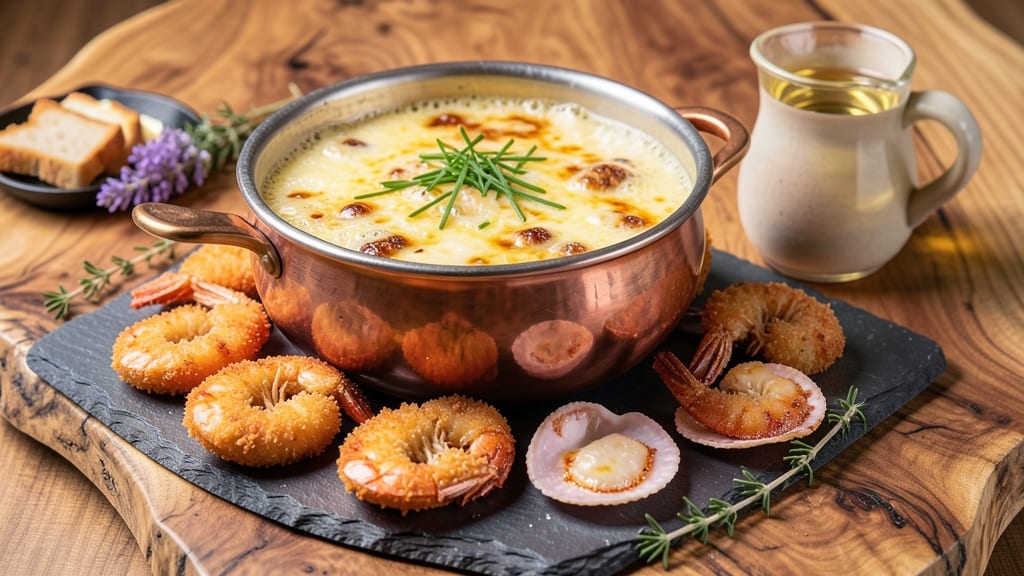
This seafood cheese fondue recipe transforms a classic comfort dish into a sophisticated appetizer that balances crispy, golden breaded seafood with velvety melting cheese. The secret lies in precise cheese melting techniques and a light, airy batter that ensures every bite stays perfectly crunchy.
After years of experimenting with fondue variations, I’ve perfected this method to deliver restaurant-quality results at home—without the fuss.
The foundation of this dish is a silky cheese blend that never scalds, paired with crispy breaded seafood that holds its texture even when dipped. We’ll use a double-boiler method to maintain smooth, creamy cheese while keeping the fondue pot at the ideal temperature for dipping.
The seafood—whether shrimp, scallops, or crab—gets a light, crispy coating that contrasts beautifully with the rich, tangy cheese.
What you’ll achieve is a foolproof fondue experience where every guest gets perfectly cooked seafood and a pot of cheese that stays smooth and inviting. The crispy breading stays intact while the cheese melts effortlessly, creating a harmonious balance of textures and flavors.
This isn’t just an appetizer—it’s a showstopper that elevates any gathering.
Safety and timing are critical here, so we’ll cover how to handle dairy and seafood properly while keeping the fondue pot at the perfect temperature. Pair it with crusty bread, roasted vegetables, or a light salad to round out the meal.
Let’s get started on creating this crispy, cheesy, and utterly satisfying dish.
Ingredients for seafood cheese fondue
Eighteen ingredients crafting restaurant-quality seafood fondue with perfect crispy bites and silky cheese.
| Ingredient | Amount | Notes |
|---|---|---|
| Large Shrimp (Peeled and Deveined) 🦐 | 1 ½ lb | Tail-on for presentation, size 21-25 per pound |
| Fresh Scallops 🐚 | 12 whole | Medium size, dry-patted for adhesion |
| All-Purpose Flour 🌾 | 1 cup | Sifted for light, airy batter |
| Cornstarch 🌽 | ¼ cup | For extra crispiness and texture |
| Large Eggs 🥚 | 2 whole | Cold, beaten with whisk attachment |
| Panko Breadcrumbs 🍞 | 1 ½ cups | Japanese-style for superior crunch |
| Gruyère Cheese (Aged 12 Months) 🧀 | 1 cup | Freshly grated, nutty flavor |
| Emmental Cheese (Swiss) 🧀 | 1 cup | Shredded, mild and melty |
| Dry White Wine 🍷 | ½ cup | Sauvignon Blanc preferred |
| Heavy Cream 🥛 | ¼ cup | Full-fat for velvety texture |
| Dijon Mustard 🍯 | 1 tbsp | For subtle tanginess |
| Lemon Zest 🍋 | 1 tsp | Brightens cheese blend |
| Garlic Cloves 🧄 | 2 cloves | Minced, for aromatic depth |
| Unsalted Butter 🧈 | 2 tbsp | Cold, cubed for double-boiler |
| Kosher Salt 🧂 | 1 tsp | Diamond Crystal preferred |
| Black Pepper 🌶️ | ½ tsp | Freshly cracked coarse |
| Vegetable Oil 🫒 | 2 cups | For frying seafood |
| Fresh Thyme Leaves 🌿 | ¼ cup | Chopped, for garnish |
The cheese selection is non-negotiable for this fondue. Gruyère from France and Swiss Emmental are the gold standard—both melt beautifully and offer distinct textures. For Gruyère, Whittard of Chelsea or specialty cheese shops carry the best aged varieties. If you must substitute, Comté cheese works but lacks the same nutty depth. Always grate fresh from a block; pre-shredded contains anti-caking agents that prevent proper melting. The scallops and shrimp should be the freshest possible—look for day-boat seafood counters or ask your fishmonger for the most recent catch. Size matters too: shrimp should be 21-25 per pound for even cooking, while scallops should be medium-sized to ensure they cook through without overcooking.
No Gruyère in your area? Parmigiano-Reggiano can stand in as a last resort, though it lacks the same melt. For the wine, dry Sauvignon Blanc is ideal, but a crisp Chardonnay works in a pinch. The Panko breadcrumbs are essential for that signature crunch—Japanese-style stays crisp longer than regular breadcrumbs. If you can't find it, toast regular breadcrumbs in a dry pan for 2-3 minutes to mimic the effect. The Dijon mustard adds subtle complexity; if you're avoiding it, 1 tsp lemon juice provides similar acidity. For the seafood, frozen works fine, but fresh is always superior. Pat everything thoroughly dry before breading—this ensures maximum crispiness when fried. The lemon zest can be substituted with 1 tsp lemon juice if zest isn't available, though the texture differs slightly.
Cheese fondue reheats beautifully if made ahead, but the seafood must be fried fresh. Store the cheese mixture in an airtight container in the refrigerator for up to 2 days—reheat gently over a double boiler. The breaded seafood should be fried just before serving to maintain its crisp texture. For optimal presentation, arrange the fried seafood on a platter lined with paper towels to absorb excess oil. The fondue pot itself can be kept warm in a 200°F oven while not in use, covered with a lid. Leftover cheese mixture freezes well for 3 months—thaw gradually in the refrigerator before reheating. Always use a fondue pot with temperature control to maintain the ideal 125-130°F serving temperature.
Why You'll Love This Recipe
- Same recipe, different vibes: toss it together for a lazy Friday night, then double it for game day with friends. The scallops add that wow factor without extra effort—my secret weapon for effortless hosting.
- No-Fuss Coating: I swear by that flour-cornstarch mix—just toss the shrimp and scallops in it, dip in egg, and boom. No rolling, no stress, and the crust comes out golden every single time.
- Umami Bomb: That melted cheese—gruyère and parmesan—wraps around the seafood like a warm hug, while the lemon zest cuts through the richness. Honestly, the first bite makes me forget it’s a weeknight dinner.
- Weeknight to Party: Same recipe, different vibes: toss it together for a lazy Friday night, then double it for game day with friends. The scallops add that wow factor without extra effort—my secret weapon for effortless hosting.
Step-by-step instructions for seafood cheese fondue
Master this technique and you'll achieve crispy breaded seafood paired with velvety, perfectly balanced cheese.
Prepare the Crispy Breaded Seafood
In a shallow dish, combine the 1 cup all-purpose flour and 0.25 cup cornstarch. This blend creates the ideal crispy exterior while maintaining tenderness inside. Add the 1.5 lb large shrimp (peeled and deveined) and 12 whole fresh scallops, turning to coat evenly. Tap off any excess flour - you want a light, even layer.
In a second dish, whisk the 2 whole large eggs until just combined. The eggs should be cold for better adhesion to the seafood. Dip each piece into the egg mixture, allowing excess to drip off completely. This step is crucial for creating that perfect crunch without breaking the delicate seafood.
Transfer the egg-coated seafood to a third dish filled with 1.5 cups panko breadcrumbs. Press gently to ensure full coverage, then let rest for 5 minutes on a wire rack. This brief drying period prevents the breading from becoming soggy during frying. The result should be pieces that look like they've been dusted with golden sand.
Fry to Perfect Golden Crispiness
Heat 2 cups vegetable oil in a deep skillet to 350°F - use a thermometer for accuracy. The oil should shimmer gently but not smoke. Working in batches to avoid crowding, fry the breaded seafood for 2-3 minutes per side until deep golden brown and floating freely. This crispy exterior will contrast beautifully with the silky cheese fondue.
Drain on paper towels and immediately sprinkle with a mix of 1 tsp kosher salt and 0.5 tsp black pepper. The seafood should maintain its shape while developing that satisfying crunch. If any pieces lose their form, they were overcooked - adjust your timing accordingly for future batches.
Keep the fried seafood warm in a 200°F oven while you prepare the cheese mixture. This low temperature maintains crispness without overcooking. The seafood should stay warm for up to 20 minutes while you complete the fondue preparation.
Create the Silky Cheese Base
In a heavy saucepan, combine 1 cup gruyère cheese (aged 12 months) and 1 cup emmental cheese (swiss) with 0.5 cup dry white wine. The wine helps break down the cheese proteins for a smoother texture. Add 1 tbsp dijon mustard and 1 tsp lemon zest, then place the pan over medium-low heat.
Stir continuously with a wooden spoon until the cheese melts completely, then add 0.25 cup heavy cream and 2 tbsp unsalted butter. The mixture should be smooth and glossy, with a temperature around 160°F. If it thickens too much, whisk in 1 tablespoon wine at a time until you reach the perfect dipping consistency.
Remove from heat and stir in the 2 minced garlic cloves and 0.25 cup chopped fresh thyme leaves. The garlic should infuse the cheese without becoming noticeable - you want subtle depth rather than sharpness. Cover the fondue pot and keep warm over a candle flame or very low heat while serving.
Assemble and Serve
Place the warm cheese fondue in the center of your serving table, surrounded by the crispy fried seafood. The contrast between the golden, crunchy exterior and the creamy, melted interior creates an unforgettable experience. Serve immediately while the seafood remains crisp and the cheese maintains its perfect temperature.
For each serving, dip 2-3 pieces of seafood into the cheese until fully coated. The crispy breading should give way to the silky cheese with each bite, delivering both texture and flavor. The wine and lemon zest in the cheese cut through the richness of the seafood, creating a perfectly balanced dish.
Garnish each serving with an additional sprinkle of fresh thyme leaves and a pinch of black pepper just before serving. This final touch enhances the aromatic profile while maintaining the professional presentation that makes this fondue truly special.
Pro Tips For Making Seafood Cheese Fondue
- Prep Scallops Last: Scallops cook in seconds—wait until the fondue sauce is bubbling and ready to dip before dredging them. I learned this the hard way after overcooking a batch while prepping shrimp first; fresh scallops turn rubbery fast when exposed to air.
- Double-Dredge Shrimp: Pat shrimp thoroughly dry after the first flour coating, then dip again in egg wash and flour. The extra layer keeps them crispy longer in the cheese sauce—no soggy bites here. (Yes, it’s messy, but it works.)
- Watch the Heat: Keep the fondue sauce at a gentle simmer, not a rolling boil—otherwise, the cheese seizes and the sauce splits. If it gets too aggressive, pull it off heat for 30 seconds and stir like you’re calming a toddler.
- Cornstarch Boost: Swap half the all-purpose flour for cornstarch in the dredge—it thickens the coating better and gives the shrimp a lighter, crunchier crust. I was skeptical until I tried it; the texture is noticeably better.
Essential equipment for seafood cheese fondue
Fondue Pot Essentials
Start with a fondue pot with temperature control—I swear by the Staub Copper Fondue Pot for its even heat distribution and elegant presentation. The built-in 125-130°F setting ensures your cheese stays silky without scorching.
For budget-friendly options, the OXO Good Grips Fondue Pot works well with an external thermometer. Never use a regular saucepan; fondue requires precise temperature maintenance to avoid grainy cheese or overheating. 🌡️
Double-Boiler Setup
A double-boiler system is non-negotiable for melting cheese smoothly. Use a heavy-bottomed saucepan (like All-Clad Stainless Steel) with a heatproof glass or metal insert—I prefer CorningWare for its even heat transfer.
Fill the bottom pan with 1-2 inches of water, ensuring it doesn’t touch the insert to prevent steam from diluting your cheese. Keep heat on medium-low to avoid temperature spikes that can separate the mixture.
Frying Equipment
For the crispy seafood, a deep skillet with high sides (like All-Clad D5) is ideal to prevent oil splatter. Pair it with a deep-fry thermometer—the Thermoworks Thermapen is my go-to for precise 350°F readings.
A wire cooling rack and paper towels are essential for draining fried seafood. For extra crispiness, I use a slotted spoon to transfer pieces to the rack without breaking the breading. 🔥
Cheese Grating Tools
Freshly grated cheese makes all the difference. A microplane or box grater (like OXO Good Grips) ensures fine, even shreds that melt smoothly. Avoid pre-shredded cheese—it contains anti-caking agents that prevent proper melting. For the Gruyère and Emmental, grate directly over the saucepan to minimize waste.
If grating feels tedious, a high-quality food processor with a grating attachment (like KitchenAid) speeds up the process without compromising texture.
Temperature Control Accessories
An infrared thermometer (such as Kizen) lets you monitor the fondue pot’s temperature without opening it, which can cause temperature drops. For the seafood, a meat thermometer ensures shrimp reaches 145°F and scallops hit 120°F at the thickest part.
I also keep a candle warmer (like Lifetimes) handy to maintain the fondue’s temperature between servings—it’s perfect for keeping cheese at 125-130°F without direct heat.
Serving Essentials
Round out your setup with fondue forks (I love Staub’s copper set for durability) and small fondue bowls for individual servings. A serving platter with parchment paper underneath makes cleanup easier. For presentation, add fresh thyme sprigs and lemon wedges to the table.
Don’t forget a small pitcher for extra wine or broth to thin the cheese if needed—it’s a lifesaver for adjusting consistency mid-party. ✨
Nutrition facts
Frequently asked questions
Can I substitute other seafood in this recipe?
This recipe works beautifully with lobster tails, calamari rings, or even white fish fillets like cod or halibut. For best results, choose firm, high-quality seafood that holds its shape when breaded. Just adjust cooking times—thicker pieces like lobster may need 3-4 minutes per side while delicate scallops should stay at 2-3 minutes.
Why did my cheese mixture get grainy?
Grainy cheese usually happens from overheating or using pre-shredded cheese. Always melt cheese over medium-low heat with a double boiler, and use freshly grated Gruyère and Emmental. If it thickens too much, whisk in 1 tablespoon wine at a time until silky smooth. For extra insurance, strain through a fine-mesh sieve before serving.
How do I keep the breading extra crispy?
Pat your seafood thoroughly dry before breading—moisture is the enemy of crispiness! Use Japanese-style Panko and let breaded pieces rest on a wire rack for 5 minutes before frying. Fry in small batches at 350°F oil and keep warm in a 200°F oven while finishing the cheese. The key is speed and heat control.
Can I make this fondue ahead of time?
Yes! Prepare the cheese mixture up to 2 days ahead and store in an airtight container in the fridge. Reheat gently over a double boiler until smooth. However, fry the seafood fresh before serving—it loses crispiness when reheated. For the fondue pot itself, keep it warm at 125-130°F with a candle warmer or very low heat while not in use.
What wine pairs best with seafood cheese fondue?
A crisp Sauvignon Blanc or Chardonnay complements the dish perfectly, cutting through the richness of the cheese while enhancing the seafood flavors. For red wine lovers, a light Pinot Noir works surprisingly well. Serve chilled and offer a small pitcher at the table for thinning the cheese if needed.