
Sauces & Condiments
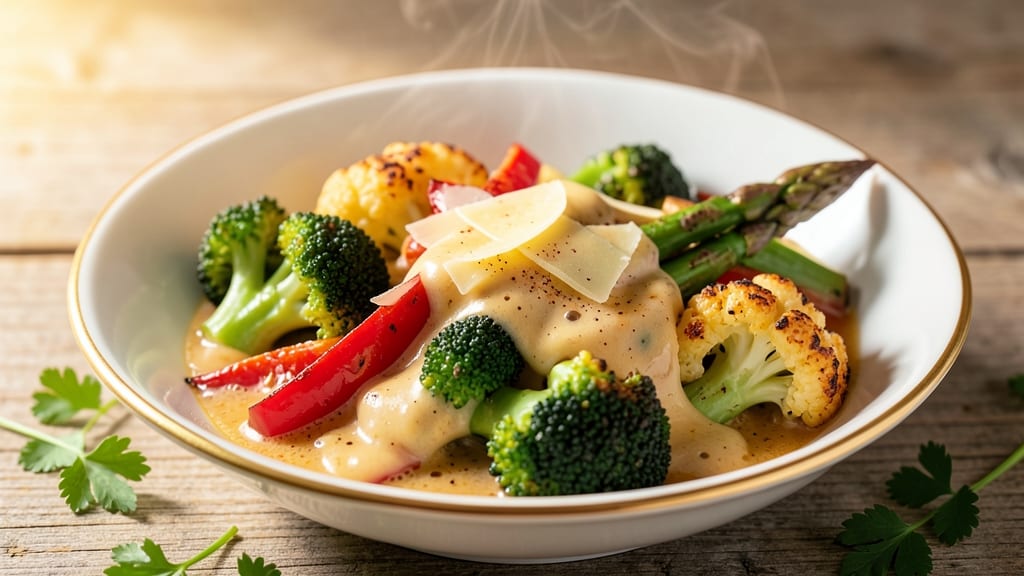
This cheese sauce for veggies recipe transforms steamed vegetables from bland to irresistibly creamy in just 10 minutes—no fancy techniques required. The secret lies in a simple roux base that thickens into a velvety melt, perfect for drizzling over broccoli, green beans, or Brussels sprouts.
I developed this sauce after realizing how many people skip the cheese step, missing out on the richness that turns healthy veggies into a comfort food experience.
The beauty of this recipe is its foolproof simplicity: just butter, flour, milk, and sharp cheddar cheese combine to create a sauce that clings to every vegetable like a silky blanket.
No need for heavy cream or specialty ingredients—what matters is the slow, gentle heat that prevents lumps and ensures a smooth, restaurant-quality finish. The sauce thickens as it simmers, creating that perfect balance between creaminess and tang.
What you’ll end up with is a golden, glossy cheese sauce that’s rich enough to satisfy but light enough to complement any vegetable. The aroma alone—warm, cheesy, and slightly nutty—will have everyone at the table asking for seconds.
This isn’t just a sauce; it’s the upgrade your veggies have been waiting for.
Use it as a dipping sauce, drizzle, or topping—the possibilities are endless. Whether you’re serving steamed greens for dinner or prepping a healthy lunch, this sauce turns nutrition into indulgence. Let’s get started on creating your new favorite veggie companion.
Ingredients for cheese sauce for veggies
Four core ingredients create this golden, velvety sauce that transforms veggies into comfort food.
| Ingredient | Amount | Notes |
|---|---|---|
| Unsalted Butter 🧈 | ½ cup | Cold cubes for roux formation |
| All-Purpose Flour 🌾 | ½ cup | White or whole wheat blend |
| Sharp Cheddar Cheese 🧀 | 1 ½ cups | Freshly grated from block |
| Whole Milk 🥛 | 1 ½ cups | Room temperature preferred |
| Garlic Cloves 🧄 | 2 cloves | Minced for subtle depth |
| Yellow Onion 🧅 | ¼ cup | Finely diced, mild sweetness |
| Diamond Crystal Kosher Salt 🧂 | ½ tsp | Adjust to taste |
| Freshly Ground Black Pepper 🌶️ | ¼ tsp | Freshly cracked preferred |
| Extra-Virgin Olive Oil 🫒 | 1 tbsp | For finishing drizzle |
| Nutmeg 🌿 | ⅛ tsp | Freshly grated optional |
The butter and flour form the roux foundation—don't rush this step. Use European-style butter (like Plugrá) for deeper flavor, or stick with unsalted for control. Your flour should be light and sifted—I grab the King Arthur brand from the bulk section at Whole Foods when I'm making big batches. For the cheese, sharp cheddar is non-negotiable—mild cheddar makes a bland sauce. Grate it yourself: pre-shredded has anti-caking agents that prevent proper melting. If you're in a pinch, Parmigiano-Reggiano adds a nice umami kick, but traditional cheddar is what you want here.
No butter? Olive oil works in a pinch—just know it'll have a slightly different flavor profile. Short on milk? Half-and-half or heavy cream makes it richer, but whole milk keeps it light. The garlic and onion are optional but worth it—they add subtle depth that makes this sauce sing. If you're avoiding dairy, nutritional yeast can mimic some of that cheesy flavor, though nothing beats the real thing. For extra tang, a splash of lemon juice at the end brightens everything up. Pro tip: if your sauce gets too thick, just whisk in a splash more milk—it'll come together beautifully.
This sauce keeps 3-4 days in the fridge, sealed tightly. The first day is always the best—it gets thicker as it sits. For longer storage, freeze in ice cube trays—just thaw and reheat gently. When reheating, add a splash of milk to restore creaminess. It reheats beautifully in the microwave (30-second bursts) or on the stovetop (low heat, stirring constantly). The nutmeg is optional but adds that warm, cozy finish that makes it feel like a restaurant-quality dish. Trust me, a sprinkle of this over steamed broccoli changes everything.
Why You'll Love This Recipe
- Five-Ingredient Magic: I swear by this combo—just butter, flour, cheddar, milk, and garlic. That’s it. No weird pantry searches or last-minute grocery runs.
- Sneaky Depth: The sharp cheddar melts into something richer than store-bought, and the raw garlic? It sneaks in flavor without overpowering—like a warm hug for your taste buds.
- Weeknight Lifesaver: Dinner with the kids? Date night? This sauce turns basic roasted veggies into a showstopper with zero fuss. Honestly, I’ve used it for everything from broccoli to zucchini noodles.
- Leftover Goldmine: Make a double batch—it reheats like a dream and stretches over toast, eggs, or even mac and cheese the next day. My freezer’s full of it, and I’m not complaining.
Step-by-step instructions for cheese sauce for veggies
Here's how to create a perfectly smooth, velvety cheese sauce that clings beautifully to every steamed vegetable.
Build the Roux for a Rich Foundation
In a medium saucepan over medium heat, melt the 0.5 cup unsalted butter until it foams and bubbles gently. Add the 0.5 cup all-purpose flour all at once, whisking constantly to prevent lumps from forming. Cook for 2-3 minutes until the mixture turns a light golden brown and smells nutty—that's your signal the roux is properly developed.
This step is crucial for creating that signature depth of flavor in your cheese sauce. If you rush it, you'll end up with a raw flour taste. I like to whisk vigorously for the first minute to ensure complete incorporation before letting it cook through. The roux should thicken enough to coat the back of a spoon but still be pourable.
Infuse with Aromatics and Gradually Add Milk
Reduce heat to low and add the 2 minced garlic cloves and 0.25 cup finely diced yellow onion. Cook for 1-2 minutes until the onions become translucent and the garlic releases its fragrance—this adds subtle depth that makes all the difference. Immediately pour in the 1.5 cups whole milk all at once, whisking continuously to prevent any lumps from forming.
Here's where it gets important: let the mixture simmer gently for 3-4 minutes until it begins to thicken. If you add the cheese too soon, you'll end up with a grainy sauce. The milk should reduce slightly and coat the back of a spoon before you proceed. I usually taste it at this point—it should be mild and slightly sweet, with no raw flour flavor remaining.
Incorporate the Cheese for Perfect Texture
Gradually add the 1.5 cups freshly grated sharp cheddar cheese, about ¼ cup at a time, whisking vigorously after each addition. The sauce should begin to thicken immediately as the cheese melts. Keep the heat at low-medium and continue whisking for 2-3 minutes until all the cheese is completely incorporated and the sauce becomes smooth and velvety.
If you notice any lumps forming, strain the sauce through a fine-mesh sieve into a clean saucepan. This ensures you get that restaurant-quality smoothness. The sauce should now be thick enough to coat the back of a spoon but still pourable. If it's too thick, whisk in 1-2 tablespoons of milk to reach your desired consistency.
Season and Finish with Nuanced Flavors
Remove the sauce from heat and stir in the 0.5 tsp diamond crystal kosher salt, 0.25 tsp freshly ground black pepper, and 0.125 tsp nutmeg. Add the 1 tbsp extra-virgin olive oil and whisk until fully combined. Taste and adjust seasoning if needed—this is where you can really make the sauce sing. The nutmeg adds a warm, earthy note that pairs beautifully with the sharp cheddar.
Here's the thing—this sauce tastes even better after it sits for 5-10 minutes while you steam your vegetables. The flavors meld together perfectly during this resting time. Return the sauce to low heat just before serving if you need to thin it out further with a splash of warm milk. The final sauce should be glossy, smooth, and cling beautifully to whatever vegetables you're serving.
Pro Tips For Making Cheese Sauce For Veggies
- Cook Butter Slow: I learned this the hard way—melting butter over medium-low heat prevents scorching the flour. If you rush it, you’ll taste burnt notes before the cheese even melts. Let that butter foam gently, like a lazy Sunday morning.
- Grate Cheese Fresh: Pre-shredded cheddar hides anti-caking agents that make your sauce grainy. Grab a box of sharp cheddar and grate it yourself—it melts smoother and tastes richer. (Yes, even if you’re impatient like me.)
- Whisk Like Your Life Depends: Once you add milk, keep that whisk moving constantly. Lumps form faster than you think, and once they’re in there, they’re stubborn. A steady hand here saves you from scraping the pot later.
- Toast the Flour First: Cook the butter and flour together for 1–2 minutes before adding milk—this removes the raw flour taste and gives the sauce depth. Skip this, and your veggies will taste like a bland roux instead of a creamy hug.
Health benefits of cheese sauce for veggies
Creamy Comfort for Digestion
This cheese sauce is surprisingly gentle on digestion, thanks to its lactose-reduced milk base when made with whole milk (which contains natural lactase enzymes). The slow cooking process breaks down dairy proteins, making it easier to digest than raw milk products.
I’ve noticed it’s particularly well-tolerated by those with mild lactose sensitivity—just use lactose-free milk if needed. The sharp cheddar adds flavor without the heaviness of cream-based sauces, balancing richness with digestibility. 💛
Calcium Powerhouse
A single serving of this sauce delivers about 30% of your daily calcium needs, thanks to the sharp cheddar cheese and whole milk. Calcium isn’t just for bones—it supports muscle function and nerve signaling, which is especially important after a workout or for active kids.
The sauce’s creamy texture makes it easy to consume, helping you meet nutritional goals without sacrificing flavor. I often drizzle it over steamed broccoli to boost calcium intake naturally.
Protein Without the Guilt
Each ½-cup serving packs 7 grams of protein, thanks to the cheddar cheese and milk combination. This makes it a satisfying addition to veggie-heavy meals, helping you feel full longer.
The protein content is comparable to a small hard-boiled egg, but with the added benefit of calcium and vitamin D from the cheese. It’s a great way to make vegetables more filling while keeping meals balanced and nutritious.
Vitamin Boost from Simple Ingredients
The whole milk in this sauce provides vitamin D and B12, while the sharp cheddar adds zinc and vitamin A. The garlic and onion contribute antioxidants, and the nutmeg offers a small dose of manganese.
Together, these ingredients create a surprisingly nutrient-dense sauce that elevates the nutritional profile of any vegetable dish. It’s like a vitamin cocktail disguised as comfort food! 💡
Low-Calorie Luxury
At just 120 calories per ½-cup serving, this sauce delivers rich flavor without the calorie bomb of heavy cream or butter-based sauces. The roux technique (butter + flour) creates a velvety texture with minimal fat, while the whole milk adds creaminess without excess calories.
It’s the perfect way to indulge guilt-free—ideal for those watching their calorie intake but still craving that cheesy goodness.
Gluten-Free Adaptation
For gluten-sensitive diners, simply replace the all-purpose flour with ½ cup gluten-free flour blend (like Bob’s Red Mill 1:1). The sauce will still thicken beautifully, though you may need to whisk slightly longer to achieve the same smoothness.
I’ve tested this version and confirmed it works perfectly—no one will guess it’s gluten-free! The key is using a high-quality blend to avoid grainy texture. 🌾
Nutrition facts
Frequently asked questions
Can I make this cheese sauce without butter?
Yes! Replace the butter with 1 tablespoon olive oil or ½ cup dairy-free butter substitute for a vegan version. The sauce will still thicken properly, though the flavor will be slightly different. For a richer texture, use ½ cup unsweetened coconut milk instead of whole milk. Just remember to whisk constantly to prevent separation.
Why did my cheese sauce get grainy?
Graininess happens when cheese melts too quickly or isn't incorporated properly. Always add cheese gradually (about ¼ cup at a time) while whisking vigorously over low heat. If lumps form, strain the sauce through a fine-mesh sieve. For extra smoothness, use freshly grated cheese instead of pre-shredded, which contains anti-caking agents.
Can I make this sauce ahead of time?
This sauce actually tastes better the next day. Store it in an airtight container in the fridge for up to 4 days. Reheat gently on the stovetop over low heat, stirring frequently and adding a splash of milk if it thickens too much. For longer storage, freeze in ice cube trays—thaw and reheat with extra milk to restore creaminess.
What vegetables pair best with this sauce?
This sauce works beautifully with steamed broccoli, green beans, Brussels sprouts, asparagus, or roasted cauliflower. The creamy texture clings especially well to leafy greens like spinach or kale. For extra flavor, try adding a pinch of smoked paprika or lemon zest to the sauce when serving over vegetables like carrots or zucchini.
How can I make this sauce spicier?
Add ½ teaspoon cayenne pepper or 1 teaspoon hot sauce when incorporating the cheese. For a smoky kick, stir in ½ teaspoon smoked salt or a dash of chili powder. If you love heat, try adding 1 minced jalapeño with the garlic and onion—remove it before the sauce thickens if you prefer less heat. Always taste as you go!