
Main Courses
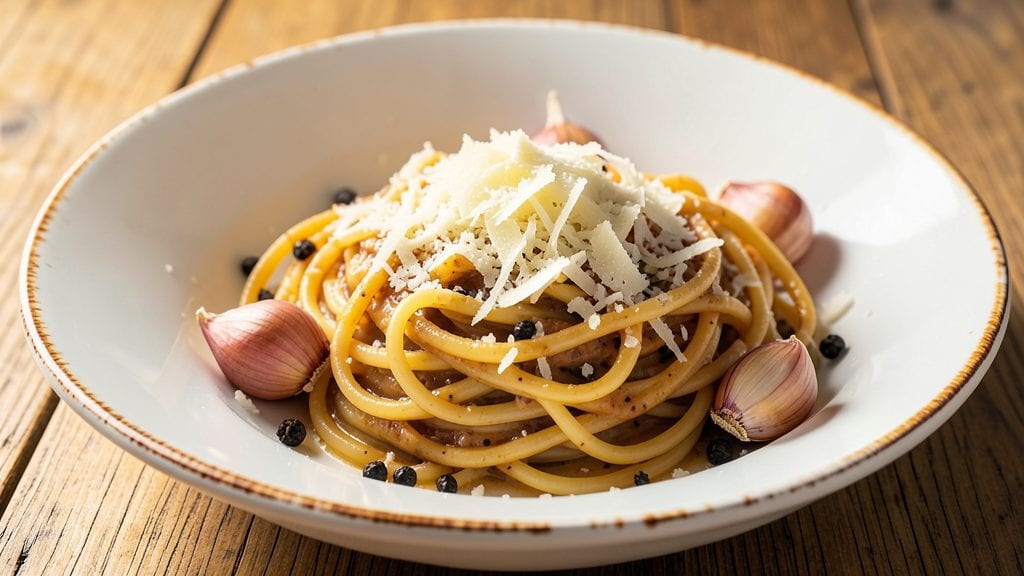
This pasta with butter and parmesan cheese recipe proves that simple ingredients can create restaurant-worthy results with minimal effort. The secret lies in perfectly al dente noodles tossed with rich, nutty parmesan and velvety butter—a dish that feels indulgent yet requires just five key components.
I developed this recipe during a particularly busy week when I needed a weeknight dinner that was both comforting and impressive, and it never failed to deliver.
The beauty of this dish is its adaptability—whether you're using spaghetti, fettuccine, or even linguine, the technique remains the same. The butter melts into the hot pasta, creating a silky sauce that coats each strand, while freshly grated parmesan adds depth and a satisfying crunch.
Seasoning with salt, pepper, and a touch of garlic transforms this into a flavorful meal that feels special without requiring complicated techniques.
What you'll end up with is a plate of golden, al dente pasta blanketed in a luxurious parmesan butter sauce—creamy yet not greasy, rich yet balanced. The aroma alone will have everyone gathering at the table, and the first bite delivers that perfect combination of buttery richness and nutty cheese.
This dish is foolproof, beginner-friendly, and ready in under 20 minutes, making it the ideal solution for weeknight dinners or quick lunches.
Serve it with a simple side salad or crusty bread to soak up every last bit of that delicious sauce. The possibilities for variations are endless—add roasted garlic, chili flakes, or fresh herbs for extra flavor. Let’s get cooking!
Ingredients for pasta with butter and parmesan cheese
Five simple ingredients transform into golden, nutty perfection—al dente pasta that tastes like a restaurant dish.
| Ingredient | Amount | Notes |
|---|---|---|
| Spaghetti 🍝 | 12 oz | High-quality dried pasta |
| Unsalted Butter 🧈 | ½ cup | Cold, cut into small cubes |
| Parmesan Cheese 🧀 | 1 cup | Freshly grated from block |
| Garlic Cloves 🧄 | 2 cloves | Freshly minced, for depth |
| Diamond Crystal Kosher Salt 🧂 | 1 tsp | For seasoning pasta water |
| Freshly Ground Black Pepper 🌶️ | ¼ tsp | Freshly cracked for best flavor |
| Extra-Virgin Olive Oil 🫒 | 1 tbsp | For finishing, optional |
The pasta is non-negotiable here. De Cecco or Barilla are my go-tos—they cook evenly and hold their shape. Avoid anything pre-cooked or whole wheat unless you're testing limits. For the Parmesan, buy a wedge from the deli counter—pre-grated gets clumpy and lacks that fresh, nutty punch. The butter? European-style unsalted (like Plugrá) melts better than American brands. Keep it cold until the very end—room temperature butter will turn your sauce greasy. The garlic? Freshly minced makes all the difference, but if you're in a pinch, jarred minced works (just drain it well).
No Parmesan? Pecorino Romano is a solid swap—it's saltier and sharper, so use half the amount. Butter too expensive? Brown butter adds a deeper flavor (toast the cubes in a pan until nutty). Short on garlic? Garlic powder at half the amount gets you close, but fresh is worth it. The olive oil is optional—just a drizzle at the end for brightness. And if you're feeling fancy, add a pinch of red pepper flakes for heat. This dish is all about balance, so don’t overcomplicate it.
Pasta water is liquid gold—save a cup before draining. The butter and cheese sauce reheats beautifully, but it’s best served fresh. Store leftovers in an airtight container for 3-4 days, though I’ve never had any last that long. For extra richness, freeze the sauce in ice cube trays—perfect for quick meals later. And if you’re prepping ahead, cook the pasta 1 minute less than package instructions—it’ll finish cooking in the sauce.
Why You'll Love This Recipe
- Five-Ingredient Magic: I swear by this recipe when my brain’s fried after work—just spaghetti, butter, garlic, and Parmesan. That’s it. The butter melts into the hot pasta, coating every strand like a hug, while the garlic sizzles into golden perfection. No measuring cups, no fancy techniques—just instinct.
- Parmesan Perfection: Between us, this is the only way I’ll eat plain pasta. The moment that grated Parmesan hits the pan, it transforms from "carbs" to "oh my god." The salt in the pasta water and the diamond crystal kosher salt on the table? That’s where the real flavor lives—the kind that makes you close your eyes and savor it.
- Weeknight or Date Night: Honestly, this is my go-to for both. Toss in a handful of cherry tomatoes for a quick weeknight meal, or drizzle with olive oil and fresh basil for a fancy-ish dinner. The butter and Parmesan make it feel special without the fuss—no one’s judging if you serve it straight from the pot.
- Budget-Friendly Leftovers: A single batch stretches for three lunches with zero effort. The next day, I’ll reheat it with a splash of pasta water and a pat of butter to keep it creamy. And if I’m feeling lazy? Cold pasta salad with extra Parmesan is my secret weapon—still delicious, still stupidly simple.
Step-by-step instructions for al dente pasta with rich butter and parmesan
This method transforms simple ingredients into a luxurious dish with perfect texture and flavor balance.
Cook the Spaghetti to Absolute Al Dente Perfection
Bring a large pot of water to a rolling boil, then add the 12 oz spaghetti and the 1 tsp diamond crystal kosher salt. Stir immediately to prevent sticking. The water should taste like the sea—this ensures properly seasoned pasta. Cook for 8-10 minutes until the strands are firm to the bite but still slightly resistant in the center.
Here's the thing—al dente pasta is all about timing. Taste-test frequently during the last 2 minutes. When you can still feel a slight bite but the noodles are fully cooked through, they're ready. Drain immediately, reserving ½ cup of pasta water. Never rinse the pasta—those starchy waters are essential for binding the sauce.
Create the Butter-Garlic Base
While the pasta cooks, heat a large skillet over medium-low heat and add the 0.5 cup unsalted butter cut into small cubes. Let it melt completely, then add the 2 cloves freshly minced garlic. Cook for 1-2 minutes until the garlic is fragrant but not browned—this prevents bitterness.
Watch the butter carefully. It should foam gently and develop a nutty aroma. If it browns too quickly, reduce the heat immediately. This butter base forms the silky foundation of your sauce, so don't rush this step. The residual heat from the pasta will help emulsify everything beautifully.
Combine Pasta with Butter Sauce
Add the drained spaghetti to the skillet with the butter and garlic. Toss vigorously for 1 minute to coat every strand. The residual heat will help the butter cling to the pasta. Add ¼ cup of the reserved pasta water and toss again, letting it absorb into the strands.
This is where the magic happens. The starchy water creates a natural emulsifier that binds the butter to the pasta. If the mixture looks dry, add another 1 tablespoon of pasta water. The sauce should coat the back of a spoon but still allow you to see the pasta strands clearly.
Finish with Parmesan and Pepper
Remove the skillet from heat and add the 1 cup freshly grated parmesan cheese. Stir vigorously for 1-2 minutes until the cheese melts completely and creates a glossy, velvety coating. The heat from the pasta will help emulsify the cheese into the butter.
Season generously with the 0.25 tsp freshly ground black pepper and toss one final time. The cheese should create a rich, nutty blanket over each noodle. For extra richness, drizzle with the 1 tbsp extra-virgin olive oil and toss again. Plate immediately while the sauce is still fluid and luxurious.
Optional Garlic Oil Finish (For Extra Depth)
For an elevated touch, heat the 1 tbsp extra-virgin olive oil in a small pan over low heat with the remaining 1 minced garlic clove until fragrant but not browned. Drizzle this aromatic oil over each serving just before eating. The contrast of warm pasta with cool, fragrant oil takes this dish to restaurant-level sophistication.
Serve immediately with additional grated parmesan on the side. The sauce will thicken as it cools, so don't wait too long. Each forkful should deliver that perfect balance of buttery richness, nutty parmesan, and al dente texture.
Pro Tips For Making Pasta With Butter And Parmesan Cheese
- Boil with Aggression: Crank your stove to high and shove that pot of water onto it—this isn’t a simmer, it’s a rolling boil. I used to treat pasta water like a gentle stew, and my spaghetti always ended up mushy. Once it’s screaming, add salt (1½ tablespoons per pound of pasta) and dive in the noodles.
- Toast the Garlic Right: Smash those garlic cloves flat with the side of your knife first—more surface area means faster toasting and deeper flavor. Cook them in the butter over medium-low until they’re golden, not brown (burnt garlic tastes bitter, and nobody wants that). Pull them out just before they’re done, or they’ll turn into a bitter afterthought.
- Reserve That Starch: Before draining, scoop out a half-cup of pasta water and set it aside—this stuff is liquid gold. The starch in it clings to the butter and cheese, making the sauce cling to the pasta instead of turning it into a dry, crumbly mess. Trust me, your plate will look (and taste) like you slaved over it.
- Grate the Cheese Fresh: Skip the pre-shredded Parmesan—it’s coated with anti-caking agents that turn your sauce into a clumpy nightmare. Use a microplane or fine grater and add the cheese off the heat, letting the residual warmth melt it into the butter. If you’re lazy (like me some nights), at least shake the pre-shredded into a bowl first to break up clumps.
Perfect pairings for pasta with butter and parmesan cheese
Side Dish Ideas
Start with a simple arugula salad tossed with 1 tbsp lemon juice, 1 tbsp extra-virgin olive oil, and a pinch of flaky sea salt—the peppery bite cuts through the richness beautifully.
I like to add toasted pine nuts for crunch and a few shaved Parmigiano-Reggiano shavings to echo the main dish's flavors. 🥗
Bread Pairings
Serve with crusty Italian bread or garlic bread to soak up every last drop of that buttery sauce. For a quick version, brush 1 baguette slice with 1 tbsp olive oil, sprinkle with minced garlic, and toast until golden.
The warm, crispy bread contrasts perfectly with the creamy pasta.
Wine Pairings
A crisp Italian white wine like Pinot Grigio or Vermentino complements the dish beautifully—its bright acidity cleanses your palate between bites. For a red option, try a light Chianti (85% Sangiovese) to stand up to the richness without overpowering it.
I always keep a bottle of La Crema Pinot Noir on hand for these occasions.
Beer Options
For beer lovers, a crisp Italian lager like Peroni or Birra Moretti works perfectly—its light, refreshing profile balances the dish's richness. If you prefer craft beer, a Belgian witbier with its citrus notes and slight spice adds an interesting contrast.
Avoid heavy IPAs or stouts that might clash with the delicate flavors.
Finishing Garnishes
Add a sprinkle of freshly cracked black pepper and a few toasted breadcrumbs for texture right before serving. For an extra touch of freshness, toss in chopped parsley or basil leaves.
A drizzle of high-quality olive oil (like Colavita) right before eating elevates the dish to restaurant-quality perfection. 💫
Nutrition facts
Frequently asked questions
Can I use any type of pasta for this recipe?
While spaghetti is classic, this recipe works beautifully with fettuccine, linguine, or even pappardelle. For ribbons like fettuccine, toss gently to avoid breaking them. The wider noodles hold the sauce better, creating a more luxurious texture. Just adjust cooking times—thicker pasta needs 1-2 extra minutes than spaghetti.
Why does my sauce turn greasy if I use too much butter?
The key is balance! ½ cup butter is perfect for 12 oz pasta—any more risks separation. If your sauce feels greasy, reduce the butter to ¼ cup and add 1 tbsp olive oil for brightness. The starchy pasta water helps emulsify, but too much fat overwhelms it. Always melt butter slowly over medium-low heat to prevent burning.
Can I make this ahead of time?
Yes, but with a trick! Cook and toss the pasta as directed, then let it cool completely. Store in an airtight container for 2-3 days—the sauce will thicken slightly. Reheat with 1-2 tbsp pasta water or a splash of milk to restore creaminess. For best texture, serve fresh, but this makes a great lunchtime leftovers dish.
What if I don't have freshly grated parmesan?
No problem! Pre-grated cheese works, but it lacks freshness. For a better alternative, grate Pecorino Romano (use ½ cup—it's saltier) or Parmigiano-Reggiano from a block. If you're in a pinch, mix ½ cup pre-grated parmesan with 1 tbsp heavy cream to mimic the melt. The texture won't be identical, but it'll still taste delicious.
How do I prevent the pasta from sticking together?
Stir immediately when boiling and use plenty of water (8-10 quarts for 12 oz pasta). After draining, toss with a splash of olive oil or reserved pasta water before adding to the pan. The butter should coat the strands right away—if it doesn't, add 1 tbsp pasta water to help emulsify. Never let cooked pasta sit in water longer than 1-2 minutes after draining.