
Sauces & Condiments
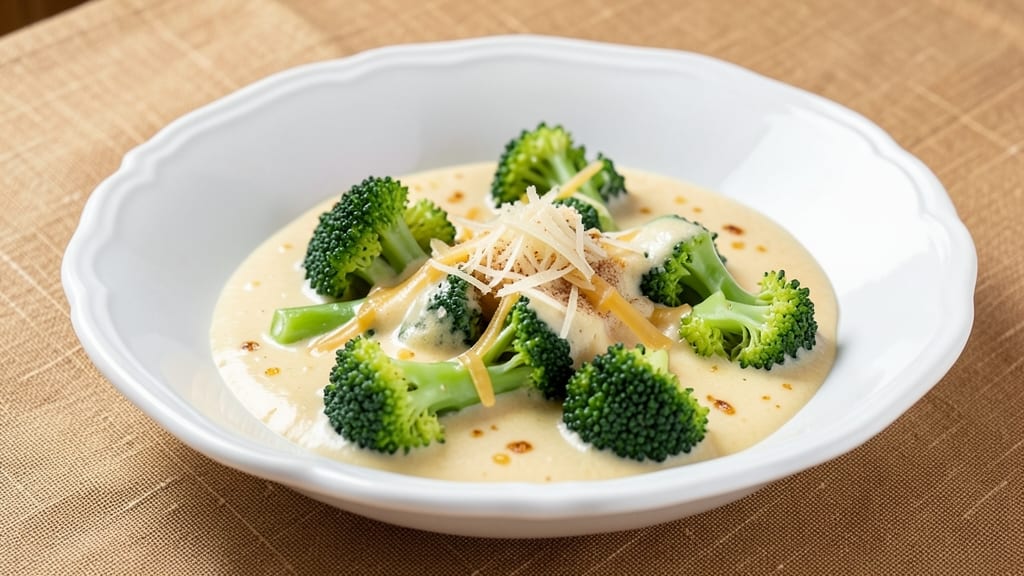
This broccoli cheese sauce recipe transforms humble ingredients into a creamy, velvety melt that clings to noodles like a dream. The secret lies in blending steamed broccoli directly into the sauce, creating a texture that’s impossibly smooth yet packed with subtle floret flavor.
I developed this version after years of testing—it’s the one that finally delivers that restaurant-quality richness at home without separating or turning grainy.
The beauty of this sauce is its versatility—it works as a pasta topping, casserole binder, or even a dip for veggies. A blend of sharp cheddar and cream cheese ensures a bold, tangy depth, while garlic powder and a pinch of mustard add complexity.
The sauce thickens naturally as it simmers, creating that signature cling you crave without requiring cornstarch or flour.
What you’ll end up with is a silky, golden sauce that’s creamy yet light, with just enough broccoli’s natural sweetness to shine through. The key is patience—letting the sauce reduce slowly on low heat develops its full, luxurious body.
This isn’t just cheese sauce; it’s a game-changer for any dish that needs that perfect cheesy embrace.
Perfect for mac and cheese, baked potatoes, or as a standalone dip, this sauce keeps well in the fridge for up to 5 days. Let’s make it—the easiest way to elevate comfort food to restaurant-level perfection.
Ingredients for broccoli cheese sauce
Nine simple ingredients. One velvety sauce that clings to noodles like magic.
| Ingredient | Amount | Notes |
|---|---|---|
| Fresh Broccoli Florets 🥦 | 2 cups | Steamed until tender, stems removed |
| Sharp Cheddar Cheese 🧀 | 1 ½ cups | Freshly grated, block preferred |
| Cream Cheese 🧈 | 8 oz | Full-fat, room temperature |
| Unsalted Butter 🧈 | ½ cup | Cold, cubed for even melting |
| Whole Milk 🥛 | ½ cup | Warmed for smoother texture |
| Garlic Powder 🧄 | 1 tsp | Freshly ground preferred |
| Dijon Mustard 🍯 | ½ tsp | For subtle tang |
| Ground Black Pepper 🌶️ | ½ tsp | Freshly cracked for heat |
| Sea Salt 🧂 | ¼ tsp | Adjust to taste |
| Extra-Virgin Olive Oil 🫒 | 1 tbsp | For richness, optional |
The broccoli is non-negotiable—it’s what gives this sauce that unexpected sweetness and silky texture. Fresh florets from the grocery store’s produce section work best (the ones in the plastic bags are fine), but if you’re feeling fancy, grab organic from Whole Foods or a local farmers market. Steaming is key: boil water, add broccoli, cover, and steam for 4-5 minutes until bright green and fork-tender. No need to overcook—mushy broccoli means mushy sauce. The cheese matters too: sharp cheddar (like Cabot or Tillamook) has that bite you crave, while cream cheese adds the creamy base. Buy full-fat—low-fat versions separate like crazy.
No sharp cheddar? Pepper jack or Gruyère work too, but sharp is ideal. Running out of cream cheese? Substitute with 4 oz cream cheese plus 2 oz extra cheddar—the extra fat keeps it rich. No Dijon mustard? Yellow mustard at half the amount gives a milder tang. The olive oil is optional but adds a luxurious finish—skip it if you’re watching calories. For a dairy-free version, swap the cheeses for nutritional yeast and cashew cream>, but texture will differ. And if your sauce separates? Just whisk in 1 tsp cornstarch mixed with 1 tbsp cold water—no one will ever know.
This sauce is a fridge staple—keeps for 5 days in an airtight container, or 3 months frozen in ice cube trays for single servings. Reheat gently on low, stirring often, until smooth. The texture thickens as it cools, so add a splash of milk if it gets too stiff. Double the batch—it disappears fast. I always make extra to pour over baked potatoes or use as a dip for roasted veggies. Trust me, you’ll want seconds.
Why You'll Love This Recipe
- No Chopping Chaos: I swear by this recipe because the florets just steam in place—no small pieces, no mess. Toss them whole into boiling water for 3 minutes, and they hold their shape perfectly. My kids even help "supervise" the timer.
- Cheesy Magic Combo: Sharp cheddar and cream cheese together? That’s the secret weapon. The sharp cheddar brings the tang, while the cream cheese melts into velvety richness—no bland sauce here. Honestly, the first time I made it, I ate a spoonful straight from the pot.
- Weeknight Wonder: This sauce is my go-to for busy nights: dump the steamed broccoli into a skillet with butter, milk, and cheese, stir for 5 minutes, and boom—ready. I’ve served it over pasta, as a dip, even on grilled cheese. It’s the kind of recipe that saves me from takeout.
- Budget-Friendly Leftovers: A single batch stretches for 3 meals—pasta, roasted chicken, or straight from the fridge with crackers. The ingredients are cheap but feel luxurious, and the sauce freezes beautifully. Between us, this is how I feed my family for half the cost of delivery.
Step-by-step instructions for broccoli cheese sauce
Here's the method that delivers that perfect creamy, cheesy texture every time.
Steam the Broccoli Until Perfectly Tender
Bring a pot of water to a boil and add the 2 cups fresh broccoli florets. Steam for 5-7 minutes until the florets are bright green and tender when pierced with a fork. You'll know they're done when they're fork-tender but still hold their shape—overcooking turns them mushy.
Drain the broccoli thoroughly in a colander and transfer it to a clean cutting board. Use a sharp knife to chop the florets into small, even pieces—about ¼-inch in size. This ensures the sauce blends smoothly without any large chunks. Set the chopped broccoli aside for the next step.
Melt Butter and Cream Cheese for a Rich Base
In a large saucepan, melt the ½ cup unsalted butter over medium heat. Once the butter is fully melted and foaming, reduce the heat to low and add the 8 oz cream cheese, stirring constantly until it's completely smooth. This step is crucial—don't rush it, or you'll end up with lumps.
Here's the thing—cream cheese can be tricky. I like to let it melt slowly, stirring every 10-15 seconds, until it's fully incorporated and the mixture looks like a thick, creamy paste. If it starts to brown, lower the heat immediately—you want it smooth, not fried.
Add Milk and Seasonings for Depth of Flavor
Pour in the ½ cup warmed whole milk and stir until the sauce begins to bubble gently. Add the 1 teaspoon garlic powder, ½ teaspoon Dijon mustard, ½ teaspoon ground black pepper, and ¼ teaspoon sea salt. Stir well to combine—this is where the sauce starts to come together.
Let the mixture simmer for 2-3 minutes over medium-low heat, stirring occasionally. You're looking for a smooth, velvety texture here. If the sauce starts to thicken too much, add a splash of milk to loosen it. The goal is a sauce that coats the back of a spoon but isn't gluey.
Blend in Broccoli and Cheddar for Creamy Perfection
Add the chopped broccoli and 1½ cups freshly grated sharp cheddar cheese to the saucepan. Stir over low heat until the cheddar is fully melted and the broccoli is heated through—about 3-4 minutes. The sauce should be thick, creamy, and just starting to coat the broccoli pieces.
For extra richness, stir in the 1 tablespoon extra-virgin olive oil at the end. This adds a subtle depth of flavor and helps the sauce cling to noodles or whatever you're serving it with. Taste and adjust the seasoning if needed—you might want a little more salt or pepper to balance the flavors.
Finish and Serve Immediately
Remove the sauce from heat and let it sit for 1-2 minutes to thicken slightly. The residual heat will help the sauce reach its perfect consistency. If it's still too thin, simmer it for another 30 seconds—it'll thicken as it cools.
Serve the broccoli cheese sauce immediately over pasta, mashed potatoes, or steamed veggies. The sauce should be velvety, rich, and packed with cheesy flavor. If you're not using it right away, cover it with a lid to keep it warm and prevent a skin from forming.
Pro Tips For Making Broccoli Cheese Sauce
- Blanched Broccoli First: Toss florets in boiling water for 90 seconds before draining—this stops the bitterness and keeps them bright green. I used to skip this and got sad, mushy broccoli that disappeared into the sauce instead of adding texture.
- Grate Cheese Fresh: Skip pre-shredded cheese—it’s coated with anti-caking agents that make the sauce grainy and watery. A box grater takes 30 seconds and guarantees a silky, melty texture. (Yes, even if you’re impatient like me.)
- Low and Slow Melt: Simmer the sauce on medium-low heat, stirring constantly. Rushing it on high heat turns the cream cheese into scrambled eggs. I learned this the hard way—now I just set a timer and let it work.
- Stir in Butter Last: Add the unsalted butter at the very end, off the heat, to keep it from separating. This is the thing that matters most for that rich, velvety finish—don’t skip it, even if the recipe doesn’t say so.
Best sauces and condiments for this dish
Classic Mac and Cheese
This sauce is a game-changer for mac and cheese, transforming it from ordinary to extraordinary. Toss 1 lb elbow macaroni with the sauce after cooking, then bake at 375°F for 15-20 minutes until bubbly and golden.
Top with breadcrumbs and extra cheddar for a crispy crust. I love adding ½ cup cooked bacon bits for smoky depth.
For extra indulgence, layer the sauce between three cooked pasta layers in a baking dish. Bake until the top is golden and the sauce is fully melted. The broccoli adds a subtle sweetness that balances the richness perfectly. 🧀
Baked Potato Topping
This sauce makes baked potatoes feel like a restaurant dish. Scoop out the center of 4 large russet potatoes, bake at 400°F for 45-50 minutes, then fill with the sauce.
Top with chopped chives and a sprinkle of paprika for color. The sauce clings beautifully, creating a creamy, cheesy crown.
For a protein boost, add ½ cup shredded rotisserie chicken or crumbled sausage on top. The sauce reheats well, so you can make a big batch ahead of time. I often double the recipe to have extra for leftovers.
Vegetable Dip
Serve this sauce as a dip for carrot sticks, celery, and cucumber slices. The broccoli adds a fresh, slightly sweet contrast to the creamy cheese. I like to serve it in a shallow bowl with toothpicks for easy dipping. It’s perfect for game day or snack time.
For extra flair, garnish with crumbled bacon, chopped parsley, or a drizzle of hot honey. The sauce stays creamy when chilled, making it ideal for meal prep. Store leftovers in an airtight container for up to 5 days.
Pasta Bar Sauce
Turn this into a pasta bar staple by offering it as a creamy topping option. Pair it with fettuccine, penne, or even gluten-free noodles. The sauce clings so well that it feels like it’s part of the dish, not just an afterthought.
I often set out small bowls of the sauce alongside other toppings like grilled chicken and sun-dried tomatoes.
For a lighter version, stir in ¼ cup Greek yogurt at the end to add tanginess and reduce richness. The sauce still holds its creaminess while feeling a little fresher. It’s a crowd-pleaser at parties and potlucks. 💫
Nutrition facts
Frequently asked questions
Why does my broccoli cheese sauce turn grainy or separate?
Graininess usually means the cheese didn't melt smoothly or the sauce cooled too quickly. Always melt the cream cheese slowly over low heat while stirring constantly. For separation, whisk in 1 tsp cornstarch mixed with 1 tbsp cold water—it'll blend right in. The key is heat control: never let the sauce boil vigorously once the cheese is added.
Can I make this sauce without cream cheese?
Yes! Replace the 8 oz cream cheese with 4 oz cream cheese + 2 oz extra cheddar for richness, or use ½ cup sour cream for tanginess. The sauce will still be creamy but with a slightly different texture. For dairy-free, blend ½ cup silken tofu + 1 tbsp nutritional yeast for a neutral base.
How do I adjust the thickness for different uses?
For pasta or casseroles, aim for a medium-thick consistency (like heavy cream). For dips, thin it slightly with 1-2 tbsp extra milk while warm. If too thick after cooling, reheat with 1 tbsp milk at a time until smooth. Pro tip: Let it rest 5 minutes before serving—it thickens as it cools.
What's the best way to reheat leftovers?
Reheat gently on the stove over low heat, stirring often, until fully warm—about 2-3 minutes. Microwaving can make it grainy. If it separates, whisk in 1 tsp milk while reheating. Store in an airtight container for up to 5 days or freeze for 3 months.
Can I add other veggies to this sauce?
Finely chopped spinach, mushrooms, or sun-dried tomatoes work beautifully. Steam them first (like the broccoli) to remove excess moisture. For a creamy texture, blend in ½ cup cooked cauliflower instead of some broccoli. Just don't overdo it—too many veggies can thin the sauce.