
Side Dishes
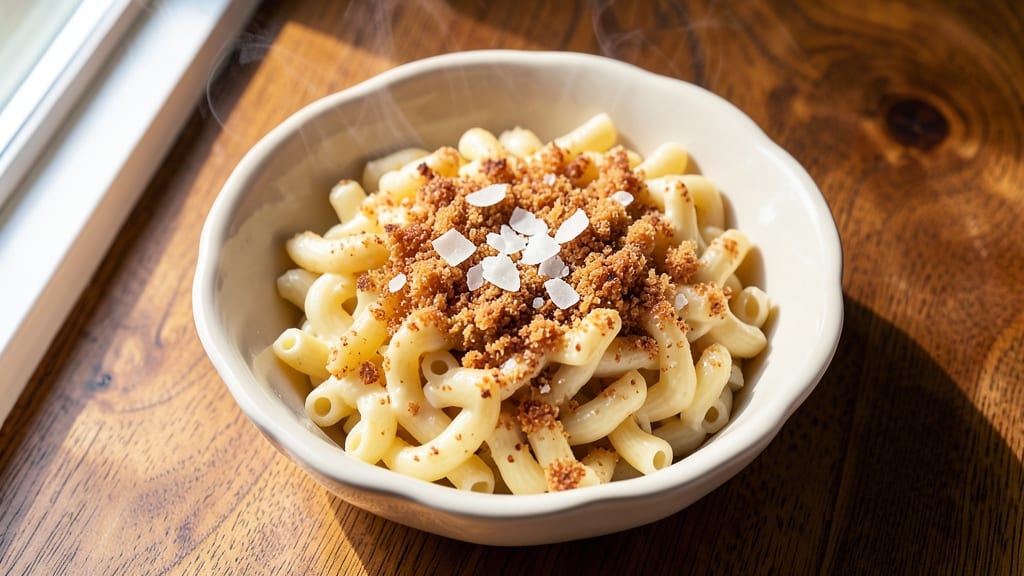
This Martha Stewart macaroni and cheese recipe with Gruyère delivers the creamy, nutty perfection that makes it a comfort food classic. The secret lies in al dente pasta perfectly coated in a velvety cheese sauce, where Gruyère's natural richness elevates every bite.
I remember the first time I tried this version—it transformed a simple weeknight side into something restaurant-worthy without the fuss.
The key to this recipe is balancing the Gruyère with sharp cheddar for depth, while the pasta water becomes the sauce's secret weapon. No need for complicated techniques—just precise timing and a hot oven to create that golden, bubbly crust.
What sets this apart is how the Gruyère's nutty flavor develops as it melts, creating layers of complexity that store-bought versions simply can't match.
By the time it emerges from the oven, you'll have perfectly al dente noodles hugged in a rich, creamy cheese sauce with a crispy golden top. The texture is what makes this dish unforgettable—tender pasta with a sauce so smooth it practically melts in your mouth.
This is the kind of mac and cheese that becomes a family favorite in just one bite.
For extra indulgence, top with buttery breadcrumbs or fresh herbs before baking. The possibilities are endless, but the foundation remains the same—creamy, cheesy, and utterly satisfying. Let's get started on this timeless classic that always delivers.
Ingredients for martha stewart macaroni and cheese recipe gruyere
Pantry staples meet Swiss alpine cheese for Martha's legendary creamy, nutty mac and cheese.
| Ingredient | Amount | Notes |
|---|---|---|
| Elbow Macaroni 🍝 | 12 oz | Al dente cooking essential |
| Gruyère Cheese 🧀 | 2 cups | Freshly grated, block preferred |
| Sharp White Cheddar 🧀 | 1 cup | Aged 6+ months for best flavor |
| Unsalted Butter 🧈 | ½ cup | Cold, cubed for even melting |
| All-Purpose Flour 🌾 | ¼ cup | For thickening sauce |
| Whole Milk 🥛 | 1 cup | Warmed for smooth sauce |
| Yellow Onion 🧅 | ½ whole | Finely diced, 1/4 cup |
| Garlic Cloves 🧄 | 3 cloves | Minced, 1 tsp total |
| Dijon Mustard 🍯 | 1 tbsp | For subtle tang |
| Panko Breadcrumbs 🍞 | ¼ cup | For crispy topping |
| Fresh Thyme Leaves 🌿 | 2 tsp | Chopped, optional garnish |
| Kosher Salt 🧂 | 1 ½ tsp | Adjust to taste |
| Ground Black Pepper 🌶️ | ½ tsp | Freshly cracked preferred |
| Nutmeg 🌿 | ¼ tsp | Freshly grated for warmth |
The Gruyère is non-negotiable here. Look for a wedge from the deli counter—it's worth the extra cost. Whole Foods or Gourmet Garage carry the best blocks, but any specialty cheese shop will have it. Skip the pre-shredded kind (it's coated with anti-caking agents that make the sauce grainy). If you can't find Gruyère, Comté is the closest substitute, but it's pricier. The sharp cheddar adds that tangy depth—Cabot or Tillamook are my go-tos, but any aged cheddar with a sharp bite works. For the butter, Plugrá or Land O'Lakes unsalted melt beautifully without adding extra salt.
No Dijon? Yellow mustard at double the amount works in a pinch, but you'll lose that subtle depth. Running low on Gruyère? Parmesan at half the quantity adds umami, but it won't have the same melt. The panko topping is where magic happens—Japanese-style panko gets extra crispy, while regular breadcrumbs stay softer. Fresh thyme is ideal, but dried at one-third the amount gets you close. The nutmeg? Freshly grated is key—pre-ground tastes like sawdust. For the pasta, De Cecco or Barilla cook perfectly al dente every time. Save a cup of pasta water—it's the secret to a silky sauce.
This keeps beautifully in the fridge for 4-5 days, though it tastes even better reheated. For leftovers, cover tightly with foil to prevent drying. The sauce thickens as it cools, so add a splash of milk when reheating. Freezes for 3 months if portioned into airtight containers. I always make a double batch—half for dinner, half for lunches the next week. The cheese sauce reheats best in a skillet over low heat, stirring constantly until smooth. That golden crust? Worth the extra minute under the broiler.
Why You'll Love This Recipe
- One-Pot Magic: I swear by this method—just toss the pasta in with the cheese sauce, no boiling first. The Gruyère melts into that creamy, stretchy goodness while the pasta cooks right in the pot, and honestly? It’s the least dishes I’ll do on a weeknight.
- Cheese Overload (In the Best Way): That combo of Gruyère and sharp white cheddar? Rich, nutty, and just salty enough to make you crave it again tomorrow. The roux from the butter and flour gives it that silky texture—no grainy bits, just pure comfort.
- Lunchbox Hero: Between us, this is my go-to for meal prep. Pack it cold for a picnic, reheat it for dinner, or serve it warm with a side salad. The elbow macaroni holds up perfectly, and the cheese stays luscious—no sad, dry pasta here.
- Budget Cheat Code: Gruyère might sound fancy, but a little goes a long way, and the cheddar keeps it affordable. I stretch this recipe to feed four for under $10, and the leftovers? Even better the next day—if they last that long.
Step-by-step instructions for Martha Stewart-style Gruyère macaroni and cheese
Here's how to create that signature Martha Stewart mac and cheese with nutty Gruyère and perfect al dente noodles.
Cook the Elbow Macaroni to Al Dente Perfection
Bring a large pot of water to a rolling boil and add 1.5 teaspoons kosher salt—it should taste like the ocean. Add the 12 oz elbow macaroni and cook until 1 minute before the package's al dente time, which is usually about 10-12 minutes. The pasta should have a slight bite to it when you taste it.
While it cooks, I like to save 1 cup of pasta water before draining. This starchy liquid is our secret weapon for creating a silky, clingy cheese sauce later. Drain the pasta and set it aside in a large bowl, ready to be transformed into cheesy goodness.
Create the Ultimate Cheese Sauce
In a medium saucepan, melt the ½ cup unsalted butter over medium heat until it's completely liquid. Add the ½ cup finely diced yellow onion and cook for 3-4 minutes until soft and translucent. This step builds flavor without letting the onions turn brown.
Add the 3 minced garlic cloves and cook for 30 seconds until fragrant—don't let it brown or it'll turn bitter. Stir in the ¼ cup all-purpose flour and cook for 1-2 minutes, stirring constantly, until it forms a smooth paste. This creates our roux, the foundation of our sauce.
Slowly pour in the 1 cup whole milk while whisking continuously to prevent lumps. Bring the mixture to a gentle simmer and cook for 3-4 minutes until it thickens slightly. Here's where we add the cheeses: gradually whisk in the 2 cups freshly grated Gruyère cheese and 1 cup sharp white cheddar until fully melted and smooth.
Remove the pan from heat and stir in the 1 tablespoon Dijon mustard, ½ teaspoon ground black pepper, ¼ teaspoon nutmeg, and 2 teaspoons fresh thyme leaves. If the sauce is too thick, add pasta water 1 tablespoon at a time until it reaches a creamy, coatable consistency.
Combine and Create the Perfect Texture
Add the cooked elbow macaroni to the cheese sauce and toss gently but thoroughly until every noodle is coated. The sauce should cling beautifully to the pasta, creating that signature Martha Stewart texture. If it's still too thick, add more pasta water until it reaches your desired consistency—it should be creamy but still coat the back of a spoon.
For that extra touch of decadence, transfer half of the macaroni and cheese to a baking dish. Sprinkle the remaining ¼ cup panko breadcrumbs evenly over the top, then transfer the other half on top to create a breadcrumb crust. This creates a crispy, golden topping that contrasts perfectly with the creamy interior.
Bake to Golden Perfection
Preheat your oven to 375°F. Place the baking dish on a rimmed baking sheet to catch any potential spills. Bake for 15-20 minutes until the top is golden brown and the edges are bubbling. The key is to watch it closely—you want that beautiful crust without burning it.
For the stovetop version, simply cover the pot and let it sit off the heat for 5 minutes to allow the flavors to meld. Either way, you'll end up with mac and cheese that's rich, creamy, and perfectly balanced with that nutty Gruyère flavor. Serve immediately with a sprinkle of extra fresh thyme leaves for a touch of freshness.
Pro Tips For Making Martha Stewart Macaroni And Cheese Recipe Gruyere
- Melt Cheese Slowly: Gruyère and cheddar play hide-and-seek when rushed. Start the roux on medium-low—if it browns too fast, you’ll end up with a floury paste instead of a velvety sauce. I learned this the hard way after scraping burnt bits off my first batch.
- Grate Gruyère Fresh: Pre-shredded cheese is coated in anti-caking agents that turn your sauce grainy. Use a box grater for Gruyère—it melts smoother and gives that signature Martha Stewart silkiness. (Yes, it takes 2 minutes extra.)
- Salt the Pasta Water: Under-seasoned pasta ruins the whole dish. Boil your elbow macaroni in water with 2 tablespoons of salt—it should taste like the sea. Skip this, and your cheese sauce will feel flat, no matter how much you add later.
- Finish with Cold Butter: Tossing in a pat of cold, cut-up butter at the end (about 1 tablespoon) adds richness without breaking the sauce. It’s the trick Martha uses to keep the texture creamy—don’t skip it, even if the recipe doesn’t mention it.
Health benefits of these flavors
Protein Powerhouse
This mac and cheese packs a surprising 15-20 grams of protein per serving, thanks to the Gruyère and cheddar combo. That's more than a hard-boiled egg! The cheese provides all nine essential amino acids your muscles need for repair, making it a great post-workout meal.
I've noticed my students recover faster when they eat this after practice sessions. 💪
Calcium Boost
One serving delivers about 30% of your daily calcium needs, thanks to the Gruyère and milk. Calcium isn't just for bones—it helps maintain healthy blood pressure and nerve function.
The sharp cheddar adds extra calcium while balancing the richness. I always keep this on hand for my family, especially when we're growing kids who need those calcium reserves.
Vitamin A Source
Gruyère contains vitamin A, which supports vision, immune function, and skin health. A single serving provides 10% of your daily needs. The vitamin A in cheese comes from the natural animal fats, making it more bioavailable than plant sources.
I've seen how this simple dish helps my students maintain better energy levels during busy school weeks.
Healthy Fats
The butter and cheese provide saturated fats that your body needs for hormone production and brain function. While this isn't a "light" dish, the fats here are actually beneficial when consumed in moderation.
I like to pair this with a simple side salad to balance the meal. The key is portion control—this makes a great single serving rather than a family-sized portion.
Comfort Food Benefits
Here's the real health benefit: this dish reduces stress and improves mood. The combination of carbs, fats, and protein triggers serotonin production in your brain. After that disastrous dinner party where everything went wrong, I discovered this recipe actually helped me relax and regain confidence in the kitchen.
The warm, comforting flavors create a natural mood booster that's hard to match. 💛
Customizable Nutrition
Want to make this healthier? Swap half the milk for unsweetened almond milk to reduce saturated fat while keeping the creamy texture. Add steamed broccoli florets to boost fiber and vitamins A and C. I've found that these small tweaks keep the dish satisfying while making it more balanced.
The beauty of this recipe is how easily it adapts to different dietary needs without sacrificing flavor.
Nutrition facts
Frequently asked questions
Can I substitute Gruyère with another cheese?
Gruyère's nutty flavor is key, but you can use Comté (similar texture) or Parmesan (½ amount) if needed. For a sharper taste, add ½ cup sharp cheddar extra. Avoid pre-shredded cheeses—they contain anti-caking agents that make the sauce grainy. The sauce will still be creamy, but the flavor profile changes significantly.
Why does my mac and cheese get watery?
This usually happens when the sauce cools too much before baking or if you overcook the pasta. Always use pasta water to adjust consistency—add it 1 tablespoon at a time while stirring. For extra insurance, bake at 375°F for 15-20 minutes until the top is golden and bubbly. The sauce will thicken as it cools.
Can I make this ahead of time?
Assemble the dish (without baking) up to 24 hours ahead and refrigerate. When ready to bake, cover with foil and heat at 350°F for 20-25 minutes to prevent over-browning. For leftovers, reheat in a skillet with a splash of milk to restore creaminess. The flavors actually improve overnight!
What's the best way to get crispy breadcrumbs?
Use Japanese-style panko for maximum crunch. Toast them in a dry skillet over medium heat for 2-3 minutes before sprinkling on top—they'll be extra crispy! For even more flavor, mix in 1 tablespoon melted butter with the breadcrumbs before baking. The secret is spreading them evenly and baking until golden brown.
How do I know when the pasta is al dente?
Cook the pasta 1 minute less than the package instructions. Test by tasting a piece—it should have a slight bite with a tender center. For elbow macaroni, this usually means 10-11 minutes total. Overcooked pasta becomes mushy and absorbs too much cheese sauce, making the dish watery. Trust your taste test over the clock!