
Main Courses
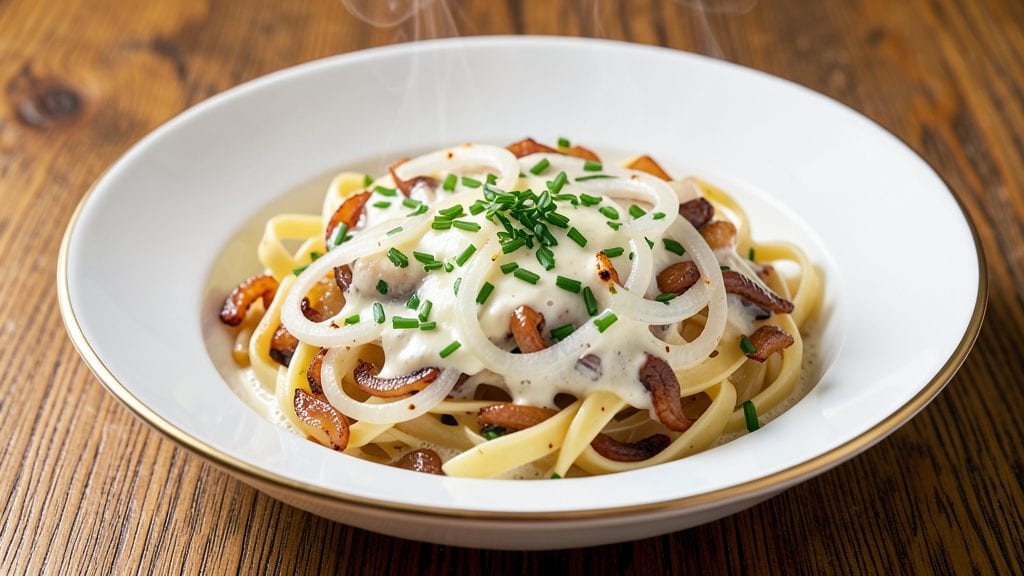
This chive and onion cream cheese pasta recipe transforms simple ingredients into a dish that feels both comforting and refined—creamy, herby, and perfectly balanced.
The secret lies in blending sharp white onions with bright chives, then folding them into a velvety cream cheese sauce that coats al dente noodles in every bite. I developed this recipe after craving something rich yet light, and it’s become a go-to for weeknight dinners that impress without fuss.
The beauty of this dish is its simplicity: just a handful of ingredients, 15 minutes of active prep, and a sauce that comes together effortlessly. The onions caramelize slightly as they sauté, adding depth, while the chives lend a fresh, grassy brightness that cuts through the creaminess.
It’s the kind of pasta that feels indulgent but stays light enough for lunch or a light dinner. For extra protein, toss in grilled chicken or shrimp—though the sauce alone makes the noodles irresistible.
What you’ll end up with is a plate of golden, herby swirls draped over perfectly cooked pasta, with a texture that’s creamy yet not heavy. The sauce clings to each noodle, delivering bursts of onion sweetness and chive freshness in every bite.
Garnish with extra chives and a crack of black pepper to elevate it further—this is the kind of dish that tastes even better the second time around.
Perfect for feeding a small crowd or meal prepping for the week, this recipe scales beautifully while keeping its elegant simplicity. Let’s get started—your taste buds will thank you.
Ingredients for chive and onion cream cheese pasta
Just twelve simple ingredients create this elegant, creamy pasta with bright herb swirls.
| Ingredient | Amount | Notes |
|---|---|---|
| Fettuccine Pasta 🍝 | 12 oz | Al dente preferred, dried or fresh |
| White Onions 🧅 | 1 whole | Thinly sliced, about 1 cup |
| Fresh Chives 🌿 | ½ cup | Finely chopped, stems included |
| Cream Cheese 🧈 | 8 oz | Full-fat, room temperature |
| Heavy Cream 🥛 | ½ cup | Whole milk works in pinch |
| Unsalted Butter 🧈 | 2 tbsp | European-style preferred |
| Garlic Cloves 🧄 | 2 cloves | Minced, one clove optional |
| Extra-Virgin Olive Oil 🫒 | 1 tbsp | For sautéing onions |
| Salt 🧂 | ½ tsp | Kosher or sea salt |
| Ground Black Pepper 🌶️ | ¼ tsp | Freshly ground preferred |
| Lemon Juice 🍋 | 1 tbsp | Freshly squeezed |
| Parmesan Cheese 🧀 | ¼ cup | Freshly grated, optional garnish |
The white onion is your flavor foundation—look for crisp, firm specimens with no bruising. Whole Foods or Trader Joe's carry the best quality, but any grocery store will do. Thinly slice it yourself for even cooking; pre-sliced tends to brown too fast. Fresh chives are non-negotiable here (dried just won't cut it), so grab a bunch from the produce section—you'll use half and save the rest for garnishes. The cream cheese should be full-fat, block form—neither low-fat nor tub versions work as well. For the pasta, De Cecco or Barilla are my go-tos, but any good-quality dried fettuccine will work.
No heavy cream? Full-fat Greek yogurt thinned with milk works surprisingly well. Short on chives? Substitute green onion tops at double the amount, but you'll lose some of that signature freshness. The butter can be swapped for olive oil if you prefer, though it'll have a slightly different flavor profile. For a lighter version, reduce the cream to 1/4 cup and add 1/4 cup milk instead. The lemon juice is key—it brightens the whole dish, so don't skip it. If you're making this ahead, hold off on adding the lemon until serving to prevent the sauce from curdling.
This sauce keeps beautifully—3-4 days refrigerated or 3 months frozen. For freezing, portion into airtight containers with a thin layer of olive oil on top to prevent drying. Reheat gently on the stove, adding a splash of milk or cream if it thickens too much. The pasta reheats best with a quick toss in a dry pan to revive its texture. Make a double batch—the leftovers make fantastic lunches, and the sauce freezes perfectly for future meals.
Why You'll Love This Recipe
- Five-Ingredient Magic: I swear by this combo—just onions, chives, cream cheese, heavy cream, and pasta. That’s it. No fancy techniques, no last-minute grocery runs. The onions caramelize while you boil water, and the chives add that fresh pop at the end. It’s the kind of recipe where you almost feel guilty for how little work went into something so good.
- Creamy Without the Drama: Honestly, the sauce is foolproof. You melt cream cheese into warm heavy cream, and boom—silky, tangy perfection. No lumps, no burning, no stress. The chives brighten it up so it doesn’t taste heavy, even though it’s basically a hug in a bowl. My kids ask for it more than any other pasta, and I haven’t even tried to make it fancy.
- Weeknight to Potluck: This dish works everywhere. Too tired for dinner? Toss it together in 20 minutes. Bringing something to a party? It’s always a hit—elegant enough for company but zero effort. I’ve even reheated leftovers the next day, and it still tastes like I slaved over it. (Between us, I usually do.)
- Leftovers That Don’t Suck: Most pasta gets sad when reheated. Not this one. The cream cheese keeps it rich, and the onions add sweetness that only gets better after sitting. I make a big batch on Sunday, portion it out, and grab it for lunches all week. Plus, it’s cheap—cream cheese stretches far, and onions are dirt cheap. My wallet and my taste buds win.
Step-by-step instructions for chive and onion cream cheese pasta
Here's how to create silky herb swirls that perfectly complement al dente noodles.
Cook the Fettuccine Pasta to Al Dente Perfection
Bring a large pot of water to a rolling boil and add 12 oz fettuccine pasta. Stir immediately to prevent sticking. Cook until 1 minute before the package's suggested time for al dente texture—this ensures it finishes cooking in the warm sauce without becoming mushy.
Reserve 1 cup of pasta water before draining, as this starchy liquid is essential for creating a smooth, clinging sauce. Drain the pasta and return it immediately to the pot, tossing with 1 tablespoon extra-virgin olive oil to prevent sticking while you prepare the sauce. The pasta should remain warm but not begin to dry out.
Sauté Onions and Garlic for Sweet Aromatics
In a large skillet, melt 2 tablespoons unsalted butter over medium heat. Add the 1 whole white onions, sliced thinly, and cook for 8-10 minutes until softened and beginning to caramelize at the edges. You'll see the onions transform from translucent to golden brown—this sweetness forms the flavor base.
Add the 2 cloves garlic cloves, minced, and cook for an additional 30 seconds until fragrant but not browned. Remove the skillet from heat and stir in 1 tablespoon lemon juice, which brightens the onions and balances the richness of the cream cheese sauce. Keep the mixture warm while you prepare the cream cheese base.
Create the Cream Cheese Sauce
Return the skillet to low heat and add the 8 oz cream cheese, stirring constantly with a wooden spoon or silicone spatula. The cream cheese should melt smoothly into the onions—if it begins to seize, add 1 tablespoon of the reserved pasta water at a time until fully incorporated. This creates a velvety texture without lumps.
Once the cream cheese is fully melted, stir in the 0.5 cup heavy cream and the 0.5 cup fresh chives, finely chopped. The sauce should thicken slightly but remain pourable. Season with 0.5 teaspoon salt and 0.25 teaspoon ground black pepper, then add the drained pasta directly to the skillet. Toss everything together until the pasta is fully coated in the sauce.
Finish with Parmesan and Serve Immediately
Remove the skillet from heat and stir in the 0.25 cup parmesan cheese, freshly grated, to add a sharp, salty contrast to the creamy sauce. Taste and adjust seasoning if needed—this is the moment to ensure perfect balance before serving. The sauce should cling beautifully to each strand of fettuccine, creating those signature herb swirls.
Serve immediately while the pasta is still warm, garnished with additional fresh chives if desired. Each bite should deliver a harmonious blend of sweet caramelized onions, bright lemon, creamy richness, and a peppery finish. This dish is best enjoyed fresh, as the sauce continues to thicken slightly as it cools.
Pro Tips For Making Chive And Onion Cream Cheese Pasta
- COOK ONIONS LOW AND SLOW: Cream cheese sauce hates raw onion flavor. Slice those white onions thin—1/8-inch or less—and cook them in butter over medium-low heat until translucent but not browned. I learned this the hard way: rushing them turns the sauce bitter, and nobody wants that. Let them sweat for 8-10 minutes, stirring occasionally, until they’re soft enough to disappear into the cream.
- CHOP CHIVES AT THE END: Fresh chives burn faster than you’d think. Instead of adding them to the simmering sauce, reserve a handful to fold in at the very last second—right before tossing with the pasta. This keeps their bright green color and sharp bite intact. (Pro move: save some extra for garnish if you’re feeling fancy.)
- TEMPER THE CREAM CHEESE: Cold cream cheese clumps like a stubborn guest who won’t leave. Warm the heavy cream first—just enough to steam slightly—then whisk in the softened cream cheese block until fully dissolved. No lumps, no scrambling. If you’re lazy (like me), cut the cream cheese into small cubes first—it melts faster and smoother.
- SALVAGE OVERCOOKED PASTA: Fettuccine turns mushy fast, but a splash of pasta water is your secret weapon. If your noodles look sad by the time the sauce is ready, reserve 1/4 cup of starchy water, toss it in with the sauce, and stir like you mean it. The starch thickens the sauce instantly and clings to the pasta, saving the dish. (Yes, even if you’re impatient like me.)
Troubleshooting this dish
Sauce Too Thick?
If your sauce thickens too much while cooking, remove the skillet from heat immediately. Thin it with 1-2 tablespoons of reserved pasta water, stirring gently until smooth. The starchy water mimics the effect of cream, restoring silky texture without diluting flavor.
I’ve found that low heat is key—never let the sauce boil, or the cream cheese will curdle. 🌡️
Grainy Cream Cheese?
Lumpy cream cheese happens when the sauce gets too hot too fast. To fix it, whisk in 1 tablespoon cold milk or cream while stirring vigorously with a silicone spatula.
For prevention, always use room-temperature cream cheese and melt it over low heat. If lumps persist, strain the sauce through a fine-mesh sieve for a velvety finish.
Onions Too Raw?
If your onions taste sharp or undercooked, they weren’t sautéed long enough. Next time, cook them for 10-12 minutes until golden brown and sweet. For a quick fix, add ½ teaspoon sugar to the pan with the onions to accelerate caramelization.
A splash of lemon juice afterward brightens their flavor—just don’t overdo it, or the sauce may curdle. 🍋
Pasta Too Dry?
Overcooked pasta soaks up sauce like a sponge. To revive it, toss the drained pasta with 1 tablespoon olive oil and a splash of pasta water before adding the sauce. If the pasta is already dry, reheat it in a dry skillet for 1-2 minutes to restore moisture.
For prevention, cook pasta just 1 minute less than package instructions and finish it in the sauce.
Sauce Separating?
This usually means the sauce got too hot or sat off the heat too long. To fix it, whisk in 1 tablespoon cold butter or cream cheese while stirring constantly. For prevention, keep the sauce at low heat and add the pasta immediately after melting the cream cheese.
If the sauce still separates, blend it briefly with an immersion blender for a smooth texture.
Flavor Too Mild?
If your dish lacks depth, boost the umami with ½ teaspoon fish sauce or soy sauce (trust me, it works!). For extra brightness, add 1 teaspoon Dijon mustard to the sauce.
If the chives are lacking, try 1 tablespoon chopped parsley or tarragon for a fresh twist. A pinch of smoked paprika adds warmth without overpowering the delicate flavors. 💡
Nutrition facts
Frequently asked questions
Can I substitute regular cheese for cream cheese in this recipe?
The creamy texture and richness of this dish depend on cream cheese—it melts smoothly and creates that signature velvety sauce. For a similar effect, try ricotta cheese mixed with a splash of heavy cream (50/50 ratio), but expect a slightly lighter texture. Never use cheddar or mozzarella, as they won't blend properly and may make the sauce grainy.
How do I make this pasta ahead of time for meal prep?
Cook the pasta and sauce separately, then store them in airtight containers in the fridge for 2-3 days. Reheat the sauce gently on the stove with a splash of milk or cream, then toss with the pasta. For freezing, portion the sauce into containers with a thin layer of olive oil on top—it reheats beautifully but may thicken slightly. Always reheat pasta in a dry skillet to restore texture.
What's the best pasta shape for this creamy sauce?
Fettuccine is ideal because its flat surface clings perfectly to the sauce, creating those signature swirls. For variety, try tagliatelle or pappardelle—both work well. Avoid small shapes like penne or rigatoni, as they trap sauce unevenly. If you're feeling adventurous, fresh egg noodles add a luxurious touch, but dried pasta delivers consistent results.
Can I make this dish vegetarian or vegan?
For a vegetarian version, skip the optional protein additions and use vegan cream cheese (like Kite Hill) plus coconut cream instead of heavy cream. For vegan, replace all dairy with cashew cream (blended soaked cashews + water) and ensure your butter is plant-based. The flavor will be lighter but still delicious—just add extra lemon juice for brightness.
Why does my sauce sometimes separate or curdle?
This happens when the sauce gets too hot or sits off the heat too long. Always melt cream cheese over low heat and never let it boil. If separation occurs, whisk in 1 tablespoon cold butter or cream cheese while stirring constantly. For prevention, add the pasta immediately after melting the cream cheese and keep everything at a gentle simmer.