
Desserts
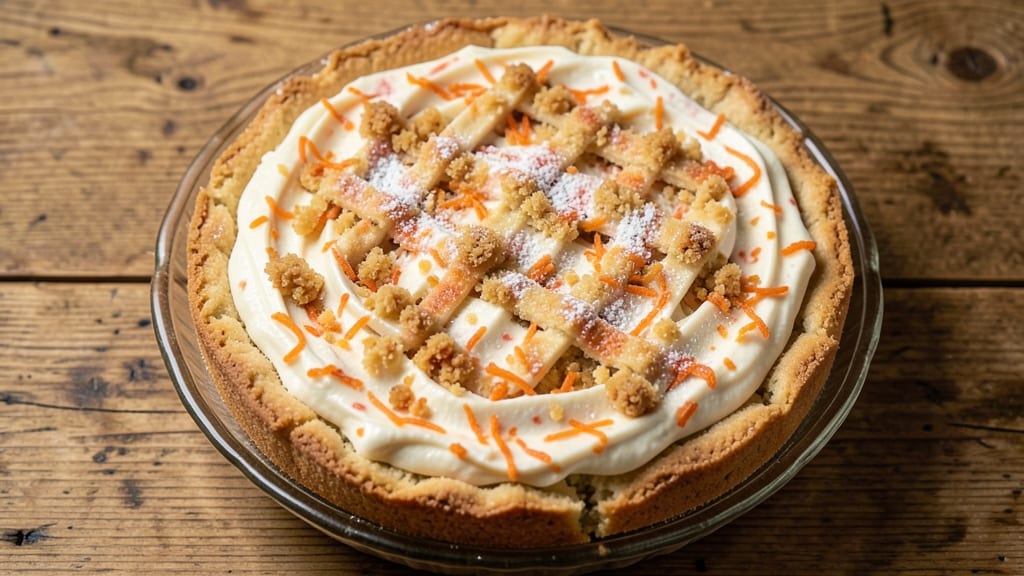
This cottage cheese carrot cake recipe delivers all the moist, spiced layers you love—with a secret ingredient that makes it lighter and more tender. The cottage cheese replaces some of the oil while adding protein, creating a cake that stays wonderfully dense without being heavy.
I developed this version after testing dozens of recipes, and the difference in texture is noticeable from the first bite.
The beauty of this recipe lies in its simplicity: no special techniques, just precise measurements and a few key steps. You'll mix the dry ingredients separately, then fold in the cottage cheese and grated carrots for even distribution.
The baking powder and baking soda work together to create that signature carrot cake rise, while the warm spices—cinnamon, nutmeg, and ginger—add depth without overpowering.
What you'll end up with is a cake that's perfectly moist in the center, lightly spiced throughout, and topped with a creamy frosting that complements rather than overpowers. The carrots add natural sweetness and moisture, while the cottage cheese keeps the texture tender even days after baking.
This is the kind of cake that disappears quickly at gatherings, but never leaves you feeling overly indulgent.
For best results, let the cake cool completely before frosting to prevent a soggy top. Serve with a dollop of whipped cream or a sprinkle of toasted walnuts for added crunch.
The flavor improves with time, making it ideal for meal prep or special occasions when you want something delicious yet balanced.
Ingredients for cottage cheese carrot cake
Fourteen simple ingredients transform into a cake that's moist, tender, and secretly veggie-packed.
| Ingredient | Amount | Notes |
|---|---|---|
| Large Eggs 🥚 | 2 whole | Room temperature preferred |
| Small Cottage Cheese 🧀 | 16 oz | Full-fat for creaminess |
| Granulated Sugar 🍚 | 1 ½ cups | White or light brown |
| Vegetable Oil 🫒 | ½ cup | Light or canola |
| All-Purpose Flour 🌾 | 2 cups | Sifted for lightness |
| Baking Powder 🍃 | 2 tsp | Metal canister preferred |
| Baking Soda 🍃 | ½ tsp | Freshly opened |
| Ground Cinnamon 🌶️ | 2 tsp | Freshly ground preferred |
| Ground Nutmeg 🌶️ | ½ tsp | Freshly grated |
| Ground Ginger 🌶️ | 1 tsp | Freshly grated |
| Salt 🧂 | ½ tsp | Kosher or sea salt |
| Medium Carrots 🥕 | 3 cups | Grated, organic preferred |
| Vanilla Extract 🌿 | 1 tbsp | Pure alcohol-free |
| Unsalted Butter 🧈 | ½ cup | Cold, cubed |
| Powdered Sugar 🍚 | 2 cups | For frosting |
| Heavy Whipping Cream 🥛 | ½ cup | Cold for whipping |
The cottage cheese is the game-changer here—full-fat gives the best texture, but low-fat works in a pinch. Trader Joe's and Whole Foods carry the best quality, but any 16-ounce tub from the dairy section will do. The carrots? Organic baby carrots are easiest to grate, but regular ones work too. Just peel them first. For the spices, Penzeys or bulk bins at natural food stores have the freshest ground cinnamon and nutmeg—those pre-ground spices from the spice aisle can taste stale. The vanilla extract should be pure, nothing with alcohol fillers.
No cottage cheese? Plain Greek yogurt at half the amount gets you close, though texture won't be identical. Short on powdered sugar for the frosting? Granulated sugar blended into a fine powder works, but it won't be as smooth. The baking powder and soda need to be fresh—if your baking powder doesn't fizz in vinegar, toss it. For the frosting, Whipped Cool Whip is a lazy but delicious shortcut. The carrots can be baby carrots if that's what's in the fridge—just grate them finely. No vanilla? Vanilla bean paste adds extra richness.
This cake keeps beautifully—3 days at room temperature covered, 1 week in the fridge, or 3 months frozen. Wrap tightly in plastic wrap and foil for freezing. The frosting? Make it a day ahead—it thickens nicely. I always bake two 9-inch rounds for gatherings. The flavor actually improves overnight, so leftovers are a bonus. Store in an airtight container between layers of parchment paper to keep it moist.
Why You'll Love This Recipe
- No Mixer Needed: I swear by this recipe when my mixer’s on the fritz—just whisk the eggs, fold in the cottage cheese, and let the batter do the rest. The cottage cheese keeps it light without overworking it, and honestly? My arms thank me every time.
- Moist Without the Glue: That creamy cottage cheese swap is the real MVP—no dry crumbs here. The sugar caramelizes just enough to give it that subtle sweetness, while the oil keeps it tender for days. (Yes, even on day three, it’s still good.)
- Breakfast or Dessert: Between us, I’ve served this for brunch with a sprinkle of cinnamon and for after-dinner treats with a drizzle of honey. The eggs and flour make it sturdy enough to hold up to both, but the carrot’s natural sweetness keeps it flexible.
- Pantry Stash Winner: I’ve made this with whatever sugar and oil I had lying around—no fancy substitutions needed. And because it’s not overly sweet, a single slice feels like a treat, not a splurge. Leftovers? Cut into muffins.
Step-by-step instructions for cottage cheese carrot cake
This method delivers perfectly moist layers with a tender crumb—no dry cake here.
Prep the Carrots and Mix Wet Ingredients
Start by grating the 3 cups of medium carrots using a box grater or food processor. You want them finely shredded—almost like wet sand—so they distribute evenly throughout the batter. Set aside in a bowl.
In a large mixing bowl, whisk together the 2 whole large eggs and 1.5 cups of granulated sugar until fully combined. The mixture should look pale and slightly thickened. Add the 0.5 cup of vegetable oil and mix until smooth. Here's the thing—don't overmix at this stage. You're just combining, not aerating.
Next, stir in the 16 oz of small cottage cheese until completely blended. This is the secret to that signature moist texture. The cottage cheese adds protein and fat that keeps the cake tender even after baking. Add the 1 tablespoon of vanilla extract and mix until just combined. The batter should be thick but pourable.
Combine Dry Ingredients and Fold in Carrots
In a separate bowl, sift together the 2 cups of all-purpose flour, 2 teaspoons of baking powder, 0.5 teaspoon of baking soda, 2 teaspoons of ground cinnamon, 0.5 teaspoon of ground nutmeg, 1 teaspoon of ground ginger, and 0.5 teaspoon of salt. This ensures even distribution of leavening agents and prevents lumps in your cake.
Gradually add the dry ingredients to the wet mixture, stirring gently with a spatula just until combined. You'll notice the batter thicken slightly as the flour absorbs the liquid. Now fold in the grated carrots using a gentle folding motion—this keeps the carrots evenly distributed without overmixing the batter.
This is where the magic happens: the carrots will release moisture as they bake, creating that signature moist texture. The cottage cheese and grated carrots together ensure your cake stays tender rather than dry. The batter should be thick but still spreadable—if it looks too stiff, don't worry, it will come together as you bake.
Bake in Layers for Maximum Moisture
Preheat your oven to 350°F. Grease two 8-inch round cake pans and line the bottoms with parchment paper. Divide the batter evenly between the pans, spreading it out to create even layers. The reason we use round pans here is that they distribute heat more evenly, which helps maintain that moist texture throughout.
Bake for 25-30 minutes, or until a toothpick inserted into the center comes out clean. You'll know it's done when the edges are lightly golden and the top springs back when touched gently. Here's the crucial part: don't overbake. The cake will continue cooking slightly as it cools, and overbaking leads to dryness.
Let the cakes cool in the pans for 10 minutes, then transfer to a wire rack to cool completely. This gradual cooling prevents cracking and helps set the layers properly. While they cool, you can prepare the frosting—this keeps everything moving smoothly and prevents the cakes from getting soggy.
Make the Cream Cheese Frosting
In a medium bowl, beat the 0.5 cup of cold unsalted butter and 0.5 cup of heavy whipping cream together until light and fluffy. This should take about 2-3 minutes with an electric mixer. The butter should be completely creamed and pale in color—this is your base for the frosting.
Gradually add the 2 cups of powdered sugar, mixing on low speed until combined. Then increase the speed to medium and beat for another 2-3 minutes until the frosting is smooth and holds soft peaks. Here's what I do next: add a splash of milk (about 1 tablespoon) if the frosting is too thick to spread easily. The frosting should be thick enough to hold its shape but still spreadable.
This frosting is what ties the whole cake together. The butter and cream create a rich, velvety texture that contrasts beautifully with the moist carrot cake layers. The powdered sugar gives it that classic sweetness without overpowering the spiced carrot flavor.
Assemble and Chill for Perfect Texture
Once your cakes are completely cool, place one layer on a serving plate. Spread a generous layer of the cream cheese frosting on top, then place the second cake layer on top. This is where patience pays off—don't rush the assembly. Spread the remaining frosting evenly over the top and sides of the cake, creating a smooth finish.
Here's the final secret: chill the cake in the refrigerator for at least 1 hour before serving. This allows the frosting to set properly and prevents the layers from getting soggy. The cake will be at its best texture after chilling—moist layers with a perfectly smooth frosting that holds its shape.
Slice and serve. Each bite should deliver that signature moist crumb with bursts of carrot flavor and a creamy frosting finish. The combination of cottage cheese and grated carrots ensures this cake stays moist for hours, making it perfect for meal prep or special occasions.
Pro Tips For Making Cottage Cheese Carrot Cake
- BLEND COTTAGE CHEESE SMOOTH: Mix the cottage cheese until it’s completely smooth—no lumps—before adding it to the batter. I learned this the hard way after pulling out a dense, uneven cake with cottage cheese chunks still visible. A quick pulse in the blender or vigorous whisking makes all the difference.
- USE ROOM-TEMP INGREDIENTS: Let eggs and cottage cheese sit out for 30 minutes before mixing. Cold ingredients make the batter thicken unevenly, and you’ll end up guessing how much extra liquid to add. Trust me, your cake will be lighter and more consistent if everything starts at the same temperature.
- DON’T OVERMIX THE BATTER: Stop folding in the flour as soon as it’s just combined—no streaks, but no overworking either. I used to beat this like I was punishing the batter, and it always turned out tough. A gentle spatula and a few swirls are all you need.
- BAKE UNTIL TOOTHPICK COMES OUT CLEAN: Check for doneness at 10 minutes before the recipe’s suggested time—this cake can dry out fast. Insert a toothpick in the center; if it comes out with a few moist crumbs but no wet batter, it’s done. Overbaking turns it into a sponge, not a cake.
Regional styles of this cottage cheese carrot cake
Southern Comfort Style
In the South, carrot cake often gets a cozy, spiced twist with extra warmth from 1 teaspoon of freshly grated orange zest mixed into the batter.
I like adding ½ cup of chopped pecans to the batter for crunch, then topping with a pecan streusel made from ½ cup flour, ¼ cup brown sugar, ¼ cup melted butter, and 1 teaspoon cinnamon.
Bake the streusel on top for the last 10 minutes of the cake’s baking time. 🌶️
German Apple-Carrot Twist
German bakers often blend ½ cup of finely diced apples with the grated carrots for a subtle tartness. Use 1 teaspoon of cardamom alongside the cinnamon for a fragrant twist.
Top with a cream cheese glaze made from ½ cup powdered sugar, 2 tablespoons lemon juice, and 1 tablespoon heavy cream. This variation keeps the cake moist while adding a bright, almost Scandinavian-inspired balance. 🍏
Middle Eastern Walnut-Cardamom
For a Middle Eastern-inspired version, swap the pecans for ½ cup toasted walnuts and add 1 teaspoon ground cardamom to the spice mix. Replace half the cottage cheese with ½ cup plain Greek yogurt for a tangier flavor.
Top with a pistachio glaze—mix ½ cup powdered sugar with 2 tablespoons water and 1 tablespoon crushed pistachios—for a nutty, aromatic finish. 🌿
Scandinavian Dill & Honey
In Scandinavian baking, 1 tablespoon fresh dill (finely chopped) is folded into the batter alongside the carrots, and 2 tablespoons honey replace 2 tablespoons of sugar in the wet ingredients.
The frosting becomes a dill-infused cream cheese glaze—mix ½ cup powdered sugar with 2 tablespoons heavy cream, 1 tablespoon honey, and 1 teaspoon chopped dill. This version is lighter, with a delicate herbal note that pairs beautifully with the carrots. 🌸
Mexican Cinnamon-Orange
For a Mexican-inspired carrot cake, add 1 teaspoon of chili powder and ½ teaspoon of cumin to the spice mix, along with 1 tablespoon of fresh orange juice in place of vanilla.
Top with a cajeta (goat’s milk caramel) drizzle—heat ¼ cup cajeta with 1 tablespoon heavy cream and brush over the cooled cake. Garnish with crushed horchata spices (cinnamon + vanilla) for a festive touch. 🌶️
Japanese Matcha Carrot
Swap the cinnamon for 1 tablespoon of high-quality matcha powder (sifted into the dry ingredients) and reduce the nutmeg to ¼ teaspoon. Use 1 tablespoon of sake instead of vanilla extract in the wet ingredients.
The frosting becomes a white chocolate matcha glaze—melt ½ cup white chocolate with ¼ cup heavy cream, then whisk in 1 tablespoon powdered sugar and ½ teaspoon matcha. This version is earthy, vibrant, and perfect for tea lovers. 🍵
Nutrition facts
Frequently asked questions
Why does cottage cheese make this carrot cake so moist?
The cottage cheese adds fat and protein that keep the cake tender while replacing some of the oil. When baked, it releases moisture that combines with the grated carrots to create that signature moist texture—no dry crumb here! The protein also helps the cake hold its shape while staying light.
Can I make this cake without cottage cheese?
Yes, but the texture will differ. Replace the cottage cheese with 1 cup of plain Greek yogurt (full-fat for best results) or ½ cup of sour cream. For a vegan option, use 1 cup of unsweetened applesauce plus ½ cup of almond milk. The cake will still be delicious, just slightly less rich.
How do I store leftover carrot cake?
Wrap the cake tightly in plastic wrap and store at room temperature for up to 3 days. For longer storage, refrigerate for 1 week or freeze for 3 months. To reheat, slice and microwave for 10-15 seconds. The frosting may soften slightly when chilled, but it will firm up again at room temperature.
Can I bake this cake in a different pan size?
Yes, but adjust the baking time. For a 9-inch round pan, bake for 30-35 minutes. For a 9x13-inch pan, bake for 35-40 minutes at 350°F. Use a toothpick test to check doneness—it should come out clean. Always grease your pan well and line with parchment for easy removal.
What's the best way to make the frosting extra creamy?
Chill your mixing bowl and beaters for 10 minutes before whipping. Use cold butter and heavy whipping cream straight from the fridge. If the frosting is too thick, add 1 tablespoon of milk at a time. For extra richness, replace ¼ cup of powdered sugar with ¼ cup of cream cheese (whipped smooth). The frosting should be fluffy and hold its shape when piped.