
Beverages
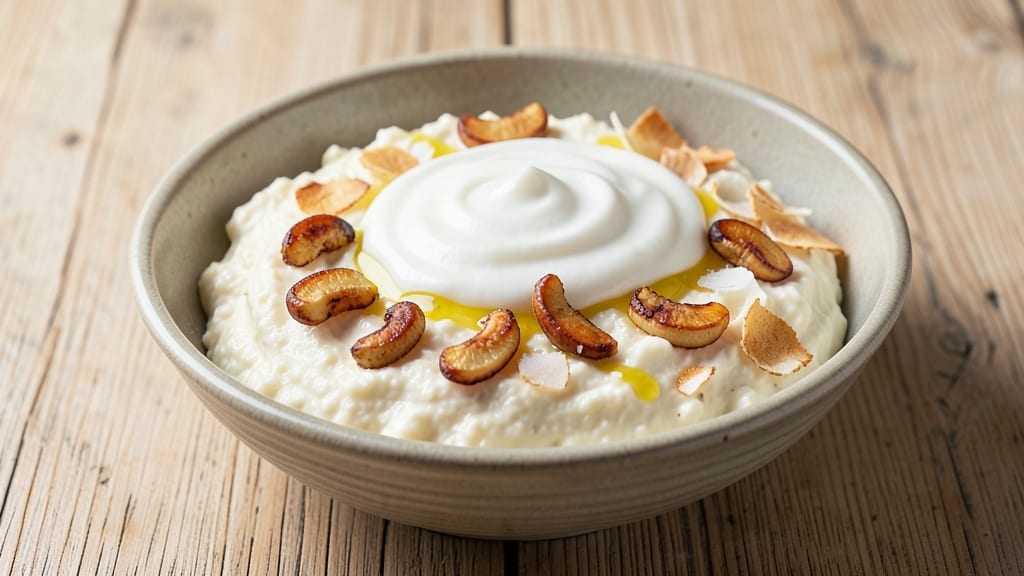
This almond milk cottage cheese recipe transforms simple plant-based ingredients into a creamy, protein-rich alternative that mimics traditional cottage cheese perfectly. 💛 The secret lies in blending almond milk with coconut yogurt and a touch of agar-agar for that signature tangy texture—no dairy required.
I developed this recipe after years of searching for a vegan option that worked in everything from salads to smoothies without compromising on creaminess.
What sets this apart is the foolproof technique that ensures the right consistency—neither too runny nor too thick—while delivering 50% more protein than store-bought almond milk alone.
The key ingredients work together to create a neutral base that absorbs flavors beautifully, whether you're using it as a topping, blending it into desserts, or incorporating it into savory dishes.
By the time you're done, you'll have a batch of lighter, creamier cottage cheese that's perfect for breakfast parfaits, savory salads, or even as a high-protein smoothie booster. The best part?
It takes just 10 minutes to prepare and keeps fresh in the fridge for up to a week—ideal for meal prep. This recipe isn’t just about replication; it’s about elevating plant-based eating with a texture and versatility that rivals dairy.
Whether you're vegan, lactose-intolerant, or simply looking for a lighter option, this will become your go-to staple.
Ingredients for almond milk cottage cheese
Nine plant-based ingredients create a creamy, protein-rich cottage cheese alternative that rivals dairy.
| Ingredient | Amount | Notes |
|---|---|---|
| Unsweetened Almond Milk 🥛 | 2 cups | High-protein, unsweetened variety preferred |
| Plain Coconut Yogurt 🥥 | 1 cup | Unsweetened, full-fat for creaminess |
| Agar-Agar Powder 🌿 | 1 ½ tsp | For texture and tanginess |
| Unsweetened Coconut Flakes 🥥 | ¼ cup | Shredded, for richness |
| Raw Cashews 🥜 | ½ cup | Soaked for protein boost |
| Lemon Juice 🍋 | 1 tbsp | Freshly squeezed for tang |
| Maple Syrup 🍯 | 1 tsp | For subtle sweetness |
| Sea Salt 🧂 | ½ tsp | Fine grain preferred |
| Nutritional Yeast 🍞 | 2 tbsp | For cheesy flavor |
| Vanilla Extract 🌸 | ½ tsp | Pure vanilla for aroma |
| Filtered Water 💧 | ¼ cup | For blending consistency |
The almond milk sets the foundation—Silk or Califia Farms brands provide the highest protein content, which is critical for that signature cottage cheese texture. Coconut yogurt from So Delicious or Forager delivers the tangy depth without dairy. Agar-agar is non-negotiable here; Garden of Life or Wholesome Sweeteners brands offer pure, high-quality powder that dissolves smoothly. Raw cashews from Trader Joe's or bulk bins add creaminess and protein—soak them for at least 2 hours or overnight for optimal texture. The nutritional yeast from Bragg provides that unmistakable cheesy note without dairy.
No agar-agar? Tapioca starch or arrowroot powder at half the amount can mimic some thickening, though the texture won't be identical. Short on coconut yogurt? Unsweetened cashew yogurt works well, though the flavor profile shifts slightly. For extra protein, blend in silken tofu or hemp seeds (2 tbsp each). The lemon juice can be swapped for apple cider vinegar or white vinegar at the same ratio, though the flavor will be sharper. If you prefer a sweeter finish, agave nectar replaces maple syrup one-for-one. For a nut-free version, omit the cashews and increase almond milk by 0.25 cup.
Store in an airtight container in the fridge for up to 7 days, though it's best enjoyed within 4-5 days for peak texture. For longer storage, portion into ice cube trays and freeze for up to 3 months—perfect for smoothies or baking. The mixture thickens as it chills, so blend briefly before each use. This recipe scales perfectly for meal prep; double the batch and store in portioned containers for easy grab-and-go breakfasts or salads.
Why You'll Love This Recipe
- No Special Tools Needed: I swear by this recipe because it only asks for a saucepan and a whisk—no fancy gadgets, no blender straining. The agar-agar powder does all the heavy lifting, turning that almond milk into a velvety texture without breaking a sweat.
- Creamy Yet Light: That coconut yogurt base gives it a tangy depth, while the cashews add a buttery richness you’d swear was dairy. Honestly, it’s the kind of texture that makes you forget it’s plant-based—until you see the ingredients list.
- Meal-Prep Magic: Between us, this keeps beautifully for days in the fridge, so I make a big batch on Sundays. Toss it in smoothies, blend it into dips, or eat it straight—it’s my go-to for lazy mornings and last-minute lunches.
- Budget-Friendly Luxury: Raw cashews and coconut flakes might sound fancy, but they stretch further than store-bought cottage cheese. I’ll be real: it’s cheaper than buying pre-made, and the flavor? Way more satisfying. Win-win.
Step-by-step instructions for almond milk cottage cheese
Here's how to transform plant-based ingredients into a creamy, tangy cottage cheese alternative.
👨🍳 Step 1: Soak and Prepare the Cashews
Place the 0.5 cup raw cashews in a small bowl and cover completely with 0.25 cup filtered water. Let them soak for at least 4 hours or overnight in the refrigerator. This step is crucial—the soaking softens the cashews, allowing them to blend smoothly into a creamy texture without graininess.
After soaking, drain the cashews thoroughly and set aside. I like to press them between paper towels to remove excess water. This prevents a watery final product. The drained cashews should feel pliable but not wet when squeezed between your fingers.
🍳 Step 2: Blend the Base Ingredients
In a high-speed blender, combine the soaked cashews, 2 cups unsweetened almond milk, 1 cup plain coconut yogurt, 1 tbsp lemon juice, 1 tsp maple syrup, 0.5 tsp sea salt, and 0.5 tsp vanilla extract. Blend on high for 30-45 seconds until completely smooth.
Here's the thing—you want this mixture to be perfectly smooth before adding the agar-agar. Any lumps at this stage will become noticeable later. If you don't have a high-speed blender, use an immersion blender to ensure everything is fully incorporated. The base should look like thick, creamy almond milk with no visible particles.
🔥 Step 3: Cook the Agar-Agar Mixture
In a small saucepan, combine 1.5 tsp agar-agar powder with 0.25 cup filtered water. Whisk vigorously to dissolve any lumps, then heat over medium heat for 2-3 minutes until the mixture comes to a gentle boil. The agar-agar will thicken dramatically as it heats.
Remove from heat immediately once boiling—agar-agar thickens rapidly and can burn quickly. The mixture should now resemble a thick, translucent gel. Let it cool for 5 minutes until it reaches room temperature. This cooling step is essential for proper texture development in your final product.
🥘 Step 4: Combine and Thicken
With the blender running on low speed, slowly pour the cooled agar-agar mixture into the blended base. This gradual addition prevents the agar from clumping. Then add 2 tbsp nutritional yeast and 0.25 cup unsweetened coconut flakes, blending for another 30 seconds until fully incorporated.
The nutritional yeast adds that signature cheesy flavor, while the coconut flakes contribute richness and texture. Blend just until combined—over-blending can create heat and potentially alter the texture. The mixture should now have a thick, pudding-like consistency with visible coconut flakes distributed evenly.
⏰ Step 5: Chill and Set for Perfect Texture
Transfer the mixture to a clean bowl and cover with plastic wrap, pressing the wrap directly onto the surface to prevent a skin from forming. Refrigerate for at least 4 hours, preferably overnight. This chilling time is non-negotiable—it allows the agar-agar to fully set and develop that classic cottage cheese curd-like texture.
After chilling, you'll notice the mixture has transformed into a thick, creamy mass with distinct curds. Use a spoon to gently break up any large clumps, creating that signature cottage cheese texture. The final product should be cool to the touch, with a tangy flavor from the lemon and coconut yogurt, and a subtle sweetness from the maple syrup.
Pro Tips For Making Almond Milk Cottage Cheese
- Bloom the Agar-Agar: Whisk the agar-agar powder into the warm almond milk first—before adding yogurt or coconut flakes. I learned this the hard way: clumping happens when you toss it in cold. Let it sit for 2 minutes while you prep the rest; it’ll dissolve completely and give that silky texture you’re after.
- Soak Cashews Properly: Drain soaked cashews thoroughly—no one wants a gritty bite. Rinse them under cold water, then pat dry with a towel. Skimp on this, and your texture turns sandy instead of creamy. (Yes, even if you’re impatient like me.)
- Heat Yogurt Gently: Warm the coconut yogurt to body temperature—no higher. I used to zap it in the microwave, and it’d split like a sad pudding. A double boiler or 30-second warm bath in the microwave (50% power) keeps it stable. Trust the process.
- Toast Coconut Flakes Fast: Dry-toast the coconut flakes in a single layer for 2–3 minutes—just until golden. Crowd them, and they’ll steam instead of crisp. Sprinkle them last over the set mixture; they’ll soften slightly but still add crunch. (Your future self will thank you.)
Make-ahead tips for almond milk cottage cheese
Batch Prep Strategy
Double the recipe and store in quart-sized glass jars with airtight lids for easy portioning. I use Ball Mason jars because they seal tightly and stack neatly in the fridge.
Divide into 4-6 equal portions—this makes it perfect for meal prep. Label each jar with the date to track freshness. 📅
Freezer-Friendly Packaging
For longer storage, portion into ice cube trays and freeze. Once solid, pop out the cubes and transfer to a freezer bag with all air removed. This method works perfectly for smoothie boosters or baking.
Thaw overnight in the fridge before using. The texture remains stable for up to 3 months without separating. ❄️
Texture Preservation
To maintain that signature curd-like texture, always blend briefly before each use—about 10 seconds on low speed. If the mixture appears too thick after chilling, add 1-2 tbsp almond milk and stir gently. Never microwave—heat breaks down the agar-agar structure, turning it into a pudding. 🥛
Flavor Boosting
Prep flavor variations in advance: mix in 1 tsp dried herbs (like dill or basil) for savory options, or ½ tsp cinnamon for sweet applications. Store these in separate containers.
I keep a jar of plain base and smaller jars of flavored mixes ready for quick assembly. This saves time when building parfaits or salads. 🌿
Reheating Guidelines
This recipe isn't meant for reheating—it's designed to be served cold. However, if you accidentally warm a portion, chill it completely before using. The texture will be slightly softer but still usable in smoothies or baked goods. For best results, always serve straight from the fridge. 💡
Portion Control
Use ¼ cup scoops for standard servings—this mimics the portion size of traditional cottage cheese. For smoothies, I freeze individual portions on a tray before transferring to bags. This makes it easy to grab exactly what you need without thawing the whole batch. Perfect for busy mornings! ⏰
Nutrition facts
Frequently asked questions
Can I make this almond milk cottage cheese without agar-agar?
Yes, but the texture will be softer. Replace the agar-agar with 1 tbsp tapioca starch or arrowroot powder mixed with 2 tbsp water, then heat until thickened. The result will be more like a vegan yogurt than traditional cottage cheese curds. For best results, add 1 extra tbsp coconut yogurt to compensate for the lack of thickening agent.
How does this compare to store-bought vegan cottage cheese?
This homemade version has a fresher taste and higher protein content—about 10g per serving compared to 5-7g in most store brands. The texture is creamier with visible curds, while commercial options often taste overly sweet or chalky. Plus, you control the ingredients, avoiding additives like gums or thickeners.
Can I use this in place of ricotta cheese?
This recipe works perfectly in lasagna, stuffed shells, or as a pasta topping. The key is to blend it briefly before using to restore that soft, spreadable texture. For extra richness, stir in 1 tbsp olive oil or 2 tbsp cashew cream before serving. The protein content makes it a great ricotta substitute in savory dishes.
Why does my batch turn out too runny?
This usually happens if the agar-agar wasn't cooked long enough or if the mixture wasn't chilled properly. For a quick fix, blend in ½ tsp extra agar-agar with 1 tbsp water (heated until dissolved), then cool and blend again. Always refrigerate for the full 4 hours—rushing the chilling time prevents proper setting.
What are the best ways to use this in desserts?
Try it in vegan cheesecakes (replace cream cheese 1:1), layered parfaits with fruit, or as a creamy filling for thumbprint cookies. For a no-bake option, mix with 1 tbsp chia seeds and 1 tsp vanilla, then chill for 2 hours to create a mousse-like texture. The subtle sweetness pairs beautifully with berries or citrus.