
Sauces & Condiments
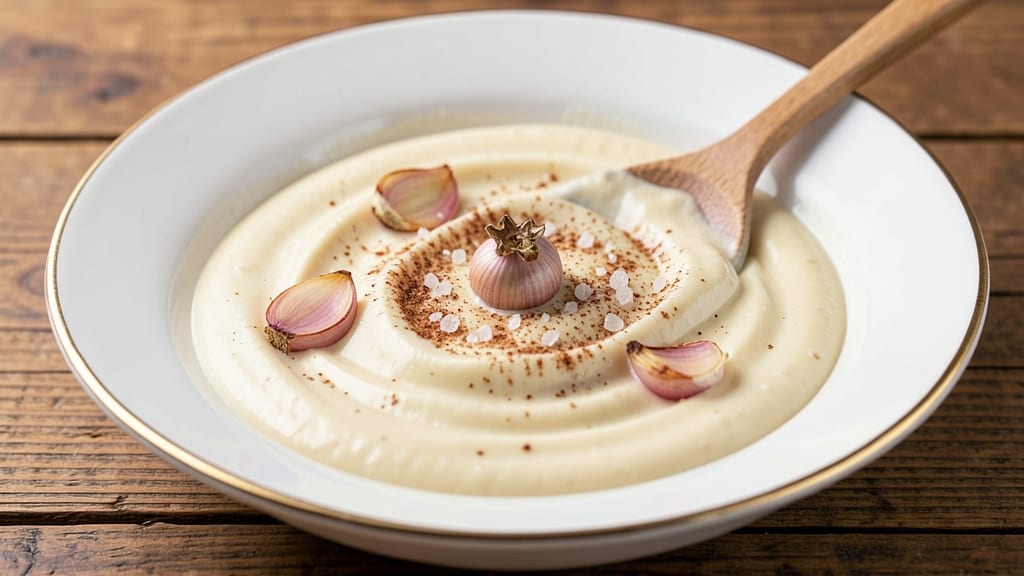
This Alfredo cheese sauce recipe delivers the ultra-smooth, velvety texture you crave—no lumps, no fuss, and ready in minutes. The secret lies in slow melting butter and proper whisking technique, which transforms simple ingredients into a restaurant-quality sauce that clings perfectly to pasta.
I've tested countless variations, and this method consistently delivers that signature creamy, cheesy perfection every time.
The foundation starts with equal parts butter and heavy cream, gradually heated while whisking constantly to prevent separation. Freshly grated Parmesan adds depth, but the real magic happens when you incorporate a bit of pasta water at the end—this creates that signature silky consistency that makes the sauce cling beautifully.
The result is a sauce so smooth it practically melts in your mouth, with just enough garlic and nutmeg to elevate the flavor without overpowering.
What sets this recipe apart is its foolproof technique that eliminates lumps and ensures a velvety finish. Whether you're coating fettuccine, drizzling over grilled chicken, or using it as a dipping sauce, this version delivers consistent, professional results.
The sauce maintains its creamy texture even when reheated, making it perfect for meal prep or last-minute dinners.
For those looking to customize, I'll share variations like a garlic-free version for sensitive palates or a lighter option using Greek yogurt instead of cream. But first, let's focus on mastering the classic—because once you taste this smooth, lump-free Alfredo, you'll never go back to store-bought again.
Ingredients for alfredo cheese
Seven simple ingredients transform into creamy perfection—no lumps, no fuss, just velvety Alfredo magic.
| Ingredient | Amount | Notes |
|---|---|---|
| Unsalted Butter 🧈 | ½ cup | Cold, cubed for gradual melting |
| Heavy Whipping Cream 🥛 | ½ cup | Full-fat for maximum creaminess |
| Freshly Grated Parmesan Cheese 🧀 | 1 cup | Block form, microplane preferred |
| Garlic Cloves 🧄 | 2 cloves | Minced for subtle aroma |
| Ground Nutmeg 🌿 | ¼ tsp | Freshly grated preferred |
| Diamond Crystal Kosher Salt 🧂 | ¼ tsp | Adjust to taste |
| Freshly Cooked Pasta Water 🍝 | ¼ cup | Reserved from boiling pasta |
The butter makes or breaks this sauce. Use unsalted to control seasoning, and cold cubes melt gradually for silky texture. I grab mine from Whole Foods or the store's organic section—look for grass-fed if you can. Heavy cream is non-negotiable here; light cream or half-and-half will separate. For the Parmesan, skip pre-grated—it's full of anti-caking agents that make the sauce grainy. If you're short on time, Trader Joe's sells pre-grated blocks that work in a pinch.
No heavy cream? Full-fat coconut milk works in a bind, though the flavor will differ slightly. Short on Parmesan? Pecorino Romano adds a sharper bite, or nutritional yeast for a vegan option (though texture won't be identical). The garlic can be roasted for mellow sweetness if you prefer. For nutmeg, pre-ground is fine—just store it properly to avoid losing potency. And that pasta water? Don't skip it—it's the secret to that signature clingy texture. Save a cup while your pasta cooks.
This sauce reheats beautifully—just add a splash of milk or water to loosen. Store in an airtight container for 3-4 days in the fridge, or freeze for up to 3 months. I like to portion it into ice cube trays before freezing—perfect for single servings later. For meal prep, make a double batch and freeze half. When reheating, warm gently over low heat to prevent breaking. Leftovers? Toss with pasta or use as a creamy dip for grilled veggies.
Why You'll Love This Recipe
- Five-Minute Stir: I swear, this sauce comes together faster than I can say "fresh pasta night." Just melt butter, toss in garlic and nutmeg, then let the cream and Parmesan do their magic—no waiting, no fuss.
- Rich Without Effort: That first bite of creamy, nutmeg-kissed Parmesan melting into your dish? It’s like someone sprinkled comfort food fairy dust. The garlic adds just enough punch without overpowering—honestly, it’s the kind of flavor that makes you pause mid-chew.
- Pasta Party Ready: Between us, this sauce is my go-to for date nights, lazy Sundays, or when my college-aged kids bring friends over. Dump it on fettuccine, toss with roasted veggies, or even drizzle it over grilled chicken—it’s the MVP of easy meals.
- Leftovers That Don’t Let You Down: I make a double batch every time because the leftovers reheat like a dream. The sauce thickens just enough to coat without separating, and the nutmeg keeps it tasting fresh—no sad, watery afterthoughts here.
Step-by-step instructions for ultra-smooth Alfredo cheese sauce
This method guarantees velvety perfection with zero lumps—just follow the temperature cues.
Melt Butter Over Low Heat
Place the 0.5 cup unsalted butter (cubed) in a medium saucepan over low heat. Let it melt completely, stirring occasionally with a wooden spoon. I like to keep the heat gentle here—if it browns, you'll taste bitterness in your sauce. Watch for the butter to transform from solid to liquid but not to foam or bubble.
Once fully melted, add the 2 cloves minced garlic and cook for 30 seconds until fragrant. You'll know it's ready when the kitchen smells like fresh garlic—this is your signal to move quickly to the next step before the garlic burns. Keep the heat at low throughout this process to prevent separation later.
Add Cream and Parmesan Gradually
Reduce the heat to lowest setting and slowly pour in the 0.5 cup heavy whipping cream while whisking constantly. The key here is patience—adding the cream too quickly can cause lumps. Whisk vigorously for 1-2 minutes until the mixture is completely smooth and the cream is fully incorporated.
Next, add the 1 cup freshly grated Parmesan cheese in small batches, whisking after each addition. I like to use a microplane for this—it creates ultra-fine grates that melt seamlessly. The sauce should begin to thicken slightly, but don't worry if it looks a bit loose yet. This is where the magic happens: the residual heat from the butter and cream will gradually emulsify the cheese.
Simmer Until Silky Smooth
Increase the heat to medium-low and let the sauce simmer gently for 5-7 minutes, stirring occasionally with the wooden spoon. You're looking for a sauce that coats the back of a spoon and leaves a smooth trail when you run your finger through it. This simmering time allows the flavors to meld and the sauce to thicken naturally.
Taste and adjust seasoning with the 0.25 tsp Diamond Crystal kosher salt and 0.25 tsp ground nutmeg. The nutmeg adds a subtle warmth that balances the richness of the cheese. If the sauce is too thick, whisk in 1 tablespoon at a time of the 0.25 cup freshly cooked pasta water until you reach your desired consistency. The pasta water contains starch that helps create that signature silky texture.
Finish with Pasta Water for Perfection
Remove the sauce from heat and let it rest for 2-3 minutes. This resting period allows the sauce to fully come together and thicken slightly. Give it one final taste and adjust seasoning if needed—Alfredo sauce should be rich, creamy, and perfectly balanced, not overly salty or bland.
Now it's ready to toss with your pasta. The sauce should coat the noodles completely, creating a luxurious, velvety blanket. If you're serving immediately, keep the sauce warm over low heat and stir occasionally to prevent skin formation. For best results, serve with fresh parsley sprinkled on top and a generous grating of extra Parmesan.
Pro Tips For Making Alfredo Cheese
- Melt Butter Slowly: I learned this the hard way—dumping cold butter into the cream at high heat makes it separate like a sad, greasy mess. Instead, melt the butter over medium-low first, then add the cream and let it warm together. This keeps the sauce silky from the start.
- Grate Parmesan Fresh: Pre-shredded Parmesan has anti-caking agents that make your sauce grainy and watery. Use a microplane or fine grater right before adding it—yes, even if you’re impatient like me—and skip the plastic tub. The flavor difference is night and day.
- Infuse Garlic Gently: Tossing raw garlic cloves into butter and cream means you’ll taste bitter, undercooked garlic. Instead, mince it finely (or use a garlic press) and cook it in the butter for 30 seconds until fragrant but not browned. Overcooking turns it into garlic paste, and no one wants that.
- Temper the Cream: Cold heavy cream straight into hot butter? That’s a surefire way to curdle your sauce. Warm the cream slightly (just until it’s lukewarm to the touch) before adding it to the butter. It blends smoother and stays rich—no lumps, no scrambling to fix it later.
Common mistakes when making this recipe
Overheating Butter
I’ve ruined more Alfredo sauces than I care to admit by letting the butter get too hot. When butter browns or foams, it releases bitter compounds that turn your creamy sauce into something that tastes like melted crayons.
Always use low heat and watch carefully—once the butter is fully melted but still looks smooth (not bubbly), you’re golden. 🌡️
Adding Cream Too Fast
The biggest lump-maker? Pouring cold cream into hot butter too quickly. The temperature shock causes the cream to curdle, and suddenly you’re dealing with a grainy mess instead of velvety perfection.
Instead, reduce the heat to lowest setting and whisk constantly while adding the cream slowly—think of it like melting ice cream into hot coffee. Patience here is key!
Skipping the Pasta Water
That reserved pasta water isn’t just for show—it’s the secret weapon for a silky, clingy sauce. The starch in the water helps emulsify the sauce, giving it that signature restaurant-quality texture.
If you’re tempted to skip it, at least add a splash of warm milk or water to loosen the sauce, but you’ll notice the difference in consistency.
Using Pre-Grated Parmesan
Pre-grated Parmesan is convenient, but it’s also packed with anti-caking agents (like cellulose powder) that make your sauce grainy. Freshly grated cheese melts smoothly and tastes infinitely better.
If you’re in a pinch, Trader Joe’s pre-grated blocks work better than the powdered kind, but for true perfection, invest in a microplane—it’s a game-changer. 🧀
Ignoring the Resting Time
Rushing to toss your sauce with pasta before it rests is a mistake. Letting the sauce sit off the heat for 2-3 minutes allows the flavors to meld and the texture to thicken slightly.
If you skip this step, your sauce might end up too thin or unevenly textured. Trust me, those extra minutes make all the difference!
High Heat Simmering
Simmering Alfredo sauce over medium-high heat can cause it to separate or develop a skin. Keep the heat at medium-low and stir occasionally to prevent sticking. If the sauce starts to look too thick, add pasta water 1 tablespoon at a time—this keeps it smooth and prevents curdling.
The goal is gentle warmth, not a rolling boil.
Nutrition facts
Frequently asked questions
Can I make Alfredo sauce without heavy cream?
Yes! For a lighter version, substitute ½ cup full-fat Greek yogurt or ½ cup evaporated milk for the cream. The texture will be slightly tangier but still creamy. If using yogurt, whisk it in slowly over low heat to prevent curdling. For a dairy-free option, try ½ cup unsweetened coconut milk, though the flavor will differ slightly.
Why did my Alfredo sauce get grainy?
Graininess usually happens from one of three issues: adding cream too quickly, using pre-grated Parmesan, or overheating the butter. Always whisk constantly over low heat and use freshly grated cheese. If it's too late, try blending the sauce briefly with an immersion blender to smooth it out.
How long will this sauce keep in the fridge?
Store your Alfredo sauce in an airtight container in the fridge for 3-4 days. For longer storage, freeze it in portions—it reheats beautifully! When reheating, warm gently over low heat and stir in a splash of milk or water if it thickens too much.
What's the best pasta to use with Alfredo?
Fettuccine is the classic choice, but any broad, flat noodle works best—think pappardelle or tagliatelle. For extra sauce cling, try fresh pasta or even egg noodles. Avoid long, thin pasta like spaghetti, as it won't hold the creamy sauce as well.
Can I make this sauce ahead of time?
Make it 1-2 days ahead and store it in the fridge. The flavors actually improve as they meld. When ready to use, reheat gently over low heat and add a splash of milk or pasta water to restore creaminess. For best results, add fresh parsley and extra Parmesan just before serving.