
Main Courses
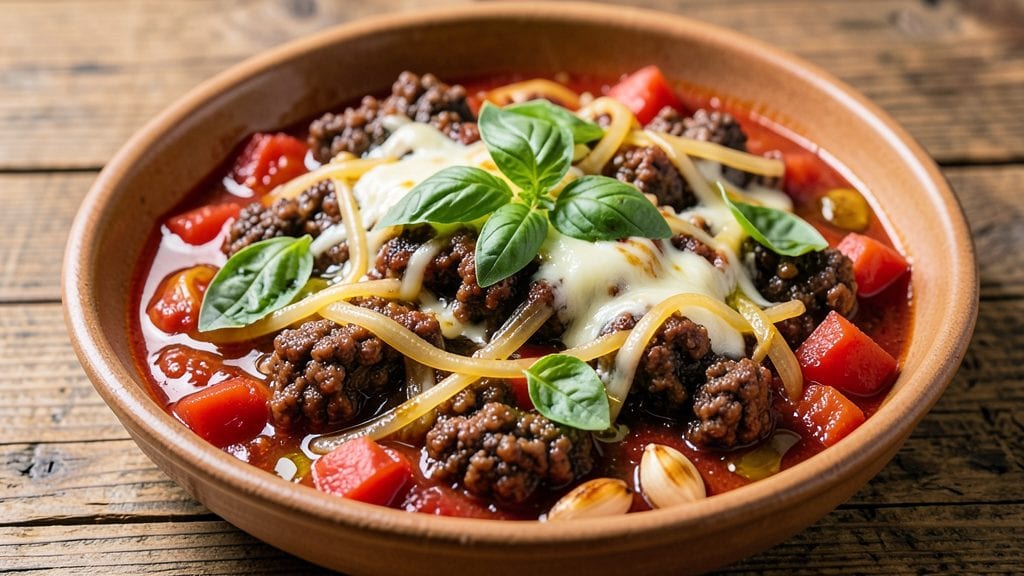
This cheese ragu recipe transforms humble ingredients into a deeply satisfying sauce that clings to pasta like liquid gold. The slow-simmered magic happens when ground meat develops rich, caramelized flavors while melting cheeses create velvety depth—no fancy techniques required.
I perfected this version after years of testing, balancing umami from tomatoes and herbs with the creamy pull of aged cheddar and parmesan.
What sets this ragu apart is the two-stage cooking process: first browning the meat for maximum flavor development, then simmering it low and slow with a splash of wine and rich tomato paste.
The cheese isn't just stirred in at the end—it melts gradually, creating pockets of gooey richness that make every forkful irresistible. This isn't your grandmother's quick sauce; it's a restaurant-worthy dish that comes together in under an hour.
The result is a sauce so luxurious it feels decadent, yet simple enough for weeknight dinners. The aroma alone—smoky, cheesy, and herbaceous—will have everyone gathering at the table.
Serve it over al dente pasta, drizzled with olive oil and fresh basil, or use it as a hearty filling for stuffed shells. The possibilities are endless, but the technique remains foolproof.
For those who want to elevate it further, a sprinkle of nutmeg or a pinch of red pepper flakes adds complexity without overpowering the dish. The key is patience—the longer it simmers, the deeper the flavors become.
This ragu isn't just a meal; it's an experience that turns ordinary pasta nights into something extraordinary. Let's get cooking.
Ingredients for cheese ragu
Fifteen ingredients create restaurant-quality ragu with deep umami and velvety cheese pockets.
| Ingredient | Amount | Notes |
|---|---|---|
| Ground Beef 🥩 | 1 ½ lb | 80/20 fat ratio preferred |
| Extra-Virgin Olive Oil 🫒 | 2 tbsp | For browning meat |
| Yellow Onion 🧅 | 1 whole | Medium, diced |
| Garlic Cloves 🧄 | 4 cloves | Minced for depth |
| Tomato Paste 🍅 | 2 tbsp | Smooth, not chunky |
| Canned Crushed Tomatoes 🍅 | 14 ½ oz | High-quality, no salt added |
| Dry Red Wine 🍷 | ½ cup | Bold, like Cabernet |
| Aged Sharp Cheddar Cheese 🧀 | 1 cup | Shredded, 2+ years aged |
| Parmesan Cheese 🧀 | ½ cup | Freshly grated, block |
| Heavy Cream 🥛 | ½ cup | Full-fat for richness |
| Dried Thyme 🌿 | 1 tsp | Or 1 tbsp fresh |
| Dried Oregano 🌿 | 1 tsp | Italian preferred |
| Ground Black Pepper 🌶️ | ½ tsp | Freshly cracked |
| Salt 🧂 | 1 tsp | Kosher or sea salt |
| Fresh Basil Leaves 🌿 | ¼ cup | Chopped for garnish |
The ground beef is non-negotiable—80/20 fat ratio ensures juicy browning and rich flavor. Costco or Trader Joe's carry pre-packaged 80/20 blends, but any butcher can grind it fresh for you. For the tomatoes, San Marzano canned crushed tomatoes deliver the best balance of sweetness and acidity, though Muir Glen works in a pinch. The aged cheddar should have visible crystals—Cabot or Vermont Sharp are my go-tos, but any sharp cheddar aged 2+ years will do. Freshly grated Parmesan makes all the difference; pre-grated has anti-caking agents that ruin the texture.
No red wine? Beef broth with a splash of balsamic vinegar mimics the acidity and depth perfectly. Short on thyme? Fresh rosemary at half the amount adds a piney note, though it's not identical. The tomato paste can be substituted with 1/4 cup tomato sauce if you're avoiding it, though it won't develop the same concentrated flavor. For the cheese, Gruyère or fontina can replace cheddar, but the sharpness is key—mild cheddar won't deliver the same tangy punch. The heavy cream can be swapped for half-and-half, though the sauce will be slightly lighter.
This ragu tastes even better the next day as the flavors meld. Store in an airtight container in the fridge for up to 5 days, or freeze for 3 months in portion-sized containers. For reheating, warm gently on the stove with a splash of water or pasta water to restore creaminess. The sauce thickens as it cools, so don't over-thicken it while cooking—it'll set up nicely once chilled. Double the batch and freeze half; you'll thank yourself later.
Why You'll Love This Recipe
- One-Pan Magic: I swear by this recipe when I’m too tired to wash pots—just brown the beef, toss in the onions and garlic, stir in the tomato paste, then let it simmer with cheese until it’s thick and glorious. No extra dishes, no stress.
- Rich Without Effort: That tomato paste? It’s the secret—it deepens the flavor while you’re scrolling through your phone waiting for the onions to soften. Add a handful of shredded cheese at the end, and suddenly you’ve got a sauce that’s creamy, tangy, and ridiculously satisfying.
- Leftovers That Shine: Make a double batch, and you’ve got lunch sorted for days. Freeze half for when you’re too wiped to cook, then reheat it with a splash of milk—it’s like the first time, just better. My kids actually ask for it.
- Budget-Friendly Luxury: Ground beef and basic pantry staples? This is comfort food that doesn’t break the bank. Honestly, I’ve made it for date nights, lazy Sundays, and even as a quick dinner when my partner’s late home—it never lets me down.
Step-by-step instructions for cheese ragu
Here's the method that delivers rich, velvety sauce with deep umami flavor and perfect cheese integration.
Brown the Ground Beef Thoroughly
Heat the 2 tablespoons extra-virgin olive oil in a large Dutch oven over medium-high heat until shimmering. Add the 1.5 pounds ground beef and break it apart with a wooden spoon, working it into small, even crumbles. Let it cook undisturbed for 5-7 minutes until the meat loses its raw color and begins to brown deeply.
This initial browning develops the meat's natural flavors through the Maillard reaction. You'll know it's ready when the beef releases easily from the pan and has developed a rich, caramelized crust. Avoid stirring too frequently—let the meat develop that deep brown color. Once fully browned, use a slotted spoon to transfer the beef to a plate, leaving all the rendered fat behind in the pot.
Develop the Flavor Base with Aromatics
In the same Dutch oven, reduce the heat to medium and add the 1 whole yellow onion, diced. Cook for 5-6 minutes until softened and translucent, stirring occasionally. Add the 4 cloves garlic cloves, minced, and cook for another 30 seconds until fragrant—this is where the foundation of your sauce's depth begins to build.
Next, stir in the 2 tablespoons tomato paste and cook for 1 minute until it darkens slightly. This step deepens the sauce's color and intensifies the umami flavor. Pour in the 0.5 cup dry red wine and scrape up any browned bits from the bottom of the pot with a wooden spoon. Let the wine simmer for 3-4 minutes until it reduces by half, evaporating its alcohol content and concentrating its flavor.
Simmer the Sauce with Tomatoes and Herbs
Add the 14.5 ounces canned crushed tomatoes, 1 teaspoon dried thyme, 1 teaspoon dried oregano, 0.5 teaspoon ground black pepper, and 1 teaspoon salt. Stir well to combine, then bring the mixture to a gentle simmer. Reduce the heat to low and let it cook uncovered for 45-50 minutes, stirring occasionally. The sauce should thicken gradually, developing a rich, deep color and complex flavor profile.
Here's the thing—don't rush this step. The slow simmer allows the flavors to meld together, creating that signature umami richness. You'll know it's ready when the sauce coats the back of a spoon and has reduced by about one-third. If it thickens too much before reaching the desired flavor, add 2-3 tablespoons of water to maintain the proper consistency.
Finish with Cheese and Cream
Reduce the heat to low and stir in the 1 cup aged sharp cheddar cheese and 0.5 cup parmesan cheese, allowing them to melt completely into the sauce. This is where the sauce transforms from rich tomato-based ragu to a luxurious cheese ragu. Once fully melted, stir in the 0.5 cup heavy cream and let the mixture simmer gently for 5-7 minutes until it thickens slightly and becomes velvety smooth.
Taste and adjust the seasoning if needed—you might need a touch more salt or pepper to balance the rich cheese flavors. The sauce should be rich, slightly tangy from the tomatoes, and deeply savory from the cheese. If the sauce is too thick, whisk in 1-2 tablespoons of pasta water to reach your desired consistency. Remove from heat and stir in the 0.25 cup chopped fresh basil leaves just before serving.
Serve Over Fresh Pasta
Cook 12 ounces pasta (such as pappardelle or fettuccine) according to package instructions until al dente. Reserve 1 cup of pasta water before draining. Toss the drained pasta with the cheese ragu, adding reserved pasta water as needed to create a silky coating. The heat of the pasta will help the sauce cling beautifully to each strand.
Serve immediately, garnished with additional fresh basil leaves if desired. Each bite should deliver a perfect balance of rich, cheesy goodness with the umami depth of the slow-simmered sauce. The pasta should be perfectly coated, with no dry spots—this is the hallmark of a well-made cheese ragu.
Pro Tips For Making Cheese Ragu
- Brown the Beef Properly: Don’t just cook the ground beef—brown it. Break it into small chunks first, then cook on medium-high heat until deep brown, not just pink. I used to rush this and ended up with a pale, watery ragu. Let it crisp in batches if needed; that caramelized crust is where the flavor hides.
- Finely Dice the Onion: Skip the rough chop—mince that onion until it’s almost paste-like. You want it to dissolve into the sauce, not sit as chunks. I learned this after biting into a ragu where I could still taste onion pieces. A sharp knife and patience here make all the difference.
- Deglaze with Wine First: After browning the beef, pour in a splash of red wine (or broth) immediately to scrape up those browned bits. Those bits are flavor gold—ignore them, and you’re leaving taste on the pan. Let it simmer 2 minutes before adding tomato paste, or you’ll end up with a grainy sauce.
- Stir the Tomato Paste: Don’t just dump the tomato paste in and walk away. Stir it into the oil and aromatics constantly for the first 2–3 minutes until it’s fully dissolved and darkens slightly. I was lazy once and got a clumpy, bitter ragu. Keep it moving, or you’ll regret it.
Troubleshooting perfect results
Sauce Too Thin?
If your cheese ragu feels too thin after simmering, don't panic—this happens when moisture hasn't fully evaporated. First, try simmering uncovered for an additional 10-15 minutes on low heat. For faster results, whisk in 1 tablespoon cornstarch mixed with 2 tablespoons cold water and stir continuously until thickened.
I've also had success adding ½ cup cooked pasta directly to the sauce to absorb excess liquid while enriching the flavor. 🌡️
Cheese Clumping?
Cheese clumping is the bane of creamy sauces, but a few tricks prevent it. Always shred your cheddar yourself using a box grater (pre-shredded cheese contains anti-caking agents). For extra insurance, melt the cheese over low heat while stirring constantly with a whisk, not a spoon.
If clumps form, blend the sauce briefly with an immersion blender—just 5-10 seconds smooths it out without altering texture. 🧀
Meat Too Greasy?
Excess fat makes ragu taste heavy rather than rich. After browning the beef, use a slotted spoon to transfer it to a paper towel-lined plate, letting excess fat drip off. For the remaining fat in the pot, carefully pour off all but 1 tablespoon before adding onions.
If your sauce still seems too oily, skim fat from the surface with a spoon during simmering. I also recommend using a fat separator if you're making a large batch. 🍴
Tomato Taste Overpowering?
The tomato flavor can dominate if not balanced properly. To fix this, add ½ teaspoon sugar to the simmering sauce to mellow acidity. A splash of ½ cup beef broth instead of water also helps dilute the tomato intensity while adding depth.
For extra umami, stir in 1 teaspoon soy sauce or ½ teaspoon fish sauce—just a little goes a long way. The key is to taste as you go and adjust gradually. 🍅
Sauce Separating?
Separation happens when cheese and liquid split during cooling. To prevent this, whisk in the heavy cream while the sauce is still hot, then remove from heat immediately. For separated sauce, gently reheat on low while whisking continuously.
If the cheese has fully separated, blend briefly with an immersion blender or stir vigorously with a fork to re-emulsify. A splash of warm pasta water helps restore creaminess. ⚡
Weak Flavor Development?
Underdeveloped flavor usually means the sauce didn't simmer long enough. Return the ragu to low heat and cook uncovered for another 15-20 minutes, stirring occasionally. For instant depth, add 1 teaspoon balsamic vinegar or ½ teaspoon smoked paprika—both enhance umami without overpowering.
If you're short on time, a pinch of MSG (½ teaspoon) works wonders for boosting savory notes. 💡
Nutrition facts
Frequently asked questions
Can I use ground turkey or chicken instead of beef for cheese ragu?
Yes, but expect a lighter, more delicate flavor. Ground turkey or chicken works well, but the fat content is lower, so you'll want to add 1 tablespoon olive oil to the pan to prevent sticking. For extra richness, stir in 1 teaspoon butter when adding the cheese. The cooking time remains the same, but the sauce may thicken slightly faster due to the leaner meat.
What's the best pasta shape for this cheese ragu?
Wide, flat noodles like pappardelle, fettuccine, or tagliatelle work best—they cradle the sauce beautifully. For extra texture, try penne or rigatoni, but avoid thin strands like spaghetti, which can overcook before the sauce clings properly. The wider the noodle, the more sauce it can hold without becoming soggy.
How can I make this cheese ragu dairy-free?
Replace the cheddar and parmesan with 1 cup nutritional yeast (for cheesy flavor) and ½ cup cashew cream (blend soaked cashews with water). Use coconut cream instead of heavy cream for richness. The sauce will still develop depth, though the texture will be slightly lighter. For cashew cream: blend ½ cup soaked cashews + ¼ cup water until smooth.
Can I prepare this ragu ahead of time?
This sauce tastes even better the next day as flavors meld. Store in an airtight container in the fridge for 4-5 days or freeze for 3 months. Reheat gently on the stove with a splash of water or pasta water to restore creaminess. Avoid microwaving—it can cause cheese separation.
Why does my cheese ragu taste too salty?
Canned tomatoes and pre-shredded cheese often contain hidden salt. If your sauce tastes too salty, dilute it by adding ½ cup beef broth or pasta water while reheating. For immediate balance, stir in 1 tablespoon lemon juice or ½ teaspoon sugar to cut the saltiness. Taste as you go—small adjustments make the biggest difference.