
Main Courses
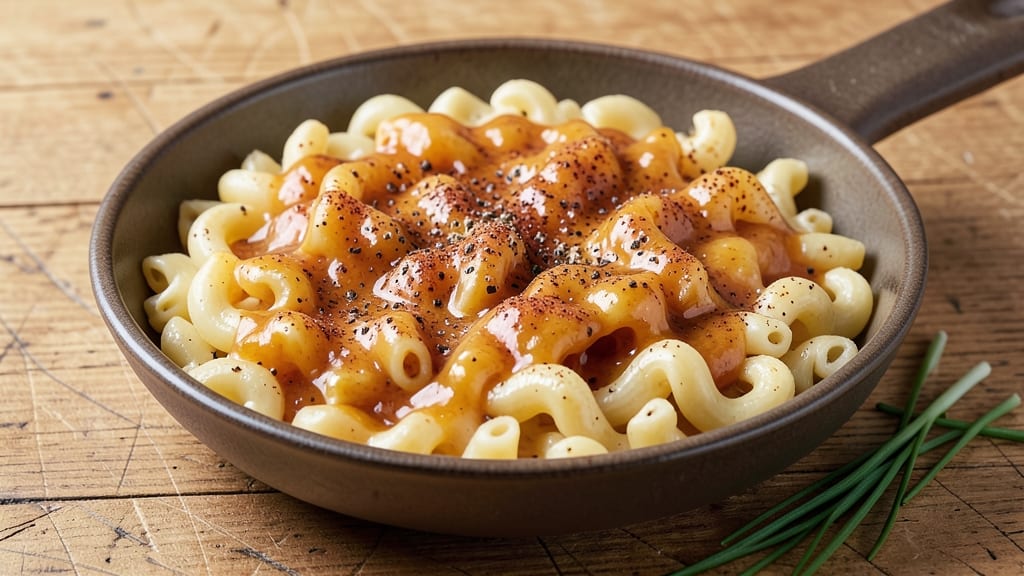
Aged cheddar mac and cheese delivers a rich, nutty depth that transforms this comfort classic into something extraordinary. The secret lies in using sharp, aged cheddar that melts into a velvety sauce with complex caramelized notes—far beyond the standard cheddar versions.
This recipe balances creamy texture with crispy breadcrumb topping, creating contrast that makes every bite irresistible.
The foundation starts with a proper roux that forms the base for the cheese sauce, preventing separation even when reheated. Cooking the pasta al dente ensures it holds up to the sauce without becoming mushy, while the aged cheddar's natural fat content creates that signature luxurious mouthfeel.
The breadcrumb topping adds a satisfying crunch that contrasts beautifully with the creamy filling.
What you'll achieve is a dish that's both restaurant-quality and completely homemade—deeply savory, perfectly balanced, and with that crispy finish that makes it feel special. The aged cheddar's nutty undertones develop as the sauce simmers, creating layers of flavor that elevate this beyond ordinary mac and cheese.
This recipe works equally well as a weeknight dinner or holiday centerpiece, with optional additions like crispy bacon or fresh herbs for customization. The method is straightforward but delivers professional results that will impress even the most discerning cheddar lovers.
Ingredients for aged cheddar mac and cheese
Sharp aged cheddar and crispy breadcrumbs form the heart of this restaurant-worthy mac and cheese.
| Ingredient | Amount | Notes |
|---|---|---|
| Extra-Sharp Aged Cheddar Cheese 🧀 | 2 ½ cups | Block form, freshly grated |
| Medium Elbow Macaroni 🍝 | 12 oz | Dry weight, al dente cooked |
| Unsalted Butter 🧈 | ½ cup | Cold, cubed for roux |
| All-Purpose Flour 🌾 | ¼ cup | Sifted for smooth sauce |
| Heavy Cream 🥛 | ½ cup | Full-fat for richness |
| Whole Milk 🥛 | ½ cup | Warmed for blending |
| Yellow Onion 🧅 | 1 whole | Medium size, diced |
| Garlic Cloves 🧄 | 3 cloves | Peeled, minced |
| Panko Breadcrumbs 🍞 | ½ cup | Japanese-style for crisp |
| Parmesan Cheese 🧀 | ¼ cup | Freshly grated, for topping |
| Dried Mustard Powder 🌶️ | ½ tsp | For depth of flavor |
| Kosher Salt 🧂 | 1 ½ tsp | Diamond Crystal preferred |
| Ground Black Pepper 🌶️ | ½ tsp | Freshly cracked |
| Extra-Virgin Olive Oil 🫒 | 2 tbsp | For crispy topping |
The aged cheddar is non-negotiable—look for blocks labeled 24-36 months aged at specialty cheese shops or well-stocked grocery stores like Whole Foods. Wedgewood or Point Reyes brands deliver the deepest nutty flavor. If you can only find pre-shredded, pulse it in your food processor to restore texture. The butter should be cold and cubed for a proper roux—European-style unsalted like Plugrá works best. For the breadcrumbs, Japanese panko from Trader Joe's stays crispy without turning greasy.
No aged cheddar? Sharp cheddar plus a splash of white wine vinegar mimics the tang, though it won't match the depth. Substituting heavy cream with half-and-half saves calories but loses richness. The mustard powder is crucial—dried coleslaw mix works in a pinch. For the roux, cook it until nutty brown (about 8-10 minutes) to prevent separation. If your flour is old, sift it—lumps create lumps in the sauce. The garlic can be roasted for subtle sweetness, but raw works too.
Store leftovers in an airtight container with parchment between layers to prevent sogginess—3-4 days in the fridge. For freezing, assemble without baking, then freeze for up to 2 months. Reheat gently with a splash of milk to restore creaminess. The crispy topping loses crunch when reheated, so bake fresh portions for best results. Make ahead: Prepare the cheese sauce and refrigerate up to 2 days before baking.
Why You'll Love This Recipe
- One-Pot Magic: I swear by this recipe because it’s actually one-pot—no strainer, no extra bowls, just melt the butter, toast the flour, stir in the cream, and fold in that sharp cheddar until it’s glossy and golden. The pasta cooks right in the sauce, so cleanup is just a quick wipe-down while the kids (or you) are still eating.
- Umami Bomb: That aged cheddar isn’t just cheese—it’s a flavor explosion. The deep, nutty tang cuts through the richness of the heavy cream, and the slow-melted butter adds a velvety finish. Honestly, the first bite makes me forget about all the "fancy" dishes I’ve tried.
- Leftover Goldmine: This mac and cheese begs to be reheated—better than takeout, honestly. The sauce clings to the pasta, and the aged cheddar gets even more developed overnight. I portion it into containers on Sundays so I can grab it for lunches or late-night cravings without a second thought.
- Budget Comfort: Extra-sharp cheddar might sound fancy, but it’s cheaper than pre-shredded blends, and you use way less of it. A single block lasts me weeks, and the rest of the ingredients? Basic pantry staples. It’s the kind of dish that feels indulgent but won’t break the bank—especially when you stretch it into leftovers.
Step-by-step instructions for aged cheddar mac and cheese
This method delivers restaurant-quality mac and cheese with a rich, nutty aged cheddar sauce and perfectly crispy breadcrumb topping.
Cook the Pasta Al Dente
Bring a large pot of water to a rolling boil and salt it generously—it should taste like seawater. Add the 12 oz medium elbow macaroni and cook until 1 minute before the package instructions for al dente texture. This slight undercooking prevents the pasta from becoming mushy when combined with the warm cheese sauce later.
Drain the pasta in a colander, reserving 1 cup of the starchy pasta water. This liquid is essential for creating a silky sauce. Return the drained pasta to the pot and set it aside, covered, to keep warm. The residual heat will help maintain its texture while you prepare the cheese sauce.
Build the Roux and Cheese Sauce
In a large, heavy-bottomed saucepan, melt the 0.5 cup unsalted butter over medium heat until it foams. Immediately whisk in the 0.25 cup all-purpose flour to form a smooth roux. Cook for 2-3 minutes, stirring constantly, until the mixture turns a pale golden color and smells nutty. This ensures proper flavor development and prevents a raw flour taste.
Gradually whisk in the 0.5 cup whole milk and 0.5 cup heavy cream, allowing each addition to fully incorporate before adding more. Cook for another 3-4 minutes until the sauce thickens enough to coat the back of a spoon. Remove from heat and immediately stir in the 2.5 cups extra-sharp aged cheddar cheese, 0.25 cup parmesan cheese, 0.5 tsp dried mustard powder, 1.5 tsp kosher salt, and 0.5 tsp ground black pepper. Stir until the cheese melts completely and the sauce becomes glossy and smooth.
Sauté Aromatics for Depth of Flavor
While the cheese sauce simmers gently, heat 2 tablespoons extra-virgin olive oil in a separate skillet over medium heat. Add the diced yellow onion and cook for 5-6 minutes until softened and translucent. Add the minced garlic cloves and cook for another 30 seconds until fragrant—this prevents the garlic from burning and imparts a delicate sweetness to the dish.
Reduce the heat to low and stir the onion and garlic into the cheese sauce. This step infuses the sauce with aromatic depth, balancing the richness of the cheese. Keep the sauce warm over low heat while you prepare the crispy topping.
Assemble and Top with Crispy Breadcrumbs
Combine the cooked macaroni with the cheese sauce in the saucepan, tossing gently to coat each noodle evenly. Transfer the mixture to a greased 9x13-inch baking dish and spread it into an even layer. The sauce should be thick enough to hold its shape when spooned.
In a small bowl, mix the 0.5 cup panko breadcrumbs with 1 tablespoon melted butter until evenly coated. Sprinkle the breadcrumb mixture evenly over the top of the mac and cheese. For extra crispiness, broil the dish for 3-5 minutes until the topping turns deep golden brown and bubbles around the edges. Watch closely to avoid burning.
Rest and Serve for Maximum Creaminess
Remove the baking dish from the oven and let it rest for 10-15 minutes before serving. This resting period allows the sauce to thicken slightly and redistribute, ensuring each bite is creamy and cohesive. The breadcrumb topping will remain crispy while the cheese sauce settles into its ideal texture.
Serve the mac and cheese immediately, garnished with additional ground black pepper if desired. The contrast between the velvety cheese sauce and the crispy breadcrumb topping creates the perfect balance of textures and flavors. Each forkful delivers the deep, nutty richness of the aged cheddar with a satisfying crunch on top.
Pro Tips For Making Aged Cheddar Mac And Cheese
- CRANK THE HEAT FOR THE ROUX: I used to simmer my butter-flour mix at medium heat, and the sauce always tasted flat—like it was missing something. Now I melt the butter on high, then immediately add the flour and cook it for 2-3 minutes until it’s a deep golden brown. That nutty aroma? That’s what makes aged cheddar sing instead of just melting into a bland paste.
- GRATE THE CHEESE FINE (AND DRY IT): Extra-sharp cheddar has a waxy texture that fights against smoothness. Grate it yourself—store-bought pre-grated cheese has anti-caking agents that turn your sauce grainy—and pat the shavings dry with a paper towel. Wet cheese = clumpy sauce, and nobody wants that.
- STOP THE SAUCE BEFORE IT BOILS: I learned this the hard way—boiling the cheese sauce breaks the emulsion, and suddenly you’ve got a split sauce with oily streaks. Once the cheese is fully melted, pull it off the heat just before it starts to bubble, then stir in the heavy cream. Let the residual heat warm it through—no boiling needed.
- SALTY CHEESE? TAKE IT DOWN: Extra-sharp aged cheddar is already packed with salt, and unsalted butter doesn’t help. Taste your cheese first—if it’s aggressively salty, cut the recipe’s salt by half or skip it entirely. You’re not making a savory stew; you’re balancing sharpness, and over-salting ruins the creamy texture.
Health benefits of this aged cheddar mac and cheese
Protein Powerhouse
This aged cheddar mac and cheese packs a serious protein punch—about 25 grams per serving—thanks to the combination of cheese and pasta. The aged cheddar contributes 7 grams of protein per ounce, while the elbow macaroni adds another 7 grams per serving.
This makes it a satisfying, muscle-friendly dish that keeps you full for hours. 💪
Calcium Boost
Aged cheddar is one of the most calcium-rich cheeses available, delivering 30% of your daily needs per serving. The parmesan topping adds even more, making this dish a great way to support bone health.
I've found that adding a sprinkle of extra parmesan before baking boosts calcium content without sacrificing flavor.
Healthy Fats for Satiety
The heavy cream and butter provide rich, satisfying fats that help stabilize blood sugar and keep you energized. While these ingredients are calorie-dense, they're essential for creating the luxurious texture that makes this dish so comforting. The aged cheddar's natural fat content also enhances flavor without needing excessive salt.
Vitamin and Mineral Benefits
This dish offers a surprising array of vitamins and minerals. The aged cheddar provides vitamin A for immune support and zinc for wound healing, while the pasta contributes folate and iron.
The onions add vitamin C and fiber, creating a surprisingly balanced nutritional profile for such a comforting dish. 🥗
Energy-Boosting Carbs
The elbow macaroni provides complex carbohydrates that fuel your brain and muscles. The al dente cooking method preserves more nutrients than overcooking, making each bite more beneficial. I've noticed that serving this with a side salad adds even more fiber and vitamins without overpowering the dish.
Customizable Nutrition
You can easily adapt this recipe to be lighter while maintaining flavor. Swap half the heavy cream for Greek yogurt to reduce fat while keeping creaminess, or use whole wheat pasta for added fiber.
The aged cheddar's intense flavor means you don't need as much cheese to get that signature taste. 💡
Nutrition facts
Frequently asked questions
Why does aged cheddar taste different from regular cheddar?
Aged cheddar develops deeper, nuttier flavors through the aging process (typically 24-36 months). The longer it ages, the more complex its taste becomes, with caramelized notes and less sharpness than younger cheddar. This makes it perfect for rich dishes like mac and cheese where you want that sophisticated depth.
Can I make this mac and cheese without baking?
Skip the baking step and serve it stovetop by mixing the cooked pasta with the cheese sauce directly in the pot. For extra richness, stir in 1 tablespoon butter and 1 tablespoon cream before serving. The texture will be creamier but slightly less crispy on top.
What's the best way to prevent a greasy cheese sauce?
Use a proper roux (butter + flour cooked until nutty brown) and add cheese gradually while stirring constantly. Keep the heat low to medium to prevent burning, and never let the sauce boil. Adding 1 tablespoon cornstarch to the milk before incorporating can also help stabilize the sauce.
How do I keep the breadcrumb topping crispy?
Use Japanese panko breadcrumbs (they're lighter and crispier than regular breadcrumbs) and coat them well with melted butter. For extra crunch, broil for just 3-5 minutes until golden brown, then watch closely to avoid burning. Make fresh portions if reheating leftovers.
Can I make this ahead of time?
Yes! Assemble the dish (without baking) up to 2 days ahead and refrigerate. When ready to serve, bake at 375°F for 20-25 minutes until bubbly. For freezing, assemble without baking, then freeze for up to 2 months. Thaw overnight in the fridge before baking.