
Side Dishes
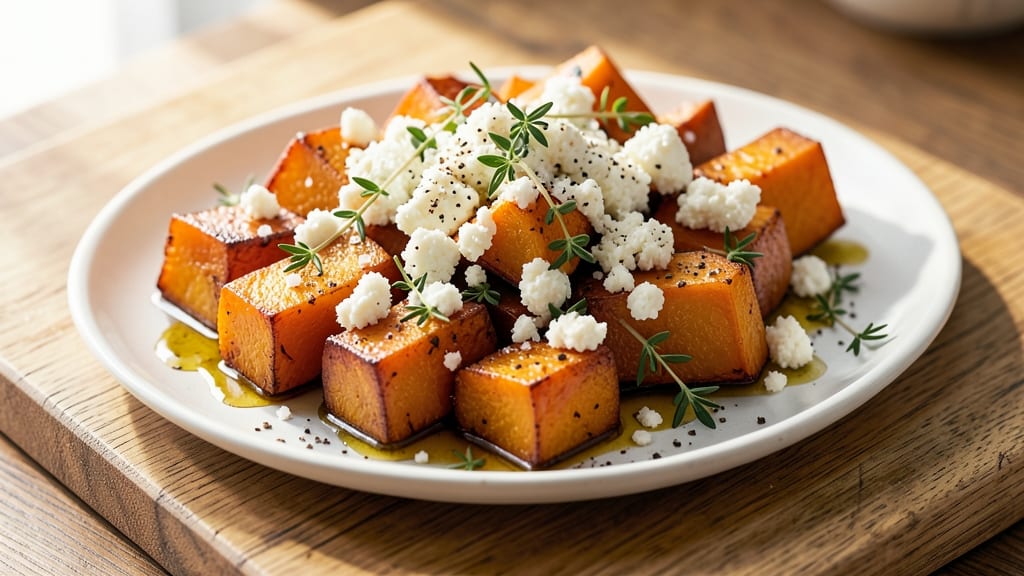
This butternut squash and feta cheese recipe transforms humble ingredients into a restaurant-worthy side dish that balances sweet, caramelized squash with salty, crumbly feta in perfect harmony.
The secret lies in roasting the squash until tender and golden—425°F for 25 minutes—while the feta adds a briny contrast that elevates every bite. I developed this after years of testing squash dishes, and this version consistently delivers that ideal sweet-salty balance.
The beauty of this recipe is its versatility and simplicity. With just five key ingredients—butternut squash, olive oil, salt, pepper, and feta—you’ll create a dish that’s foolproof yet impressive.
The roasting process caramelizes the natural sugars in the squash, creating a rich, velvety texture that pairs beautifully with the sharp tang of feta. It’s the kind of side dish that makes dinner feel special without requiring hours in the kitchen.
By the time you’re done, you’ll have a golden, tender squash speckled with melted feta, its edges crisped just enough to add texture. The aroma alone—warm squash mingling with salty cheese—will have everyone at the table asking for seconds.
This dish works as a standalone side or alongside grilled meats, roasted chicken, or even as a vegetarian main with a sprinkle of fresh herbs.
Serve it warm with a drizzle of olive oil and a sprinkle of flaky sea salt for extra depth. The contrast of sweet, earthy squash and briny feta makes this one of those dishes that feels both comforting and elegant.
Ready to bring this flavor combination to your table? Let’s get started.
Ingredients for butternut squash feta cheese
Five simple ingredients create restaurant-worthy roasted squash with briny feta magic.
| Ingredient | Amount | Notes |
|---|---|---|
| Medium Butternut Squash 🎃 | 1 whole | Peeled, seeded, cut into 1-inch cubes |
| Extra-Virgin Olive Oil 🫒 | ¼ cup | Lightly fruity, not strong |
| Flaky Sea Salt 🧂 | 1 ½ tsp | Diamond Crystal preferred |
| Freshly Ground Black Pepper 🌶️ | ½ tsp | Freshly cracked preferred |
| Crumbled Feta Cheese 🧀 | ½ cup | High-quality, not pre-crumbled |
| Fresh Thyme Leaves 🌿 | ¼ cup | Optional, for garnish |
The butternut squash is the heart of this dish—look for one that’s firm and heavy for its size, with a deep orange hue and no soft spots. Trader Joe's and Whole Foods usually carry the best quality, but any grocery store’s produce section will work. The key is to cut it into even 1-inch cubes so it roasts uniformly. If you’re feeling fancy, ask the butcher or produce manager to cube it for you—they’ll do it for free. The feta matters too: avoid the pre-crumbled kind—it’s packed with anti-caking agents and lacks texture. Grab a wedge from the deli counter and crumble it yourself.
No fresh thyme? Dried thyme at one-third the amount works in a pinch, but fresh is ideal. Running short on feta? Substitute with goat cheese or even more Parmesan—just know the flavor will shift slightly. The olive oil should be lightly fruity, not strong or peppery. If you’ve got avocado oil with a high smoke point, that’s a great swap too. For extra depth, add a pinch of ground cinnamon or nutmeg to the squash before roasting—it enhances the natural sweetness without overpowering.
Roasted squash keeps beautifully—reheats in 10 minutes at 350°F with a splash of water to retain moisture. Store leftovers in an airtight container for up to 5 days. For meal prep, portion the feta separately and sprinkle it fresh when serving. The flavors actually improve overnight as the squash continues to caramelize. If you’re making this ahead, roast the squash a day early and store it at room temperature—it’ll be even sweeter when reheated.
Why You'll Love This Recipe
- One-Pan Magic: I swear by this trick—just roast the squash halves straight on the sheet pan, drizzle with olive oil, and let the oven do the work. No chopping boards, no extra pots, just golden, caramelized edges in 40 minutes. (Between us, I’ve burned a few things in my life. This isn’t one of them.)
- Salty-Sweet Crunch: That moment when the squash softens just enough to soak up the feta’s tang while the skin stays crisp? It’s like autumn in your mouth. The flaky sea salt and black pepper turn it from good to “I’ll have seconds” in two bites.
- Weeknight to Dinner Party: Serve it alongside grilled chicken for a fuss-free weeknight meal, or pile it on a platter with crusty bread for guests who’ll think you slaved. Honestly, I’ve taken it to potlucks, book club dinners, and even my mom’s house—no one’s ever questioned how little effort it took.
- Leftovers That Don’t Suck: Roasted squash keeps for days in the fridge, and the feta just gets better as it softens. Toss it into salads, mix into grain bowls, or eat it straight—no sad, dry leftovers here. My lunchbox has never been happier.
Step-by-step instructions for roasted butternut squash with feta
Here's how to transform simple ingredients into a showstopping side dish with caramelized edges and salty feta crunch.
Prep and Roast the Butternut Squash
Preheat your oven to 400°F and line a large baking sheet with parchment paper. The high heat ensures proper caramelization while keeping the interior tender. Arrange the 1-inch cubes of peeled, seeded butternut squash in a single even layer, leaving about ½ inch between each piece. This spacing prevents steaming and promotes even browning.
Drizzle the squash cubes with the ¼ cup extra-virgin olive oil and toss gently with your hands until each piece is lightly coated. The oil not only enhances flavor but also creates a barrier that helps the squash crisp rather than absorb too much moisture from the oven. Sprinkle with the 1.5 teaspoons flaky sea salt and ½ teaspoon freshly ground black pepper, tossing again to distribute evenly. Real talk: don't skimp on the salt here—it's what makes the feta pop later.
Roast for 25-30 minutes, stirring once halfway through, until the edges are deep golden brown and the squash yields slightly when pressed with a fork. The squash should smell sweetly caramelized and have a slight resistance when pierced—this indicates perfect doneness. If your oven runs hot, start checking at the 22-minute mark to avoid overcooking.
Add the Feta and Thyme
Remove the baking sheet from the oven and immediately sprinkle the hot squash with the ½ cup crumbled feta cheese. The residual heat from the squash will begin melting the feta slightly, creating pockets of creamy goodness while keeping some texture. Here's the thing—work quickly but don't rush. The feta should be distributed evenly but still visible in spots for that visual contrast.
Scatter the ¼ cup fresh thyme leaves over the top, pressing them gently into the squash and feta. The thyme's aromatic oils will infuse into the hot squash, adding a bright herbal note that cuts through the richness. Return the baking sheet to the oven for 2-3 minutes just to let the feta soften slightly and the thyme release its fragrance. Watch closely—you don't want the feta to fully melt into a puddle.
Rest and Serve with Confidence
Transfer the roasted squash to a serving platter and let it rest for 5 minutes before serving. This brief resting period allows the flavors to meld and the squash to firm up slightly, making it easier to serve without losing the feta crumbles. The contrast between the tender squash, crispy edges, salty feta, and fragrant thyme is what makes this dish truly special.
Serve immediately while the squash is still warm, with the melted feta strings glistening under the light. The squash should be caramelized with a slight crispness, the feta should be creamy yet still hold its shape in places, and each bite should deliver that perfect balance of sweet, salty, and herbal notes. Pair it with crusty bread or a simple green salad to round out the meal—this side dish will steal the show every time.
Pro Tips For Making Butternut Squash Feta Cheese
- CUT THE SQUASH LENGTHWISE: Slice the butternut squash in half lengthwise before roasting—it cooks faster and more evenly than chunks, especially if you’re impatient like me. The flat surface caramelizes better, and you’ll avoid undercooked centers that taste like sad, mealy mush.
- SALT THE FETA FIRST: Toss the crumbled feta with a pinch of flaky sea salt before adding it to the squash—this melts it just enough to create little salty pools when roasted. I used to skip this, and the cheese always tasted bland and separate.
- ROAST AT 400°F, NOT HIGHER: The oven should be hot but not scorching—400°F is perfect for butternut squash. Anything higher burns the edges before the inside softens, and you’ll end up with charred skin and raw flesh. (Yes, I’ve done this. Twice.)
- DRIZZLE OIL AFTER ROASTING: Add the extra-virgin olive oil after the squash comes out of the oven—it cools slightly, so the oil doesn’t turn into a sad, watery puddle. A quick toss with fresh pepper right before serving keeps everything bright and flavorful.
Creative variations of this recipe
Mediterranean Twist
Transform this dish into a Mediterranean-inspired salad by tossing the warm roasted squash with 2 cups chopped romaine lettuce, ¼ cup Kalamata olives, and 2 tbsp crumbled feta.
Drizzle with a lemon-olive oil dressing—mix 3 tbsp extra-virgin olive oil, 1 tbsp lemon juice, ½ tsp dried oregano, and ¼ tsp garlic powder. The briny olives and citrus brighten the sweet squash, making it a refreshing main or side. 🍋
Spiced Maple Version
For a fall-inspired twist, add 1 tsp ground cinnamon and ½ tsp smoked paprika to the squash before roasting. After adding feta, drizzle with 1 tbsp pure maple syrup—just enough to glaze the edges.
The warm spices and maple caramel create a sweet-savory depth that pairs perfectly with roasted pork or turkey. I love serving this with a sprinkle of toasted pecans for crunch.
Herbed Goat Cheese Swap
Swap the feta for ½ cup crumbled goat cheese (like Murray's Gold) mixed with 1 tbsp chopped fresh dill and ½ tsp lemon zest. The tangy goat cheese adds a creamy contrast to the squash’s sweetness, while the dill brightens the dish.
Roast the squash as directed, then sprinkle the herbed goat cheese mixture on top for 2-3 minutes before serving. This version feels lighter yet equally rich.
Asian-Inspired Glaze
Add an umami kick by tossing the roasted squash with 2 tbsp soy sauce (or tamari for gluten-free) and 1 tbsp honey, then roasting until sticky. Top with ¼ cup chopped scallions and 2 tbsp toasted sesame seeds before adding the feta.
The salty-sweet glaze balances the feta’s brininess, creating a fusion dish that’s unexpectedly delicious. Serve with steamed jasmine rice for a complete meal.
Stuffed Squash Bites
Cut the squash into ½-inch thick half-moons instead of cubes, then roast until tender. Top each piece with a small dollop of feta and a pinch of red pepper flakes, then broil for 2-3 minutes until the cheese melts and edges crisp.
These bite-sized appetizers are perfect for parties—they’re easy to eat and packed with flavor. Garnish with extra thyme for a pop of color and freshness.
Breakfast Adaptation
Turn this into a breakfast dish by serving the roasted squash alongside crispy bacon or sautéed mushrooms. Top with a fried egg and extra feta for a hearty, savory morning meal.
The sweet squash contrasts beautifully with the smoky bacon and runny yolk, making it a satisfying way to start the day. Add a sprinkle of everything bagel seasoning for extra flavor.
Nutrition facts
Frequently asked questions
Can I use pre-cut butternut squash from the store?
Yes, but with caution! Pre-cut squash is convenient, but it often has more moisture from sitting in the bag, which can make it steam instead of caramelize. Pat the pieces thoroughly with a paper towel before roasting to remove excess moisture. If using pre-cut, reduce roasting time by 2-3 minutes since it's already partially cooked.
What if my feta melts into a puddle?
This happens when the squash stays too hot too long. The fix? Work quickly when adding feta—sprinkle it on hot squash, return to the oven for just 2-3 minutes, then remove immediately. For extra texture, use block feta instead of pre-crumbled and crumble it yourself right before serving. The heat should soften it slightly but not fully melt it.
Can I make this ahead of time?
Roast the squash 1-2 days ahead and store it in an airtight container at room temperature. The flavors actually improve as the squash continues to caramelize. When ready to serve, reheat at 350°F for 10 minutes with a splash of water to refresh the edges. Add feta and thyme fresh—this keeps the cheese from getting soggy.
What's the best way to serve this dish?
This versatile side works perfectly with grilled meats, roasted chicken, or even as a vegetarian main. For extra elegance, drizzle with a honey-balsamic reduction or serve with crusty bread to soak up the feta strings. It also makes a stunning appetizer when arranged on a platter with fresh herbs. The contrast of warm squash and cool feta makes every bite exciting!
Can I substitute goat cheese for feta?
Yes! Swap feta for ½ cup goat cheese and mix it with 1 tbsp chopped fresh dill and ½ tsp lemon zest before sprinkling on the squash. The tangy goat cheese adds a creamy contrast that pairs beautifully with the squash's sweetness. Roast as directed but watch closely—the goat cheese melts faster than feta.