
Side Dishes
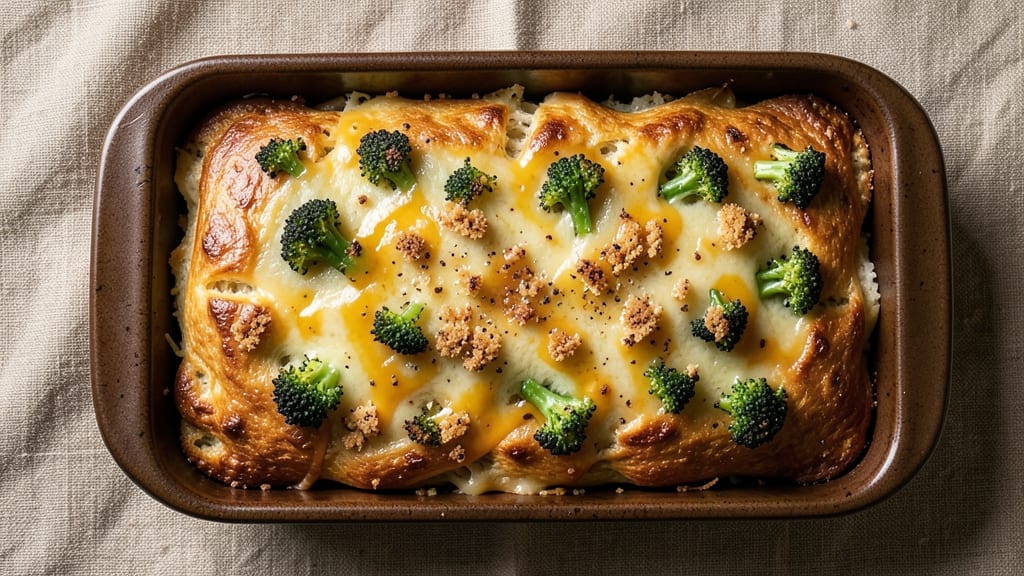
This broccoli cheese bread recipe delivers the ultimate comfort food experience with a crispy-golden crust and pockets of melted cheese swirling through tender bread.
After years of perfecting the balance between chewy bread and gooey cheese, I've finally cracked the code for a dish that's hearty enough to stand alone or serve alongside any meal.
The secret lies in layering the cheese just right—so it melts into creamy rivers while the crust stays perfectly golden.
What sets this recipe apart is the way it transforms simple ingredients into something extraordinary. You'll start with a basic bread dough, but the magic happens when you fold in finely chopped broccoli and a blend of sharp cheddar and mozzarella.
The broccoli adds a subtle freshness that cuts through the richness of the cheese, while the garlic-infused olive oil ensures every bite has depth. It's the kind of dish that feels indulgent yet remains balanced, making it perfect for both weeknight dinners and special occasions.
By the time it emerges from the oven, you'll have a loaf with a crispy exterior that shatters slightly with each bite, giving way to a soft, chewy interior threaded with melty cheese.
The aroma alone will have everyone gathering around the table, and the first slice will disappear faster than you can say "second helping." This is comfort food at its finest—warm, satisfying, and impossible to resist.
Serve it fresh from the oven with a side of marinara for dipping, or let it cool slightly for easier slicing. The leftovers reheat beautifully, making it an ideal make-ahead option for meal prep.
Whether you're feeding a family or hosting a gathering, this broccoli cheese bread will be the star of the show.
Ingredients for broccoli cheese bread
Basic dough meets cheesy magic—here's the secret to golden crust and melty swirls.
| Ingredient | Amount | Notes |
|---|---|---|
| Broccoli Florets 🥦 | 2 ½ cups | Finely chopped, fresh or frozen |
| All-Purpose Flour 🌾 | 4 cups | Sifted, for light texture |
| Instant Yeast 🍞 | 2 ½ tsp | Active dry works too |
| Granulated Sugar 🍚 | ½ cup | For yeast activation |
| Warm Water 💧 | 1 ¼ cups | 110°F for yeast activation |
| Unsalted Butter 🧈 | ½ cup | Cold, cubed for dough |
| Shredded Sharp Cheddar Cheese 🧀 | 2 cups | Freshly grated preferred |
| Shredded Mozzarella Cheese 🧀 | 1 ½ cups | Part-skim for balance |
| Extra-Virgin Olive Oil 🫒 | ¼ cup | Plus 1 tbsp for brushing |
| Garlic Cloves 🧄 | 2 cloves | Minced for flavor depth |
| Salt 🧂 | 2 tsp | Kosher or sea salt |
| Dried Parsley Flakes 🌿 | 1 tsp | For fresh finish |
| Eggs 🥚 | 1 whole | Room temperature |
The cheese is non-negotiable here. Sharp cheddar gives that tangy bite while mozzarella melts into creamy rivers—don't skimp. Grab block cheeses from the deli counter and grate them yourself; pre-shredded gets clumpy. For the broccoli, fresh is ideal but frozen works in a pinch—just thaw and drain well. The garlic-infused olive oil is where the flavor pops, so use something fruity, not the cheap stuff. I always grab California-grown garlic at Trader Joe's—it's sweeter and more aromatic.
No sharp cheddar? Pepper jack or Gruyère work beautifully—just add a pinch of cayenne for that kick. The mozzarella can be swapped for provolone for extra tang. Running low on parsley? Dried basil at half the amount gives a similar vibe. The dough needs to be soft but not sticky—add a splash of water if it's too dry, but don't overdo it. And trust me on the cold butter—it keeps the dough from getting too warm and activating the yeast too fast. For a vegan twist, swap the butter for coconut oil and use flax eggs.
This bread is best fresh from the oven—crispy outside, gooey inside. Store leftovers in an airtight container for 3-4 days, but reheat carefully: wrap in foil and warm at 350°F for 10 minutes. Freezes beautifully for up to 3 months—just thaw at room temperature before slicing. I always make a double batch because it disappears faster than you can say "second helping." Serve with marinara for dipping, or just enjoy it plain—no judgment here.
Why You'll Love This Recipe
- No-Fuss Yeast Mix: I swear by this dough—just toss in warm water, let it sit, and boom. No kneading, no waiting for yeast to wake up slowly. That sugar in the mix? It feeds the yeast fast, so you’re baking in under an hour.
- Cheesy Crunch Magic: The moment those florets hit the oven, they get crispy on the edges while staying tender inside. Between us, the little pockets of melted cheese in the dough? Absolute gold. It’s like a hug for your taste buds.
- Lunchbox Hero: Between us, this bread is perfect for packing lunches. Slice it up, wrap it with cheese, and suddenly you’ve got a meal that’s way more exciting than sad sandwiches. My kids actually finish what I pack them now.
- Budget Stretch: Honestly, this recipe costs me pennies per serving. Broccoli florets are cheap, flour’s a staple, and you’re not using fancy ingredients. Plus, leftovers toast up just as good the next day—no waste, all flavor.
Step-by-step instructions for broccoli cheese bread
Here's how to create that perfect golden crust with gooey cheese swirls—every time.
Activate the Yeast and Prepare the Broccoli Mixture
In a large bowl, combine the 1.25 cups warm water (about 110°F) with the 2.5 tsp instant yeast and 0.5 cup granulated sugar. Let it sit for 5 minutes until foamy—this confirms your yeast is active. If it doesn't foam, start over with fresh yeast.
While that works, steam or microwave the 2.5 cups broccoli florets for 3-4 minutes until tender. Drain well and let them cool slightly. Using a food processor or fork, finely chop the broccoli until it resembles coarse crumbs. This texture blends seamlessly into the dough without making it dense.
Mix the Dough and Incorporate Cheese
In the same bowl, add the 4 cups all-purpose flour, 2 tsp salt, and the 2 cloves minced garlic. Mix well to distribute the flavors evenly. Create a well in the center and pour in the yeast mixture along with the 1 whole egg and 0.25 cup extra-virgin olive oil. Stir with a wooden spoon until a shaggy dough forms.
Switch to your hands and knead the dough on a lightly floured surface for 5-7 minutes until smooth and elastic. This step develops the gluten, which gives your bread that perfect chewy texture. If the dough feels too sticky, add 1 tablespoon flour at a time until it comes together nicely.
Divide the dough in half. To one half, add 1 cup shredded sharp cheddar cheese and 0.75 cup shredded mozzarella cheese, kneading until fully incorporated. To the other half, add the remaining 1 cup cheddar and 0.75 cup mozzarella, mixing until evenly distributed. This creates two distinct cheese-packed dough portions for the swirl.
Shape and Rest the Dough
Roll each dough portion into a 12-inch rectangle about ½-inch thick. Place one rectangle on top of the other, then gently roll them together into a single log. Fold the seam side down and pinch the edges to seal. This creates the classic swirl pattern when sliced.
Place the shaped dough on a lightly greased baking sheet, cover with a clean kitchen towel, and let it rise in a warm place for 1 hour or until doubled in size. The dough should feel light and springy when pressed gently with a finger. If your kitchen isn't warm, place the baking sheet in a slightly turned-on oven with the light on to create warmth.
Shape the Loaf and Second Rise
After the first rise, gently shape the dough into a 9x5-inch loaf pan by pinching the corners and stretching the dough to fit snugly. Brush the top with 1 tablespoon extra-virgin olive oil and sprinkle with 1 tsp dried parsley flakes for color and flavor. Let the dough rise again for 30-45 minutes until it's just above the pan's rim.
Preheat your oven to 375°F while the dough rises. This temperature ensures a crispy crust without burning the top. If you're unsure about doneness, look for the dough to puff up noticeably and feel firm to the touch.
Bake to Golden Perfection
Bake the bread for 30-35 minutes until the top is deep golden brown and sounds hollow when tapped on the bottom. For extra crispiness, increase the oven temperature to 400°F for the last 5 minutes of baking. This high-heat finish creates that coveted crackly crust.
Remove the bread from the oven and let it cool in the pan for 10 minutes, then transfer to a wire rack. The internal temperature should reach 190°F—this guarantees the center is fully baked and the cheese is melted perfectly. Slice while still warm for the best texture, with those beautiful cheese swirls peeking through the crispy exterior.
Pro Tips For Making Broccoli Cheese Bread
- STEAM THE BROCCOLI FIRST: I learned this the hard way—raw broccoli in dough makes a dense, gummy mess. Steam florets until tender-crisp (about 4-5 minutes), then cool completely before mixing. This keeps the bread light and lets the cheese flavor shine without sogginess.
- LET THE DOUGH RISE TWICE: Skip the second rise, and you’ll end up with a flat, sad loaf. After the first rise (usually 1 hour), punch it down, shape it, then let it rise again—this time in a greased pan. The extra time develops flavor and guarantees a proper rise. (Yes, even if you’re impatient like me.)
- CHECK YEAST ACTIVITY BEFORE MIXING: Toss in dry yeast without proofing it first, and your bread might not rise. Mix ¼ cup warm water with ½ tsp sugar and ¼ tsp yeast, then wait 5-10 minutes for frothy bubbles. If nothing happens, your yeast is dead—start over. No one wants a brick for dinner.
- USE SHREDDED CHEESE INSTEAD OF BLENDED: Blending cheese into the dough makes it greasy and uneven. Fold in shredded cheese (cheddar or mozzarella work best) by hand after the dough comes together—this keeps pockets of melty goodness. (Bonus: Save time by grating your own; pre-shredded cheese has anti-caking agents that ruin texture.)
Pro cooking tips for this recipe
Cheese Swirl Secret
The key to those perfect melty swirls is dividing the dough and the cheese. I split the dough in half, then knead half the cheese into each portion before rolling them together.
This creates distinct layers that melt into rivers when baked. For extra drama, fold the dough into a log seam-side down—this prevents the cheese from leaking out during rising. 🧀
Broccoli Texture Matters
Don't overprocess the broccoli—you want it finely chopped but still recognizable as broccoli, not a paste. I use my food processor for 10-12 seconds with the pulse function. Over-chopping releases too much moisture, making the dough dense.
Pro tip: Pat the chopped broccoli dry with a paper towel before mixing it into the dough. This keeps your bread light and airy.
Yeast Activation Test
That 5-minute foam test isn't just for show—it's your quality control. If your yeast doesn't foam, your bread will be dense and flat. I keep a small jar of yeast in my freezer for emergencies, but always test it first in warm water with sugar.
If it's still active after freezing, you're golden. For extra insurance, I proof my dough for 10 minutes in the bowl before shaping—this double-checks yeast viability.
Oven Spring Hack
For that dramatic rise, I use the oven spring technique: Just before baking, place the loaf in a cold oven, then crank the heat to 375°F immediately. The sudden heat creates steam that helps the bread expand beautifully.
I also like to spray the oven walls with water before baking—this adds extra moisture for a crispier crust. Don't skip the 10-minute cooling period in the pan either; this lets the cheese set properly before slicing.
Cheese Blend Flexibility
While sharp cheddar and mozzarella are my go-tos, I've had great success with Gruyère for nutty depth or smoked Gouda for a BBQ twist. For a vegetarian-friendly boost, add ½ cup nutritional yeast to the dough—it adds a cheesy umami flavor without dairy.
Just remember: the cheese should be room temperature when mixing, or it won't distribute evenly. I always take my cheese out of the fridge 30 minutes before starting.
Crust Perfection Timing
The final 5 minutes at 400°F is where the magic happens for that crackly crust. I time this carefully—too long and you'll burn the top, too short and it stays soft. For even browning, I rotate the pan halfway through.
If your oven runs hot, tent the bread with foil during the final minutes. And here's my non-negotiable: always let the bread cool 10 minutes before slicing, or those cheese swirls will turn into a messy slide. 🔥
Nutrition facts
Frequently asked questions
Can I make this recipe without a loaf pan?
Shape the dough into a free-form loaf on a baking sheet lined with parchment paper. For extra crispiness, brush the top with olive oil and sprinkle with dried parsley flakes before baking. The baking time may increase by 5-10 minutes since free-form loaves bake slower than pan-baked ones.
How do I prevent the cheese from leaking out during baking?
Fold the dough into a log seam-side down and pinch the edges tightly to seal. For extra insurance, chill the shaped loaf in the fridge for 15-20 minutes before baking—this helps the cheese stay put. If you're worried, use lower-moisture cheeses like provolone instead of extra-moody mozzarella.
Can I use frozen broccoli instead of fresh?
Yes, but thaw and drain it thoroughly first. Pat the broccoli dry with a paper towel to remove excess moisture, which can make the dough too wet. For best results, steam the frozen florets for 2-3 minutes until tender, then chop finely before mixing into the dough.
What's the best way to reheat leftovers?
Wrap slices in foil and warm at 350°F for 8-10 minutes until heated through. For extra crispiness, broil for 1-2 minutes at the end. Avoid microwaving—it turns the crust soggy. Leftovers keep well in an airtight container for 3-4 days or freeze for up to 3 months.
Can I add other vegetables to this recipe?
Try finely chopped spinach or sun-dried tomatoes for extra flavor. For heartier versions, add diced bell peppers or mushrooms—just make sure to drain them well first. The key is keeping the moisture in check to avoid a dense texture.