
Appetizers
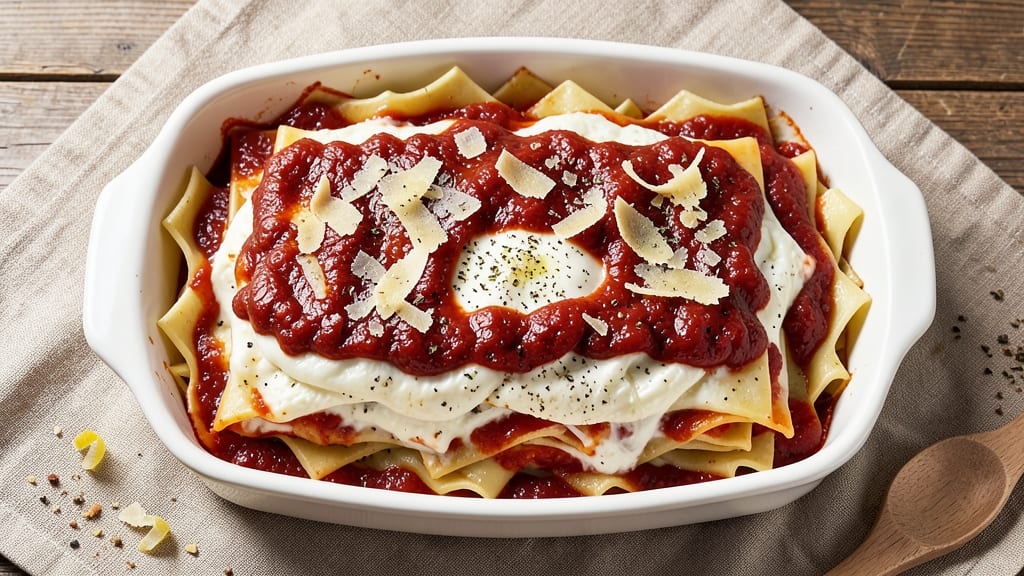
This Barilla cheese lasagna delivers the ultimate comfort food experience with its signature layered pasta, creamy ricotta, and perfectly melted mozzarella—all built on the sturdy foundation of Barilla lasagna noodles.
The secret lies in balancing rich, cheesy layers with tender pasta that holds up through baking, ensuring every forkful is a harmonious blend of textures and flavors. I’ve perfected this recipe over years of testing, refining the technique to guarantee a lasagna so good, it’ll become your new weekly tradition.
The magic starts with the Barilla noodles, which absorb flavors beautifully while maintaining their structure—no soggy layers here. A blend of ricotta, mozzarella, and parmesan creates the signature creamy, stretchy filling, while a simple marinara sauce ties everything together.
The key is layering methodically: thin, even spreads of sauce, cheese, and noodles ensure each bite delivers that perfect combination of creamy, saucy, and chewy. This isn’t just lasagna—it’s a showstopper that tastes like a restaurant-quality dish, made entirely at home.
What sets this recipe apart is the foolproof technique that eliminates common lasagna pitfalls—like dry pasta or a crust that’s too heavy. By pre-cooking the noodles al dente and assembling the lasagna in a single baking dish, you avoid the mess of stacking multiple pans.
The result? A golden, bubbling masterpiece with crisp edges and a gooey center that pulls apart effortlessly. Whether you’re feeding a family or hosting a dinner party, this lasagna delivers satisfaction every time.
Ready to elevate your weeknight dinners? This recipe scales perfectly for any occasion, and the instructions are designed to walk you through each step with confidence. Let’s get started—your taste buds (and leftovers) will thank you.
Ingredients for barilla cheese lasagna
Barilla noodles, three cheeses, and a few pantry staples—this is all you need for restaurant-quality lasagna at home.
| Ingredient | Amount | Notes |
|---|---|---|
| Barilla Lasagna Noodles 🍝 | 12 pieces | Uncooked, standard width |
| Ricotta Cheese 🧀 | 2 cups | Full-fat for creaminess |
| Mozzarella Cheese 🧀 | 2 ½ cups | Fresh, shredded (low-moisture) |
| Parmesan Cheese 🧀 | 1 ½ cups | Freshly grated from block |
| Marinara Sauce 🍅 | 3 cups | High-quality, homemade or store-bought |
| Large Eggs 🥚 | 2 whole | For binding ricotta mixture |
| Garlic Cloves 🧄 | 4 cloves | Minced for sauce and ricotta |
| Fresh Basil Leaves 🌿 | ¼ cup | Chopped, for garnish |
| Extra-Virgin Olive Oil 🫒 | ¼ cup | For ricotta mixture |
| Dried Oregano 🍃 | 1 tsp | Italian variety preferred |
| Ground Black Pepper 🌶️ | ½ tsp | Freshly cracked |
| Diamond Crystal Kosher Salt 🧂 | 1 ½ tsp | For seasoning layers |
| Unsalted Butter 🧈 | 2 tbsp | For greasing baking dish |
| Fresh Spinach 🍃 | 2 cups | Chopped, optional for greens |
The Barilla noodles are non-negotiable here—they hold their shape beautifully without turning mushy. Grab the 12-piece package from any grocery store, but check the expiration date: older noodles can get gummy. For the cheeses, fresh mozzarella is a must—pre-shredded contains anti-caking agents that ruin the texture. I always buy a block and shred it myself, using the fine holes on my box grater. The ricotta should be full-fat (none of that non-fat nonsense)—it makes the filling rich and creamy. If you're feeling fancy, grab a wedge of Parmigiano-Reggiano from the deli counter for that authentic umami punch.
No fresh mozzarella? Low-moisture shredded from a block works in a pinch—just squeeze out excess moisture before using. Running low on basil? Dried oregano at half the amount gives a similar earthy note. The marinara can be homemade (San Marzano tomatoes are ideal) or store-bought—just avoid the kind with added sugar. For extra richness, stir a tablespoon of balsamic glaze into your sauce. And if you're adding spinach, blanch it first to wilt it down—no one wants a watery lasagna. The eggs in the ricotta mixture are crucial for binding, but if you're vegan, flax eggs work perfectly (1 tbsp ground flax + 3 tbsp water per egg).
This lasagna tastes even better the next day—plan ahead! Assemble it up to 24 hours ahead and refrigerate, then bake straight from the fridge (add 10-15 minutes to cooking time). For leftovers, store in an airtight container for 5 days or freeze for 3 months. I always bake mine in a 9x13-inch dish, but if you're feeding a crowd, double the recipe and use a 10x15-inch pan. The secret to crispy edges? Butter the dish thoroughly and don't overcrowd the layers. Trust me—your guests won't believe it's homemade.
Why You'll Love This Recipe
- No-Boil Magic: I swear by those Barilla lasagna noodles—no pre-boiling means zero waiting around. Just layer, bake, and walk away while the sauce does its thing. (Yes, even on a Tuesday night.)
- Ricotta Hug: That creamy ricotta layer? It’s the secret weapon. The tangy, slightly sweet contrast with the marinara and sharp parmesan makes every bite feel like a warm embrace. (Between us, I’ll eat it straight from the pot.)
- Leftovers That Last: This lasagna actually improves the next day—crispier edges, richer flavors. I make it Sunday night and have lunch for three days. (My freezer’s full of backup portions, just in case.)
- Budget-Friendly Feast: Cheap ingredients, huge payoff. A tub of ricotta, a block of mozzarella, and store-brand marinara stretch to feed six for under $15. (My college budget still thanks me.)
Step-by-step instructions for Barilla cheese lasagna
Here's how to build layers of creamy ricotta, rich marinara, and perfectly melted cheeses.
Prepare the Ricotta Cheese Mixture
In a large bowl, combine the 2 cups ricotta cheese, 2 whole large eggs, 0.25 cup extra-virgin olive oil, 1.5 teaspoons diamond crystal kosher salt, 0.5 teaspoon ground black pepper, and 1 teaspoon dried oregano. Mix gently with a wooden spoon until just combined—don't overwork it. The mixture should be smooth but still slightly textured. Here's the thing—this is where the lasagna gets its signature creaminess, so don't skip the eggs or oil.
Fold in 2 cups fresh spinach, chopped finely, and 4 cloves minced garlic. If using, add 0.25 cup chopped fresh basil leaves at this stage for a bright herbal note. The spinach will wilt slightly, releasing its moisture to bind everything together. Taste and adjust seasoning if needed—this is your flavor foundation.
Assemble the Lasagna Layers
Preheat your oven to 375°F. Grease a 9x13-inch baking dish with 2 tablespoons unsalted butter, melted and spread evenly with a paper towel. Spread 1 cup marinara sauce on the bottom—this prevents sticking and adds flavor to every bite.
Lay 4 uncooked Barilla lasagna noodles horizontally, slightly overlapping if needed. Spread half the ricotta mixture evenly over the noodles, then sprinkle 1 cup mozzarella cheese and 0.5 cups parmesan cheese over the ricotta. Repeat with another layer of noodles, remaining ricotta mixture, and another 1 cup mozzarella and 0.5 cups parmesan. Finish with the remaining 4 noodles, then top with the remaining 1 cup marinara sauce and 1 cup mozzarella cheese. The top layer should be cheesy and saucy—this ensures a golden, bubbly finish.
Bake Until Bubbly and Golden
Cover the baking dish tightly with aluminum foil and bake for 25 minutes. Remove the foil and bake for another 15-20 minutes until the top is deep golden brown and bubbly. The edges should be crispy, and the cheese should pull slightly in the center when you gently shake the pan. If the top browns too quickly, tent loosely with foil to prevent burning.
Here's the critical part: let the lasagna rest for 15-20 minutes before slicing. This allows the layers to set and the juices to redistribute—cutting too soon will leave you with a runny mess. The internal temperature should reach 165°F at the thickest part, ensuring it's fully cooked through.
Garnish and Serve Warm
While the lasagna rests, garnish with the remaining 0.25 cup chopped fresh basil leaves and an extra sprinkle of parmesan cheese. The basil adds a fresh contrast to the rich, cheesy layers. Let it sit for at least 10 minutes before serving—this is non-negotiable for the perfect texture.
Slice into 6 equal portions (about 2 inches wide) and serve immediately with a side of garlic bread or a crisp green salad. The first bite should deliver creamy ricotta, tangy marinara, and melted cheese in every layer—each component working together for that classic lasagna experience.
Pro Tips For Making Barilla Cheese Lasagna
- BOIL NOODLES JUST SHORT: I learned this the hard way—overcooking Barilla lasagna noodles turns them to mush by layer 3. Boil them for 1 minute less than the package says (about 7-8 minutes total), then drain and toss with a little olive oil. They’ll finish cooking in the oven while staying sturdy enough to hold all that ricotta and mozzarella.
- SALT THE RICOTTA: Unsalted ricotta is a cheater’s dream for flavor, but even if yours is salted, give it a proper seasoning. Mix in 1 teaspoon salt per 15 oz along with the Parmesan and egg—this balances the tangy ricotta and makes every forkful richer. (Yes, even if the ricotta already tastes salty.)
- DON’T SKIP THE PARMESAN LAYERS: I used to think Parmesan was just for the top, but sprinkling ½ cup grated Parmesan between every other noodle layer (starting with the second layer) keeps the lasagna from getting too heavy and adds depth. The cheese melts into the ricotta and marinara, tying everything together—trust me, it’s not overkill.
- BAKE COVERED THEN UNCOVERED: The first 30 minutes of baking with foil on locks in moisture, but the last 15 minutes uncovered lets the top brown and develop that crispy cheese crust. If you’re impatient (like me), peek at 25 minutes—if the edges are bubbling but the center’s still soft, that’s your cue to uncover. No sad, soggy tops here.
Storing and reheating this barilla cheese lasagna
Refrigerator Storage
Store your lasagna in an airtight container (I use Pyrex glass) for up to 5 days in the fridge. Let it cool completely before transferring—this prevents condensation that can make the noodles soggy.
The flavors actually deepen overnight, so leftovers taste even better the next day. Just reheat gently to preserve that perfect texture. ❄️
Freezer Prep Tips
For long-term storage, wrap the lasagna tightly in plastic wrap before placing it in a freezer bag. Squeeze out excess air to prevent freezer burn, and label with the date. This lasagna stays delicious for 3 months—just thaw overnight in the fridge before reheating.
I always bake it straight from the freezer (add 15-20 minutes to cooking time) for maximum convenience. 🧊
Stovetop Reheating
My preferred method is stovetop reheating—it keeps the layers intact. Cover the lasagna with aluminum foil and warm on medium-low heat for 15-20 minutes, adding 2-3 tablespoons of water to prevent drying.
Stir occasionally and add more water if needed. The goal is to heat through evenly without overcooking the noodles. 🔥
Oven Refresh Method
For a crispy top, transfer the lasagna to a baking sheet and cover loosely with foil. Bake at 350°F for 20-25 minutes, then remove the foil for the last 5 minutes to brown the cheese.
This method works best for larger portions and gives that restaurant-style finish. Just watch closely—cheese burns faster than you think! 🍽️
Microwave Shortcut
When you're in a hurry, use the microwave on 50% power for 3-4 minutes, then stir and continue in 1-minute intervals until heated through. Add a splash of water or marinara sauce to keep it moist.
While not ideal for texture, it’s a lifesaver for quick lunches. Cover with a damp paper towel to retain moisture. ⏱️
Garnish Before Serving
Always add fresh basil leaves and a sprinkle of parmesan after reheating—this restores the bright, fresh contrast that gets lost during storage. A drizzle of olive oil or a pinch of red pepper flakes can also revive the flavors.
Serve immediately with garlic bread or a simple salad for the full experience. 🌿
Nutrition facts
Frequently asked questions
Can I use no-boil lasagna noodles with this recipe?
While you can technically use no-boil noodles, I strongly recommend sticking with regular Barilla lasagna noodles that you pre-cook. The no-boil variety often lacks the sturdy structure needed to hold up through baking, resulting in a mushy texture. Pre-cooking gives you better control over the al dente texture that's essential for that perfect lasagna bite. If you're short on time, boil them just 1 minute less than package instructions for extra firmness.
How do I prevent a soggy bottom layer?
The secret is in the sauce placement! Always spread a thin layer of marinara on the bottom of your greased baking dish before adding the first noodles. This creates a flavorful barrier that prevents the noodles from sticking and keeps the bottom layers from getting waterlogged. Another pro tip: pat dry any excess moisture from your ricotta mixture before spreading it between layers.
Can I make this lasagna ahead of time?
This is one of the best make-ahead dishes. Assemble the lasagna up to 24 hours in advance and refrigerate uncovered. When ready to bake, remove from the fridge 30 minutes before baking to let it come to room temperature. This helps prevent cracking during baking. For frozen lasagna, assemble, cover tightly with foil, and freeze. Bake straight from frozen, adding 15-20 extra minutes to the cooking time.
What's the best way to test if it's fully cooked?
Use both visual and temperature cues. The lasagna is done when the top is deep golden brown and bubbly, with crisp edges. Insert an instant-read thermometer into the thickest part—it should reach 165°F. Also, give the pan a gentle shake: if the cheese pulls slightly in the center, it's ready. The noodles should be tender but still hold their shape when cut with a knife.
How do I adjust this recipe for a larger crowd?
For a 10x15-inch baking dish, double all ingredients and adjust baking time to 40-45 minutes (covered for 30 minutes, then uncovered). For a 9x13-inch dish, use 16 noodles instead of 12. The key is maintaining the same layer proportions—don't make any single layer thicker than ½ inch. For extra-large gatherings, consider making two smaller pans instead of one giant one for more even cooking.