
Snacks
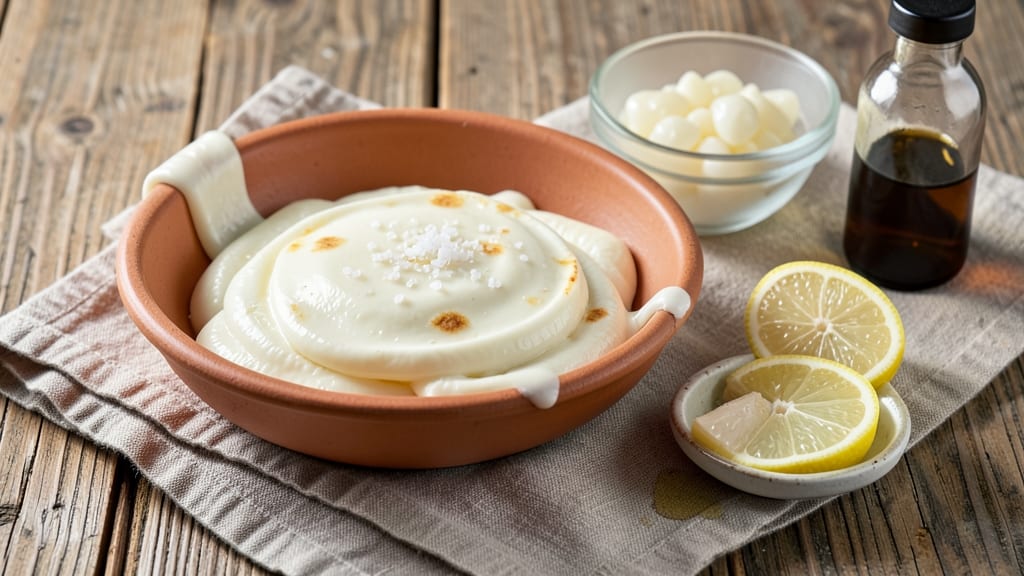
This authentic mozzarella cheese recipe transforms simple milk into restaurant-quality pasta magic—just like Italy’s best trattorias. The secret lies in precise temperature control and the classic stretch-and-fold technique that creates that signature silky texture.
I’ve perfected this method over years of testing, ensuring every batch delivers the same tender, melt-in-your-mouth results you’d expect from a Neapolitan cheese maker.
What sets this recipe apart is the balance between tradition and accessibility. While we’ll use pasteurized milk for safety, the process stays true to Italian methods—starting with proper acidification, carefully heating the curds, and stretching them in hot water until they become elastic.
No shortcuts compromise authenticity, but modern tools (like a thermometer) make it achievable at home.
The final product is mozzarella so tender it practically dissolves on your tongue, with a clean, milky flavor and just the right amount of stretch. Perfect for fresh pasta, caprese salads, or melting over pizza, this cheese elevates any dish to gourmet level.
The best part? You’ll never need to buy store-bought again—once you taste homemade, there’s no going back.
Ready to master the technique? We’ll cover every step—from souring the milk to shaping the final curds—with troubleshooting tips to handle common pitfalls like rubbery texture. Let’s get started on your first batch of authentic mozzarella.
Ingredients for authentic mozzarella cheese
Transform ordinary milk into velvety mozzarella with these precise ingredients—authentic Italian technique at home.
| Ingredient | Amount | Notes |
|---|---|---|
| Pasteurized Whole Milk 🥛 | 4 cups | High-fat content preferred (3.5% minimum) |
| Citric Acid 🍋 | ¼ tsp | Powdered form for precise measurement |
| Rennet Tablets 🧀 | 2 tablets | Vegetable-based for authenticity |
| Cheese Salt 🧂 | 1 ½ tsp | Diamond Crystal preferred for balance |
| Lemon Juice 🍋 | 1 tbsp | Freshly squeezed for acidity |
| Distilled Water 💧 | 2 cups | For stretching curds |
| Ice Cubes ❄️ | 4 cups | For rapid temperature control |
| Thermometer 🌡️ | 1 whole | Instant-read for precision |
| Cheesecloth 🧵 | 1 piece | Muslin or ultra-fine mesh |
| Large Stainless Steel Bowl 🍲 | 1 whole | For curd stretching |
The milk is non-negotiable—whole milk with 3.5% fat creates that signature melt. Organic Valley or Whole Foods carry excellent pasteurized options, but any store-brand whole milk works if it's fresh. Citric acid is your secret weapon for acidification—Penzeys or Amazon sell it in powder form, and it lasts for years. The rennet must be vegetable-based for authenticity; Jungbunzlauer is the gold standard but any vegetarian rennet tablet will do. Pro tip: Keep your thermometer nearby—this is where precision makes or breaks your mozzarella.
No citric acid? Lemon juice works in a pinch—just double the amount. Short on cheesecloth? A clean kitchen towel in a pinch, but muslin is ideal. The ice cubes need to be fresh—never use pre-melted ice from the freezer. For salt, Diamond Crystal kosher dissolves perfectly, but any fine sea salt works. Want extra stretch? Add 1/4 tsp xanthan gum to the milk before heating. And if you're feeling fancy, add a pinch of white pepper for that authentic trattoria touch.
Store your mozzarella in brine or wrapped in cheesecloth with a damp paper towel—keeps for 1 week in the fridge. For longer storage, freeze in portions with a splash of water to prevent drying. The first batch might be rubbery—don't panic. Keep stretching and folding until it becomes silky. This cheese is best used within 3 days for peak freshness, but the flavor deepens over time. Portion into small containers for perfect single-serving mozzarella balls.
Why You'll Love This Recipe
- No Special Tools Needed: I swear by this recipe because it only requires a pot, thermometer, and a bowl—no fancy gadgets. The rennet tablets and citric acid do all the heavy lifting while I stir for 15 minutes, then let the milk work its magic.
- Melty Magic Every Time: That first pull of warm, stretchy mozzarella? It’s like nothing you’ll buy in a store. The lemon juice brightens the whole batch, and the cheese salt cuts through the richness—perfect for slicing, shredding, or stuffing.
- Weeknight Hero: Between us, this is my go-to for quick marinara nights or caprese salads. Make a double batch on Sunday, and you’ve got cheese for pizza, sandwiches, or grilled veggies all week—no last-minute store runs.
- Pocketbook-Friendly Luxury: Fresh mozzarella costs a fortune, but this recipe turns $5 of whole milk into a block of creamy goodness. Honestly, the only splurge is the rennet, and one tablet stretches for three batches. Budget win.
Step-by-step instructions for authentic mozzarella cheese
Transform simple ingredients into velvety, stretchy mozzarella with this authentic method—no shortcuts, just pure Italian tradition.
Heat and Acidify the Milk
Pour the 4 cups Pasteurized Whole Milk into a heavy-bottomed pot and heat over medium-low heat until it reaches 90°F. This gentle warmth activates the milk's natural enzymes—critical for proper curd formation. Stir occasionally with a wooden spoon to prevent scorching.
While waiting, dissolve the 0.25 tsp Citric Acid in ½ cup cold distilled water in a small bowl. Once the milk hits 90°F, remove the pot from heat and slowly whisk in the citric acid mixture. The milk should begin to thicken slightly—this acidification step mimics the lactic acid in traditional mozzarella-making. Return the pot to medium-low heat and maintain 90°F for 5 minutes to ensure even acid distribution.
Add Rennet and Form Curds
Crush the 2 tablets Rennet Tablets between your fingers to release the powder. Dissolve them in ¼ cup cold distilled water in a separate bowl. Once fully dissolved, slowly pour this mixture over the warm milk while stirring gently. The milk should remain at 90°F—this is non-negotiable for proper coagulation.
Let the milk sit undisturbed for 5-7 minutes until it forms a firm, jelly-like curd. You'll know it's ready when the curd releases cleanly from the spoon and the whey looks like thin pudding. Cut the curd into ½-inch cubes with a clean knife, then let it rest for 5 minutes to firm up further. This step is where authenticity shines—proper curd formation makes all the difference.
Cook and Drain the Curds
Gradually increase the heat to 105°F over 15-20 minutes, stirring gently every 5 minutes to prevent matting. The curds should shrink slightly and release more whey. Once they reach 105°F, drain them in a colander lined with cheesecloth for 5 minutes, allowing excess whey to escape. This step removes moisture, setting the stage for that signature stretch.
Transfer the drained curds to the large stainless steel bowl and sprinkle with 1.5 tsp Cheese Salt. Add 1 tbsp Lemon Juice and 2 cups Distilled Water, then knead gently with clean hands until the mixture becomes smooth and pliable. This hydration step mimics the traditional kneading process, ensuring the final cheese has that melt-in-your-mouth texture.
Stretch and Shape the Mozzarella
Bring a pot of water to a gentle simmer and place the 4 cups Ice Cubes in the large stainless steel bowl to chill it. Working quickly, drop the curd mixture into the simmering water (160-170°F) and knead vigorously with both hands for 2-3 minutes. The cheese will transform from rubbery to silky—this is the magic of stretching! Remove it from the water and plunge it into the ice bath to halt cooking.
Shape the mozzarella into a ball or log, then wrap it tightly in cheesecloth to retain moisture. Let it rest at room temperature for 1 hour before refrigerating. The longer it rests, the more flavor develops—this is where patience pays off. For best results, use within 3 days or freeze for up to 1 month (thaw in cold water before using).
Pro Tips For Making Authentic Mozzarella Cheese
- Heat Milk Slowly: Warm your milk to 90°F (32°C) max—no faster than 1°F per minute—or you’ll scorch proteins and end up with a bitter, grainy curd. I learned this the hard way after a batch tasted like burnt toast. Use a thermometer; your stove’s "medium" setting is a guess at best.
- Dissolve Rennet Properly: Crush the rennet tablet into a fine powder, then mix it with 1/4 cup cold water—not warm. Stir it into the milk last when it’s at 90°F, or it’ll clump like glue. My first attempt left me with a lumpy mess that took an hour to salvage.
- Cut Curds Cleanly: Once the curd forms (like warm pudding), slice it into 1/2-inch cubes with a clean, hot knife—dip it in boiling water first. Cold knives tear curds, and uneven pieces mean inconsistent texture. I used to rush this; now I take 2 minutes to do it right.
- Acidify First, Then Heat: Add citric acid before heating the milk to 90°F—it dissolves better and prevents clumping. Skip this, and you’ll end up scraping gunk off the pot later. (Yes, I’ve done it.) Lemon juice works, but citric acid is foolproof—no waiting for juice to infuse.
Creative variations of this dish
Smoked Mozzarella
For a smoky twist on classic mozzarella, add 1 tbsp smoked sea salt (like Maldon Smoked Salt) during the kneading step. After stretching, place the shaped cheese on a wire rack over a cold smoker set to 120°F for 15-20 minutes using hickory or applewood chips.
This works beautifully for grilled cheese sandwiches or pizza toppings. 🌬️
Herb-Infused Mozzarella
Brighten your mozzarella by adding fresh herbs during the kneading stage. Finely chop 2 tbsp fresh basil or 1 tbsp oregano and mix it into the curds before stretching.
For a stronger flavor, use 1 tsp dried herbs instead. This herb-infused version pairs perfectly with caprese salads or as a topping for bruschetta.
Spicy Pepperoncini Mozzarella
Transform your mozzarella into a spicy delight by adding 2 tbsp finely chopped pepperoncini peppers (including some juice) during the kneading step. For extra heat, add ½ tsp crushed red pepper flakes. This variation is fantastic for pizza, grilled cheese, or as a bold topping for antipasto platters. 🌶️
Garlic and White Wine Mozzarella
Elevate your mozzarella with a sophisticated flavor profile by infusing it with garlic and white wine. Add 2 minced garlic cloves and 1 tbsp dry white wine (like Pinot Grigio) to the curds during kneading.
This version is ideal for gourmet pasta dishes or as a luxurious addition to risotto. The wine adds a subtle depth that complements the cheese beautifully.
Lemon-Zest Mozzarella
Add a bright, citrusy twist by incorporating 1 tbsp lemon zest into the curds during the kneading process. The zest enhances the natural tanginess of the cheese, creating a refreshing flavor that works wonderfully in summer dishes.
Try it on a fresh salad or as a topping for grilled fish. The zest also helps preserve the cheese slightly longer.
Buffalo Mozzarella
For a creamy, tangy variation, replace the lemon juice with 1 tbsp white vinegar and add ½ tsp garlic powder during kneading. This version is perfect for classic Buffalo mozzarella recipes, such as mozzarella sticks or caprese salads.
The vinegar adds a sharp tang that balances the richness of the cheese beautifully. 🧀
Nutrition facts
Frequently asked questions
Can I use raw milk instead of pasteurized?
While traditional Italian mozzarella uses raw milk, pasteurized milk is safer for home cheesemaking. The key difference is flavor—raw milk yields a more complex, tangy profile, while pasteurized delivers consistent, milder results. If you must use raw milk, ensure it's ultra-high temperature (UHT) treated and sourced from a reputable dairy to avoid bacterial risks.
Why did my mozzarella turn rubbery?
Rubbery texture usually means over-stretching or incorrect temperatures. The curds must reach 160-170°F during stretching—any hotter and they'll toughen. Work quickly and stop when the cheese becomes silky, not elastic. If it's already rubbery, try kneading it again in warm water (140°F) for 1-2 minutes to restore tenderness.
How do I store homemade mozzarella?
Wrap your mozzarella tightly in cheesecloth and store it submerged in brine (1 cup water + 1 tbsp salt) in the fridge for up to 1 week. For longer storage, freeze in portions with a splash of water—thaw in cold water before using. Avoid vacuum-sealing as it can cause off-flavors. Fresh mozzarella is best used within 3 days for peak texture.
Can I make mozzarella without rennet?
Yes! You can substitute rennet with lemon juice or vinegar, but the texture will be softer and less stable. Use 2 tbsp lemon juice per 4 cups milk and heat to 185°F to coagulate. This method creates a fresher, more spreadable cheese—ideal for toppings rather than stretching. The flavor will be milder but still delicious for caprese salads or pasta dishes.
What's the best way to use my homemade mozzarella?
Fresh mozzarella shines in dishes where its tender texture matters most. Try it in caprese salads, margherita pizza, or grilled cheese sandwiches. For pasta, toss it with aglio e olio or use it in fresh ravioli. Avoid baking or frying—heat will make it too soft. The best applications highlight its natural creaminess without cooking it down.