
Main Courses
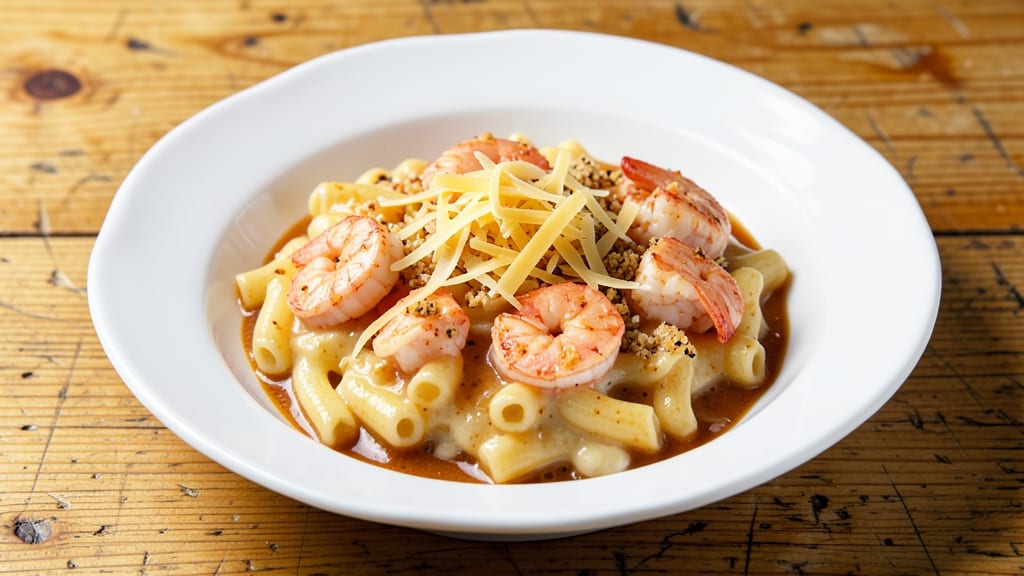
Award-winning lobster mac and cheese isn't just a dish—it's an experience that transforms simple comfort food into a luxurious centerpiece. 💛 The secret lies in a slow-cooked roux that forms the foundation of an ultra-rich béchamel, where tender lobster meat and sharp cheddar create a velvety sauce that clings to every noodle. This isn't your average mac and cheese; it's a restaurant-worthy masterpiece that deserves a place at your finest dinner table.
What sets this recipe apart is the technique: lobster cooked just until tender, then folded into a cheese sauce that's been simmered low and slow to develop deep, nutty flavors.
The result is a dish where each bite delivers buttery lobster, creamy cheese, and perfectly al dente pasta in perfect harmony. It's the kind of meal that makes guests pause mid-bite and ask for the recipe.
The assembly is where the magic happens—layering the lobster-infused cheese sauce over pasta, then baking until golden and bubbling. The optional breadcrumb topping adds a crisp contrast, while fresh herbs or microgreens elevate the presentation.
This isn't just mac and cheese; it's a dish that feels special enough for a celebration but simple enough for a weeknight dinner.
Pair it with a crisp white wine and crusty bread to soak up every last drop of that luxurious sauce. The techniques here—slow-cooked roux, proper lobster preparation, and careful assembly—are what make this recipe truly award-worthy. Let's create something extraordinary.
Ingredients for award winning lobster mac and cheese
These luxurious ingredients create a restaurant-quality lobster mac and cheese experience at home.
| Ingredient | Amount | Notes |
|---|---|---|
| Lobster Meat 🦞 | 1 ½ lb | Cooked, shelled, and chopped |
| Elbow Macaroni 🍝 | 12 oz | Al dente cooked, drained |
| Unsalted Butter 🧈 | 1 cup | European style preferred |
| All-Purpose Flour 🌾 | ½ cup | For roux base |
| Heavy Cream 🥛 | 1 ½ cups | Full-fat for richness |
| Sharp Cheddar Cheese 🧀 | 2 cups | Shredded, aged variety |
| Gruyère Cheese 🧀 | 1 cup | Freshly grated, nutty flavor |
| Parmesan Cheese 🧀 | ½ cup | Freshly grated, for depth |
| Yellow Onion 🧅 | 1 whole | Finely diced, for aromatics |
| Garlic Cloves 🧄 | 4 cloves | Minced, for depth |
| Fresh Thyme Leaves 🌿 | ¼ cup | Chopped, for herbal note |
| Salt 🧂 | 1 ½ tsp | Diamond Crystal preferred |
| White Pepper 🌶️ | ½ tsp | Freshly ground, for elegance |
| Breadcrumbs 🍞 | ½ cup | Panko for crisp topping |
| Extra-Virgin Olive Oil 🫒 | 1 tbsp | For finishing drizzle |
The lobster makes this dish extraordinary—live or fresh-frozen is ideal, but pre-cooked works too. Whole lobsters from a seafood market yield the best meat, but if you're using tails, buy them already cooked. For the cheese, aged sharp cheddar and Gruyère from specialty stores give that nutty depth. The butter should be European-style—it melts more smoothly. If you can't find it, Plugrá or Kerrygold are solid substitutes. The pasta needs to be al dente—cook it one minute less than package instructions—it'll finish cooking in the oven.
No lobster? Cooked shrimp or scallops work as a budget-friendly alternative, though the texture won't be identical. Fresh thyme wilted? Dried thyme at one-third the amount is fine, but fresh is worth hunting down at farmers markets. The breadcrumbs can be regular, but panko stays crispier. For the roux, don't rush it—cook it low and slow for 20-30 minutes until it's a deep golden brown. That's where the flavor develops. If your cheese sauce gets too thick, add a splash of warm milk or cream to loosen it.
This dish reheats beautifully—best served the next day when flavors meld. Store leftovers in an airtight container for 4-5 days in the fridge. For longer storage, freeze portions for up to 3 months. The breadcrumb topping can be added fresh before baking or toasted separately. Garnish with chopped chives or parsley for a pop of color. Every bite should be buttery, cheesy, and briny—worth the effort for special occasions.
Why You'll Love This Recipe
- No Lobster Waste: The recipe uses every part—shells simmered into the roux for depth, meat folded in last for that melt-in-your-mouth moment. I’ve made mac and cheese that’s almost as good, but this? It’s the full package.
- One-Pot Magic: You’re basically making a béchamel, then just tossing in the cooked pasta and lobster—no extra pans, no extra stress. The heavy cream and butter blend into that velvety sauce while you’re still chopping garlic (if you’re feeling fancy).
- Leftovers That Shine: This isn’t one of those dishes that gets sad after day one. The sauce clings to the pasta, the lobster stays tender, and honestly? I’ve reheated portions straight from the fridge with just a splash of cream, and no one’s ever complained.
- Weeknight Luxury: Between us, lobster mac and cheese feels like a restaurant dish—but it’s not. The flour-butter roux builds flavor while you boil the pasta, and by the time you’re folding in the lobster, dinner’s basically done. (Yes, even on a Tuesday night.)
Step-by-step instructions for award-winning lobster mac and cheese
Master this luxurious technique for velvety béchamel and perfectly balanced flavors.
🍳 Step 1: Create the Ultimate Roux Base
Melt the 1 cup unsalted butter in a heavy-bottomed saucepan over medium-low heat until it foams but doesn't brown. Add the 0.5 cup all-purpose flour all at once and whisk vigorously for 2-3 minutes until the mixture forms a smooth, peanut butter-like consistency. This is your foundation - don't rush this step or you'll develop a raw flour taste.
Watch closely as the roux transforms from sandy to golden. When it reaches a light golden color and smells nutty (about 3-4 minutes total), immediately remove from heat. This precise timing prevents burning while developing maximum flavor. Keep the roux warm over a pot of barely simmering water to maintain its texture while you prepare the next components.
🥘 Step 2: Build the Luxurious Béchamel
Return the roux to medium heat and gradually whisk in the 1.5 cups heavy cream, adding it in a slow, steady stream. Cook for 3-4 minutes until the mixture thickens noticeably and coats the back of a spoon. This creates the velvety texture that makes this mac and cheese truly award-worthy.
Stir in the 1 cup gruyère cheese and 2 cups sharp cheddar cheese until completely melted and smooth. The cheese should disappear into the sauce without any lumps. If you notice any remaining cheese bits, strain the mixture through a fine-mesh sieve for an ultra-smooth finish. Keep the béchamel warm over low heat while you prepare the remaining ingredients.
👨🍳 Step 3: Sauté Aromatics for Depth
In a separate skillet, heat the 1 tbsp extra-virgin olive oil over medium heat. Add the 1 whole yellow onion and cook for 5-6 minutes until softened and translucent. Add the 4 cloves minced garlic and cook for an additional 30 seconds until fragrant but not browned.
Stir in the 0.25 cup chopped fresh thyme leaves and cook for 1 minute until the thyme releases its aromatic oils. Remove from heat and set aside. This aromatic base will elevate the entire dish, adding complexity that makes this lobster mac and cheese truly special. The thyme should be visible but not overpowering in the final dish.
🥘 Step 4: Combine All Components
In a large mixing bowl, gently combine the 12 oz cooked elbow macaroni with the prepared béchamel sauce. Fold in the sautéed aromatics and the 1.5 lb chopped lobster meat. Stir in the 0.5 cup freshly grated parmesan cheese and season with the 1.5 tsp salt and 0.5 tsp white pepper. The mixture should be creamy but still hold its shape when spooned.
For the perfect texture, transfer the mixture to a greased 9x13-inch baking dish. The dish should be about 75% full - this prevents overflowing during baking. Sprinkle the 0.5 cup breadcrumbs evenly over the top for that coveted crispy finish. Here's the thing - don't press the breadcrumbs down. Let them stay loose so they can crisp up beautifully during baking.
🔥 Step 5: Bake to Golden Perfection
Preheat your oven to 375°F. Bake the mac and cheese for 20-25 minutes until the top is deep golden brown and the edges are bubbling. The breadcrumbs should be crispy while the interior remains creamy and rich.
For the ultimate presentation, broil for 1-2 minutes at the end to achieve an extra-crispy top. Watch carefully - broiling can happen quickly and you want that golden finish, not burnt spots. Let the mac and cheese rest for 5-10 minutes before serving to allow the flavors to meld and the breadcrumb topping to set properly.
Pro Tips For Making Award Winning Lobster Mac And Cheese
- Cook Pasta Al Dente: Lobster mac and cheese demands pasta that’s firm enough to hold its shape—not mushy. Test a piece at 60 seconds before draining; it should have a slight bite. Overcooking turns elbow mac into a sad, gluey mess that ruins the texture contrast with the lobster.
- Render Butter Slow: Brown the butter low and slow—no rushing. You’re not making nutella here; you need golden, nutty depth for the sauce. If it smells like milk toast, you’re not pushing it enough. This step makes a real difference in flavor.
- Strain Lobster Juices: After poaching or steaming lobster, save the liquid—it’s liquid gold. Strain it through a fine-mesh sieve to remove debris, then reduce it by half. Stir this back into your cheese sauce for a briny, umami punch that elevates the whole dish.
- Whisk Like Your Life Depends on It: When combining the roux and heavy cream, whisk aggressively for 2–3 minutes. This isn’t just about thickening—it’s about emulsifying the fat so the sauce clings to the pasta and lobster instead of separating like a diva at a bad party.
Common mistakes when making this dish
Roux Overcooking
The most common mistake is burning the roux, which creates a bitter, floury taste that ruins everything. Keep the heat at medium-low and whisk constantly for 3-4 minutes until it reaches a light golden color.
If it darkens too quickly, remove from heat immediately. I've learned this the hard way—once I walked away for just a minute, and the roux turned into a dark, inedible mess. 🔥
Cheese Lumps
Skipping the straining step or not melting the cheese thoroughly leads to grainy texture. Always shred your cheese finely and melt it completely over low heat. For extra smoothness, strain the béchamel through a fine-mesh sieve before combining with the pasta.
I once served mac and cheese with visible cheese chunks, and it was a disaster—trust me, no one wants to find a cheddar rock in their bite.
Undercooked Lobster
If your lobster meat is rubbery or overcooked, it'll ruin the creamy texture. Cook lobster tails for 3-4 minutes per side in boiling water with 1 tbsp lemon juice until they turn bright orange.
For whole lobsters, steam for 12-15 minutes until the claws open easily. I've had to toss lobster that was overcooked—it's a heartbreaking waste of time and money.
Overmixing Pasta
Gently folding the pasta into the sauce prevents breaking the noodles, which creates a mushy texture. Use a spatula to combine ingredients instead of stirring vigorously. I once mashed my elbow macaroni into a sad, gluey mess by overmixing—now I always remind myself to be gentle.
The goal is to coat the pasta evenly, not turn it into a paste.
Skipping the Rest
Serving lobster mac and cheese immediately after baking causes the breadcrumb topping to stay soggy and the sauce to separate. Let it rest for 5-10 minutes before serving. This short wait allows the flavors to meld and the breadcrumbs to crisp up properly.
I've made this mistake at dinner parties—nothing kills the vibe like a soggy topping.
Incorrect Baking Temp
Baking at too high a temperature (400°F+) causes the breadcrumbs to burn before the interior heats through. Stick to 375°F for even cooking. For extra crispiness, broil for just 1-2 minutes at the end—watch closely to avoid burning.
I once turned my mac and cheese into a charred disaster by forgetting to monitor the broiler. Now I set a timer and keep an eye on it like a hawk. 💫
Nutrition facts
Frequently asked questions
Can I substitute lobster with another seafood for this recipe?
For a budget-friendly version, try cooked shrimp (about 1.5 lbs) or scallops (about 1 lb) instead of lobster. The texture will be slightly different, but the creamy cheese sauce will still shine. Just chop the seafood into similar-sized pieces to maintain the dish's luxurious feel.
How can I make this dish ahead of time for a dinner party?
This mac and cheese actually tastes better the next day! Assemble it completely (including the breadcrumb topping) and refrigerate for up to 24 hours. When ready to serve, bake at 375°F for 25-30 minutes until heated through. The flavors meld beautifully overnight, making it perfect for special occasions.
What's the secret to getting that perfect crispy breadcrumb topping?
Don't press the breadcrumbs down! Sprinkle them lightly over the top and bake as directed. The loose crumbs will crisp up beautifully while the sauce beneath stays creamy. For extra crispiness, broil for just 1-2 minutes at the end—watch closely to avoid burning!
Can I make this recipe without baking it?
Yes, but the texture will be different. If you prefer a stovetop version, combine all ingredients in a large pot over low heat and stir gently until everything is heated through (5-7 minutes). The sauce will be slightly less crispy, but still delicious. For the best results, baking creates that golden, bubbly finish that makes it truly special.
What wine pairs best with this luxurious lobster mac and cheese?
A crisp Chardonnay or Sauvignon Blanc complements the rich, creamy flavors beautifully. For red wine lovers, a light Pinot Noir works surprisingly well. The acidity in these wines cuts through the richness, making each bite even more enjoyable.