
Appetizers
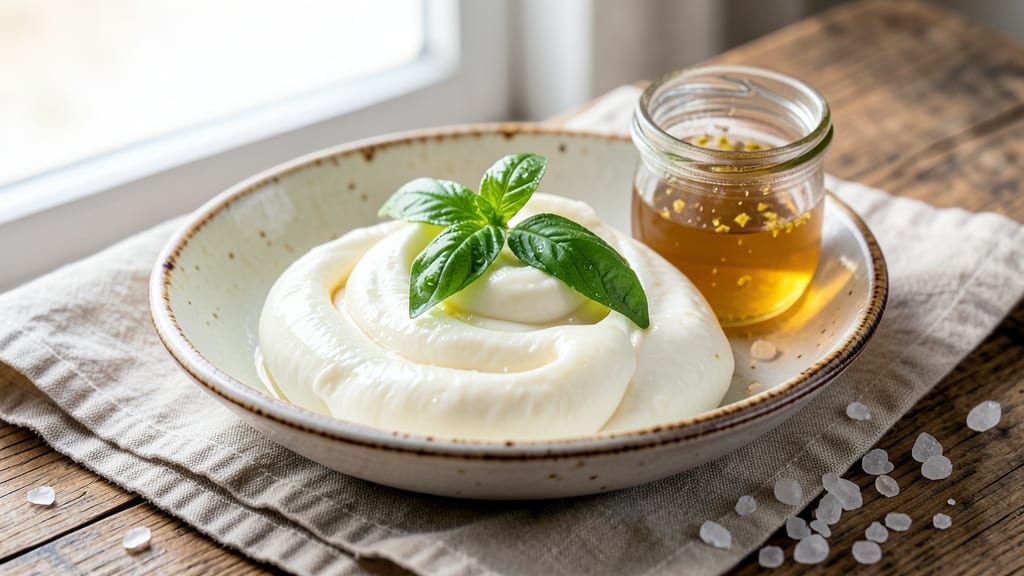
This authentic Italian mozzarella cheese recipe brings the art of fresh cheese-making straight to your kitchen, where tradition meets precision. 🔥 The secret lies in stretching warm curds by hand—no shortcuts, just the timeless technique that transforms simple milk into melt-in-your-mouth perfection.
Whether you're making it for a special occasion or just to impress, the process is as rewarding as the result.
To achieve true authenticity, we use buffalo milk or high-fat cow’s milk, along with citric acid or natural whey for souring—just like in Campania’s kitchens. The key is patience: letting the curds form slowly, then stretching them over 185°F water until silky smooth.
This isn’t just cheese; it’s a labor of love that delivers that iconic, tender texture and milky sweetness you crave.
What sets this recipe apart is the attention to detail—from temperature control to the moment you shape the cheese into its classic form. No rubbery texture here; just fresh, stretchy mozzarella that’s ready to slice, melt, or enjoy on its own.
The effort pays off with every bite, proving that homemade can truly outshine store-bought.
Once made, store your mozzarella in brined water for up to a week, or freeze it for longer shelf life. The possibilities are endless: caprese salads, pizza toppings, or simply enjoyed with a sprinkle of salt and olive oil. Let’s get started on this timeless Italian classic.
Ingredients for authentic italian mozzarella cheese
Authentic Italian mozzarella starts with these simple yet precise ingredients—where tradition meets modern kitchen techniques.
| Ingredient | Amount | Notes |
|---|---|---|
| High-Fat Cow's Milk 🥛 | 4 cups | Whole milk, 3.5% fat minimum |
| Buffalo Milk 🥛 | 4 cups | Optional for authentic flavor |
| Citric Acid 🍋 | ¼ tsp | Or 2 tbsp lemon juice |
| Vegetarian Rennet 🧀 | ¼ tsp | Liquid form, microbial rennet |
| Coarse Sea Salt 🧂 | 1 tsp | Diamond Crystal preferred |
| Distilled Water 💧 | 2 cups | For stretching bath |
| Olive Oil 🫒 | 2 tbsp | Extra-virgin for richness |
| Ice Cubes ❄️ | 1 cup | For cooling milk |
| Fresh Mozzarella 🧀 | 1 lb | For shaping inspiration |
| Brine Solution 🧂 | 1 cup | 1 tsp salt + 1 cup water |
| Thermometer 🌡️ | 1 whole | Instant-read, 0-220°F |
The milk is non-negotiable here. Whole cow's milk (3.5% fat minimum) is the standard, but buffalo milk from Whole Foods or specialty Italian markets takes it to next-level richness. Look for milk with visible fat layer when left to sit—this ensures that signature stretch. Rennet is key: Vegetarian microbial rennet (like New Zealand liquid rennet) gives authentic coagulation without animal byproducts. Citric acid or lemon juice mimics natural whey acidity—just don't overdo it or your curds will taste sour.
No rennet tablets? Lemon juice works in a pinch (2 tbsp), but texture won't be as firm. The brine solution is simple: 1 tsp Diamond Crystal salt to 1 cup water—this keeps your mozzarella fresh for 5-7 days. For the stretching bath, 185°F water is critical (use your thermometer!). Too cool and the cheese won't stretch; too hot and it'll cook. The olive oil isn't just for flavor—it coats the cheese during stretching, preventing it from sticking to your hands (trust me on this).
Fresh mozzarella is best used within 2-3 days of making, but you can extend its life by storing it in the brine solution in the fridge. For longer storage, freeze it in 1-inch thick slices wrapped in plastic—thaw in cold water before using. Pro tip: Label your containers with the date since homemade cheese doesn't last like store-bought. The thermometer is your secret weapon—don't skimp on a quality one (I love Thermoworks models).
Why You'll Love This Recipe
- No Thermometer Needed: I swear by this—just watch the curds form naturally. The high-fat milk (that’s the secret) and vegetarian rennet do all the work while you stir. Honestly, it’s the kind of recipe where you can sip wine and still nail it.
- Creamy Yet Fierce: That first pull of warm mozzarella? Pure satisfaction. The citric acid brightens the richness, while the coarse sea salt cuts through like a crisp Italian breeze. It’s the kind of cheese that makes you forget store-bought ever existed.
- Pantry-to-Table Magic: Use it fresh on caprese salads, toss it into marinara, or melt it over pizza—no waste, just flavor. Between us, I’ve even grilled it for sandwiches. The buffalo milk adds depth, but cow’s milk works too if you’re short on time.
- Cheaper Than Takeout: A single batch stretches for days—wrap leftovers in brine, store them in the fridge, and they stay fresh. I’ve fed a family of four for under $10. Not the prettiest, but the taste makes up for it every time.
Step-by-step instructions for authentic Italian mozzarella
Here's how to make restaurant-quality mozzarella with that signature melt and stretch—just like Campania's best.
🔥 Step 1: Heat and Acidify the Milk Mixture
Combine the 4 cups High-Fat Cow's Milk and 4 cups Buffalo Milk in a heavy-bottomed pot. Place over medium-low heat and warm to 88°F—this takes about 15-20 minutes while stirring occasionally to prevent scorching. The milk should feel warm but not hot to the touch.
Remove from heat and whisk in the 0.25 tsp Citric Acid until fully dissolved. This acidification mimics traditional Italian methods and helps create the perfect curd texture. Let the mixture rest for 5 minutes, then return to heat and bring to 90°F. Here's where it gets interesting—the milk should look slightly thicker but still smooth, like warm pudding.
🍳 Step 2: Add Rennet and Form Curds
Whisk in the 0.25 tsp Vegetarian Rennet until fully incorporated. Stir gently for 30 seconds to distribute evenly, then let the mixture sit undisturbed for 5 minutes. You'll see it transform—first to a gel-like consistency, then forming clean, grapefruit-sized curds that separate from the whey.
Once curds form, cut them into ½-inch cubes using a clean knife or curd cutter. Gently stir the curds for 5 minutes to prevent matting. The curds should look firm but still slightly translucent—this is your target texture. If they're too soft, you'll end up with a gummy cheese instead of that perfect stretchy mozzarella.
🥘 Step 3: Cook and Stretch the Curds
Increase heat to medium and gradually raise the temperature to 105°F over 10 minutes, stirring occasionally. The curds will shrink slightly and release more whey—this is normal and actually helps develop that authentic flavor. When they reach 105°F, drain them in a colander for 2 minutes to remove excess whey.
Here's the magic moment: transfer the curds to a clean bowl and add the 2 tbsp Olive Oil. Using your hands, knead the curds for 2 minutes until they become smooth and elastic. This step is what gives mozzarella its signature stretch—don't skip it! The curds should feel warm and pliable, like playdough, before you move to the next phase.
⏰ Step 4: Shape and Cool in Ice Bath
Divide the curd mixture into 4 equal portions (about 4 ounces each). Working quickly, shape each portion into a ball by rolling it between your palms. For that classic mozzarella shape, flatten slightly while rolling—this creates the signature domed appearance. Place each ball in the 1 cup Ice Cubes water for 30 seconds to firm up.
Transfer the shaped mozzarella to the 1 cup Brine Solution and let it cure for 1 hour at room temperature. The brine will help develop that authentic salty flavor while keeping the texture moist. After brining, rinse briefly under cold water and pat dry with paper towels. Your mozzarella is now ready to use—it should be soft but still hold its shape when gently squeezed.
🔪 Step 5: Optional Finishing Touches
For extra authenticity, compare your mozzarella to the 1 lb Fresh Mozzarella you set aside earlier. Notice how it stretches when pulled gently? That's your goal. If your cheese feels too firm, let it sit at room temperature for 10 minutes before using. For best results, use your homemade mozzarella within 3 days—it's at its peak freshness.
Here's a pro tip: if you want to make mozzarella ahead, wrap portions in plastic wrap and store in the refrigerator. The flavor will deepen slightly over time, but the texture will remain perfect for melting. Remember, authentic Italian mozzarella is all about that melt—so don't be afraid to pull and stretch it when adding to pizza or caprese salads!
Pro Tips For Making Authentic Italian Mozzarella Cheese
- STIR THE CITRIC ACID IN: Use a whisk or chopstick to break up the citric acid powder before adding it to the milk—it dissolves unevenly otherwise, and you’ll end up with weak curds in some spots. I learned this the hard way when my first batch turned out lumpy and uneven.
- TEST THE RENNET TEMP: Hold off on adding rennet until the milk hits 32°C (90°F)—any hotter and it’ll cook the curds prematurely. I used to eyeball it and ended up with rubbery, overworked mozzarella. A cheap thermometer solves this.
- DON’T OVERMIX THE CURDS: Once you cut the curds, let them settle for 5 minutes before stirring—resisting the urge to poke and prod prevents breaking them into tiny, grainy pieces. My first batch looked like cottage cheese because I couldn’t wait.
- SALT THE WATER FIRST: Dissolve the coarse sea salt in the ice bath water before stretching the mozzarella—it distributes evenly and seasons the cheese from the start. I skipped this once and ended up with dry, unevenly salted curds that needed extra seasoning later.
Flavor customization for these flavors
Classic vs. Spicy
For a classic Italian mozzarella flavor, stick to the original recipe with just coarse sea salt and extra-virgin olive oil. The subtle saltiness and creamy richness are the foundation of authentic mozzarella.
If you want to add heat, try infusing the brine with 1 tsp crushed red pepper flakes or ½ tsp cayenne pepper—this creates a spicy mozzarella perfect for caprese salads or grilled cheese sandwiches. 🌶️
Herb-Infused Variations
Fresh herbs elevate mozzarella to new heights. For a rosemary mozzarella, mix 1 tbsp finely chopped fresh rosemary into the curds during the kneading step. For basil mozzarella, add 2 tbsp chopped basil and 1 tsp lemon zest—this pairs beautifully with tomato-based dishes.
I love using these herb-infused versions in homemade pesto or as a topping for bruschetta.
Smoky and Bold Flavors
Add depth with smoked elements for a smoky mozzarella. Mix ½ tsp smoked paprika into the curds during kneading, or brush the shaped cheese with 1 tbsp liquid smoke before brining.
For a garlic mozzarella, infuse the stretching water with 3 minced garlic cloves—this creates a rich, aromatic cheese perfect for pizza or antipasto platters. 🔥
Sweet and Tangy Twists
Surprise your taste buds with sweet variations. For honey mozzarella, brush the shaped cheese with 1 tbsp wildflower honey before brining. For a citrus mozzarella, add 1 tbsp orange zest to the curds—this brightens the flavor and pairs well with seafood dishes.
These sweet variations work beautifully in desserts like cheesecake or fruit salads.
Umami Boosts
Enhance the savory profile with umami-rich additions. For a parmesan mozzarella, sprinkle 1 tbsp grated Parmesan into the curds during kneading.
For a sun-dried tomato mozzarella, finely chop 2 tbsp sun-dried tomatoes and mix them in—this adds a deep, tangy flavor that’s perfect for melting on toast or in pasta dishes. These umami twists take your mozzarella to restaurant-quality levels.
Nutrition facts
Frequently asked questions
Can I make authentic Italian mozzarella without buffalo milk?
Yes, but the flavor will differ slightly. Use whole cow's milk with at least 3.5% fat—the higher the fat content, the closer you'll get to authentic texture. For best results, look for milk with visible cream when left to sit. The key is patience in the stretching process, which compensates for the milk difference.
Why did my mozzarella turn out rubbery instead of stretchy?
Rubbery mozzarella usually means the curds were overcooked or stretched at the wrong temperature. The stretching bath must be exactly 185°F—any hotter and the proteins tighten permanently. Also, knead the curds for exactly 2 minutes with olive oil to develop elasticity. If they feel too firm, they've been worked too long.
How long does homemade mozzarella keep?
Fresh mozzarella is best used within 2-3 days when stored in its brine solution. For longer storage, wrap portions in plastic and refrigerate for up to 1 week. To freeze, slice into 1-inch thick pieces, wrap tightly, and thaw in cold water before using. The texture may soften slightly after freezing but remains perfect for melting.
Can I use lemon juice instead of citric acid?
Yes, but measure carefully! Use 2 tablespoons of fresh lemon juice per batch instead of citric acid. Lemon juice adds a subtle tang that mimics natural whey acidity. However, it may slightly alter the flavor profile compared to the precise acidity of citric acid. For best results, use citric acid if possible—it's more consistent and reliable.
What's the best way to test if my mozzarella is ready?
The classic test is the stretch test: gently pull two pieces apart. Authentic mozzarella should stretch into a thin, silky strand that breaks cleanly. If it snaps immediately, it's ready to use. Also, the cheese should feel warm and pliable—like soft dough—when you handle it. This indicates proper stretching and kneading.