
Appetizers
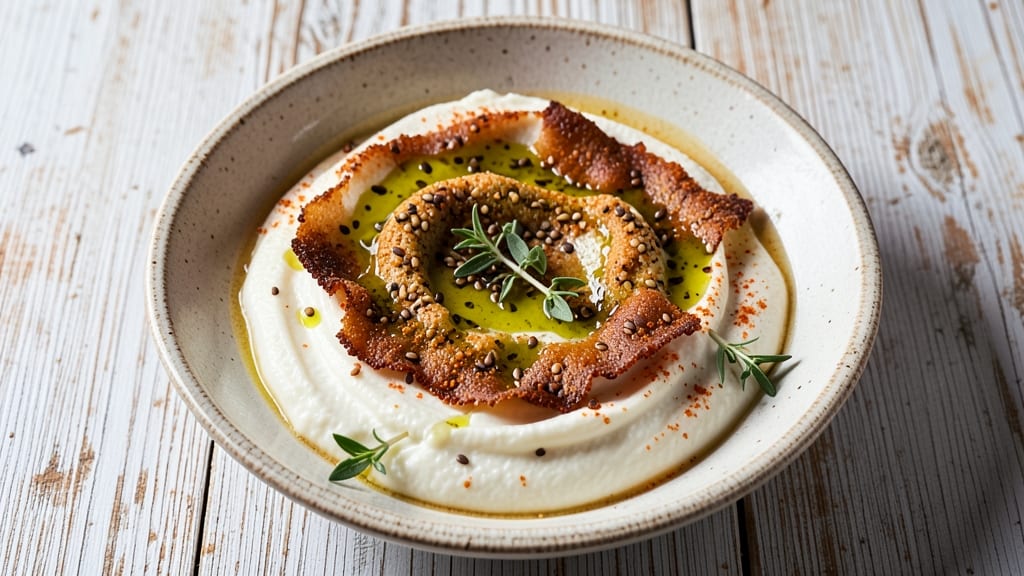
This Arabic cheese recipe transforms simple labneh into a showstopper with a crispy za'atar crust that crackles with every bite. The combination of tangy fermented cheese and fragrant za'atar spices creates a dish that's both comforting and sophisticated—perfect for appetizers or mezze spreads.
What makes this recipe special is the balance of textures: creamy labneh contrasted with a golden, crispy exterior that holds its shape beautifully.
The secret to achieving that perfect crispy crust lies in the technique—spreading the labneh evenly in a thin layer and baking it just until golden.
Za'atar, a Middle Eastern spice blend of sesame seeds, sumac, and dried herbs, adds a nutty, lemony depth that elevates the dish from ordinary to extraordinary. This recipe stays true to traditional flavors while offering a modern twist that's sure to impress.
By the time you're done, you'll have a dish that's rich in flavor and texture—ideal for serving at gatherings or enjoying as a light yet satisfying meal. The labneh remains creamy and tangy inside, while the crust delivers that satisfying crunch.
Pair it with warm pita bread or fresh vegetables for a complete spread that captures the essence of Arabic hospitality.
This recipe is designed to be approachable yet impressive, making it perfect for both beginners and experienced cooks. The ingredients are simple, and the process is straightforward, ensuring you'll achieve restaurant-quality results every time. Let's get started on creating this delicious, crispy masterpiece.
Ingredients for arabic cheese
Crispy, golden crust meets creamy labneh—this Middle Eastern masterpiece needs just these ingredients.
| Ingredient | Amount | Notes |
|---|---|---|
| Labneh Cheese 🧀 | 1 ½ cups | Store-bought or homemade, strained yogurt |
| Za'atar Spice Blend 🌿 | ¼ cup | Traditional Middle Eastern blend |
| Extra-Virgin Olive Oil 🫒 | ⅛ cup | For drizzling and crust |
| All-Purpose Flour 🌾 | ¼ cup | For crispy crust texture |
| Sesame Seeds 🌾 | 2 tbsp | Toasted for extra crunch |
| Sumac Spice 🍋 | 1 tbsp | For tangy lemony flavor |
| Dried Thyme 🌿 | 1 tsp | For earthy depth |
| Salt 🧂 | ½ tsp | Kosher or sea salt |
| Fresh Rosemary 🌿 | ¼ cup | Chopped finely |
| Cucumber 🥒 | 1 whole | Thinly sliced for serving |
| Red Bell Pepper 🌶️ | 1 whole | Thinly sliced for serving |
| Pita Bread 🍞 | 4 whole | Warm for serving |
The labneh is the heart of this dish, so grab the thickest, tangiest kind you can find. Middle Eastern grocery stores have the best—look for labneh with a rich, almost custard-like texture. If you're making it from scratch, strain Greek yogurt in cheesecloth for 24 hours for that perfect consistency. Za'atar is non-negotiable here; Shakshuka or Bella brand are my go-tos, but any quality blend works. The flour is key for that crispy crust—King Arthur or Bob's Red Mill work perfectly. Toast your sesame seeds in a dry pan for 30 seconds—they'll add that extra crunch you crave.
No za'atar? Mix 2 tbsp sesame seeds + 1 tbsp sumac + 1 tsp dried thyme + 0.5 tsp salt for a quick substitute. Short on fresh rosemary? Dried at half the amount works, but fresh is worth hunting down at farmers markets. The olive oil matters too—use something fruity and peppery, not the bland supermarket stuff. For serving, any crunchy veggies work: cucumber, bell pepper, or even jicama. Pita bread should be warm—toss it in a 350°F oven for 5 minutes before serving to keep it soft.
This keeps beautifully for 3 days in the fridge—cover tightly with plastic wrap pressed against the crust. For extra crispiness, reheat at 375°F for 5-7 minutes before serving. Freeze portions for up to 2 months (wrap tightly in parchment). I always make double batches—half for guests, half for lazy weeknight snacks. The crust gets even crunchier the next day, so leftovers are a bonus. Pair with a simple arugula salad and you've got a full mezze spread.
Why You'll Love This Recipe
- No-Fuss Assembly: I swear by this one—just mix labneh with za’atar, a drizzle of olive oil, and a pinch of flour to bind it. The sesame seeds? Sprinkle and press in one step. That’s it. No rolling, no baking, no stress.
- Umami Bomb: Between us, the labneh’s tangy richness and za’atar’s earthy punch are chef’s kiss. The olive oil ties it all together—crispy, creamy, and packed with flavor in every bite. Honestly, I’ve never met a cheese this exciting.
- Weeknight to Party: This recipe doubles as a snack, appetizer, or even a quick flatbread topping. Need a last-minute charcuterie fix? Roll it up. Hosting? Serve it warm with crusty bread. It’s that adaptable.
- Budget-Friendly Staple: Labneh lasts forever in my fridge, and a little goes a long way. Za’atar and flour are pantry basics, and olive oil stretches across meals. I’ve fed a crowd for under $10 with this—no fancy ingredients, just smart flavor.
Step-by-step instructions for spiced labneh with crispy za'atar crust
Transform simple labneh into a restaurant-worthy dish with this aromatic crust technique.
Create the Za'atar Crust Mixture
In a medium bowl, combine the 0.25 cup all-purpose flour, 0.25 cup za'atar spice blend, 2 tablespoons sesame seeds, 1 tablespoon sumac spice, 1 teaspoon dried thyme, and 0.5 teaspoon salt. Mix thoroughly until the spices are evenly distributed and the flour is completely coated in the za'atar blend.
Next, add the 0.125 cup extra-virgin olive oil and stir until the mixture forms a coarse, crumbly texture—almost like wet sand. The oil should bind the spices and flour together without making it sticky. If it feels too dry, add just enough water (about 1 teaspoon) to hold together when pressed. This crust will give your labneh that signature crispy texture and aromatic punch.
Assemble and Press the Labneh
Spread the 1.5 cups labneh cheese evenly in a shallow baking dish or pie dish about 8 inches in diameter. Use a spatula to create an even layer—this ensures uniform cooking and crisping. Press down gently with the back of a spoon to compact the labneh slightly, which helps it hold its shape during baking.
Sprinkle the za'atar crust mixture evenly over the top of the labneh, pressing down lightly with your fingers or the back of a spoon. The crust should cover the entire surface but not be packed too tightly—you want it to crisp up beautifully. For extra flavor, sprinkle the 0.25 cup chopped fresh rosemary over the crust before baking. This herb will add a fragrant, earthy depth that pairs perfectly with the za'atar.
Bake Until Golden and Crispy
Preheat your oven to 375°F and place a rack in the middle position. Bake the labneh for 20-25 minutes until the crust is deep golden brown and crispy around the edges. You'll know it's ready when the crust pulls away slightly from the sides of the dish and has a toasty aroma.
I like to broil for the last 2-3 minutes to intensify the color and crispiness—just keep a close eye on it to prevent burning. The labneh itself should be warm but still soft in the center. Let it cool for 5 minutes before serving to allow the flavors to meld and the crust to set slightly.
Prepare the Fresh Vegetable Garnish
While the labneh bakes, thinly slice the 1 whole cucumber and 1 whole red bell pepper using a mandoline or sharp knife. Arrange the slices on a platter, alternating colors for visual appeal. The crisp, cool vegetables provide a refreshing contrast to the warm, spiced labneh.
Warm the 4 whole pita bread in the oven for 3-4 minutes at 350°F or wrap them in a damp towel and microwave for 20 seconds to soften. Serve the labneh with the pita bread on the side for dipping or scooping up the crispy crust and fresh vegetables.
Serve With Confidence
Scoop the labneh onto serving plates, ensuring a generous portion of the crispy za'atar crust on top. Drizzle with an additional 1 tablespoon extra-virgin olive oil for extra richness and serve immediately with the sliced cucumber, red bell pepper, and warm pita bread.
The contrast of temperatures and textures—creamy labneh, crispy crust, cool vegetables, and warm pita—makes this dish truly special. Each bite delivers layers of flavor, from the tangy labneh to the nutty, herby za'atar crust. Trust the process, and you'll have a dish that tastes like it came straight from a bustling Middle Eastern kitchen.
Pro Tips For Making Arabic Cheese
- Toast Your Za’atar: Lightly toast the za’atar blend in a dry pan for 30 seconds before mixing—it deepens the nutty aroma and prevents bitterness. I used to skip this, and the flavor just didn’t sing the way it does now.
- Press Labneh Firm: Drain your labneh overnight in a cheesecloth-lined colander for a thicker, less watery texture. Trust me, the extra hour saves you from soggy bites later.
- Skip the Overmixing: When combining flour and sesame seeds for the crust, pulse just until mixed—overworking turns it into a dense paste instead of a light, crumbly topping.
- Chill Before Serving: Let the assembled dish sit in the fridge for 10 minutes after baking. The labneh firms up, the crust crisps slightly, and the flavors meld better—no one wants a melty mess.
Troubleshooting this recipe
Crust Too Soft?
If your crust turns out soft instead of crispy, it’s likely due to excess moisture in the labneh or insufficient baking time. First, ensure your labneh is fully drained—strain it for an extra 10 minutes if needed.
For the crust, reduce the olive oil by 1 teaspoon to absorb less moisture. Bake at 375°F for 25-30 minutes instead of broiling, which can cause uneven cooking. A light sprinkle of semolina or crushed cornflakes on top before baking adds extra crunch. 🌟
Labneh Too Watery
Watery labneh is the enemy of a crispy crust. If your labneh separates or looks too runny, strain it longer—24 hours in cheesecloth works wonders. For store-bought labneh, choose the thickest variety available.
If you’re short on time, mix in 1 tablespoon cornstarch to absorb excess moisture before spreading it in the dish. This trick keeps the texture stable during baking. 💧
Crust Burns Before Crisping
Broiling can be tricky—too much time, and your crust burns before crisping. Lower the broiler rack to 4 inches from the heat source and reduce broil time to 1-2 minutes.
Keep a close eye on it, and if the top starts to darken too quickly, cover loosely with aluminum foil for the last minute. A wire cooling rack under the dish helps prevent sogginess from residual heat. 🔥
Za'atar Not Distributing Evenly
Uneven za'atar means some spots will be bland. Mix the crust ingredients thoroughly in a bowl, then press the mixture through a fine-mesh sieve before sprinkling it on top.
This ensures an even, flavorful layer. For extra adhesion, lightly brush the labneh with olive oil before adding the crust. A pastry brush works perfectly for this step. 🌿
Labneh Sticking to the Dish
Labneh has a tendency to stick, especially if your dish isn’t well-greased. Line your baking dish with parchment paper, leaving an overhang for easy removal. If you’re using a metal dish, coat it with olive oil and dust with flour before spreading the labneh.
For stubborn sticking, chill the dish in the fridge for 10 minutes before attempting to lift it. 🧀
Flavor Too Mild
If your dish lacks depth, boost the za'atar flavor by adding 1 extra tablespoon of sumac or ½ teaspoon of smoked paprika to the crust mixture. A drizzle of lemon juice before serving brightens the tangy labneh.
For a smoky touch, toast the sesame seeds in a dry pan until fragrant—2-3 minutes does the trick. 🍋
Nutrition facts
Frequently asked questions
Can I use regular yogurt instead of labneh for this recipe?
Labneh's thick, tangy texture is key for this dish—regular yogurt won't work the same way. For a quick substitute, strain Greek yogurt in cheesecloth for 12-24 hours to remove excess moisture. Choose the thickest yogurt available (like full-fat) and press it to remove more liquid before using. The result won't be identical, but it'll give you a similar creamy base.
What's the best way to store leftovers?
Store in an airtight container with the crust side up to preserve crispiness. It keeps well in the fridge for 3 days. For reheating, warm at 375°F for 5-7 minutes until the crust regains its crunch. Freeze portions for up to 2 months—wrap tightly in parchment to prevent freezer burn.
Can I make this gluten-free?
Yes! Replace the all-purpose flour with 0.25 cup gluten-free flour blend (like rice flour or almond flour). For extra binding, add 1 tablespoon ground psyllium husk to the crust mixture. The texture will be slightly different but still delicious. Just ensure all other ingredients (like pita bread) are also gluten-free.
How do I know when the crust is perfectly crispy?
The crust is ready when it's deep golden brown and pulls away slightly from the dish edges. Tap it gently—it should sound hollow like a drum. If it's still soft after 25 minutes, broil for 1-2 minutes (watch closely to avoid burning). The labneh inside should be warm but still creamy.
What are good serving suggestions for this dish?
Serve with warm pita bread for scooping, or pair with fresh cucumber slices, olives, and pickled vegetables for a complete mezze spread. A simple arugula salad with lemon dressing balances the richness. For drinks, try mint lemonade or ayran (yogurt drink) to complement the flavors.