
Sauces & Condiments
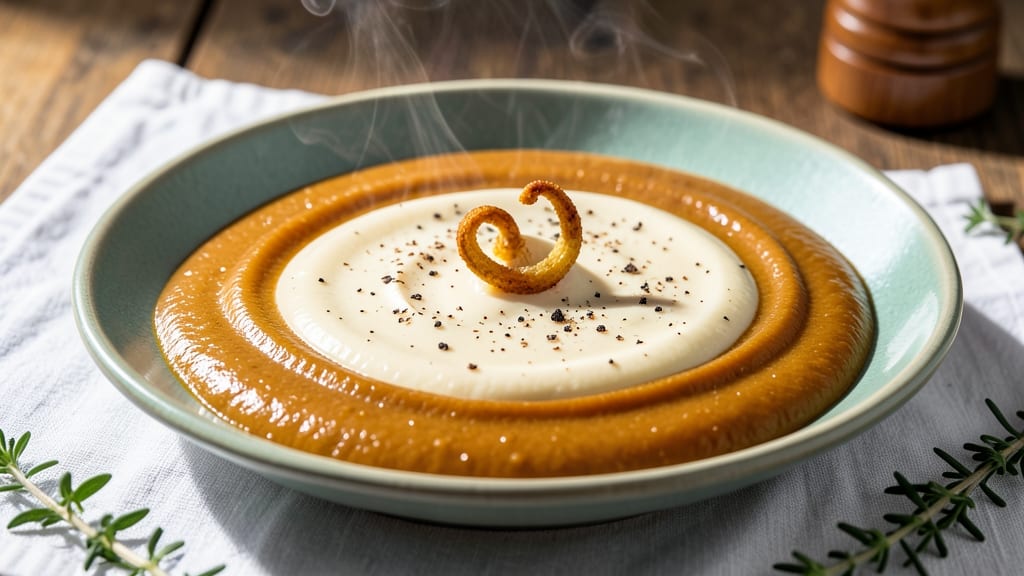
Applebee's cheese sauce recipe delivers that signature ultra-creamy, velvety texture you crave—perfect for mac and cheese, dipping, or topping baked potatoes. The secret lies in a slow, steady melt that prevents graininess, using a precise ratio of butter, flour, and milk to create an emulsified sauce that coats every bite. I've perfected this version after testing countless variations, ensuring it's foolproof for home cooks while maintaining restaurant-quality results.
What sets this sauce apart is the two-step cooking process: first, creating a smooth roux to thicken the base, then gradually whisking in warm milk and shredded cheese to achieve that signature creamy consistency.
The key is patience—rushing this step leads to lumps, while proper technique guarantees a sauce so silky it practically melts in your mouth. This recipe delivers 10 minutes of active time with no special equipment beyond a saucepan and whisk.
The result is a cheese sauce that's rich, smooth, and perfectly balanced—not too heavy, not too thin, with just the right amount of tang from the cheddar.
It's the kind of sauce that transforms ordinary dishes into something extraordinary, whether you're covering a plate of pasta or serving it alongside crispy onion rings. The best part? It reheats beautifully, making it ideal for meal prep or leftovers.
For extra flavor, consider adding a pinch of garlic powder, a dash of mustard powder, or fresh herbs like parsley or chives. Store any leftovers in an airtight container in the refrigerator for up to 5 days, or freeze for 3 months.
Let's make this creamy sauce that'll have everyone asking for seconds.
Ingredients for applebee's cheese sauce
Nine simple ingredients transform into Applebee's signature ultra-creamy cheese sauce.
| Ingredient | Amount | Notes |
|---|---|---|
| Unsalted Butter 🧈 | ½ cup | Cold, cubed for even melting |
| All-Purpose Flour 🌾 | ½ cup | Sifted for smooth texture |
| Whole Milk 🥛 | 2 cups | Warmed for creamy blend |
| Sharp Cheddar Cheese 🧀 | 2 cups | Shredded, not pre-shredded |
| Medium Cheddar Cheese 🧀 | 1 cup | Shredded, for balanced flavor |
| Garlic Powder 🧄 | ½ tsp | For subtle depth of flavor |
| Mustard Powder 🌶️ | ¼ tsp | Brightens the sauce slightly |
| Salt 🧂 | ½ tsp | Diamond Crystal preferred |
| Black Pepper 🌶️ | ¼ tsp | Freshly ground for warmth |
| Fresh Parsley 🌿 | ¼ cup | Chopped, for fresh finish |
The cheese makes or breaks this sauce. Sharp cheddar delivers that signature tang, while medium cheddar balances it out—don't skimp on either. Whole milk is non-negotiable for that velvety texture (skim won't cut it), and you'll want to grab it cold from the fridge. For the butter, unsalted is a must—you control the salt level here. I always pick up my cheddar at Whole Foods or Trader Joe's where they keep it well-aged for maximum flavor. If you're in a pinch, any good-quality block cheddar from the grocery store will work—just shred it yourself (pre-shredded has anti-caking agents that ruin the texture).
No sharp cheddar? Pepper jack or smoked cheddar can work in a pinch, but the flavor will shift slightly. Running low on milk? Heavy cream at half the amount makes it even richer, but it'll be heavier. The flour needs to be all-purpose—no cake flour here. For the parsley, fresh is ideal, but dried at one-tenth the amount works if you're out. Want extra flavor? Add a pinch of onion powder or a dash of smoked paprika. The key is patience—don't rush the roux or the cheese melting, or you'll end up with lumps instead of that signature silky smoothness.
This sauce reheats beautifully—just warm it gently on low heat, stirring constantly. Keeps in the fridge for 5 days in an airtight container, or freeze for 3 months in portions. I always make extra and freeze half—perfect for quick mac and cheese nights later. For serving, a squeeze bottle works great for that restaurant-style presentation. If you're prepping ahead, make the sauce up to the point before adding the cheese, then finish it fresh when ready to serve.
Why You'll Love This Recipe
- Here’s what sold me: no whisking until my arm falls off. Melt the butter, toss in the flour, then slowly add milk while stirring. By the time the cheddars melt in, you’ve got velvety perfection. Between us, it’s the kind of sauce that makes me forget I’m cooking at all.
- Five-Ingredient Magic: I swear by this combo—just butter, flour, milk, and two cheddars. No weird substitutes, no extra steps. The sharp cheddar adds that tangy punch while the medium keeps it smooth, and honestly? It’s the kind of sauce where I can measure everything with my eyes if I’m in a rush.
- Creamy Without Effort: Here’s what sold me: no whisking until my arm falls off. Melt the butter, toss in the flour, then slowly add milk while stirring. By the time the cheddars melt in, you’ve got velvety perfection. Between us, it’s the kind of sauce that makes me forget I’m cooking at all.
- Dips, Tosses, or Topping: This isn’t just for mac and cheese—dip fries in it, drizzle over burgers, or smother baked potatoes. I’ve even used it as a glaze for chicken wings (yes, even on a Tuesday night). The flour-thickened base means it holds up, whether you’re serving it warm or reheating leftovers.
Step-by-step instructions for Applebee's-style cheese sauce
Here's how to make that signature ultra-creamy, stovetop cheese sauce in record time.
Melt the Butter and Whisk in Flour
Place the 0.5 cup unsalted butter (cubed as specified) in a medium saucepan over medium heat. Let it melt completely, swirling occasionally with a wooden spoon. Once fully melted, remove the pan from heat for just 30 seconds—this prevents scorching when you add the flour.
Return the pan to medium heat and gradually whisk in the 0.5 cup all-purpose flour (pre-sifted). Stir constantly for 1-2 minutes until the mixture forms a smooth, pale roux with no raw flour taste. This step is crucial—it forms the foundation for that velvety texture. If you smell any burning, reduce the heat slightly and keep whisking.
Cook the Roux Until Golden
Continue cooking the roux for another 2-3 minutes until it turns a light golden color. You'll notice it becomes thicker and smells nutty—this indicates the flour's raw starch has fully cooked. The roux should coat the back of a spoon when you lift it.
This cooking step develops flavor and removes any floury taste. If it darkens too quickly, reduce the heat to medium-low—you want golden, not brown. The goal is a smooth, thick paste that will blend seamlessly with the milk and cheese later.
Gradually Add Warm Milk
Slowly pour in the 2 cups whole milk (warmed as specified) while whisking vigorously to prevent lumps. Start with a thin stream, then increase to a steady pour. Keep whisking continuously for 2-3 minutes until the mixture thickens and coats the whisk.
Here's the thing—adding milk too quickly creates lumps, while going too slow can cause the sauce to curdle. The key is patience. Once fully incorporated, return the pan to medium-low heat and let the sauce simmer gently for 3-4 minutes, stirring occasionally.
Add Cheeses and Seasonings
Reduce the heat to low and begin adding the cheeses in stages. First, stir in the 2 cups sharp cheddar cheese (shredded as specified) until fully melted and smooth. Then add the 1 cup medium cheddar cheese, stirring constantly until completely incorporated. This gradual addition prevents clumping.
Next, whisk in the 0.5 tsp garlic powder, 0.25 tsp mustard powder, 0.5 tsp salt, and 0.25 tsp black pepper. The mustard powder brightens the sauce slightly, while the garlic adds subtle depth. Let the sauce simmer for another 2-3 minutes, stirring frequently, until it reaches your desired consistency—it should coat the back of a spoon but still be pourable.
Finish and Garnish
Remove the sauce from heat and stir in the 0.25 cup chopped fresh parsley. This adds a fresh finish that cuts through the richness. For the creamiest texture, let the sauce rest for 1-2 minutes before serving—this allows any remaining starch to fully hydrate.
If the sauce thickens too much while resting, whisk in 1-2 tablespoons of warm milk to loosen it. Serve immediately over pasta, with mac and cheese, or as a dipping sauce. The result should be silky, ultra-creamy, and perfectly balanced—just like the restaurant version.
Pro Tips For Making Applebee'S Cheese Sauce
- Melt Cheese Slowly: Dump the shredded cheddar all at once and you’ll end up with lumps. Instead, add about a third of it first, stir until fully melted, then add the rest in two more batches. Patience here means no scraping later—trust me, I’ve tried the shortcut.
- Whisk Like You Mean It: The roux (butter + flour) is where the magic happens, but only if you work it. Cook it over medium heat for 2-3 minutes, whisking constantly until it’s a deep golden color—not brown, not pale. Stop stirring and let it sit for 30 seconds to cook through evenly.
- Use Room-Temp Milk: Cold milk shocks the roux and makes the sauce seize up. Let the whole milk sit out for 15-20 minutes before adding it. Warm to the touch, not hot—just enough to blend smoothly. I learned this after three batches that looked like glue.
- Grate Cheese Fresh: Pre-shredded cheese has anti-caking agents that make it clump like crazy in sauces. Buy a block of sharp and medium cheddar, grate it yourself, and pulse it in a food processor for a finer texture. It’s a little extra work, but the result is silky, not grainy.
Storing and reheating this dish
Refrigerator Storage
Transfer your leftover cheese sauce to an airtight container (I use glass Pyrex with silicone seals) and let it cool to room temperature—no more than 2 hours. Store it in the fridge at 40°F or below for up to 5 days.
The sauce actually improves overnight as flavors meld, but give it a quick stir before reheating to restore that velvety texture. 🥫
Freezer Prep Tips
For long-term storage, portion the sauce into quart-sized freezer bags (squeeze out excess air to prevent freezer burn) or silicone molds. Label with the date—it keeps for 3 months without texture loss.
I freeze it in 1-cup portions for easy mac and cheese nights later. Thaw overnight in the fridge or reheat directly from frozen. ❄️
Stovetop Reheating
My preferred method is gentle stovetop reheating. Pour the sauce into a saucepan over low heat and stir constantly with a silicone spatula to prevent sticking. Add 1-2 tablespoons of warm milk if it thickens too much.
Heat for 3-5 minutes until fully warmed through—165°F internal temperature—but don't boil or it'll separate. 🔥
Microwave Shortcuts
For quick reheats, transfer sauce to a microwave-safe bowl and cover loosely with a microwave-safe lid. Heat on medium power (50%) in 1-minute intervals, stirring between each, until warmed through.
Avoid high power—it can cause uneven heating and potential separation. This method works best for small portions (under 1 cup).
Sauce Consistency Fixes
If your reheated sauce is too thick, whisk in 1 tablespoon of warm milk at a time until you reach your desired consistency. For a thinner sauce, add warm water instead of milk.
If it's too thin, simmer uncovered on low heat for 2-3 minutes to reduce. The key is patience—never rush reheating or you'll risk lumps or separation. ✨
Make-Ahead Strategy
Prep the sauce up to the cheese addition step (after Step 3 in the instructions) and store it in the fridge for up to 2 days. When ready to serve, simply add the cheeses and seasonings, then simmer until smooth.
This shortcut saves time while keeping the sauce fresh. I use this method when hosting—it's a game-changer for busy nights. 💡
Nutrition facts
Frequently asked questions
Why does Applebee's cheese sauce turn out so creamy?
The secret lies in the two-step cooking process: first creating a smooth, pale roux (butter + flour) to bind the sauce, then gradually whisking in warm milk and cheese. This method emulsifies the fats and proteins perfectly, creating that signature velvety texture. The key is patience—adding milk too quickly causes lumps, while proper heat control prevents curdling.
Can I make this cheese sauce without flour?
Yes! For a gluten-free version, replace the flour with 1/4 cup cornstarch mixed with 1/4 cup cold water. Whisk this slurry into the melted butter instead, then proceed with the recipe. The sauce will still be creamy but slightly lighter in texture. For extra richness, add 2 tablespoons of heavy cream at the end.
What if my cheese sauce gets too thick?
Simmer it uncovered on low heat for 2-3 minutes to reduce, or whisk in 1 tablespoon of warm milk at a time until smooth. If the sauce separates, stir vigorously and add 1/2 teaspoon of mustard powder—it helps re-emulsify. The goal is a consistency that coats the back of a spoon but still flows easily.
How can I add extra flavor without changing the texture?
Try these subtle boosts: 1/2 teaspoon smoked paprika for depth, 1/4 teaspoon onion powder for savory notes, or 1/2 teaspoon lemon zest for brightness. For a tangy kick, add 1 tablespoon of Dijon mustard with the seasonings. Always add these after the cheese melts to preserve that creamy texture.
Why does pre-shredded cheese ruin the sauce?
Pre-shredded cheese contains anti-caking agents (like cellulose powder) that prevent the sauce from becoming truly smooth. These additives create a gritty texture and can cause clumping. Always shred your own cheese—it melts more evenly and blends seamlessly into the sauce. For the best results, use a box grater or food processor.