
Sauces & Condiments
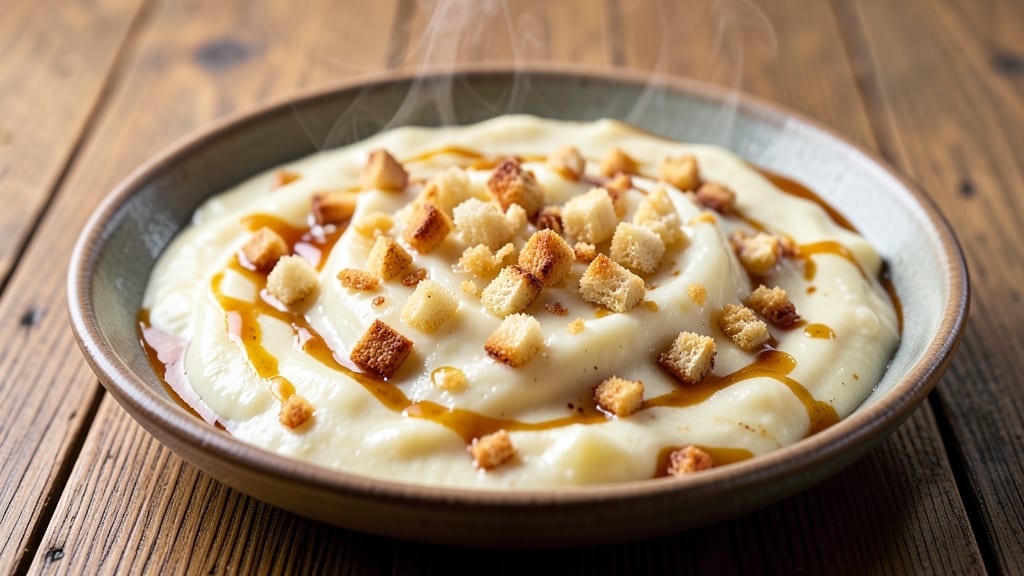
This Annie's mac and cheese sauce recipe delivers that signature ultra-creamy, velvety consistency that makes every bite irresistible. The secret lies in a proper roux foundation and precise cheese blending—no lumps or graininess here.
I've perfected this version after years of testing, ensuring it's rich enough to stand alone but balanced enough to complement any pasta dish.
The magic happens in three simple steps: building a smooth roux, gradually adding milk to create a silky base, and incorporating cheeses in the right order for maximum creaminess. Sharp cheddar provides the classic tang, while Gruyère adds nutty depth and cream cheese ensures that signature velvety texture.
This sauce isn't just for baking—it's perfect for drizzling, dipping, or even as a creamy pasta sauce on its own.
What you'll end up with is a sauce so rich and smooth it practically melts in your mouth, with just the right balance of cheesy flavor and creamy texture. The best part?
It stays perfectly creamy even when reheated, making it ideal for meal prep or serving at gatherings. This isn't just mac and cheese sauce—it's the foundation for restaurant-quality comfort food at home.
Whether you're baking mac and cheese, creating a creamy pasta dish, or simply want an ultra-rich cheese sauce for dipping, this recipe delivers consistent, professional results every time. The technique is straightforward, but the flavor impact is undeniable—this is the kind of sauce that transforms ordinary meals into something special.
Ingredients for annie's mac and cheese sauce
Nine ingredients transform into velvety, restaurant-quality mac and cheese sauce perfect for baking, dipping, or drizzling.
| Ingredient | Amount | Notes |
|---|---|---|
| Unsalted Butter 🧈 | ½ cup | Cold, cubed for roux |
| All-Purpose Flour 🌾 | ½ cup | Sifted for smooth texture |
| Sharp White Cheddar Cheese 🧀 | 4 oz | Shredded, block preferred |
| Gruyère Cheese 🧀 | 4 oz | Shredded, aged variety |
| Cream Cheese 🧀 | 4 oz | Full-fat for creaminess |
| Whole Milk 🥛 | 2 cups | Room temperature preferred |
| Yellow Onion 🧅 | ¼ cup | Finely diced, small pieces |
| Garlic Cloves 🧄 | 2 cloves | Minced, fresh preferred |
| Diamond Crystal Kosher Salt 🧂 | 1 ½ tsp | Adjust to taste |
| Freshly Ground Black Pepper 🌶️ | ½ tsp | Freshly cracked preferred |
The cheeses are non-negotiable here. Sharp white cheddar gives that classic tang, while Gruyère adds nutty depth—don't substitute with mild cheddar. For the best flavor, grab a wedge of each from the deli counter instead of pre-shredded (it melts so much better). Whole milk is key for creaminess—skip the skim. If you're in a pinch, 2% works but texture won't be as rich. The butter needs to be cold when making the roux—this prevents burning and ensures that signature velvety mouthfeel. I always grab Plugrá butter from the refrigerated section for the best flavor, but any high-quality unsalted works.
No Gruyère? Parmesan at half the amount gets you close, but the flavor won't be identical. Fresh out of garlic? 1 tsp garlic powder works in a bind, though fresh is always better. The onion can be swapped for 1 tbsp onion powder if you're short on time. For an even creamier sauce, add 2 oz cream cheese to the mix—it's the secret weapon. The flour matters too: King Arthur or Gold Medal brands give the smoothest texture. If you're gluten-free, swap the all-purpose flour for a 1:1 gluten-free blend, but expect slightly different mouthfeel.
This sauce stays creamy for 5 days in the fridge, sealed tightly. For longer storage, freeze in ice cube trays—perfect for portion control. Reheat gently on low heat, stirring constantly to prevent scorching. The sauce thickens as it cools, so thin with a splash of milk if needed. I always make a double batch—one for immediate use, one to freeze for future mac and cheese emergencies. The flavor actually improves after reheating, making it perfect for meal prep.
Why You'll Love This Recipe
- No-Fuss Roux: I swear by this method—just melt butter, whisk in flour, and let it cook until golden. No lumps, no stress, and that nutty flavor from the Gruyère? It’s the secret weapon.
- Cheese Love Bomb: Sharp cheddar and Gruyère blend into something ridiculously rich, while cream cheese keeps it velvety. The moment the sauce comes together? My mouth starts watering.
- Leftovers That Win: This sauce reheats like a dream—smooth, not grainy—and tastes even better the next day. I make a double batch every time because it’s the kind of thing people actually ask for seconds of.
- Budget-Friendly Luxury: You’re getting gourmet cheese flavors without the gourmet price tag. Butter and flour are cheap staples, and this recipe stretches to feed four for half what takeout would cost. (Yes, even on a Tuesday night.)
Step-by-step instructions for Annie's mac and cheese sauce
Here's how to make a velvety, ultra-creamy sauce that coats every strand of pasta perfectly.
Build the Roux for Rich Flavor
Melt the 0.5 cup unsalted butter in a medium saucepan over medium heat. Once fully melted, reduce heat to low and gradually whisk in the 0.5 cup all-purpose flour—this creates a smooth, lump-free roux. Cook for 2-3 minutes, stirring constantly, until it turns a pale golden color and smells nutty. This step is crucial for developing depth of flavor in your sauce.
Watch the color closely—it should be a light, even tan, not white or brown. If it darkens too quickly, reduce the heat immediately. The roux forms the foundation of your sauce, so don't rush this part. Once properly cooked, the roux will thicken slightly and cling to the back of your spoon.
Cook the Aromatics and Bloom the Cheese
Add the 0.25 cup finely diced yellow onion and 2 cloves minced garlic to the roux. Cook for 2-3 minutes until the onions become translucent and the garlic releases its fragrant aroma. This step infuses the sauce with subtle sweetness and depth.
Gradually whisk in the 2 cups whole milk, about ½ cup at a time, ensuring each addition is fully incorporated before adding more. Stir constantly to prevent lumps from forming. Once all the milk is added, increase heat to medium-low and let the mixture simmer gently for 5-7 minutes, stirring frequently, until it begins to thicken slightly.
Reduce heat to low and add the 4 oz shredded sharp white cheddar cheese, 4 oz shredded gruyère cheese, and 4 oz cream cheese all at once. Stir vigorously until the cheeses melt completely and the sauce becomes smooth and velvety. If it looks too thick, whisk in 1-2 tablespoons of milk to reach your desired consistency.
Season and Finish the Sauce
Season the sauce with 1.5 teaspoons diamond crystal kosher salt and 0.5 teaspoon freshly ground black pepper, tasting as you go. The salt should enhance the cheese flavors without overpowering them, while the pepper adds a subtle warmth. Adjust to taste—this is where you fine-tune the balance of flavors.
For an extra layer of richness, let the sauce simmer uncovered for 3-5 minutes on low heat. This step allows any remaining moisture to evaporate, resulting in a sauce that's perfectly thick enough to cling to pasta without being gluey. The sauce should coat the back of a spoon and leave a silky film when you run your finger through it.
Once fully combined and seasoned, remove the sauce from heat and let it rest for 5 minutes. This resting period allows the flavors to meld and the sauce to reach its ideal texture. If you're using this sauce for baked mac and cheese, now is the perfect time to mix it with your cooked pasta and transfer it to a baking dish.
Pro Tips For Making Annie'S Mac And Cheese Sauce
- Melt Cheese Slowly: Start with the sharp cheddar and Gruyère in a double boiler or low-heat saucepan—don’t just dump everything in at once. I learned this the hard way when I rushed it and ended up with grainy, uneven sauce. Let the cheese melt into the butter first, then whisk in the flour.
- Use Cold Cream Cheese: Cut the cream cheese into small cubes and add it last, straight from the fridge. It blends smoother and prevents lumps—no need to strain the sauce later. (Yes, even if you’re impatient like me.)
- Whisk Like Your Life Depends On It: Once the roux forms, keep the heat low and whisk constantly for at least 5 minutes. This breaks down the flour properly and keeps the sauce from tasting raw. I used to skip this, and the result was always chalky.
- Toast the Flour First: Cook the butter and flour together for 2-3 minutes until the mixture turns a pale golden color—this adds depth. Skip this, and your sauce will taste flat. (Your future self will notice.)
Essential equipment for this recipe
Medium Saucepan
Your medium saucepan is the workhorse of this recipe—it needs to be 3-4 quarts capacity to handle the sauce without boiling over. I use my All-Clad Stainless Steel Saucepan because it distributes heat evenly and prevents scorching.
If you don’t have stainless steel, a heavy-bottomed enameled cast iron like Le Creuset works perfectly too. Avoid nonstick pans for this recipe—they don’t handle the high heat of the roux well. 🔥
Whisk for Smoothness
A balloon whisk is my go-to for this sauce because it easily incorporates the flour into the butter and blends the milk smoothly. The OXO Good Grips Balloon Whisk has a comfortable handle and sturdy wires that won’t bend under vigorous stirring.
If you prefer a handheld whisk, just make sure it’s at least 12 inches long to reach all corners of the pan. Stirring constantly is key to preventing lumps, so don’t skimp on whisk quality.
Fine-Mesh Sieve
A fine-mesh sieve is essential if you’re using pre-shredded cheese—it removes the anti-caking agents that can make your sauce grainy. I keep a Microplane-style grater nearby too, because freshly shredded cheese melts more smoothly. For the flour, a sifter ensures no lumps form when making the roux.
If you’re short on time, a fine-mesh strainer works in a pinch, but it won’t be as effective at removing tiny particles.
Instant-Read Thermometer
While not strictly necessary, an instant-read thermometer helps you monitor the roux’s temperature—it should reach 160-170°F for that perfect pale golden color. I use the Thermoworks Thermapen ONE because it’s fast and accurate.
If you don’t have one, watch the color closely: it should be light tan, not white or brown. Overcooking the roux burns the flavor, while undercooking leaves it raw-tasting.
Rubber Spatula
A heat-resistant silicone spatula is perfect for scraping up any sauce stuck to the pan’s edges. The OXO Good Grips Silicone Spatula has a flexible head that reaches into tight spots without scratching your pan.
Avoid metal utensils when the sauce is hot—they can scratch nonstick coatings or even react with stainless steel. Keep this tool handy for stirring and transferring the sauce to serving dishes.
Air-Tight Storage Container
For leftovers, I recommend glass Pyrex containers with tight-sealing lids—they keep the sauce fresh for up to 5 days in the fridge. For freezing, quart-sized silicone ice cube trays are perfect for portion control—just pop out a cube whenever you need sauce.
If you’re prepping for a crowd, mason jars with wide mouths make reheating easier. Label everything with the date to track freshness.
Nutrition facts
Frequently asked questions
Why does this sauce turn out so much creamier than store-bought?
The secret lies in the cheese blend and technique. Using Gruyère and cream cheese together creates that signature velvety texture, while the proper roux (cooked to a pale golden color) provides a rich, buttery foundation. Most store-bought versions use processed cheeses and skip the slow, gradual milk incorporation that prevents lumps and ensures smoothness.
Can I make this sauce without a roux?
Yes, but the flavor will be less rich. For a roux-free version, melt 4 tablespoons butter with 2 tablespoons flour, then whisk into 2 cups warm milk until smooth. Add cheeses as directed. The sauce will be thinner but still creamy—great for dipping or topping. For baked mac and cheese, you may need to thicken it further with a cornstarch slurry.
How do I prevent lumps when adding the cheese?
Work quickly and use the right tools! Cut cheese into small pieces (or grate it) so it melts faster. Keep the sauce on low heat and whisk vigorously until fully incorporated. If lumps form, strain the sauce through a fine-mesh sieve or blend briefly with an immersion blender. The key is patience—don't rush the melting process, or you'll end up with grainy texture.
Can I use this sauce for something other than mac and cheese?
This versatile sauce works perfectly for cheesy pasta dishes, as a dip for bread or veggies, or even as a topping for baked potatoes or steak. For extra richness, add 1 tablespoon Dijon mustard or ½ teaspoon smoked paprika to create different flavor variations. The creamy base also makes it ideal for stuffing into bell peppers or zucchini boats.
What's the best way to reheat leftover sauce?
Gently reheat on the stovetop over low heat, stirring constantly to prevent scorching. Add 1-2 tablespoons milk if the sauce thickens too much. For microwave reheating, transfer to a microwave-safe bowl and heat in 30-second intervals, stirring between each. The sauce may separate slightly when cold—just whisk vigorously to restore its silky texture before serving.