
Desserts
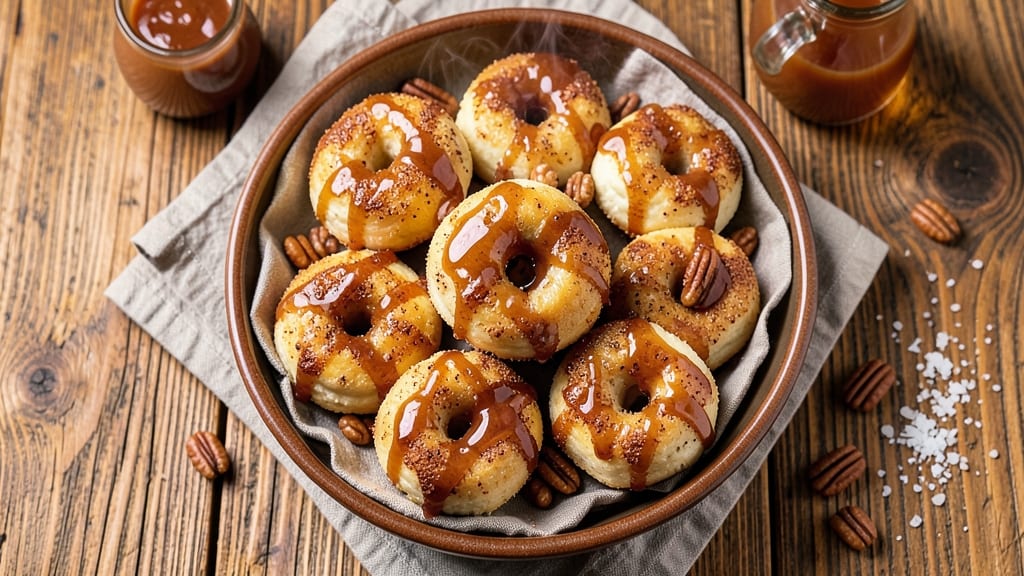
This apple cider cottage cheese donuts recipe transforms ordinary donuts into a spiced, tangy-sweet masterpiece that balances creamy cottage cheese richness with warm apple cider caramelization.
The secret lies in the dough's unexpected texture—soft yet sturdy enough to handle frying—while the cottage cheese adds a subtle tang that cuts through the caramelized cider glaze.
I developed this recipe after craving a donut that felt both nostalgic and innovative, and the result is a golden-brown treat with a crisp exterior and pillowy interior.
The magic happens in the dough preparation, where cottage cheese replaces some of the butter, creating a lighter, airier texture while adding protein for structure.
Apple cider isn’t just a flavor here—it’s the star, simmered into a thick glaze that clings beautifully to each donut, offering a perfect balance of sweetness and warmth. The spices—cinnamon, nutmeg, and a touch of clove—tie everything together, making these donuts taste like autumn in every bite.
What makes this recipe stand out is the contrast of textures: the soft, slightly chewy dough, the tangy richness of the cottage cheese, and the caramelized crunch of the glaze.
These donuts are perfect for weekend brunches, holiday gatherings, or whenever you want to impress with a dessert that feels both comforting and sophisticated. The best part? They’re easier to make than traditional donuts, thanks to the cottage cheese’s natural moisture and binding properties.
Once you try these, you’ll never go back to plain donuts again. The combination of apple cider and cottage cheese creates a flavor profile that’s uniquely addictive, and the glaze adds that restaurant-quality finish.
Whether you’re serving them warm with extra glaze or letting them cool slightly for dipping, these donuts are guaranteed to disappear quickly. Let’s get baking!
Ingredients for apple cider cottage cheese donuts
Here’s the perfect mix of creamy, spiced, and caramelized magic for your donut dreams.
| Ingredient | Amount | Notes |
|---|---|---|
| All-Purpose Flour 🌾 | 3 cups | Lightly sifted for fluffiness |
| Granulated Sugar 🍚 | ½ cup | White or light brown |
| Large Eggs 🥚 | 2 whole | Room temperature for mixing |
| Unsalted Butter 🧈 | ½ cup | Cold, cubed for dough |
| Cottage Cheese 🧀 | 1 cup | Full-fat, drained well |
| Milk 🥛 | ½ cup | Whole milk preferred |
| Apple Cider 🍎 | ½ cup | Unsweetened, for dough |
| Active Dry Yeast 🍞 | ½ tsp | Instant yeast works too |
| Ground Cinnamon 🌿 | 1 ½ tsp | Freshly ground preferred |
| Ground Nutmeg 🌿 | ¼ tsp | Freshly grated nutmeg |
| Ground Cloves 🌶️ | ⅛ tsp | Lightly toasted |
| Salt 🧂 | ½ tsp | Fine sea salt preferred |
| Vegetable Oil 🫒 | 2 cups | For frying donuts |
| Apple Cider Glaze 🍎 | 1 cup | Simmered with spices |
| Powdered Sugar 🍚 | 1 cup | For finishing glaze |
The cottage cheese is your secret weapon—full-fat, well-drained gives the dough that signature airy texture while keeping it sturdy enough for frying. Trader Joe’s has the best-priced full-fat cottage cheese in tubs, but any brand works if it’s not watery. For the apple cider, grab the unsweetened variety—the natural sweetness balances the spices perfectly. If you can’t find it, apple juice works in a pinch, but it won’t have that same autumnal depth. The spices? Penzeys or your local spice shop for the freshest ground cinnamon and nutmeg—trust me, it makes all the difference in that warm, cozy flavor.
No powdered sugar? Blend granulated sugar into a fine powder in a blender or food processor—it’s not ideal, but it’ll work. Running out of apple cider? Substitute with apple juice plus 1 tsp vanilla extract for that caramelized note. The dough needs to rest for at least 1 hour, but if you’re in a rush, 20 minutes works too—just know it might be slightly denser. For the glaze, simmer the cider down to half its volume before adding the powdered sugar—this ensures a thick, clingy finish. And if you’re feeling fancy, add a pinch of cinnamon to the glaze for extra warmth.
These donuts are best served fresh, but if you need to prep ahead, fry and cool completely, then store in an airtight container for 2 days. To reheat, warm in a 350°F oven for 5-10 minutes—they’ll crisp up beautifully. The glaze can be made 1 day ahead and reheated gently with a splash of milk. Freezing? Fry, glaze, then freeze—they’ll keep for 1 month, and you can reheat straight from frozen. Pro tip: Double the glaze—you’ll want extra for dipping!
Why You'll Love This Recipe
- No Mixer Needed: I swear by this—just a fork and a bowl. The cottage cheese blends right into the dough without a trace, and the butter stays cool enough to handle with your fingers. Honestly, I’ve made these while standing at the counter, kids climbing on my back.
- Caramelized Cider Magic: That first bite? Warm, spiced apple cider glaze pooling over a tender, slightly crispy donut edge—like biting into autumn in donut form. The cottage cheese keeps them moist without being heavy, and the sugar in the cider caramelizes into a sticky, irresistible finish.
- Breakfast or Dessert: Serve them with coffee for a protein-packed morning treat, or drizzle extra glaze and call it dessert. My college-aged son grabs them for a quick snack after practice, and my mom insists they’re “fancy enough” for company. One dough does it all.
- Pantry Staple Hack: You’re using what you already have—flour, sugar, eggs, butter—and cottage cheese stretches it further than most donut recipes. I made a double batch last week, froze half, and still had leftovers for days. The glaze keeps well too, so no waste. Budget-friendly perfection.
Step-by-step instructions for apple cider cottage cheese donuts
Here's how to make these magical donuts with a tender crumb and irresistible spiced glaze.
Mix the Dough for Perfect Texture
In a large mixing bowl, combine the 3 cups all-purpose flour, 0.5 cup granulated sugar, 1.5 tsp ground cinnamon, 0.25 tsp ground nutmeg, 0.125 tsp ground cloves, and 0.5 tsp salt. Whisk until evenly distributed—this ensures every bite has that warm spice harmony. In a separate bowl, mix the 1 cup cottage cheese, 0.5 cup milk, 0.5 cup apple cider, and 0.5 cup cold cubed unsalted butter until smooth.
Make a well in the center of your dry ingredients and pour in the wet mixture. Add the 2 whole room-temperature eggs and 0.5 tsp active dry yeast. Using a wooden spoon or dough whisk, gently combine until just mixed—you should still see some flour streaks. Overmixing develops gluten and makes the donuts tough. The dough will be thick but workable, almost like a very stiff pancake batter.
Chill and Shape for Easy Handling
Cover the bowl with plastic wrap and refrigerate for at least 30 minutes (I like to go up to 2 hours for best results). This chilling step is crucial—it firms up the dough so it holds its shape when you cut the donuts. Cold dough also prevents excessive spreading during frying, giving you those perfect round shapes.
After chilling, remove the dough and turn it out onto a lightly floured surface. Gently pat it into a 1-inch thick rectangle. Using a 3-inch round cutter, cut out donuts and gently reform any scraps into a new rectangle to cut more donuts. Don't press down too hard when cutting—just enough to cleanly separate the circles. You should get about 8 donuts from this dough.
Fry to Golden Perfection
Heat 2 cups vegetable oil in a deep pot to 350°F—use a thermometer to monitor this carefully. The oil is ready when a small piece of dough sizzles immediately upon contact. Fry the donuts 2 at a time (don't overcrowd) for 1-2 minutes per side, until they're golden brown all over. You'll see tiny bubbles form on the surface—this is your signal they're cooking through.
Use a slotted spoon to transfer the donuts to a paper towel-lined plate to drain excess oil. Keep the oil temperature consistent at 350°F—if it gets too hot, the donuts will burn before cooking through. If it's too cool, they'll absorb too much oil and become greasy. Work in batches, maintaining that perfect temperature throughout.
Make the Apple Cider Glaze
While the donuts are still warm, prepare the glaze by combining 1 cup apple cider glaze (which you've already simmered with spices) with 1 cup powdered sugar in a small saucepan. Heat over low heat and stir until the powdered sugar dissolves completely—this should take about 2-3 minutes. The glaze should be smooth and slightly thick, like honey.
Immediately dip the warm donuts into the glaze, letting any excess drip off. Place them on a wire rack to set for 10 minutes—this prevents the glaze from pooling at the bottom. The contrast of warm donuts with the cool, spiced glaze is what makes these truly magical. Serve while still warm for that perfect balance of crispy exterior and tender interior.
Pro Tips For Making Apple Cider Cottage Cheese Donuts
- CHILL THE DOUGH: After mixing the cottage cheese into your batter, pop it in the fridge for 20-30 minutes. The cold slows down the yeast just enough to give you time to shape the donuts without them rising too fast—especially important since cottage cheese makes the dough stickier than usual.
- DRY THE COTTAGE CHEESE: Drain your cottage cheese in a fine-mesh strainer for 10 minutes before mixing. The extra moisture can make your donuts dense or gummy, and this small step guarantees a lighter texture without sacrificing creaminess.
- FRIED IN BATCHES: Resist the urge to fry all your donuts at once. A crowded fryer lowers the oil temperature, leading to greasy, unevenly cooked donuts. Stick to 2-3 at a time, and keep the oil between 350°F and 360°F—any lower, and you’ll end up with doughy centers.
- SWEETEN THE APPLE CIDER: Reduce your granulated sugar by 1-2 tablespoons and stir in ¼ cup of apple cider syrup (or extra cider) to the batter. It cuts the heaviness of the cottage cheese while adding depth—no one will miss the sugar, but the flavor will feel more balanced.
Troubleshooting your apple cider cottage cheese donuts
Dough Too Sticky?
If your dough feels too sticky after mixing, you likely need more flour—but don’t overdo it. Add 1 tablespoon flour at a time while kneading gently until just combined. The dough should hold together when pressed but still feel soft.
I’ve found that Trader Joe’s all-purpose flour works best for this recipe because it’s finely milled. Overworking the dough can develop gluten and make it tough, so handle it gently. 🍞
Donuts Not Rising?
If your donuts flatten during frying, your oil might be too hot or the dough wasn’t chilled long enough. Keep oil at a steady 350°F—use a thermometer! Also, ensure you chilled the dough for at least 30 minutes before cutting.
If the dough is too warm, it’ll spread excessively. For extra lift, add ¼ tsp baking powder to the dry ingredients next time. 🌡️
Glaze Too Thin?
A runny glaze usually means the powdered sugar didn’t dissolve properly. Simmer the cider longer to reduce it by half before adding sugar, and stir constantly over low heat until completely smooth. If it’s still too thin, add ½ teaspoon cornstarch mixed with 1 teaspoon water and stir until thickened.
For extra shine, brush the donuts with a tiny bit of milk before dipping. 💧
Donuts Too Greasy?
Greasy donuts often mean the oil was too cool or the donuts were fried too long. Maintain oil at 350°F—if it dips below 340°F, the donuts will absorb excess oil.
Fry in batches, and avoid overcrowding the pot. For a lighter texture, pat the donuts dry with paper towels right after frying. 🧂
Glaze Not Setting?
If the glaze pools at the bottom, it likely wasn’t thick enough or the donuts weren’t warm enough when dipped. Let the glaze cool slightly before dipping—it should coat the back of a spoon.
For extra hold, add ½ teaspoon vanilla extract to the glaze before mixing with powdered sugar. Serve on a wire rack to let excess drip off. ✨
Dough Too Dense?
Dense donuts often result from overmixing or skipping the chill step. Mix just until combined (flour streaks should remain), and chill the dough for at least 1 hour. For extra fluffiness, let the cottage cheese drain in a fine-mesh strainer for 10 minutes before using.
If the dough feels heavy, add 1 extra egg yolk for richness. 🥚
Nutrition facts
Frequently asked questions
Can I make these donuts without frying?
For a baked version, shape the chilled dough into 1-inch thick rings on a parchment-lined baking sheet. Bake at 375°F for 12-15 minutes until golden, flipping halfway. Brush with warmed apple cider glaze after baking. The texture will be slightly denser but still delicious—great for a healthier option!
How do I store leftover donuts?
Store in an airtight container at room temperature for 2 days. For longer storage, freeze glazed donuts for up to 1 month. Reheat in a 350°F oven for 5 minutes to restore crispiness. The glaze may soften slightly but reheats beautifully.
Can I substitute apple cider with something else?
Yes! For a similar flavor, use apple juice plus 1 tsp vanilla extract or pear nectar. For a spiced twist, try mulled wine (reduce alcohol first). Avoid citrus juices—they’ll alter the dough’s texture. The key is a slightly tart, caramel-like base to complement the spices.
Why does my dough smell like yeast?
The cottage cheese and yeast combination creates a tangy, slightly fermented aroma—this is normal! The yeast activates during the 30-minute chill, while the cottage cheese adds its natural lactic acid. If it smells overly sour, your yeast may be too active. Reduce chill time to 20 minutes next time.
Can I make these donuts vegan?
With modifications! Replace eggs with 2 flax eggs (2 tbsp ground flax + 6 tbsp water), butter with vegan butter, and milk with almond milk. Use vegan powdered sugar and ensure your yeast is vegan-certified. The texture will be slightly denser, but the spiced glaze remains just as delicious.