
Salads
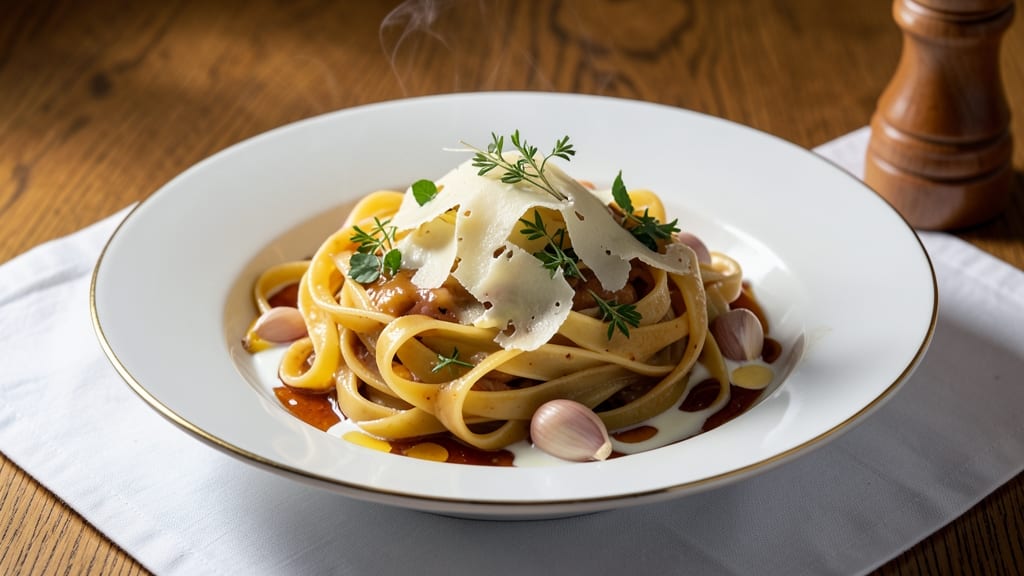
This Alouette cheese pasta delivers a Swiss-Italian fusion that transforms ordinary pasta night into a flavor adventure. 💛 The secret lies in melting nutty, melt-in-your-mouth Alouette cheese (or gruyère) into a creamy sauce that clings perfectly to al dente pasta.
I developed this recipe after discovering how Swiss cheeses elevate classic Italian dishes, creating a dish that's both comforting and sophisticated.
The beauty of this recipe is its simplicity—just a handful of ingredients come together to create a rich, velvety sauce with a depth of flavor you won't find in traditional cream-based pastas.
The technique is foolproof: toasted garlic and white wine form the aromatic base, while the cheese melts into a luxurious consistency that coats every strand of pasta. Perfect for weeknight dinners or special occasions, this dish is restaurant-quality without the fuss.
What sets this recipe apart is the balance of textures and flavors: tender pasta, crispy garlic, and a sauce that's both creamy and slightly nutty from the Alouette cheese. The result is a dish that's hearty enough to satisfy a crowd but elegant enough for a date night.
Whether you're serving it as a main course or sharing it as a showstopper, this pasta will impress every time.
Ready in under 30 minutes, this recipe requires minimal prep and delivers maximum flavor. The sauce is made directly in the pot, so there's no extra cleanup—just twirl that fork and enjoy.
Pair it with a simple arugula salad or crusty bread to soak up every last bit of that delicious sauce. Let's get cooking!
Ingredients for alouette cheese pasta
Swiss nutty cheese meets Italian pasta perfection—just eleven ingredients transform simple weeknight meals.
| Ingredient | Amount | Notes |
|---|---|---|
| Alouette Cheese 🧀 | 1 ½ cups | Grated, or substitute gruyère |
| Fettuccine Pasta 🍝 | 12 oz | Al dente preferred, or other pasta |
| Garlic Cloves 🧄 | 4 cloves | Minced, or pre-minced for convenience |
| Dry White Wine 🍷 | ½ cup | Sauvignon Blanc or Pinot Grigio |
| Heavy Cream 🥛 | ¼ cup | Full-fat for best texture |
| Unsalted Butter 🧈 | 2 tbsp | European-style preferred |
| Salt 🧂 | 1 tsp | Diamond Crystal preferred |
| Black Pepper 🌶️ | ½ tsp | Freshly ground for best flavor |
| Fresh Parsley 🌿 | ¼ cup | Chopped, for garnish |
| Extra-Virgin Olive Oil 🫒 | 1 tbsp | For finishing, fruity variety |
| Lemon Zest 🍋 | 1 tsp | Freshly grated, optional garnish |
The cheese is non-negotiable for that authentic Alpine flavor. Alouette has a delicate sweetness that melts beautifully, but gruyère works perfectly if you can't find it. Look for block cheese at specialty shops—pre-shredded loses its melt. If you're using gruyère, buy it from a cheese counter (like Whole Foods or local fromagers) and grate it yourself. The difference in texture is night and day. For the pasta, fettuccine is ideal, but tagliatelle or pappardelle work too—just adjust cooking time to al dente.
No white wine? Dry vermouth or chicken broth adds acidity without overpowering. The cream can be swapped for cashew cream (blended soaked cashews + water) for a lighter option, though texture will differ slightly. Fresh parsley is ideal, but dried Italian seasoning at half the amount works in a pinch. For extra depth, toast the garlic in olive oil until golden before adding wine—this builds incredible flavor. The butter matters too: European-style has higher fat content, giving a richer sauce. If you can only find regular butter, use 2 extra tablespoons to compensate.
This sauce reheats beautifully—just add a splash of milk or water to loosen it. Keeps 3-4 days in the fridge, though flavor peaks on day two. Freezes for up to 3 months if you portion it in airtight containers. I always make extra because it's perfect for pasta salads or as a quick sauce for grilled chicken. Store the cheese separately if prepping ahead—melt it fresh for the best texture. The lemon zest and parsley can be added right before serving to keep colors vibrant.
Why You'll Love This Recipe
- No-Fuss Weeknight Win: I swear by this when I’m too tired to think. Toss fettuccine in boiling water, sauté garlic in a pan with a splash of white wine—boom, you’ve got the base. The Alouette cheese melts in like a dream with the cream, and suddenly, dinner’s ready while I’m still wiping the kids’ faces.
- Rich Without the Effort: Here’s what sold me—the way that Alouette cheese turns creamy but never greasy, even when I forget to strain the pasta well. The white wine cuts through the richness, and the garlic? Oh, it lingers in the best way. It’s the kind of dish that tastes like you slaved over it, but honestly, I just stirred twice.
- Potluck or Date Night: Between us, this pasta is my secret weapon for gatherings. It’s fancy enough for a dinner party—thanks to that wine reduction—but simple enough to make when my in-laws show up unannounced. (Yes, even on a Tuesday night.) Plus, the leftovers reheat like a champ, so I always make extra.
- Budget-Friendly Luxury: Alouette cheese might sound fancy, but a block lasts forever, and a bottle of cheap white wine does the trick. Heavy cream adds decadence without breaking the bank, and fettuccine? Cheaper than takeout, hands down. It’s the kind of meal that makes me feel spoiled without emptying my wallet.
Step-by-step instructions for Swiss-Italian Alouette cheese pasta
Here's how to create a rich, nutty pasta sauce with Swiss-Italian fusion flavors.
🍳 Step 1: Cook the Fettuccine Al Dente
Bring a large pot of water to a rolling boil and add 12 oz fettuccine pasta along with 1 tsp salt. Stir immediately to prevent sticking. Cook according to package instructions until 1 minute before al dente—you want it slightly firm to finish cooking in the sauce.
Reserve 1 cup of pasta water before draining. This starchy liquid is essential for creating a silky sauce. I keep a measuring cup nearby so I don't forget this crucial step. Drain the pasta and set it aside, covered, while you prepare the sauce.
🍳 Step 2: Sauté Garlic and Butter for the Base
In a large skillet, melt 2 tbsp unsalted butter over medium heat until foaming. Add the 4 cloves minced garlic and sauté for 30-45 seconds until fragrant but not browned. Garlic burns quickly, so keep an eye on it—you want aroma, not bitterness.
Here's the thing—don't walk away. Garlic releases its flavor in seconds, and burned garlic ruins the whole dish. If it starts to darken, immediately remove the pan from heat and let it cool for 30 seconds before continuing.
🍳 Step 3: Deglaze with White Wine
Pour in the 0.5 cup dry white wine and increase heat to medium-high. Let it simmer for 2-3 minutes until reduced by half. This deglazing step captures all the flavorful browned bits from the pan, creating a rich foundation for your sauce.
The wine should smell noticeably more concentrated by the end. If it reduces too quickly, lower the heat slightly to prevent overcooking. This is where the Swiss-Italian fusion begins—wine's acidity balances the richness of the Alouette cheese.
🥘 Step 4: Build the Creamy Cheese Sauce
Reduce heat to medium-low and gradually whisk in the 1.5 cups grated Alouette cheese and 0.25 cup heavy cream. Stir constantly for 3-4 minutes until the cheese melts completely and the sauce thickens to a velvety consistency.
If the sauce looks too thick, add 2-3 tablespoons of reserved pasta water at a time until it reaches your desired consistency. Real talk: don't skip this step. The Alouette cheese has a lower melting point than many cheeses, so you need to monitor closely to prevent separation.
🍽️ Step 5: Finish and Serve
Return the cooked fettuccine to the skillet and toss to coat evenly in the sauce. Stir in 0.5 tsp black pepper and 1 tbsp extra-virgin olive oil for brightness. If needed, add more pasta water to loosen the sauce to your liking.
Divide the pasta among plates and garnish with 0.25 cup chopped fresh parsley and 1 tsp lemon zest. The lemon zest adds a bright contrast to the rich, nutty cheese sauce. Serve immediately while the pasta is hot and the sauce is silky.
Pro Tips For Making Alouette Cheese Pasta
- CRUSH THAT GARLIC: Don’t just chop the garlic—smash those cloves with the flat of your knife first. That releases more flavor into the wine and cream, and you’ll taste the difference when it melts into the Alouette. (Yes, it’s extra work, but lazy garlic ruins this dish.)
- SALT THE PASTA WATER LIKE THE OCEAN: Alouette cheese is rich, so the pasta needs to soak up salt from the water, not just the sauce. Taste that starchy water before draining—it should taste like the sea. If it’s bland, your pasta will be too, and the cheese won’t shine.
- DON’T BOIL THE WINE DRY: After deglazing with white wine, let it simmer until it’s almost gone—just a thin glaze clinging to the pan. If you burn it off completely, you’ll taste harsh alcohol, not bright acidity. A quick sniff test: it should smell like wine, not vinegar.
- STIR THE CHEESE LOW AND SLOW: Alouette melts like a dream, but if you rush it on high heat, you’ll end up with lumps or a greasy mess. Once the cream comes in, drop the heat to medium-low and keep stirring like you’re painting a fence—steady, not frantic. Patience here = velvety sauce.
Pro cooking tips for great alouette cheese pasta
Cheese Melting Mastery
The key to a silky sauce lies in how you melt the Alouette cheese. Start by grating it yourself—pre-shredded loses moisture and creates a grainy texture. Use a box grater and work in a cool kitchen to prevent the cheese from clumping.
Add it to the warm sauce gradually, whisking constantly to distribute heat evenly. If you see lumps forming, immediately remove the pan from heat and stir vigorously with a silicone spatula. The cheese should melt into a smooth, velvety consistency in about 3-4 minutes on medium-low heat. 🧀
Pro tip: If your sauce starts to look too thick before the cheese melts completely, add 1-2 tablespoons of reserved pasta water. This keeps the sauce fluid enough to incorporate all the cheese without separating.
I've ruined more sauces than I'd like to admit by skipping this step—trust me, it's worth the extra attention.
Garlic Timing Tricks
Garlic is the flavor foundation, but it's easy to overcook. Sauté the 4 cloves minced garlic in 2 tbsp butter over medium heat for just 30-45 seconds. You want it to turn golden and fragrant, not brown.
The moment it starts to darken, remove the pan from heat immediately—burned garlic adds bitterness that ruins the delicate cheese sauce. For extra depth, toast the garlic in 1 tbsp olive oil for 1 minute before adding the butter and wine. This builds complex caramelized notes. 🧄
Here's my secret: Use a garlic press for even mincing. Uneven pieces burn at different rates, creating hot spots that can scorch your sauce. Also, never crush garlic with your knife—press it gently to release flavor without breaking it into tiny fragments that cook too quickly.
Wine Reduction Secrets
The 0.5 cup dry white wine deglazes the pan and adds acidity to balance the richness. Simmer it until reduced by half—this concentrates the flavors and creates a glossy sauce base. I use Sauvignon Blanc or Pinot Grigio because their crisp acidity cuts through the cheese beautifully.
If you don't have wine, substitute with dry vermouth or even chicken broth (though the flavor will be less complex). 🍷
Watch the wine closely—it reduces faster than you think. If it starts to bubble too vigorously, lower the heat to medium-low to prevent overcooking. The goal is to reduce it until it coats the back of a spoon but still has noticeable liquid.
This creates the perfect vehicle for the cheese to melt into a luxurious sauce.
Pasta Water Power
Never skip reserving 1 cup pasta water—it's the secret weapon for a silky sauce. The starch in the water helps emulsify the cheese and creates a glossy finish.
If your sauce starts to thicken too much while melting the cheese, add the pasta water 1 tablespoon at a time until you reach your desired consistency. I keep a small measuring cup nearby while cooking to make this easy. 💫
Pro move: If you're using a different pasta shape (like tagliatelle or pappardelle), reserve 1.5 cups of pasta water instead. Wider noodles absorb more sauce and need the extra starch to maintain a smooth texture.
Also, save the water in a separate container—don't pour it back into the pasta pot where it can dilute the salt.
Nutrition facts
Frequently asked questions
Can I substitute gruyère for Alouette cheese?
Gruyère is the perfect substitute—it has a similar nutty flavor and melts beautifully into a creamy sauce. For best results, buy it block-form and grate it yourself (pre-shredded loses moisture). Use the same 1.5 cups measurement as the recipe calls for Alouette.
What if I don't have white wine?
No problem! Use dry vermouth or chicken broth instead—they'll still deglaze the pan and add acidity to balance the richness. For a non-alcoholic option, try apple cider vinegar (just 1 tablespoon diluted with 0.5 cup water) to mimic the wine's tang.
How do I fix a sauce that's too thick?
Add 1-2 tablespoons of reserved pasta water at a time, stirring constantly until smooth. The starch in the water helps emulsify the cheese and creates a silky texture. If you've already drained the pasta water, a splash of warm milk or broth works in a pinch—just add it gradually.
Can I make this ahead of time?
Yes! Prepare the sauce without the pasta (keep it warm), then toss in the cooked noodles just before serving. For best results, reheat gently on low heat with a splash of milk or water to restore creaminess. Store sauce separately from pasta in the fridge for up to 3 days or freeze for 3 months.
What pasta shapes work best?
Fettuccine is ideal, but tagliatelle, pappardelle, or even penne work well. For wider noodles, reserve 1.5 cups pasta water instead of 1 cup—they absorb more sauce. Avoid delicate shapes like angel hair, which can overcook when tossed with the sauce.