
Sauces & Condiments
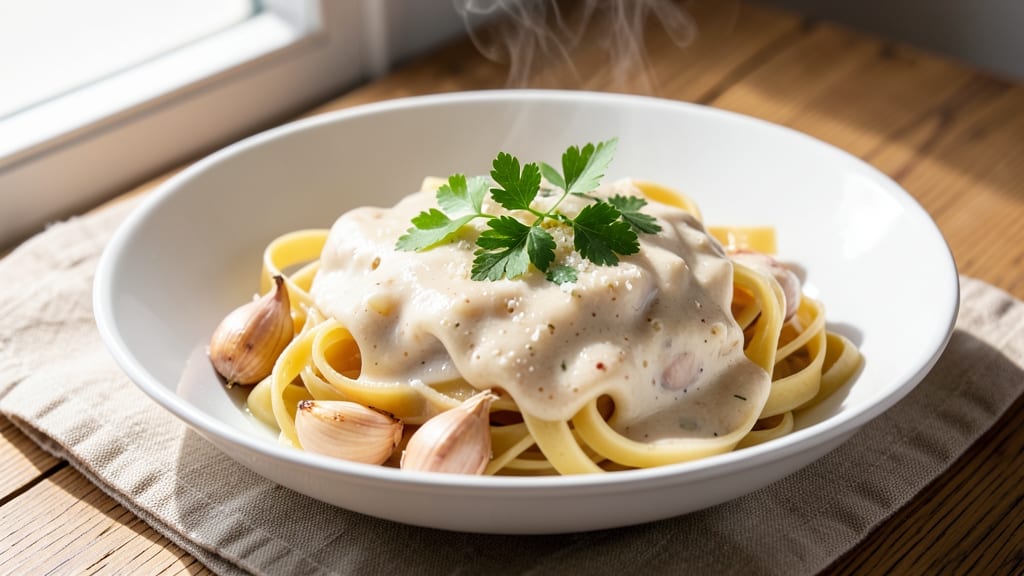
This Asiago cheese pasta sauce transforms simple ingredients into a velvety, nutty masterpiece that clings to every strand of al dente pasta. The secret lies in a slow, careful emulsification that creates a sauce so rich it practically melts on your tongue—no lumps, no separation, just pure, luxurious creaminess.
I developed this recipe after years of perfecting restaurant-quality cheese sauces at home, and it's now my go-to for weeknight dinners that feel like special occasions.
The magic happens in the technique: cooking the cheese with butter until it's completely melted, then gradually incorporating warm pasta water to create that signature silky texture.
What makes this sauce truly special is the Asiago cheese—its sharp, nutty flavor cuts through the richness while adding depth that store-bought sauces can't match. The result is a dish that's elegant enough for company but simple enough for any night of the week.
By the time you twirl that first forkful, you'll understand why this sauce is a game-changer. The pasta absorbs the creamy Asiago mixture perfectly, leaving you with strands that are coated in that luxurious sauce from edge to edge.
The nutty aroma fills your kitchen, and each bite delivers that perfect balance of rich, creamy, and slightly tangy flavors. This is comfort food at its finest—warm, satisfying, and impossible to resist.
Serve immediately with fresh parsley sprinkled on top for a pop of color, or hold off a few minutes if you prefer firmer pasta. The sauce reheats beautifully, making this an excellent make-ahead option for busy evenings.
Trust me on this one—once you try homemade Asiago cheese sauce, you'll never go back to the store-bought versions.
Ingredients for asiago cheese sauce recipe pasta
Twelve simple ingredients transform into a restaurant-worthy Asiago cheese sauce that feels like a hug in a bowl.
| Ingredient | Amount | Notes |
|---|---|---|
| Asiago Cheese 🧀 | 1 ½ cups | Freshly grated from block (not pre-shredded) |
| Unsalted Butter 🧈 | ½ cup | Cold, cubed for even melting |
| Heavy Cream 🥛 | ½ cup | Full-fat for richness |
| Pasta Water 💧 | 1 ½ cups | Reserved from cooked pasta |
| Fresh Parsley 🌿 | ¼ cup | Chopped, for garnish |
| Garlic Cloves 🧄 | 2 cloves | Minced, for aroma |
| Extra-Virgin Olive Oil 🫒 | 2 tbsp | For sautéing garlic |
| Salt 🧂 | ½ tsp | Diamond Crystal preferred |
| Black Pepper 🌶️ | ¼ tsp | Freshly ground |
| Pasta 🍝 | 12 oz | Al dente variety (fettuccine or penne) |
| Lemon Juice 🍋 | 1 tbsp | Freshly squeezed, for brightness |
| Nutmeg 🌿 | ¼ tsp | Freshly grated, optional |
The Asiago cheese is non-negotiable here—Gorgonzola Dolce or Asiago D'Aleppo from the cheese counter at Whole Foods or your local specialty shop makes all the difference. Look for blocks, not pre-shredded (it gets clumpy). If you can't find Asiago, Parmigiano-Reggiano works in a pinch, but the nutty depth will be different. The butter should be cold when you add it—this helps create those tiny air pockets that make the sauce velvety. I always grab the European-style butter from Trader Joe's because it has higher fat content, which gives extra richness. For the pasta, Bronze Die pasta (like De Cecco or Barilla) holds up best to the creamy sauce without getting mushy.
No heavy cream? Full-fat coconut milk works surprisingly well, though the flavor will be slightly different. Running short on Asiago? Parmesan and Gruyère mixed at a 1:1 ratio gets you close. Fresh parsley wilting? Dried parsley at one-third the amount is fine—just don't skip it. The lemon juice is key for brightness, so if you're out, white wine vinegar at half the amount works. For the garlic, roasted garlic adds sweetness if you prefer. And if you're feeling fancy, toasted breadcrumbs on top add crunch. The nutmeg is optional but worth it—it enhances the nutty flavor of the Asiago without overpowering.
This sauce reheats beautifully—just add a splash of warm water or pasta water to loosen it up. Keeps for 3-4 days in the fridge, covered tightly. For longer storage, freeze portions in ice cube trays—thaw overnight in the fridge. The pasta? Cook it 1 minute less than package instructions say, then finish in the sauce. That way, it absorbs the creamy goodness without turning to mush. I always make extra sauce—it's perfect for topping grilled chicken or steak too.
Why You'll Love This Recipe
- Five-Ingredient Magic: I swear by this combo—just butter, cream, Asiago, pasta water, and parsley. That’s it. No fancy techniques, no hidden pantry raids, and the sauce still melts in your mouth like it was made with love (and a little cheese).
- Nutty Creamy Bliss: The Asiago brings this rich, slightly tangy depth that regular cheddar can’t touch. When it’s fully melted into the heavy cream, it’s like a warm hug for your taste buds—especially when you finish with a sprinkle of fresh parsley for that bright pop.
- Leftover Goldmine: This sauce actually improves the next day. I’ve reheated it for lunch with extra pasta or even drizzled it over grilled chicken—still creamy, still delicious. Honestly, I make double portions just so I can enjoy it twice.
- Weeknight Hero: No waiting for sauce to simmer for hours. Toss the cooked pasta in the pot, add the cheese mixture, and you’re done in 15 minutes. Even on nights when I’m too tired to think, this delivers—every single time.
Step-by-step instructions for Asiago cheese pasta sauce
Here's how to create a luxurious, nutty Asiago sauce that clings perfectly to every strand of pasta.
Cook the Pasta Al Dente
Bring a large pot of water to a rolling boil and add the 12 oz pasta along with 0.5 tsp salt. Cook until 1 minute before the package's suggested al dente time—this ensures perfect texture when finished in the sauce. Reserve 1.5 cups pasta water before draining, as we'll use it to create the velvety sauce later.
Don't rinse the pasta after draining—those starchy strands help the sauce cling beautifully. The pasta should still have a slight bite when you press it between your fingers. I like to taste-test a piece at this stage to confirm it's perfectly cooked but not mushy.
Sauté Garlic in Olive Oil
While the pasta cooks, heat 2 tbsp extra-virgin olive oil in a large skillet over medium heat. Add the 2 minced garlic cloves and sauté for 30 seconds until fragrant—you'll smell that wonderful garlic aroma filling your kitchen.
Watch the garlic carefully—it burns quickly. When it turns light golden (not brown), remove the skillet from heat and set it aside. This quick cooking preserves the garlic's sweetness rather than letting it turn bitter.
Melt Butter and Create the Cheese Sauce
Return the skillet to medium-low heat and add the 0.5 cup cold cubed unsalted butter. Let it melt completely, swirling occasionally, until it turns a pale golden color. Add the 1.5 cups freshly grated Asiago cheese, stirring constantly with a wooden spoon until fully melted and smooth.
Here's where the magic happens: the cheese should melt into a glossy, velvety sauce. If it starts to thicken too much, add 1-2 tablespoons of reserved pasta water to loosen it. I like to scrape the bottom of the pan frequently to incorporate any browned bits that add depth of flavor.
Finish with Cream and Seasonings
Pour in the 0.5 cup heavy cream and stir until completely incorporated. Add the 0.25 tsp freshly grated nutmeg, 0.25 tsp black pepper, and 1 tbsp freshly squeezed lemon juice. The nutmeg adds a warm, earthy note that complements the Asiago beautifully, while the lemon juice brightens the whole dish.
Taste and adjust seasoning with more salt if needed. The sauce should be rich but not overpowering. If it's too thick, add more reserved pasta water 1 tablespoon at a time until it reaches a smooth, coatable consistency—it should look like heavy cream but with the color of melted cheese.
Combine Pasta and Sauce
Add the drained pasta to the skillet and toss gently to coat evenly in the sauce. If the sauce seems too thick, add another 1-2 tablespoons of reserved pasta water and toss again. The goal is for every strand to be completely enrobed in that velvety Asiago sauce.
Let the pasta sit in the sauce for 1-2 minutes off the heat, allowing the flavors to meld together. Garnish with 0.25 cup chopped fresh parsley just before serving. The parsley adds a fresh contrast to the rich cheese sauce and makes the dish look beautiful on the plate.
Pro Tips For Making Asiago Cheese Sauce Recipe Pasta
- MELT CHEESE LOW: Start with a gentle simmer—not a rolling boil—when adding Asiago to the butter-cream mix. I used to rush it, and the sauce would seize up like a stubborn child. Keep it at a whisper of heat, stirring constantly, or you’ll end up with lumps that won’t dissolve, no matter how much pasta water you throw in.
- GRATE FRESH ASIAGO: Skip the pre-shredded stuff—it’s coated in anti-caking agents that turn your sauce grainy. Use a box grater or food processor for fine, even shreds, and pulse just until smooth. Pre-shredded Asiago? Save it for sprinkling on top, not melting into the sauce.
- STIR IN PASTA WATER: Don’t wait until the sauce looks broken to add pasta water. Toss in ¼ cup before the cheese fully melts—it’ll emulsify the sauce instantly and save you from scrambling to fix a curdled mess. (Yes, even if you’re impatient like me.)
- FINISH WITH COLD CREAM: Chill the heavy cream for 10 minutes before adding it to the butter. Warm cream separates, and nothing ruins a sauce faster than a greasy, split consistency. Cold cream blends in smoothly, and your sauce stays velvety—not oily.
Perfect pairings for asiago cheese sauce recipe pasta
Classic Wine Pairings
This rich, nutty Asiago sauce pairs beautifully with Italian whites that complement its depth. I always reach for a crisp Vermentino from Sardinia—its citrus notes cut through the sauce's creaminess while enhancing the Asiago's natural tang.
For something more robust, a Chardonnay from Piedmont with its buttery texture mirrors the sauce's richness without overpowering it. 🍷
Craft Beer Complements
If you prefer beer, a Belgian witbier like Hoegaarden brings refreshing citrus and coriander notes that balance the dish's richness. For a malty option, try a German Helles Lager—its clean, crisp profile cleanses your palate between bites.
I've also enjoyed pairing this with a honey wheat ale for a subtle sweetness that echoes the Asiago's nutty flavor.
Unexpected Beverage Matches
Don't overlook sparkling water with a splash of lemon juice and a pinch of salt—it's surprisingly refreshing against the rich sauce. For a festive touch, serve with sparkling rosé, which adds a fruity brightness that contrasts beautifully with the nutty cheese.
My kids love this pairing, and it's become a weekend staple in our house.
Non-Alcoholic Options
For a sophisticated non-alcoholic choice, try sparkling apple cider—its effervescence and subtle sweetness complement the dish's creaminess. A ginger beer with a squeeze of lime also works wonderfully, especially if you add a pinch of fresh grated ginger to the sauce itself.
These options keep the meal feeling special without alcohol.
Coffee Pairing Surprise
Believe it or not, a small cup of espresso after this meal enhances the flavors rather than overpowering them. The bitterness of the coffee brings out the nutty depth of the Asiago, creating a perfect finish.
I discovered this accidentally during a dinner party and now make it a habit—it's become one of my favorite dessert-free conclusions to a rich meal. ☕
Nutrition facts
Frequently asked questions
Can I substitute Asiago cheese with Parmesan?
You can use Parmesan, but the flavor will be different. Asiago has a distinct nutty, slightly sweet profile that gives this sauce its signature depth. For the closest substitute, mix 1 cup Asiago with 0.5 cup Parmesan—this keeps some of the nutty character while adding Parmesan's sharper edge. If you're using only Parmesan, reduce the amount slightly (1.25 cups) since it's saltier.
What's the best pasta shape for this sauce?
This creamy sauce works beautifully with fettuccine, penne, or rigatoni because their shapes help hold onto the sauce. For maximum sauce coverage, choose bronze-die pasta like De Cecco—the ridges catch and distribute the sauce perfectly. If you prefer something lighter, linguine or spaghetti work too, but you may need slightly more sauce to coat them well.
Why did my sauce get grainy?
Graininess usually happens when cheese melts unevenly or when pre-shredded cheese is used. Always use freshly grated block cheese and melt it slowly over medium-low heat, stirring constantly. If your sauce starts to thicken too much, add pasta water 1 tablespoon at a time until smooth. For extra silkiness, whisk in 1 tablespoon cold butter at the end—this helps emulsify the sauce beautifully.
Can I make this sauce ahead of time?
The sauce reheats beautifully—store it in an airtight container in the fridge for up to 3-4 days. To reheat, warm it gently on the stove with a splash of pasta water or milk to restore creaminess. For longer storage, freeze portions in ice cube trays—thaw overnight in the fridge. Pro tip: Make extra sauce and freeze it for quick weeknight meals.
How can I make this sauce dairy-free?
For a dairy-free version, replace the butter with olive oil or vegan butter, use full-fat coconut milk instead of heavy cream, and substitute the Asiago with nutritional yeast (for cheesy flavor) plus 1 tablespoon lemon juice. Add 1 tablespoon cornstarch mixed with water to help thicken the sauce properly. The texture will be slightly different but still delicious!