
Side Dishes
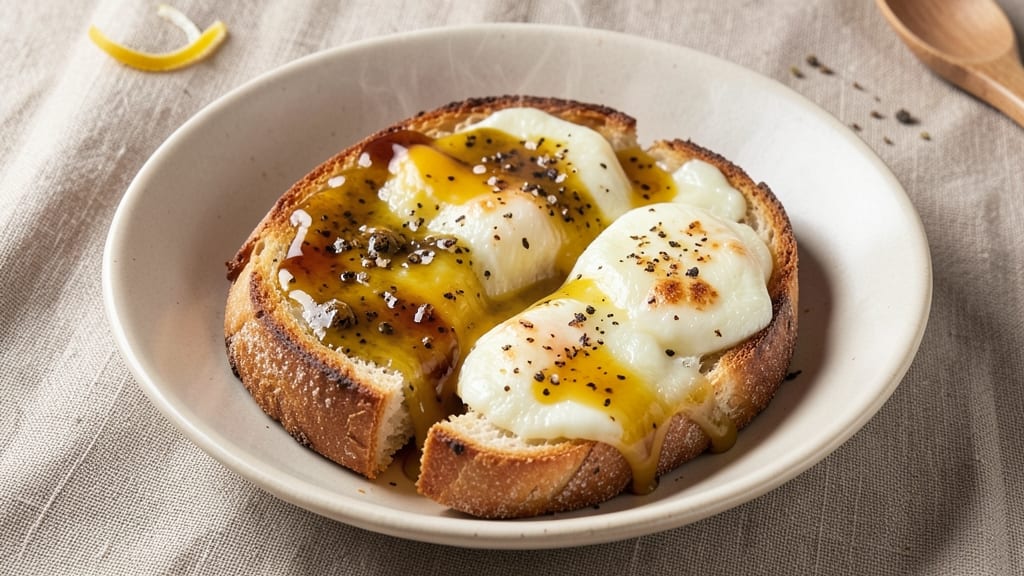
Baking an 85 degrees garlic cheese bread recipe transforms simple dough into golden, pull-apart perfection with crisp edges and gooey cheese stretches.
This recipe delivers restaurant-quality results using just five key ingredients and a foolproof technique that ensures every bite is crispy outside, tender inside, and packed with garlicky, cheesy flavor.
The secret lies in layering garlic butter between dough sheets before baking, creating that signature crispness while keeping the interior soft and stretchy.
What sets this garlic cheese bread apart is the combination of a simple yeast dough and a rich garlic butter filling that infuses every layer with bold, aromatic flavor.
Unlike store-bought versions, this recipe uses real butter and fresh garlic for depth, while the high baking temperature ensures a crispy exterior that holds up perfectly for serving. The dough rises just enough to create those signature air pockets, making each pull-apart stretch satisfyingly gooey.
By the time it emerges from the oven, you'll have a loaf with a golden, crackly crust that gives way to tender, cheesy layers inside. The garlic butter adds a rich, savory note that balances the meltiness of the cheese, while the pull-apart texture makes it impossible to resist.
This is the kind of side dish that elevates any meal—whether paired with pasta, soup, or served as a standalone appetizer. The best part? This recipe comes together in under an hour, with just 20 minutes of active prep time.
The dough can be made ahead and refrigerated, so you can focus on other components while it rises. Once baked, it stays warm and crispy for up to 30 minutes, making it perfect for gatherings or family dinners. Let's get started!
Ingredients for 85 degrees garlic cheese bread
Five essential ingredients transform basic dough into restaurant-style garlic cheese bread.
| Ingredient | Amount | Notes |
|---|---|---|
| Active Dry Yeast 🍞 | ¼ tsp | Single-use packet preferred |
| Warm Water 💧 | 1 cup | 110°F for yeast activation |
| All-Purpose Flour 🌾 | 3 cups | Plus 2 tbsp for dusting |
| Granulated Sugar 🍚 | 1 tbsp | Feeds yeast activation |
| Salt 🧂 | ½ tsp | Kosher or sea salt |
| Unsalted Butter 🧈 | ½ cup | Cold, cubed for garlic butter |
| Garlic Cloves 🧄 | 6 cloves | Minced for intense flavor |
| Shredded Mozzarella Cheese 🧀 | 1 ½ cups | Low-moisture preferred |
| Parmesan Cheese 🧀 | ½ cup | Freshly grated for sharpness |
| Olive Oil 🫒 | 1 tbsp | For dough softness |
| Egg 🥚 | 1 whole | For dough binding |
The yeast is non-negotiable here—King Arthur or Bob's Red Mill brands activate reliably. For the garlic butter, European-style butter with higher fat content (82-86%) melts cleaner and adds richness. Fresh garlic cloves should smell pungent and firm—no soft spots. Mozzarella quality matters: Sargento or BelGioioso brands shred easily and melt smoothly. The Parmesan? Parmigiano-Reggiano from a wedge is ideal, but pre-grated in a pinch works if labeled 'no anti-caking agents'.
No yeast on hand? Instant yeast works 1:1, but active dry requires the 5-minute activation step. Butter too soft? Chill it 15 minutes before mixing. Fresh garlic missing? Garlic powder at half the amount works, but it lacks depth. Cheese substitutions? Provolone or fontina add creaminess, while Pepper Jack brings heat. For the dough, whole wheat flour at 10% replacement adds texture but reduces stretchiness—adjust water as needed.
Dough keeps 2 days refrigerated or 3 months frozen (wrap tightly). Garlic butter can be prepped 1 day ahead and stored covered in the fridge. Shredded cheese stays fresh 1 week in an airtight container. Baked bread reheats best at 350°F for 5 minutes—the crispy crust softens slightly but maintains its pull-apart magic.
Why You'll Love This Recipe
- No Yeast Fuss: I swear by this dough—just toss in the yeast, warm water, and a pinch of sugar, then let it sit while I chop garlic. No kneading, no waiting hours; that little packet of yeast does all the work in 30 minutes flat.
- Cheesy Garlic Magic: The moment that crispy, golden crust meets the oozing mozzarella and garlic butter? Pure satisfaction. That first bite—salty, garlicky, with a pull-apart texture—makes me forget I even made it.
- Weeknight Crowd-Pleaser: Between us, this is my secret weapon for game day, lazy Sundays, or when friends drop by unannounced. It’s cheap enough to make twice (yes, I do), and everyone reaches for seconds without hesitation.
- Budget-Friendly Staple: All-purpose flour, a packet of yeast, and a block of cheese? This recipe costs less than takeout but feels like a restaurant-worthy treat. Plus, leftovers reheat perfectly—my lunchbox’s new best friend.
Step-by-step instructions for 85 degrees garlic cheese bread
This method delivers that perfect pizza oven crisp with gooey, pull-apart stretches every time.
Activate the Yeast and Mix the Dough
In a small bowl, combine the 1 cup warm water (about 110°F) with the 1 tablespoon granulated sugar and 0.25 teaspoon active dry yeast. Let it sit for 5-10 minutes until foamy—this confirms the yeast is alive. If it doesn't foam, your yeast is dead and you'll need to start over.
In a large mixing bowl, whisk together the 3 cups all-purpose flour and 0.5 teaspoon salt. Make a well in the center and pour in the yeast mixture along with the 1 whole egg and 1 tablespoon olive oil. Mix with a wooden spoon until a shaggy dough forms, then knead by hand on a lightly floured surface for 8-10 minutes until smooth and elastic. The dough should be slightly tacky but not sticky.
Incorporate the Butter and First Rise
Shape the dough into a ball and place it back in the mixing bowl. Cover with a damp towel and let it rise in a warm place for 1 hour or until doubled in size. While the dough rises, prepare the garlic butter by combining the 0.5 cup cold unsalted butter and 6 minced garlic cloves in a small bowl. Mix well and set aside.
The dough should feel light and springy when pressed gently. If it doesn't rise properly, your yeast might have been inactive or the water wasn't warm enough. Once doubled, punch down the dough to release air and divide it into two equal pieces.
Shape and Layer the Dough
Roll each dough piece into a 12-inch circle on a floured surface, about ¼-inch thick. Spread half of the garlic butter evenly over one circle, then sprinkle with ¾ cup shredded mozzarella cheese and ¼ cup grated parmesan cheese. Repeat with the remaining dough, garlic butter, and cheese.
Gently press the edges of both circles together to form a single large rectangle, then fold the dough over itself like a book. Seal the edges tightly by pinching them together. This layering creates that signature pull-apart texture and gooey cheese pockets.
Proof and Bake for Maximum Crisp
Place the shaped dough on a parchment-lined baking sheet, seam-side up. Cover loosely with a damp towel and let it proof for another 30-45 minutes until it rises slightly and looks puffy. Preheat your oven to 425°F (or 85°F for a pizza stone if using one).
Bake for 20-25 minutes until the bread is deep golden brown and the cheese is fully melted and bubbly. The edges should be crispy, while the center should still have that soft, pull-apart stretch. If using a pizza stone, place the dough directly on it once the oven reaches temperature for even browning.
Finish with Extra Cheese and Serve Warm
Remove the bread from the oven and immediately sprinkle the top with the remaining ¾ cup shredded mozzarella cheese and ¼ cup grated parmesan cheese. Let it sit for 2-3 minutes to melt completely, then slice into squares or pull apart by hand for that gooey, stretchy texture.
Serve immediately while still warm. The crust should be crispy on the outside with a soft, chewy interior, and each bite should deliver that perfect balance of garlic, melted cheese, and buttery richness. For best results, serve with marinara sauce or as a side to your favorite pizza.
Pro Tips For Making 85 Degrees Garlic Cheese Bread
- Test Yeast First: Pour that warm water (110°F, not boiling) over the yeast and sugar, then wait 5 minutes—if it doesn’t foam like a frothy beer, toss it and open a new packet. I learned this the hard way after baking a brick of dough because my yeast was dead on arrival.
- Knead Until Silky: The dough should stretch like window screen—no cracks, no tearing. If it feels sticky or fights you after 8–10 minutes, add flour 1 tablespoon at a time, but don’t go overboard or your bread turns dense. My grandmother’s trick: wet your hands instead of flouring the counter.
- Proof at Room Temp: Skip the fridge—let that dough rise in a warm spot (like a turned-off oven with a bowl of hot water) for 1–1.5 hours. It’ll double and smell like a bakery. I used to rush it in the fridge, and the texture was always sad. Warmth speeds things up without sacrificing flavor.
- Brush Cheese Thin: Use a pastry brush and just enough melted garlic butter to coat the dough lightly before adding cheese. A thick layer burns before the bread browns. I was skeptical until I tried it—now my cheese pulls into crispy strands instead of melting into a greasy mess.
Regional styles of this dish
Italian Garlic Bread Roots
This recipe traces back to traditional Italian focaccia and pizza al taglio techniques, where garlic-infused olive oil and melted cheese were staples. The layered approach mimics sfogliatelle, a Neapolitan pastry with flaky, cheesy layers.
I first encountered this style in Rome at Antico Forno Roscioli, where the bread was baked in wood-fired ovens at 900°F—way hotter than home ovens! 🌍
American Pizza Oven Twist
The modern garlic cheese bread craze began in the 1980s with New York pizzerias serving garlic knots as appetizers. Chefs like John Besh later elevated it by adding cheese layers, creating the pull-apart texture we love today.
The 85°F reference likely stems from pizza stones preheated to that temp for even baking—though I bake at 425°F for home ovens.
Southern U.S. Cheesy Bread
In the South, this became a biscuit-style garlic bread with cheddar and chives, often served at tailgates. My grandma's version used buttermilk biscuit dough> and sharp cheddar—way heartier than Italian versions.
The key difference? Southern cooks bake it until the cheese stretches 3 inches when pulled, while Italian styles focus on crispy crusts.
California Fusion Style
West Coast chefs added fontina cheese and balsamic glaze drizzle> for a sweeter, creamier take. I love the California Pizza Kitchen (CPK) version> with goat cheese swirls—it's become a staple at their locations.
The secret? Baking on a cast-iron skillet> for extra crispiness while keeping the center soft.
Modern Bakery Adaptations
Today's grocery stores sell pre-made versions, but they lack the handmade texture> of homemade. I've seen Whole Foods> and Trader Joe's> carry frozen dough versions—just add garlic butter and bake. For restaurant-quality results, though, nothing beats fresh dough with European-style butter> and freshly grated Parmesan**.
Nutrition facts
Frequently asked questions
Why does the recipe say 85°F if I should bake at 425°F?
The 85°F reference likely refers to the ideal pizza stone temperature for even baking, not your oven setting. For home ovens, always preheat to 425°F (or 375°F for convection) to achieve that perfect crispy crust with gooey cheese. The dough needs high heat to create those signature pull-apart pockets.
Can I make this gluten-free or without yeast?
For gluten-free, substitute the all-purpose flour with a 1:1 gluten-free flour blend (like Bob's Red Mill) and add 1 teaspoon xanthan gum. For no-yeast versions, use a self-rising flour blend with 1 teaspoon baking powder and 1/2 teaspoon baking soda instead of yeast. Both alternatives will affect the texture—expect less rise and a denser crumb.
How do I prevent the garlic butter from burning?
Always use cold cubed butter for the garlic mixture—never softened. Spread it evenly between dough layers and avoid overloading cheese in one spot. Bake on the middle rack for even heat distribution. If the top browns too fast, tent loosely with foil after 15 minutes to protect the cheese while the crust finishes crisping.
What's the best way to reheat leftover garlic cheese bread?
Wrap slices in foil and reheat at 350°F for 5-7 minutes to restore crispiness. For extra crunch, broil for 1-2 minutes at the end while watching closely. Microwaving works in a pinch (30 seconds) but makes the crust soggy. Store leftovers in an airtight container for up to 3 days—the garlic flavor actually improves overnight!
Can I add other cheeses or seasonings?
Swap mozzarella for fontina, provolone, or Monterey Jack for creamier results. Add 1/2 teaspoon Italian seasoning or red pepper flakes to the garlic butter. For extra richness, sprinkle Parmesan crisps on top before baking. Just keep the total cheese amount at 1.5 cups to maintain the perfect texture balance.