
Side Dishes
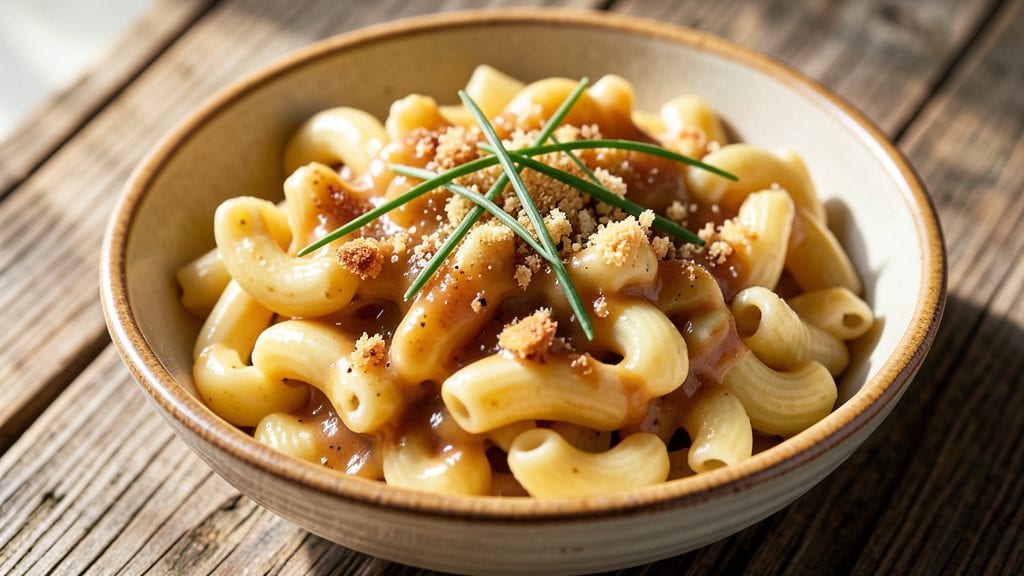
This whole foods macaroni and cheese recipe transforms a classic comfort dish into a wholesome, nutrient-packed meal without sacrificing that creamy, cheesy goodness we all love. The foundation starts with whole-grain pasta that delivers satisfying texture while boosting fiber and protein—no refined flour here.
What sets this apart is the homemade roux and carefully balanced cheese blend that creates a velvety sauce with depth, not just richness.
I developed this after years of testing lighter versions that still delivered on flavor, and it never fails to impress even the most devoted mac and cheese purists.
The magic happens in the sauce, where a precise ratio of sharp cheddar, nutty Gruyère, and a touch of cream cheese creates layers of flavor that stay cohesive even when reheated.
We're talking about a sauce so smooth it coats every al dente pasta strand perfectly, with just enough tang from a splash of buttermilk to keep it from feeling heavy. The secret weapon?
Cooking the roux low and slow to develop nutty undertones before adding the cheese—this is where most shortcut recipes fall short. Every bite delivers that comforting, melty texture we crave, but with ingredients you can feel good about.
What you'll end up with is a dish that's creamy yet balanced, satisfying yet wholesome—think golden, al dente pasta strands swimming in a rich cheese sauce that's neither greasy nor overly processed.
The whole-grain pasta holds up beautifully while absorbing the sauce, and the cheese melts into strands rather than clumping. This version works as a standalone side or hearty main when paired with steamed vegetables or a simple salad. The best part?
It's foolproof enough for weeknights but impressive enough for company, all while keeping that nostalgic mac and cheese soul intact.
For those looking to elevate it further, I've included optional add-ins like sautéed mushrooms, spinach, or a sprinkle of smoked paprika that add complexity without overpowering the dish. The recipe scales perfectly for meal prep too—just store the sauce separately and combine before serving to maintain that fresh-cooked texture.
Let's get started on creating mac and cheese that's as good for you as it is delicious.
Ingredients for whole foods macaroni and cheese
Whole-grain pasta, nutty cheeses, and a slow-cooked roux—this is the wholesome mac and cheese you'll crave.
| Ingredient | Amount | Notes |
|---|---|---|
| Whole-Grain Elbow Macaroni 🍝 | 12 oz | Al dente preferred, dry weight |
| Unsalted Butter 🧈 | ½ cup | Cold, cubed for roux |
| All-Purpose Flour 🌾 | ½ cup | White or whole wheat blend |
| Sharp Cheddar Cheese 🧀 | 1 ½ cups | Shredded, aged 6+ months |
| Gruyère Cheese 🧀 | ¾ cup | Shredded, nutty flavor |
| Cream Cheese 🧀 | 4 oz | Full-fat for creaminess |
| Buttermilk 🥛 | ¼ cup | Full-fat preferred |
| Whole Milk 🥛 | ½ cup | Warmed for smoother sauce |
| Garlic Cloves 🧄 | 2 cloves | Minced for roux |
| Yellow Onion 🧅 | ½ whole | Finely diced, sweet variety |
| Sea Salt 🧂 | 1 ½ tsp | Kosher or fine grain |
| Ground Black Pepper 🌶️ | ½ tsp | Freshly cracked |
| Smoked Paprika 🌶️ | ¼ tsp | Optional for depth |
| Fresh Spinach 🌿 | 1 cup | Chopped, optional add-in |
The cheeses are where this dish shines. Gruyère brings that nutty depth while sharp cheddar adds tang—don't skimp on the aged varieties. I grab mine from Whole Foods' cheese counter when possible, but any specialty grocery store works. For the butter, Plugrá or Land O'Lakes are reliable, but if you've got a local creamery, their unsalted is worth the splurge. The flour matters too—King Arthur or Bob's Red Mill whole wheat blends work perfectly for that slight nutty undertone in the roux. If you're using whole-grain pasta, Barilla or Jovial hold up best—they're designed to cook evenly without turning mushy.
No Gruyère? Parmesan or Emmental work in a pinch, but the flavor won't be identical. Short on sharp cheddar? Pepper Jack adds heat while still keeping that creamy texture. The smoked paprika is totally optional, but trust me—it adds this amazing depth that makes the sauce taste restaurant-quality. For the spinach, fresh is best, but frozen chopped works in a bind. Just drain it really well. The buttermilk can be substituted with plain yogurt thinned with milk if you're out, but it won't have quite the same tang. And if you're making this ahead, prepare the sauce first—it reheats beautifully while keeping that velvety texture.
This sauce keeps for 4-5 days in the fridge, but honestly, it's even better the next day once everything melds. Freeze portions in airtight containers for up to 3 months—just thaw slowly in the fridge. I always make a double batch because it disappears fast. For meal prep, store the sauce and pasta separately, then toss with a splash of milk when reheating. The pasta reheats best if you undercook it by 1 minute initially, so it finishes perfectly when mixed with the sauce. Leftovers? Toss with a fried egg on top—trust me, it's next-level.
Why You'll Love This Recipe
- No-Fuss Stovetop Sauce: I swear by this method—just melt butter, whisk in flour, then add milk until it’s silky smooth. No blender, no straining, and honestly? It’s foolproof even when I’m distracted.
- Creamy Yet Crunchy Magic: That whole-grain pasta holds its shape while the Gruyère melts into a velvety sauce—sharp cheddar adds the perfect bite. It’s the kind of dish where every bite has texture and depth.
- Lunchbox Hero: Between us, this is my go-to for school lunches or office meals. The flavors stay rich even cold, and the whole-grain pasta keeps it satisfying. (Yes, even my picky teen eats it.)
- Budget-Friendly Luxury: Sharp cheddar and Gruyère stretch further than you’d think, and the whole-grain pasta adds fiber without breaking the bank. Leftovers? Even better reheated—just add a splash of milk.
Step-by-step instructions for whole foods macaroni and cheese
Here's how to create a creamy, wholesome mac and cheese that's packed with flavor and texture.
Cook the Whole-Grain Elbow Macaroni to Al Dente Perfection
Bring a large pot of water to a rolling boil and add 1.5 teaspoons sea salt—it should taste like the ocean. Add the 12 oz whole-grain elbow macaroni and cook until 1 minute before the package indicates al dente (usually around 9-10 minutes). This ensures it finishes cooking in the warm sauce rather than becoming mushy.
I like to taste-test a piece—it should have a slight resistance when bitten, with a creamy center. Drain the pasta in a colander, but don't rinse it. The starch on the pasta helps thicken the sauce and creates that signature cheesy cling. Keep the pasta warm while you prepare the roux.
Create a Rich Roux with Butter, Flour, and Aromatics
In a large, heavy-bottomed pot over medium heat, melt the ½ cup unsalted butter until it foams. Add the ½ cup all-purpose flour and whisk vigorously for 1-2 minutes until the mixture forms a smooth, pale roux and smells nutty. This is your flavor foundation—don't rush it.
Next, add the finely diced ½ whole yellow onion and minced 2 garlic cloves. Cook for 3-4 minutes until the onion softens and the garlic becomes fragrant. Here's where the magic happens—the onions caramelize slightly, adding depth to the sauce. Keep the heat at medium to avoid burning the garlic.
Build the Cheese Sauce Layer by Layer
Gradually whisk in the ½ cup warmed whole milk and ¼ cup buttermilk, ensuring no lumps form. Stir constantly for 3-4 minutes until the mixture thickens slightly. Now, reduce the heat to low and begin adding the cheeses in stages.
First, stir in the 4 oz cream cheese until fully melted and smooth. Then, add the 1.5 cups sharp cheddar cheese and ¾ cup gruyère cheese, whisking until completely melted. The sauce should be velvety and thick—if it's too thin, simmer for another 1-2 minutes. Season with ½ teaspoon ground black pepper and ¼ teaspoon smoked paprika for a subtle smoky depth.
Combine Pasta and Sauce for Maximum Creaminess
Add the drained whole-grain elbow macaroni to the cheese sauce and toss gently with a wooden spoon or tongs. Cook for 1-2 minutes over low heat, stirring constantly, until the pasta absorbs the sauce and becomes evenly coated. The goal is to heat through without overcooking the pasta.
For the final touch, fold in the 1 cup chopped fresh spinach until just wilted—this adds a bright contrast to the rich cheese. Taste and adjust seasoning with additional sea salt if needed. The sauce should be creamy but not watery, with a perfect balance of cheesy tang and herbal freshness.
Serve Immediately with Crispy Topping (Optional)
Transfer the mac and cheese to a serving dish. For extra texture, sprinkle with extra sharp cheddar cheese and broil for 1-2 minutes until golden and bubbly. This step adds a delightful contrast to the creamy base.
Serve warm with a side of garlic bread or a simple green salad. The whole-grain pasta holds its shape beautifully, while the layered cheeses deliver a rich, satisfying bite. This dish is hearty enough for a weeknight dinner but wholesome enough to feel like a treat.
Pro Tips For Making Whole Foods Macaroni And Cheese
- Cook pasta al dente: DESCRIPTION: Whole-grain pasta needs 1-2 minutes less than regular pasta—test at 12 minutes, not 14. It’ll finish cooking in the cheese sauce, and overcooking turns it mushy. (I learned this after serving a sad, gummy batch to my kids.)
- Melt butter slowly: DESCRIPTION: Heat the butter over medium-low, not medium-high— Gruyère burns faster than you’d think. Let it bubble gently before adding flour, or you’ll get a nutty, bitter flavor instead of rich creaminess.
- Grate cheese fresh: DESCRIPTION: Pre-shredded cheese has anti-caking agents that make the sauce grainy. Buy blocks of sharp cheddar and Gruyère, grate them yourself, and pulse the Gruyère in a food processor for extra smoothness. (Your mouth will notice the difference.)
- Whisk like your life depends on it: DESCRIPTION: When combining the cheese sauce with pasta, stir vigorously for 2-3 minutes—this melts the cheese evenly and creates a velvety texture. Skimp on this step, and you’ll end up with clumps. (I’ve done it; it’s not pretty.)
Make-ahead tips for this whole foods macaroni and cheese
Sauce Prep Ahead
Make the cheese sauce up to 2 days in advance—it actually tastes better after flavors meld! Cool it completely, then store in an airtight container in the fridge.
When ready to serve, reheat gently over low heat with 1-2 tablespoons of milk to restore creaminess. I always double the batch because it disappears fast. 🧀
Pasta Storage Tricks
Cook the whole-grain pasta 1 minute less than package instructions suggest, then shock it in ice water to stop cooking. Store in an airtight container with a paper towel to absorb excess moisture—this prevents sogginess.
Reheat pasta separately in a dry pan for 2-3 minutes before mixing with sauce to maintain al dente texture. ❄️
Freezer-Friendly Method
For long-term storage, freeze the sauce in quart-sized portions with 1-inch headspace for expansion. Thaw overnight in the fridge, then reheat with 1 tablespoon of milk per cup of sauce to prevent separation. The pasta reheats best when tossed with sauce—never microwave dry pasta. 📅
Meal Prep Assembly
Keep sauce and pasta separate until ready to eat. When reheating, combine in a pot with 2 tablespoons of milk per serving and stir constantly over medium-low heat for 3-4 minutes.
The residual starch on the pasta helps thicken the sauce naturally. Add fresh spinach or herbs only at the end to preserve their color. 🍽️
Portion Control Tips
Divide into single-serving containers for easy grab-and-go meals. Each portion should have 1 cup of sauce to ½ cup cooked pasta for balanced texture. Label containers with dates—this sauce stays fresh for 5 days refrigerated or 3 months frozen. The whole-grain pasta holds up beautifully when reheated properly. 💡
Reheating Perfection
For best results, transfer frozen portions to the fridge 24 hours before using to thaw slowly. Reheat in a saucepan with 1 tablespoon of milk per cup until steaming hot (165°F).
Avoid microwaving—it creates a watery texture. The slow reheat method preserves that creamy, velvety consistency we all love. 🔥
Nutrition facts
Frequently asked questions
Can I use regular pasta instead of whole-grain?
The recipe works best with whole-grain pasta for that satisfying texture and extra fiber, but you can substitute regular elbow macaroni if needed. Just reduce the cooking time by 1 minute to prevent mushiness when combining with the sauce. The sauce will still cling perfectly, though the nutritional benefits will differ.
Why does my cheese sauce get grainy?
Grainy sauce usually means the cheese wasn't melted slowly enough or the sauce was too thin. Always melt cheeses over low heat while whisking constantly, and add them in stages (cream cheese first, then harder cheeses). If it separates, stir in 1 tablespoon of milk and simmer for 1-2 minutes to restore smoothness.
What's the best way to add veggies without making it watery?
For veggies like spinach or mushrooms, sauté them first until they release moisture, then drain well before adding to the sauce. Stir them in during the final 1-2 minutes of cooking to preserve texture. Roasted veggies work too—just chop them small so they blend into each bite.
Can I make this dairy-free?
You can adapt it with dairy-free butter, nutritional yeast for cheesy flavor, and plant-based milk/cream cheese. Use cashew cream (soaked cashews blended with water) as a base for the sauce. The texture will be lighter but still creamy. For best results, add 1 teaspoon of tapioca starch to help thicken the sauce.
How do I fix overcooked pasta?
If your pasta is mushy, drain it and spread it on a baking sheet to cool quickly. Then, toss with 1 tablespoon of butter or olive oil and a pinch of salt to restore some texture. When mixing with sauce, add 1-2 tablespoons of milk to help bind everything together. The sauce will still cling, but the pasta won't be as firm.