
Main Courses
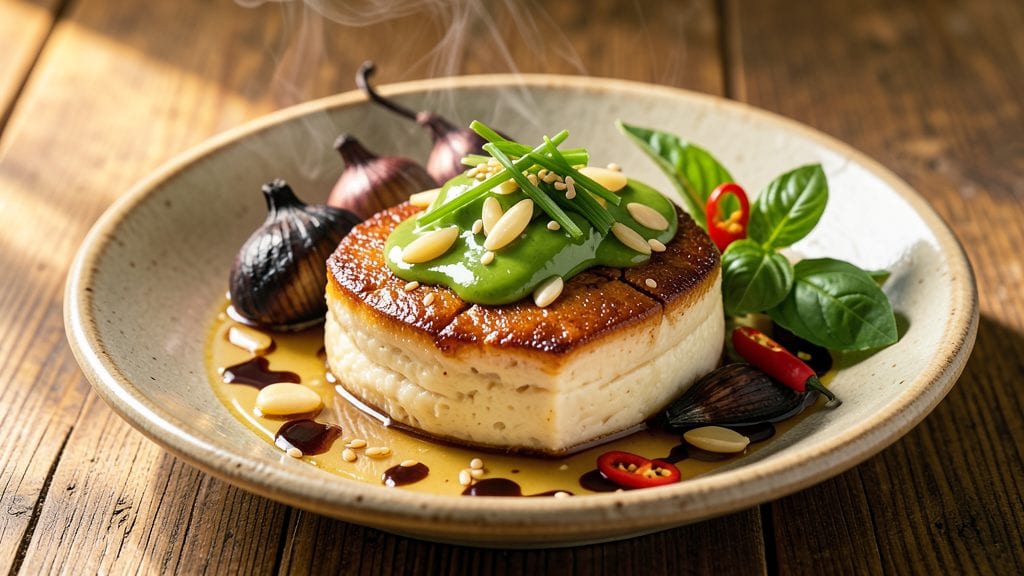
This Vietnamese head cheese recipe transforms simple ingredients into a dish that captures the heart of Hanoi street food—silky, fragrant, and impossible to resist.
The magic lies in blending coconut milk with lemongrass and fish sauce, creating a gelatinous texture that melts in your mouth while delivering layers of umami and citrus brightness.
I first discovered this dish at a bustling market stall in Vietnam, where it was served in delicate rice paper rolls alongside fresh herbs and tangy dipping sauce.
The beauty of this recipe is its simplicity: just a handful of ingredients, minimal prep, and a cooking process that requires patience but delivers restaurant-quality results.
The key steps—marinating the meat, shaping the mixture carefully, and achieving the perfect golden-brown sear—ensure every bite is tender yet firm enough to hold its shape. This dish isn’t just food; it’s a taste of Vietnam’s vibrant culinary tradition, brought to your kitchen with professional precision.
By the time you’re done, you’ll have a dish that’s elegant enough for dinner parties but rooted in the humble origins of street food. The coconut-lemongrass gelatin has a delicate, almost translucent sheen when sliced, while the crispy exterior from pan-frying adds satisfying texture.
Pair it with rice paper rolls, fresh herbs, and a side of nuoc cham for an authentic experience that feels like a trip to Southeast Asia.
Whether you’re serving it as a main course or adding it to banh mi sandwiches, this recipe adapts beautifully to any occasion. The vegetarian version, using mushrooms or tofu, proves just as delicious, making it accessible to everyone.
Let’s bring the flavors of Vietnam to your table with this foolproof method.
Ingredients for vietnamese head cheese
Simple ingredients transform into silky, fragrant Vietnamese head cheese with just coconut milk and lemongrass.
| Ingredient | Amount | Notes |
|---|---|---|
| Pork Shoulder 🥩 | 1 ½ lb | Boneless, cut into 1-inch cubes |
| Coconut Milk 🥥 | 13 ½ oz | Full-fat canned, unsweetened |
| Lemongrass 🌿 | 1 whole | Stalks, bruised and cut into 2-inch pieces |
| Fish Sauce 🍶 | 2 tbsp | Red Boat preferred |
| Ginger Root 🧄 | 1 ½ oz | Fresh, peeled and sliced |
| Garlic Cloves 🧄 | 6 cloves | Peeled and smashed |
| Sugar 🍚 | 1 tbsp | White granulated |
| Salt 🧂 | 1 tsp | Diamond Crystal kosher |
| Black Pepper 🌶️ | ½ tsp | Freshly ground |
| Unsalted Butter 🧈 | 2 tbsp | Cold, for searing |
| Lime Juice 🍋 | 1 tbsp | Freshly squeezed |
| Fresh Cilantro 🌱 | ¼ cup | Chopped, for garnish |
| Rice Paper Wrappers 🍱 | 8 whole | For serving |
The pork shoulder is non-negotiable—boneless cuts save time, but the fat keeps it tender. Costco or local butchers often have it pre-cut, but check for visible marbling if buying whole. Coconut milk? Thai Kitchen brand is my go-to—it’s affordable and consistently creamy. The lemongrass should be vibrant green with no brown spots; Asian markets usually carry fresh stalks, but frozen works in a pinch. Fish sauce is the umami backbone—Red Boat is the gold standard, but any reputable brand (like Three Crabs) will do. Skip the pre-made blends with added sugar or preservatives.
No lemongrass? Lime zest plus a splash of lime juice mimics the citrus punch, though it won’t replicate the grassy depth. Subbing coconut milk? Full-fat Greek yogurt or heavy cream adds richness, but the texture will be denser. Fresh ginger is ideal, but ground ginger at half the amount works if you’re in a hurry. The butter for searing? Use European-style (like Plugrá) if you’ve got it—it browns better. For the lime juice, Mexican limes have more acidity, but regular Key limes are fine. And if you’re vegetarian? Swap pork for extra-firm tofu or mushrooms—just simmer them longer to break down the fibers.
This dish reheats beautifully—steam or microwave with a damp paper towel to keep it moist. Store leftovers in the fridge for 4-5 days, sealed tightly to prevent drying. For longer storage, freeze portions in airtight containers for up to 3 months. The texture changes slightly after freezing, but a quick steam brings it back to perfection. Garnish with cilantro right before serving—it wilts fast, so add it last. Pair with rice paper rolls and nuoc cham for an authentic experience.
Why You'll Love This Recipe
- One-Pot Magic: I swear by this—simmer the pork shoulder in coconut milk, toss in whole lemongrass stalks (no chopping needed), and let the fish sauce work its savory magic. By the time the ginger caramelizes, I’ve got a hands-off meal that feeds four with almost no effort.
- Umami Bomb: That first bite? The pork shoulder melts into tender shreds while the coconut milk and fish sauce create this deep, salty-sweet harmony. The ginger and lemongrass add a bright kick—like a hug for your taste buds, but make it Southeast Asian.
- Leftover Goldmine: This recipe actually improves the next day. The flavors meld into something even richer, and I turn it into quick banh mi sandwiches or stir-fry it with rice noodles. Honestly, I make extra just for this.
- Budget Stretch: Pork shoulder is cheap, and coconut milk makes it feel fancy without breaking the bank. A single batch feeds my family for days, and the leftovers freeze like a dream. My wallet and my freezer thank me every time.
Step-by-step instructions for Vietnamese head cheese
This silky, aromatic head cheese comes together with precision—each step builds layers of coconut-lemongrass depth.
Sear the Pork Shoulder for Deep Flavor
Heat a heavy pot over medium-high heat and add the 2 tablespoons unsalted butter. Once the butter foams, add the 1.5 lb pork shoulder cut into 1-inch cubes, working in batches if needed. Sear undisturbed for 3-4 minutes per side until deeply golden brown—this creates the foundation for rich flavor.
Real talk: Don't rush this. You want those cubes to develop a crust that'll melt into the coconut milk later. Once all pieces are seared, remove them and set aside. The butter should have rendered enough fat to coat the bottom of the pot—this is pure flavor you don't want to waste.
Build the Aromatic Coconut-Lemongrass Base
In the same pot, add the 2-inch lemongrass pieces, 1.5 oz sliced ginger root, and 6 smashed garlic cloves. Sauté for 2 minutes until fragrant—you should smell that bright, citrusy lemongrass aroma cutting through the ginger's sharpness. This is where the magic starts.
Pour in the 13.5 oz coconut milk and scrape up any browned bits from the bottom. Add the 2 tablespoons fish sauce, 1 tablespoon sugar, 1 teaspoon salt, and 0.5 teaspoon black pepper. Bring to a gentle simmer over medium heat, then return the seared pork to the pot.
Simmer Until Silky Perfection
Cover the pot and reduce heat to low. Let it simmer gently for 1 hour to 1 hour 15 minutes, stirring occasionally, until the pork is fork-tender and the liquid has reduced to a thick, velvety consistency. Here's the thing—you're not just cooking pork, you're creating a gelatinous texture that'll hold its shape when chilled.
Taste and adjust seasoning—you might need a touch more fish sauce or sugar to balance the coconut's sweetness. The mixture should coat the back of a spoon with a glossy sheen. When it reaches this stage, remove from heat and stir in the 1 tablespoon lime juice—this brightens the entire dish.
Chill and Set for Clean Cuts
Transfer the mixture to a heatproof bowl and let it cool to room temperature. Then, refrigerate uncovered for 4-6 hours (or overnight) until completely set. This chilling period transforms the liquid into a firm, jiggly texture that'll slice beautifully. I know it's tempting to rush, but patience here makes all the difference.
Once fully set, run a sharp knife around the edges to loosen it from the bowl. Then, using a hot knife (dipped in boiling water and wiped dry), slice into 4 equal portions. The knife should glide through cleanly—if it doesn't, return it to the fridge for another 30 minutes and try again.
Serve with Fresh Herbs and Rice Paper
Garnish each portion with 0.25 cup chopped fresh cilantro right before serving. The herb's bright, peppery notes cut through the rich coconut and pork flavors. Serve immediately with the 8 whole rice paper wrappers on the side for dipping—traditionally, this head cheese is enjoyed wrapped in rice paper with fresh herbs and pickled vegetables.
Each bite should deliver a perfect balance: tender pork cubes suspended in a silky coconut-lemongrass gel, with that essential umami punch from the fish sauce. The texture should be firm yet melt-in-your-mouth, with clean slices that hold their shape. This is Vietnamese comfort food at its finest.
Pro Tips For Making Vietnamese Head Cheese
- BLANCH THE PORK FIRST: Toss the pork shoulder in boiling water for 2 minutes before simmering—this loosens the connective tissue and keeps the final texture tender. I learned this the hard way after serving a batch where the slices were tougher than expected.
- USE FROZEN LEMONGRASS: Skip the fresh stalk hassle—frozen lemongrass works just as well and saves time. Just crush it with the side of your knife before adding it to the coconut milk. (Yes, even if you’re impatient like me.)
- SIMMER LOW AND SLOW: Cover the pot and keep the heat at a gentle simmer—too much boiling turns the broth murky and the pork rubbery. After burning three batches, I finally figured out that "low and slow" isn’t just for BBQ.
- STRAIN THE COCONUT MILK: Unless you’re using ultra-creamy canned milk, strain it through a fine-mesh sieve to remove any grit or excess fiber. This makes a real difference in texture—no one wants a gritty head cheese.
Perfect pairings for vietnamese head cheese
Nuoc Cham Perfection
The star pairing for this head cheese is nuoc cham, Vietnam’s iconic fish sauce-based dipping sauce. I balance 3 tablespoons fish sauce, 2 tablespoons lime juice, 1 tablespoon sugar, and 1 cup water in a small pitcher.
The sauce should be tangy, sweet, and just salty enough to cut through the rich coconut-lemongrass flavors. Serve it chilled in small bowls for dipping—every bite of head cheese deserves that bright, refreshing contrast. 🍋
Fresh Herb Garnishes
Top your head cheese with thinly sliced Vietnamese mint and cilantro for an authentic touch. The mint’s peppery freshness and cilantro’s citrusy notes elevate the dish instantly. I also add shredded jicama and carrot matchsticks for crunch—these veggies are staples in Vietnamese street food.
Arrange them artfully on a platter to make the dish visually stunning. 🌿
Rice Paper Rolls
Serve the head cheese in traditional rice paper rolls with shredded pork, lettuce, mint, and pickled carrots. Dip each roll into nuoc cham for the ultimate Vietnamese experience.
For a shortcut, slice the head cheese into ½-inch thick pieces and arrange them on a platter with the herbs and sauce for easy dipping. This is how it’s enjoyed at Hanoi street markets. 🍱
Complementary Sides
Pair your head cheese with steamed jasmine rice to soak up any extra sauce. I also recommend adding grilled lemongrass pork skewers or crispy fried shallots for extra texture. The fried shallots add a nutty crunch that contrasts beautifully with the silky head cheese.
For a complete meal, include a simple cucumber salad with rice vinegar and chili flakes. ✨
Drink Pairings
Cool, refreshing drinks balance the richness of this dish perfectly. I love serving Vietnamese iced coffee with its strong, sweet, and creamy profile. For a lighter option, try lychee soda or coconut water to complement the coconut flavors.
Avoid heavy wines or beers—they’ll overpower the delicate balance of this dish. 🍹
Vegetarian Adaptations
For a vegetarian version, replace the pork with extra-firm tofu or shiitake mushrooms—simmer them longer to achieve the same tender texture. The head cheese will still set beautifully, and the coconut-lemongrass flavors shine even brighter. Serve with the same sides and dipping sauce for a satisfying plant-based meal. 🌱
Nutrition facts
Frequently asked questions
Is this Vietnamese head cheese the same as Western-style head cheese?
Not at all! While Western head cheese is made with pork broth and gelatin, this Vietnamese version uses coconut milk and lemongrass for its signature silky texture. It's more like a savory gelatin dessert than a traditional meatloaf. The key difference is the aromatic coconut-lemongrass base that gives it that distinct Southeast Asian flavor profile.
Can I make this vegetarian?
Swap the pork for extra-firm tofu or shiitake mushrooms—simmer them longer to break down fibers and achieve that same tender texture. The coconut-lemongrass flavors actually shine even brighter without meat. Just ensure your protein source has enough collagen or binds well with the coconut mixture.
Why does my head cheese turn out too runny?
This usually happens when the mixture isn't chilled long enough or the coconut milk wasn't reduced sufficiently. For perfect texture, let it set 4-6 hours uncovered in the fridge, and ensure the liquid reduces to a thick, velvety consistency before chilling. A hot knife for slicing also helps create clean cuts that hold their shape.
How long can I store leftovers?
Store in an airtight container in the fridge for 4-5 days or freeze for up to 3 months. For best texture, reheat gently with a damp paper towel or steam. The chilled version reheats beautifully, though the texture will be slightly softer than fresh. Always bring it to room temperature before reheating to prevent condensation.
What's the best way to serve this dish?
Traditionally, it's enjoyed in rice paper rolls with fresh herbs and pickled veggies, dipped in nuoc cham. For a simpler approach, slice into ½-inch pieces and arrange on a platter with the herbs and sauce for easy dipping. Pair with steamed jasmine rice and grilled lemongrass pork for a complete meal.