
Sauces & Condiments
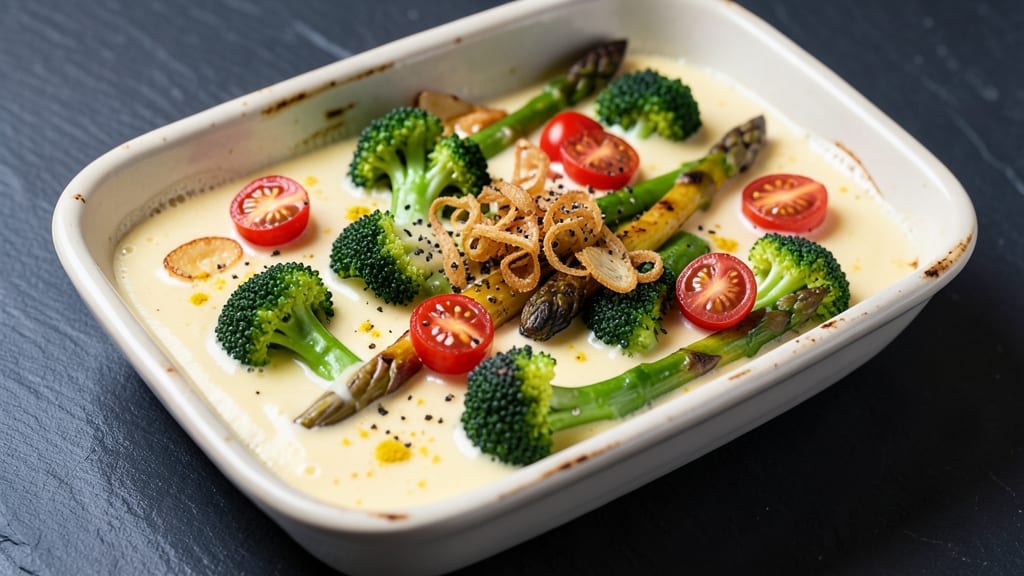
This Velveeta cheese sauce recipe for vegetables transforms ordinary veggies into something extraordinary with its ultra-creamy, velvety texture that clings perfectly to every bite.
The secret lies in precise measurements and a slow, gentle melting process that creates a sauce so rich it feels like a hug for your taste buds. I developed this recipe after years of experimenting with cheesy vegetable dips, and it consistently delivers that restaurant-quality melt without the fuss.
The foundation of this sauce is a simple combination of Velveeta cheese, milk, and a touch of butter, but it's the technique that makes all the difference. By melting the cheese gradually over low heat, you avoid lumps and achieve that signature ultra-smooth consistency that coats vegetables like a dream.
The sauce is neutral enough to work with any vegetable—broccoli, cauliflower, green beans—but we'll show you how to customize it with optional seasonings like garlic powder, mustard, or fresh herbs.
What makes this sauce truly special is its versatility. Use it as a warm dip for fresh vegetables, a creamy coating for roasted veggies, or even a sauce for pasta or baked potatoes. The texture remains perfectly creamy even after reheating, making it ideal for meal prep.
With just five simple ingredients and about 10 minutes of active time, you'll have a sauce that elevates any vegetable dish to gourmet status.
Once you try this Velveeta cheese sauce, you'll never go back to store-bought versions. The secret to its success is patience—letting the cheese melt completely before adding milk ensures a sauce that's impossibly smooth and rich.
Store any leftovers in the refrigerator for up to 5 days, and simply reheat with a splash of milk to restore that perfect creamy consistency. This is the kind of sauce that makes vegetables the star of the meal.
Ingredients for velveeta cheese sauce recipe for vegetables
Five core ingredients plus optional seasonings—this sauce transforms veggies into something irresistible.
| Ingredient | Amount | Notes |
|---|---|---|
| Velveeta Cheese 🧀 | 8 oz | Shredded or cubed for even melting |
| Whole Milk 🥛 | 1 cup | Full-fat for richest texture |
| Unsalted Butter 🧈 | 2 tbsp | Cold for gradual melting |
| Garlic Powder 🧄 | ½ tsp | Optional but enhances flavor |
| Mustard Powder 🌶️ | ¼ tsp | Adds subtle tanginess |
| Diamond Crystal Kosher Salt 🧂 | ¼ tsp | Adjust to taste |
| Fresh Parsley 🌿 | 1 tbsp | Chopped for garnish (optional) |
Velveeta is the star here, so pick the block, not the pre-shredded. The block melts smoother and stays lump-free. Kroger or Walmart usually carry it in the cheese section, but if you can't find it, Wisconsin Brick works as a backup. The milk matters too—whole milk gives the richest texture, but 2% works in a pinch. I always grab extra Velveeta because it keeps for months in the fridge, wrapped tightly in parchment paper. For the butter, Land O'Lakes or Plugrá are my go-tos—they melt evenly without burning.
No garlic powder? Fresh minced garlic at double the amount works wonders, but it burns easily. Mustard powder unavailable? Dijon mustard at half the amount adds that same tangy depth. The parsley is purely decorative, but if you're feeling fancy, chives or basil add a nice pop of color. For extra richness, swap out half the milk for heavy cream. And if you're using this for dipping, a squeeze of lemon juice at the end brightens everything up—trust me, it makes a difference.
This sauce reheats like a dream—just add a splash of milk if it thickens up. Keeps perfectly in the fridge for 5 days sealed in an airtight container. For longer storage, freeze in 1-tbsp portions (they thaw in seconds). The Velveeta block? Store it in its original packaging, and it'll last for 6 months without drying out. Pro tip: Make a double batch—it disappears fast when veggies are on the table.
Why You'll Love This Recipe
- No-Fuss Magic: I swear by this sauce because it’s the kind of recipe where you don’t even need a recipe—just melt the Velveeta with butter, splash in milk, and sprinkle those spices. The mustard powder gives it this subtle tang that makes it taste way more gourmet than it is.
- Creamy Comfort in Minutes: That first bite of warm, melty Velveeta hugging your veggies? Instant satisfaction. The garlic powder adds a little depth, but the real star is how the sauce clings to everything—broccoli, carrots, even those sad leftover potatoes—like it was made for them.
- Budget Booster: Velveeta and milk? Two dollars, tops. Butter and spices? Another dollar. This is the kind of recipe that makes me feel like I’m feeding my family fancy food without breaking the bank. Plus, it’s the only time I let myself use processed cheese without guilt.
Step-by-step instructions for Velveeta cheese sauce
This method delivers velvety perfection that clings beautifully to vegetables.
Melt Butter and Shred Cheese
In a medium saucepan over medium-low heat, melt the 2 tablespoons unsalted butter until it foams but doesn't brown—about 1-2 minutes. Here's the thing: starting too hot causes the cheese to seize and form lumps, and we're going for silky smoothness.
While the butter melts, shred the 8 ounces Velveeta cheese using a box grater. I like to use the large-hole side for even melting—no need for tiny shreds that burn before dissolving. Keep the shredded cheese nearby as you'll add it immediately after the butter melts completely.
Add Milk and Seasonings
Pour in the 1 cup whole milk all at once and stir continuously with a wooden spoon or silicone spatula. The mixture will thicken immediately as the cheese begins to melt. This is where patience pays off—don't walk away. Keep stirring for 2-3 minutes until the cheese is fully incorporated and the sauce reaches a smooth, glossy consistency.
Now's the time to add the 0.5 teaspoon garlic powder, 0.25 teaspoon mustard powder, and 0.25 teaspoon Diamond Crystal kosher salt. Stir these in thoroughly so they dissolve completely. The mustard powder adds that subtle tang that elevates this simple sauce, while the garlic powder infuses warmth without overpowering. Taste and adjust the salt if needed—this is your flavor baseline.
Simmer for Ultra-Creamy Texture
Reduce the heat to low and let the sauce simmer gently for 3-5 minutes. This final step is crucial for developing that restaurant-quality creaminess. Watch for small bubbles forming around the edges—this indicates gentle simmering. If the sauce starts to thicken too much, whisk in 1-2 tablespoons of milk to reach your desired consistency.
Here's what I do: I like to keep my sauce on the thicker side so it coats vegetables beautifully without being runny. If you prefer a lighter sauce for dipping, simmer for just 3 minutes. For a thicker sauce that clings perfectly to broccoli or cauliflower, go for the full 5 minutes. The key is to maintain that gentle simmer—never let it boil or it will separate.
Finish and Garnish
Remove the sauce from heat and stir in the 1 tablespoon chopped fresh parsley. This final step adds freshness that brightens the rich cheese flavor. The parsley should be finely chopped so it distributes evenly throughout the sauce. If you're using it purely for garnish, you can add it later—just before serving.
Let the sauce sit for 1 minute off the heat before using. This resting period allows the flavors to meld completely. The sauce should now be luxuriously smooth, with a perfect balance of creaminess, subtle tang, and aromatic depth. It will maintain this consistency for 20-30 minutes before thickening further, so use it promptly on your vegetables or pasta.
Pro Tips For Making Velveeta Cheese Sauce Recipe For Vegetables
- Cut the Cheese First: Velveeta’s waxy coating won’t melt smoothly if it’s still wrapped in plastic. Grab a sharp knife and slice the block into ½-inch cubes before melting—this guarantees even heating and a silky texture instead of clumpy bits. (Yes, I’ve learned this the hard way when lazy slicing turned my sauce into cheese soup.)
- Warm the Milk: Cold milk in hot butter? That’s a recipe for grainy disaster. Heat the whole milk to just below simmer (about 160°F) before adding it to the butter—this keeps the sauce from separating or curdling. I used to skip this, and the sauce always looked like it had a fight with a blender.
- Low and Slow: Crank the heat to medium-low once the butter’s melted and the cheese is stirring. Too high, and the Velveeta will seize up or split. Stir constantly for 3–4 minutes until it’s glossy, not just melted. I was skeptical until I tried it—now it’s non-negotiable for creamy perfection.
- Toast the Spices: Bloom the garlic and mustard powders in the butter for 30 seconds before adding milk. This wakes up their flavors and prevents a flat, one-dimensional sauce. (Sounds weird, but it works—your veggies will actually taste like they’re dressed, not just drowned.)
Regional styles of velveeta cheese sauce recipe for vegetables
Southern Comfort Style
In the South, this cheese sauce gets a hearty upgrade with smoked paprika and Cajun seasoning—just add ½ teaspoon smoked paprika and ¼ teaspoon Cajun seasoning (like Tony Chachere’s) when you stir in the milk.
The smoky depth pairs perfectly with grilled corn on the cob or collard greens. For extra richness, many Southern cooks use half-and-half instead of milk, creating a sauce that’s almost like a creamy, cheesy gravy. 🔥
Midwest Casserole Twist
The Midwest loves this sauce as a vegetable casserole base, so they often thicken it with 1 tablespoon all-purpose flour (whisked into the milk first) and add ½ cup shredded cheddar for extra depth.
Top with buttery breadcrumbs and crushed Ritz crackers before baking at 375°F for 10 minutes to create a crispy crust. It’s a classic pairing with green beans, carrots, or peas—like a cheesy vegetable bake.
New England Clam Chowder Fusion
Up north, this sauce transforms into a clam chowder-inspired dip by adding ½ cup clam juice (or seafood stock) and ½ teaspoon Old Bay seasoning. The tangy, briny notes cut through the richness, making it perfect for steamed mussels, lobster tails, or even oysters.
Serve it warm in a bread bowl with sourdough croutons for dipping—it’s a coastal favorite that feels like a hug on a cold day. 🌊
Southwest Spicy Kick
For a Southwest flair, swap the mustard powder for ½ teaspoon adobo seasoning (from canned chipotles) and add ¼ teaspoon cayenne pepper. The smoky, spicy heat works wonders with roasted zucchini, bell peppers, or jicama sticks.
Garnish with chopped cilantro and a squeeze of lime juice for brightness. This version is a crowd-pleaser at summer BBQs or taco nights. 🌶️
Classic Italian Herb Version
Inspired by Italian-American traditions, this sauce gets a herb-forward upgrade with 1 teaspoon dried oregano, ½ teaspoon dried basil, and ¼ teaspoon red pepper flakes. The herbs add a Mediterranean touch that pairs beautifully with roasted eggplant, artichokes, or asparagus.
For extra authenticity, some cooks finish with a sprinkle of grated Parmesan—it adds a nutty depth that balances the creamy Velveeta. 🌿
Nutrition facts
Frequently asked questions
Can I make this cheese sauce without milk?
Yes! For a richer texture, substitute the milk with ½ cup heavy cream plus ½ cup water. This creates a velvety sauce that still coats vegetables beautifully. If you're avoiding dairy entirely, use unsweetened almond milk or coconut milk, but the sauce will be lighter. For best results, add a pinch of cornstarch to the milk substitute to help thicken it properly.
Why does my cheese sauce get grainy?
Graininess usually happens when cheese melts too quickly or isn't stirred enough. Always melt the butter first over medium-low heat before adding cheese, and stir constantly for 2-3 minutes until fully dissolved. For extra smoothness, shred the cheese yourself instead of using pre-shredded (which contains anti-caking agents that can cause lumps). If it still gets grainy, strain the sauce through a fine-mesh sieve before serving.
How do I keep this sauce from separating when reheating?
Add 1-2 tablespoons of milk or water and stir well before reheating over low heat. Never microwave it directly—this causes separation. For best results, reheat in a saucepan with a splash of liquid and stir continuously until smooth. If it thickens too much, thin it with more milk. The sauce should be silky, not stringy or oily, when reheated.
What vegetables pair best with this sauce?
This ultra-creamy sauce works perfectly with broccoli, cauliflower, green beans, carrots, and asparagus. For extra flavor, try it with roasted Brussels sprouts or zucchini. The neutral base lets the vegetable's natural taste shine, while the creamy coating makes everything irresistible. For dipping, use it with bell pepper strips, celery, or cucumber slices—the contrast of crunchy veggies and smooth sauce is pure comfort food.
Can I make this sauce ahead of time?
Store leftovers in an airtight container in the fridge for up to 5 days. When reheating, add 1-2 tablespoons of milk to restore creaminess. For longer storage, freeze in 1-tablespoon portions (great for quick dips) or in a single container for up to 3 months. Thaw overnight in the fridge and reheat gently to avoid separation.