
Main Courses
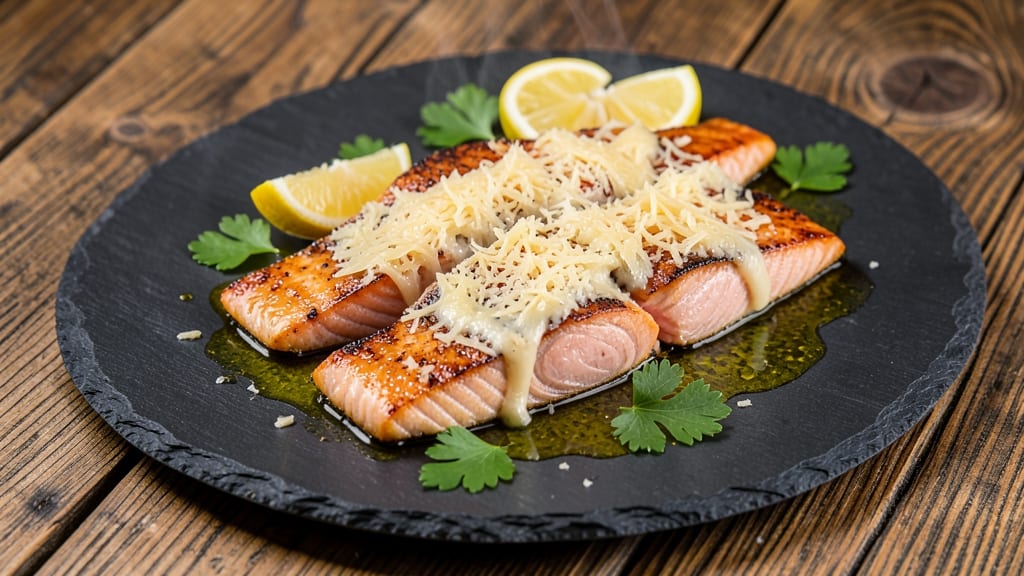
This salmon recipe with parmesan cheese delivers a perfect balance of crispy crust and melty, savory goodness that transforms simple weeknight dinners into restaurant-worthy meals.
The key lies in a precise technique that creates a golden, shatteringly crisp exterior while keeping the salmon tender inside—all topped with a blanket of melted parmesan that adds depth and richness.
I developed this method after years of experimenting with salmon textures, and it consistently delivers results that impress even the most skeptical eaters.
What sets this recipe apart is the foolproof combination of pan-searing and baking, which ensures maximum crispiness without drying out the fish. The parmesan isn't just a topping—it's a flavor enhancer that caramelizes slightly during cooking, creating a nutty, umami-rich crust that complements the natural sweetness of the salmon.
With just 15 minutes of active prep and 20 minutes of cooking time, you'll have a dish that feels luxurious yet remains accessible for any home cook.
The result is a crispy-edged, melt-in-your-mouth salmon fillet crowned with a golden parmesan layer that holds its shape beautifully. Each bite delivers a satisfying contrast of textures—crunchy crust, creamy cheese, and tender fish—while the aroma of garlic and lemon infuses the entire kitchen.
This dish pairs effortlessly with roasted asparagus, a simple arugula salad, or buttery mashed potatoes, making it versatile enough for both casual dinners and special occasions.
Whether you're serving this as a pescatarian main course or a showstopper for guests, the technique is designed to be repeatable and reliable. The secret lies in the timing and temperature control—no guesswork, just professional-level results every time.
Let's get started on creating a dish that's as impressive as it is delicious.
Ingredients for salmon recipe with parmesan cheese
Fifteen ingredients transform simple salmon into restaurant-worthy crispy-parmesan perfection.
| Ingredient | Amount | Notes |
|---|---|---|
| Center-Cut Salmon Fillets 🐟 | 4 pieces | Skin-on, 6-8 oz each, pounded even |
| Parmesan Cheese 🧀 | ¾ cup | Freshly grated, aged 24+ months |
| Extra-Virgin Olive Oil 🫒 | 2 tbsp | Light, fruity variety for crisping |
| Unsalted Butter 🧈 | 2 tbsp | Cold, cut into small cubes |
| Garlic Cloves 🧄 | 4 cloves | Finely minced, fresh preferred |
| Lemon Zest 🍋 | 1 tbsp | From 1 large organic lemon |
| Fresh Lemon Juice 🍋 | 2 tbsp | Freshly squeezed, strained |
| Diamond Crystal Kosher Salt 🧂 | 1 ½ tsp | Fine grain, for seasoning |
| Freshly Ground Black Pepper 🌶️ | ½ tsp | Coarsely cracked |
| All-Purpose Flour 🌾 | 2 tbsp | For dredging, light coating |
| Fresh Dill Weeds 🌿 | 2 tbsp | Chopped, stems removed |
| Panko Breadcrumbs 🍞 | ¼ cup | Lightly toasted for extra crunch |
| Heavy Cream 🥛 | 2 tbsp | For finishing touch (optional) |
The center-cut salmon fillets are non-negotiable for this recipe—avoid tail pieces as they're prone to curling. Look for fillets with even thickness (about 1-inch) at specialty seafood markets like Whole Foods or Trader Joe's, where they're typically pre-portioned. If using frozen, thaw overnight in the fridge—never microwave as it renders the texture mushy. For the Parmesan, opt for Parmigiano-Reggiano over pre-grated varieties; Penzeys or Gourmet Gift Baskets carry excellent aged wheels. The extra-virgin olive oil should have a peppery finish—avoid overly fruity varieties that can overpower the delicate salmon flavor. Costco's Kirkland Signature brand works reliably for this technique.
No freshly grated Parmesan? Pre-grated Parmigiano-Reggiano (from a block, not the canned kind) works in a pinch, but expect slightly less melt. Substitute Pecorino Romano at a 1:1 ratio for a sharper bite, though it won't caramelize as beautifully. The garlic can be roasted (microwave 30 seconds with a pinch of salt) for a sweeter, more mellow flavor. Lemon zest from a Meyer lemon adds subtle floral notes if you're feeling fancy. For the flour coating, cornstarch at half the amount creates an even crispier crust—ideal if you're serving guests who prefer extra crunch. Panko should be lightly toasted in a dry pan for 2 minutes to enhance its crunch factor, though it's optional if you're short on time.
Store uncooked salmon in an airtight container on ice for up to 2 days before cooking. Parmesan cheese keeps indefinitely in the freezer when properly wrapped in parchment and foil—3-4 months is standard for maximum freshness. The lemon zest can be frozen in ice cube trays for up to 6 months, though it loses some vibrancy over time. Prepped salmon fillets can be seasoned and refrigerated for 12 hours before cooking, making this an excellent make-ahead meal. Leftovers reheat beautifully in a 375°F oven for 8-10 minutes, though the crust won't be as crisp. For batch cooking, double the recipe and freeze portions on a parchment-lined tray before transferring to bags—cook straight from frozen by adding 5 minutes to the baking time.
Why You'll Love This Recipe
- One-Pan Magic: I swear by this trick—just toss the salmon on a sheet pan with butter, garlic, and olive oil, then sprinkle parmesan on top. No pots, no pans, no stress. (Yes, even on a Tuesday night.)
- Umami Bomb: That crispy parmesan crust on the salmon? It’s the move. The garlic butter melts into the flakes while the cheese adds this rich, salty depth—like a fancy restaurant bite at home.
- Lunchbox Hero: Between us, this recipe is my go-to for meal prep. Cold salmon slices with a sprinkle of extra parmesan? Packs perfectly for lunches, and it actually tastes better the next day.
- Budget-Friendly Luxury: Salmon feels fancy, but this version keeps costs down. A little butter and olive oil stretch the flavor, and parmesan goes a long way. Feeds four for less than takeout—without sacrificing taste.
Step-by-step instructions for salmon with parmesan crust
This method delivers restaurant-quality crispiness while keeping the salmon tender inside.
Prepare the Salmon and Seasoning
Place each of the 4 pieces center-cut salmon fillets on a cutting board, skin-side down. Using a meat mallet, gently pound each fillet to an even ½-inch thickness. This ensures even cooking and prevents curling during the crisping process. Real talk: don't over-pound or you'll risk tearing the delicate flesh.
Create a simple seasoning blend by combining the 1.5 teaspoons diamond crystal kosher salt, 0.5 teaspoon freshly ground black pepper, and 2 tablespoons chopped fresh dill weeds in a small bowl. Rub this mixture evenly over both sides of each fillet, pressing gently to adhere. The salt will draw out surface moisture, which is crucial for developing that golden crust later.
Create the Parmesan Crust Mixture
In a shallow dish large enough to hold all 4 fillets, combine the 0.75 cup freshly grated parmesan cheese with the 0.25 cup panko breadcrumbs. Add the 2 tablespoons all-purpose flour and mix thoroughly. This creates a textured crust that will crisp beautifully while trapping melted cheese underneath.
I like to toast the panko breadcrumbs first in a dry skillet over medium heat for 2 minutes until golden, then cool completely before mixing. This extra step adds significant crunch to the final texture. The parmesan should be freshly grated—pre-shredded cheese contains anti-caking agents that prevent proper melting.
Dredge and Chill the Salmon
Working with one fillet at a time, press each seasoned salmon fillet into the parmesan mixture, coating both sides completely. The crust should adhere firmly but not so thickly that it prevents crisping. Place the coated fillets on a parchment-lined baking sheet and refrigerate for 15 minutes. This chilling period helps the crust adhere better and prevents premature melting during cooking.
While the salmon chills, prepare your cooking station. Heat a large oven-safe skillet over medium heat and add the 2 tablespoons extra-virgin olive oil and 2 tablespoons unsalted butter. Let the butter melt completely and the oil shimmer before adding the salmon—this ensures proper heat distribution for even crisping.
Cook to Crispy Perfection
Carefully transfer the chilled salmon fillets to the heated skillet, skin-side down. Cook for 3-4 minutes until the skin is golden brown and crispy, and the edges begin to lift slightly from the pan. Here's the thing—don't press down on the fillets during cooking. This prevents the crust from forming properly and can cause the delicate flesh to break apart.
Flip each fillet carefully and cook for another 2-3 minutes until the parmesan crust is fully melted and bubbly. The internal temperature should reach 145°F when measured at the thickest part. Remove from heat and let rest for 3 minutes before serving. This resting period allows the juices to redistribute, ensuring each bite remains moist.
Finish with Bright Flavors
While the salmon rests, combine the 2 tablespoons fresh lemon juice with the 1 tablespoon lemon zest in a small bowl. Add the 2 tablespoons heavy cream (if using) and whisk until smooth. This bright, creamy sauce cuts through the richness of the parmesan while enhancing the natural sweetness of the salmon.
Drizzle the lemon-cream sauce over each fillet just before serving. Garnish with additional chopped fresh dill weeds for a pop of color and freshness. The contrast between the crispy parmesan crust, tender salmon flesh, and tangy sauce creates a perfect balance of textures and flavors that will impress any dinner guest.
Pro Tips For Making Salmon Recipe With Parmesan Cheese
- PAT THE SALMON DRY: I learned this the hard way—wet salmon sticks to the pan like glue, and no amount of butter can save it. Grab paper towels and press firmly all over the fillets before seasoning. That crispy crust you want? It starts with a bone-dry surface.
- GRATE THE PARMESAN: Pre-shredded parmesan is coated in anti-caking agents that won’t melt into that golden, gooey blanket you crave. Use a box grater instead—freshly grated parmesan clings better to the salmon and caramelizes faster. (Yes, even if you’re impatient like me.)
- MELT THE BUTTER FIRST: Cold butter in the pan equals uneven cooking and a sad, greasy mess. Heat the olive oil until shimmering, then add the butter and let it foam and turn golden before adding the salmon. That’s when the magic—crispy edges, rich flavor—really begins.
- DON’T OVERCOOK THE GARLIC: I used to burn the garlic every time, turning it bitter and acrid. Sauté the minced cloves in the butter just until fragrant—about 30 seconds—then immediately remove them with a spoon. Leave the oil behind; that’s where the flavor lives. (Your future self will thank you.)
Perfect pairings for these flavors
Classic Side Pairings
Roasted asparagus with lemon zest and extra-virgin olive oil is my go-to pairing—its bright green color contrasts beautifully with the golden parmesan crust.
Toss 1 bunch asparagus (trimmed) with 1 tbsp olive oil, ½ tsp salt, and ¼ tsp black pepper, then roast at 425°F for 12-15 minutes until tender-crisp. The natural sweetness of the asparagus complements the salmon's richness without overpowering it. 🥗
Creamy Risotto
A lemon-herb risotto elevates this dish to restaurant-level elegance. Use 1½ cups Arborio rice, 4 cups fish or vegetable stock, ½ cup dry white wine, 2 tbsp butter, ¼ cup grated parmesan, and 1 tbsp fresh dill.
The creamy texture soaks up any leftover lemon sauce from the salmon, creating a cohesive bite. For extra flair, finish with a pinch of red pepper flakes and a drizzle of truffle oil. ✨
Light Salad Contrast
An arugula salad with shaved fennel and balsamic glaze balances the richness perfectly. Toss 4 cups baby arugula with ¼ cup thinly shaved fennel, 2 tbsp olive oil, and 1 tbsp balsamic reduction.
Top with ¼ cup crumbled feta and 1 tbsp toasted pine nuts for crunch. The peppery arugula cuts through the parmesan's richness while the fennel adds an anise-like depth.
Wine Pairings
A crisp Italian Pinot Grigio from Alto Adige (like Castro or Santa Mara) is ideal—its citrus notes mirror the lemon in the dish. For red lovers, a light-bodied Chianti (such as Banfi) provides enough acidity to cleanse the palate.
Avoid heavy oaked whites or bold reds that would clash with the salmon's delicate flavor. 🍷
Beer Options
A Belgian witbier like Hoegaarden or Stella Artois offers a refreshing contrast with its citrusy, spicy notes. For a local favorite, try a crisp American lager (like Miller Lite) to balance the dish's richness without competing flavors. Avoid heavy IPAs or stouts—they'd overpower the salmon's delicate profile.
Finishing Garnishes
Add a final touch with microgreens or edible flowers for color contrast. A sprinkle of flaky sea salt (like Maldon) enhances the parmesan's flavor, while a drizzle of chili oil adds subtle heat.
For a smoky twist, finish with crumbled pancetta or crispy prosciutto—just 1 minute in a hot pan before serving. 💫
Nutrition facts
Frequently asked questions
Why does the salmon need to be pounded to even thickness?
Pounding the fillets to ½-inch thickness ensures even cooking and prevents hot spots that could dry out the center. Uneven thickness means some parts will be overcooked while others remain underdone. The skin also crisps more consistently when the fillet is uniform.
Can I substitute pre-grated parmesan cheese?
Pre-grated parmesan works in a pinch, but it contains anti-caking agents that prevent proper melting and crisping. For best results, use freshly grated Parmigiano-Reggiano—it creates a golden, caramelized crust that pre-shredded versions can't match. If you must use pre-grated, pat it dry with a paper towel first to remove excess moisture.
What if my salmon skin doesn't crisp up?
This usually happens if the pan isn't hot enough or the salmon is overcrowded. Heat your skillet over medium-high heat until it's shimmering before adding oil, and cook fillets in batches if needed. For extra crispiness, pat the skin completely dry with paper towels before seasoning—moisture prevents browning.
How do I know when the salmon is fully cooked?
Use a meat thermometer to check the internal temperature at the thickest part—it should reach 145°F. The parmesan crust will also be golden brown and bubbly, while the flesh should flake easily with a fork. Overcooking by even 1 minute can turn the salmon dry, so remove it just as it reaches temperature.
Can I make this recipe ahead of time?
Yes! Assemble the coated fillets and refrigerate them for up to 12 hours before cooking. For best results, cook straight from the fridge—this helps the crust form more reliably. Leftovers can be reheated in a 375°F oven for 8-10 minutes, though the crust won't be as crisp.