
Desserts
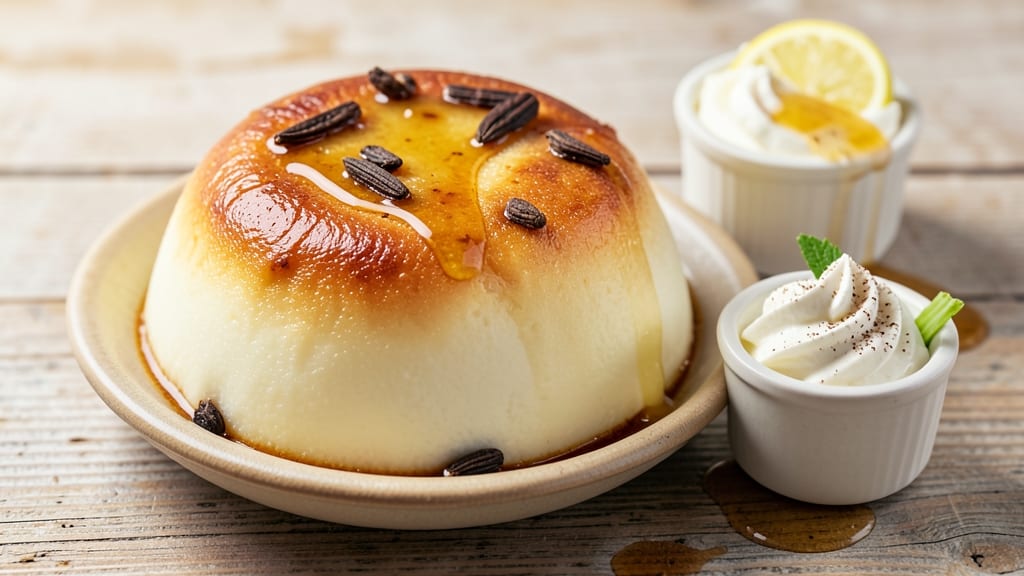
This ricotta cheese kalakand recipe transforms a simple pantry staple into a luxurious Indian sweet that rivals traditional khoya-based versions. The secret lies in ricotta's creamy texture, which creates that signature fudge-like consistency while cutting prep time dramatically.
I first discovered this adaptation while adapting recipes for my daughter Lily, who adores sweets but has dietary restrictions—this became her favorite compromise.
The process is methodical yet straightforward: simmering the ricotta with sugar and cardamom until it reaches the perfect fudge-like thickness, then shaping it into those classic diamond cuts. What makes this recipe special is how the ricotta absorbs the warm spices without overpowering the delicate sweetness.
The result is a treat that's rich yet not overly heavy, with just the right balance of cardamom aroma and caramelized sugar notes.
By the time you're done, you'll have a batch of kalakand that's perfectly set—firm enough to hold its shape but still tender enough to melt in your mouth. The texture should be dense yet slightly crumbly, with a subtle sheen from the cardamom-infused sugar.
This is dessert that feels indulgent yet remains approachable for everyday enjoyment, whether served at room temperature or lightly warmed with a cup of chai.
One of the best aspects of this recipe is its versatility—use it as a gift, pack it in lunchboxes, or simply enjoy a piece with your afternoon tea.
The ricotta substitution makes it easier to achieve consistent results, though I'll share my exact temperature cues in the instructions to ensure perfect texture every time. Let's create something truly special together.
Ingredients for ricotta cheese kalakand
Fourteen ingredients crafting a decadent, cardamom-kissed fudge that's surprisingly simple yet luxurious.
| Ingredient | Amount | Notes |
|---|---|---|
| Whole Milk Ricotta Cheese 🧀 | 16 oz | Full-fat for ideal texture |
| Granulated White Sugar 🍚 | 1 ½ cups | Superfine for faster dissolving |
| Ground Cardamom Pods 🌿 | 2 tsp | Freshly ground preferred |
| Unsalted Butter 🧈 | ½ cup | Cold, cubed for even melting |
| Heavy Whipping Cream 🥛 | ¼ cup | Full-fat for richness |
| Fresh Lemon Juice 🍋 | 1 tbsp | From organic lemons |
| Diamond Crystal Kosher Salt 🧂 | ¼ tsp | Fine grain for delicate seasoning |
| Pure Vanilla Extract 🌸 | ½ tsp | High-quality Madagascar vanilla |
| Ghee 🫒 | 1 tbsp | For glossy finish |
| Powdered Sugar 🍚 | ¼ cup | For dusting final cuts |
| Ghee-Infused Cardamom 🌿 | 1 tsp | Optional garnish |
The ricotta is the star—whole milk, full-fat is non-negotiable for that signature fudge-like texture. Trader Joe's and Whole Foods carry the best quality in 16-ounce tubs, but any reputable brand works. Cardamom makes or breaks this; spice markets often carry the best ground pods—look for vibrant green color, not dusty gray. The sugar should be superfine (or pulse regular sugar in a food processor) to dissolve faster and create that silky finish. I always double-check the butter's freshness by smelling it—it should have a clean, rich aroma, not rancid. Organic Valley or Kerrygold are my go-tos for the best flavor.
No cardamom? A pinch of cinnamon plus nutmeg mimics the warmth, though it won't be authentic. Substituting heavy cream with half-and-half lightens the texture but loses richness. The lemon juice is crucial—it balances the sweetness and adds brightness. Freshly squeezed is ideal, but bottled works in a pinch (just add a pinch more salt). For the ghee, store-bought is fine, but homemade (clarified butter) elevates the flavor dramatically. The powdered sugar should be sifted before dusting to avoid clumps. If you're feeling fancy, infuse the ghee with cardamom by simmering 1 tbsp ghee with 1 tsp ground cardamom for 2 minutes—strain and use for garnish.
This kalakand keeps beautifully—room temperature in an airtight container for up to 2 weeks, or fridge for 1 month. It reheats wonderfully: microwave 10-15 seconds for a soft, fudgy texture. For gifting, shape into diamond cuts and dust with powdered sugar. The texture should be dense yet slightly crumbly—like a cross between fudge and halva. Portion into small boxes for lunchboxes or pack as-is for chai pairings. Freezes for up to 3 months if wrapped tightly in plastic.
Why You'll Love This Recipe
- No-Fuss Mixing: I swear by this recipe because it’s just stir, simmer, shape—no fancy techniques. You’re basically turning ricotta, sugar, and cardamom into something magical with a pot and a wooden spoon, then rolling it in butter like a kid with playdough. Honestly, the hardest part is waiting for it to set.
- Cardamom-Kissed Creaminess: That first bite of warm kalakand with the cardamom’s floral punch cutting through the sweet ricotta? It’s like dessert got a spa day. The butter coating adds a rich, melt-in-your-mouth layer that makes it taste way more indulgent than it actually is.
- Party or Pantry: Make a big batch and keep it in the fridge for weeks—it’s perfect for gifting (wrapped in foil, it looks fancy), sneaking into breakfast bowls, or serving with chai. My in-laws still ask for it at every holiday, and I just pull it straight from the pantry.
- Budget Luxury: Ricotta and sugar stretch further than you’d think, and cardamom’s aroma makes a small batch feel like a splurge. I’ll be real: the cost per serving is a fraction of what you’d pay for store-bought Indian sweets, but it smells like a bakery exploded in my kitchen.
Step-by-step instructions for creating kalakand with ricotta cheese
This luxurious Indian fudge transforms simple ricotta into a velvety, cardamom-kissed masterpiece.
Melt Butter and Ghee for the Base
In a heavy-bottomed saucepan, combine the 0.5 cup unsalted butter and 1 tbsp ghee over medium-low heat. Let them melt together completely, stirring occasionally until the butter transforms into a golden liquid with just a hint of nutty aroma. This combination creates the perfect fat foundation that prevents graininess in the final texture.
Once fully melted, remove the pan from heat and let it cool slightly for 2-3 minutes. This brief cooling period is crucial—it prevents the ricotta from curdling when added to hot fat. Watch for the mixture to reach a temperature where steam no longer rises visibly, but it remains warm to the touch.
Incorporate Ricotta and Sugar Mixture
In a separate bowl, whisk together the 16 oz whole milk ricotta cheese, 1.5 cups granulated white sugar, 2 tsp ground cardamom pods, 0.25 tsp diamond crystal kosher salt, and 0.5 tsp pure vanilla extract until completely smooth. The sugar should dissolve completely, creating a thick, creamy batter with a subtle floral aroma from the cardamom.
With the butter-ghee mixture still warm, gradually pour in the ricotta mixture while whisking continuously. Return the pan to low heat and cook, stirring constantly with a silicone spatula, for 8-10 minutes. You're looking for the mixture to thicken noticeably—it should coat the back of a spoon and leave a distinct trail when you run your finger through it. This indicates proper sugar dissolution and initial thickening.
Add Cream and Lemon for Texture Refinement
Remove the pan from heat and stir in the 0.25 cup heavy whipping cream and 1 tbsp fresh lemon juice. The cream will lighten the mixture slightly while adding luxurious richness, while the lemon juice brightens the flavors and prevents any potential bitterness from overcooking. The texture should become silky and smooth, with a slight sheen developing on the surface.
Return the pan to low heat for just 1-2 minutes, stirring constantly to prevent scorching. You want the mixture to reach 160°F—this is the critical temperature where the kalakand achieves its signature fudgy yet firm texture. Test doneness by placing a small amount on a chilled plate; when it sets within 30 seconds but remains slightly soft to the touch, it's ready.
Shape and Set the Kalakand
Transfer the mixture to a 9-inch square baking dish lined with parchment paper, smoothing the top with a wet spatula. Dust generously with 0.25 cup powdered sugar for that classic Indian sweet finish. For extra flair, sprinkle the 1 tsp ghee-infused cardamom over the top.
Let the kalakand cool at room temperature for 1 hour, then refrigerate for 4-6 hours until completely firm. The longer it chills, the more intense the flavors become. When ready to serve, cut into 1-inch squares—each piece should hold its shape but yield slightly when pressed, with a glossy sheen from the ghee.
Pro Tips For Making Ricotta Cheese Kalakand
- Strain the Ricotta: DESCRIPTION: Store-bought ricotta often hides excess liquid—skip the straining, and your kalakand will turn out grainy. If you’re using homemade or extra-wet ricotta, line a colander with cheesecloth, let it drain for 15 minutes, and press gently with a spoon. That’s how you get that silky texture.
- Toast the Cardamom: DESCRIPTION: I used to just grind the pods and toss them in—big mistake. Lightly toast whole cardamom pods in a dry pan for 30 seconds until fragrant, then grind. The heat deepens the flavor and cuts through the sweetness better than raw powder ever could.
- Whip the Cream Cold: DESCRIPTION: Heavy whipping cream straight from the fridge whips faster and holds its shape. Let it sit out for 10 minutes before whipping, but don’t overbeat—just until soft peaks form. Overworking it turns your kalakand into butter.
- Sweat the Butter: DESCRIPTION: Warm the butter with the sugar over low heat until it melts and the mixture smells like caramel. This step isn’t just for flavor—it ensures the sugar dissolves smoothly and coats the ricotta evenly. Skip it, and you’ll end up with gritty pockets of sugar.
Make-ahead tips for this recipe
Prep Ahead Strategy
Start by making the ricotta-sugar mixture the night before—whisk together the 16 oz ricotta, 1.5 cups sugar, 2 tsp cardamom, and 0.25 tsp salt in an airtight container. This gives the flavors time to meld beautifully, and the sugar dissolves more evenly.
I keep mine in the fridge overnight, then bring it to room temperature before cooking. This step cuts active cooking time by 15 minutes! 💡
Freezer-Friendly Packaging
For long-term storage, portion the cooled kalakand into 1-inch cubes and wrap each piece tightly in plastic wrap. Place them in a freezer bag, squeezing out excess air to prevent freezer burn. Label with the date—this treat stays perfect for 3 months.
When ready to enjoy, thaw at room temperature for 1 hour or microwave for 10 seconds for a soft, fudgy texture. The texture remains intact, though it may lose a tiny bit of its glossy sheen.
Gift-Worthy Presentation
Shape the kalakand into diamond cuts using a sharp knife dipped in hot water between slices. Arrange them on a parchment-lined tray and dust with powdered sugar for an elegant finish. Pack in small wooden boxes or clear cellophane bags tied with twine for gifting.
I add a sprig of fresh mint or a cardamom pod for a fragrant touch. These make stunning gifts for Diwali or housewarming celebrations! ✨
Make-Ahead Mistakes to Avoid
Never refrigerate the kalakand too long before cutting—wait until it's completely firm at room temperature (about 1 hour after shaping). If you cut it too soon, the pieces will crumble. Also, avoid storing in glass containers with tight lids—the condensation causes sogginess.
I use glass Pyrex with loose lids or plastic containers with ventilation holes punched in the lid. Trust me, this saves you from sticky messes later!
Lunchbox Magic
Portion the kalakand into small reusable silicone molds (like those for ice cubes) before it fully sets. Once firm, pop them out and pack in lunchboxes for a sweet treat.
The individual portions keep perfectly for 5 days in the fridge. My daughter Lily loves these in her lunch—it's her favorite way to enjoy kalakand without sharing! 🧸
Reheating for Warm Serving
For a warm serving, microwave individual pieces for 8-10 seconds on medium power. The heat brings out the cardamom aroma beautifully. Alternatively, place pieces on a baking sheet and warm in a 250°F oven for 3-4 minutes.
This method keeps the texture intact while adding a subtle caramelized note. Serve warm with a cup of chai for a cozy treat! 🍵
Nutrition facts
Frequently asked questions
Can I substitute regular cottage cheese for ricotta in this recipe?
While cottage cheese has a similar dairy base, it contains more moisture and larger curds that won't dissolve smoothly. For best results, stick with whole milk ricotta—its creamy texture creates that signature fudge-like consistency. If you must substitute, use 16 oz farmer's cheese (like paneer) or blend cottage cheese until completely smooth first. The flavor will be slightly different but still delicious!
Why does my kalakand turn out grainy instead of smooth?
Graininess usually happens when sugar doesn't dissolve completely or the mixture cooks too long. Make sure to whisk the ricotta-sugar mixture until fully combined before cooking, and never let it exceed 160°F. Also, avoid using super-hot pans—keep heat on low and stir constantly. If it starts to thicken too quickly, remove from heat immediately to prevent scorching.
How do I know when the kalakand is fully set before cutting?
Press a piece gently with your finger—it should hold its shape but still feel slightly soft (like firm fudge). The edges should be clean when cut, not crumbly. If it's too soft after refrigerating, return it to the fridge for 1-2 more hours. For extra firmness, chill overnight. The texture should be dense yet slightly crumbly, with a glossy sheen from the ghee.
Can I make this recipe without cardamom?
Yes! If you don't have cardamom, use a blend of 1 tsp cinnamon and ¼ tsp nutmeg for warmth. For a different flavor profile, try ½ tsp rose water or ¼ tsp orange zest. Just remember that cardamom gives kalakand its signature aromatic depth—without it, the flavor will be more neutral but still delicious. The texture remains the same!
Is this kalakand suitable for vegans?
No, this recipe contains dairy (ricotta, butter, cream) and isn't vegan-friendly. For a plant-based version, try using coconut cream and cashew cream as substitutes, along with agave instead of sugar. The texture will be lighter but still rich. Traditional kalakand is always made with dairy, so this ricotta version is a modern adaptation rather than a vegan alternative.