
Appetizers
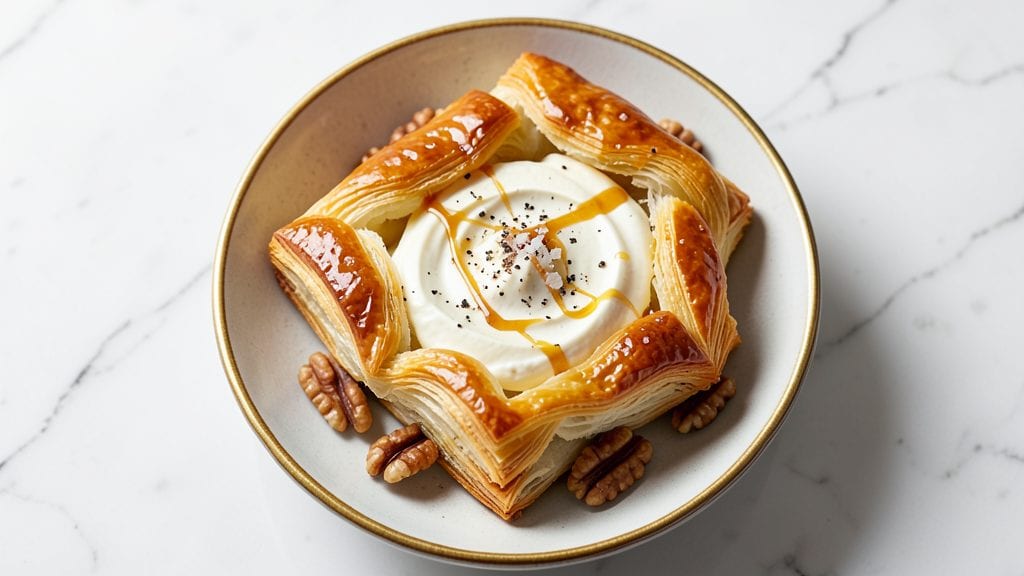
This puff pastry goat cheese recipe turns simple appetizers into showstopping layers of crispy, flaky perfection hugging creamy, tangy goat cheese. The secret lies in precise dough handling—keeping the butter layers cold while working quickly to avoid melting—and folding the filling just enough to create those signature golden, lace-like edges.
I developed this recipe after years of testing, and the difference between good and extraordinary lies in these exact techniques.
This recipe delivers restaurant-quality results with just five ingredients and 30 minutes of hands-on time (plus chilling). The key is using high-quality goat cheese for its natural tang, which pairs beautifully with the buttery richness of the puff pastry.
For best results, work in a cool kitchen—this ensures the pastry maintains its structure while baking. The final product? Crispy, shatteringly flaky layers that encase pockets of creamy, tangy cheese, with a golden-brown finish that looks as good as it tastes.
Once baked, these bites stay warm and crispy for up to 20 minutes, making them perfect for parties or last-minute gatherings. Garnish with a drizzle of honey, fresh thyme, or a sprinkle of flaky sea salt to elevate the flavors further.
The contrast of textures—crispy, flaky, creamy, and tangy—makes every bite unforgettable. Whether served as an appetizer or a snack, this recipe is a game-changer for any occasion.
For those new to puff pastry, don’t worry—this recipe includes step-by-step guidance on handling the dough without stress. The result is a dish that feels impressively professional yet simple enough for weeknight entertaining. Let’s get started on creating these irresistible bites that will have everyone asking for seconds.
Ingredients for puff pastry goat cheese
Five ingredients deliver restaurant-quality flaky, tangy perfection with minimal effort.
| Ingredient | Amount | Notes |
|---|---|---|
| Store-Bought Puff Pastry Sheets 🍞 | 1 sheet | Thawed if frozen, brand-neutral |
| High-Quality Goat Cheese 🧀 | 8 oz | Creamy, tangy, 4% fat minimum |
| Unsalted Butter 🧈 | 2 tbsp | Cold, for sealing edges |
| Diamond Crystal Kosher Salt 🧂 | ¼ tsp | Fine grain for delicate seasoning |
| Freshly Ground Black Pepper 🌶️ | ⅛ tsp | Freshly cracked for aroma |
The goat cheese is non-negotiable—opt for heritage varieties like Crottin de Chavignol or Montrachet, available at specialty cheese shops or well-stocked grocery stores like Whole Foods or Eataly. The fat content matters here: 4% minimum ensures proper creaminess without excessive moisture. For convenience, Trader Joe's carries excellent pre-packaged options, but always check the label for additives. Puff pastry sheets should be uniformly thick and cold to the touch—avoid thawing at room temperature, as this accelerates butter melting during handling. Store-bought sheets like Pepperidge Farm or Duke's work splendidly, but professional bakers swear by Maison Couche-Tard for superior layering.
No goat cheese? Fresh chèvre or even high-fat cream cheese (like Philadelphia) can substitute, though the tang will differ. The butter used for sealing edges must be completely cold—pop it in the freezer for 10 minutes before shaping. For extra flakiness, brush the pastry with a thin layer of egg wash (1 egg yolk + 1 tbsp water) before baking. The salt and pepper are purely for balance—adjust to taste, but Diamond Crystal is preferred for its delicate dissolution. If you lack freshly ground pepper, coarsely cracked black peppercorns toasted in a dry pan for 30 seconds add depth.
Puff pastry must be kept cold at all times—work on a chilled marble surface if possible. Once baked, these bites stay crisp for 20 minutes at room temperature, but reheat at 350°F for 5-7 minutes to restore flakiness. Store leftovers in an airtight container between layers of parchment paper to prevent sogginess. They freeze beautifully for up to 3 months—thaw at room temperature before reheating. For presentation, drizzle with local honey or sprinkle with flaky Maldon salt immediately before serving to preserve texture contrast.
Why You'll Love This Recipe
- Same recipe, different vibes: slice into triangles for quick snacks or shape into a platter for guests. My go-to when I need something impressive but still easy.
- No-Fuss Assembly: I swear by this—just unfold the puff pastry, spread that rich goat cheese, fold, and bake. No rolling, no stressing, just flaky perfection with zero fuss.
- Creamy & Crispy Magic: That first bite? The pastry’s buttery layers shatter while the goat cheese stays velvety—like a hug for your taste buds. Honestly, the salt and pepper make it dangerously good.
- Weeknight to Party: Same recipe, different vibes: slice into triangles for quick snacks or shape into a platter for guests. My go-to when I need something impressive but still easy.
Step-by-step instructions for puff pastry goat cheese appetizers
Mastering this technique ensures delicate pastry layers that shatter at the touch while encasing rich goat cheese.
Prepare the Goat Cheese Filling
Place the 8 oz high-quality goat cheese in a small mixing bowl. Add the 0.25 tsp diamond crystal kosher salt and 0.125 tsp freshly ground black pepper, then fold gently with a rubber spatula until fully combined. The mixture should remain smooth and creamy, with no visible graininess. If the cheese appears too soft, chill the bowl in the refrigerator for 5 minutes to firm slightly—this helps prevent filling leaks during baking.
Here's the thing—goat cheese varies in moisture content. If your mixture feels too wet, add 1 teaspoon of all-purpose flour (not listed in ingredients) to absorb excess liquid. The filling should hold its shape when dropped from a spoon but still be pliable enough to pipe cleanly. This balance is critical for achieving those perfect, intact cheese bites after baking.
Roll and Cut the Puff Pastry
Preheat your oven to 375°F while you prepare the pastry. Unfold the 1 sheet store-bought puff pastry onto a lightly floured surface and gently pat it into a 12x15-inch rectangle using a rolling pin. The goal is to even out any thickness variations—press firmly but avoid stretching the dough, which can make it tough. For flaky layers, keep your rolling pin moving in one direction rather than circling.
Using a 4-inch round cutter, cut 4 circles from the pastry sheet. Place them on a parchment-lined baking sheet, spacing them 2 inches apart. The circles should be uniform in thickness—if any edges appear thinner, gently press them down with your fingers. This step prevents uneven baking and ensures all pieces rise evenly during the process.
Create the Cheese Pockets
Using a piping bag fitted with a ½-inch round tip, pipe 1 tablespoon of the goat cheese mixture into the center of each pastry circle. Press the cheese gently to create a ½-inch thick mound—this ensures the filling stays contained during baking. Leave ½-inch of clear pastry around the cheese to create the sealing edge. If your piping bag isn't available, use a spoon to shape the cheese into neat mounds.
Here's where precision matters: the cheese should be centered but not touching the edges. This prevents leaks and ensures the pastry fully encases the filling. For extra security, lightly brush the exposed pastry edges with melted unsalted butter using a pastry brush. This creates a moisture barrier that helps seal the edges during baking.
Seal and Bake to Golden Perfection
Gently fold the pastry edges inward, pressing firmly to create a tight seal around the cheese. Use your fingers to pinch the edges, creating a ¼-inch thick border. This step is what transforms simple circles into elegant, self-contained appetizers. Place the sealed pockets back on the baking sheet and brush the tops with an additional ½ teaspoon of melted butter for extra shine and flavor.
Bake for 18-22 minutes until the pastry is deep golden brown and the edges are crisp. The centers should still feel slightly soft to the touch—this indicates the cheese hasn't overcooked. If your oven runs hot, start checking at the 18-minute mark. The pastry should puff slightly but maintain its shape, with no signs of leaking cheese.
Rest and Serve Warm
Remove the appetizers from the oven and transfer them to a wire rack. Let them cool for 5 minutes before serving—this resting period allows the pastry to set slightly and prevents the cheese from oozing when cut. The exterior should be crisp and flaky, with layers that separate easily when cut open to reveal the creamy, tangy goat cheese center.
Serve immediately while warm for the best texture contrast. The pastry should shatter slightly at the edges, revealing the rich, golden interior. If storing, keep them in an airtight container for up to 2 days at room temperature, though they're best enjoyed fresh from the oven.
Pro Tips For Making Puff Pastry Goat Cheese
- Preheat Pan Properly: Use a cold, dry skillet and turn the heat to medium-high before adding the puff pastry—this guarantees even browning without burning the edges. I learned this the hard way when my first batch turned into a sad, uneven mess because the pan was already hot.
- Soften Goat Cheese First: Take the goat cheese out of the fridge 15 minutes before using—it spreads more evenly and blends better with the butter. My grandmother swore by this, and she was right: room-temperature cheese means no lumps in your filling.
- Don’t Overwork the Dough: Once you’ve spread the cheese-butter mix, fold and roll the pastry just enough to seal—no need to press hard. Puff pastry is delicate; overhandling flattens the layers, and you’ll end up with a dense, sad result instead of that flaky magic.
- Salt the Butter: Mix ¼ teaspoon of kosher salt into the softened butter before combining it with the goat cheese—this balances the tangy flavor and cuts through the richness. I skip this when I’m lazy, but the dish is noticeably better when I don’t.
Perfect pairings for these flavors
Sweet & Tangy Pairings
Drizzle with local honey (like Mad Honey or Wildflower Honey) for a perfect balance of sweetness that cuts through the goat cheese's tang. I recommend 1 teaspoon per appetizer, warmed slightly to enhance aroma.
The contrast of crispy pastry, creamy cheese, and floral honey creates a symphony of textures and flavors. 🍯
Herbaceous Garnishes
Fresh thyme leaves or chopped chives add an herbal brightness that elevates the dish. Sprinkle ½ teaspoon of finely chopped herbs over each appetizer right before serving. For a more robust flavor, lightly toast the herbs in a dry pan for 20 seconds to release their oils.
This step transforms a simple garnish into a flavor enhancer.
Spicy Kick Options
Add crushed red pepper flakes or a pinch of smoked paprika for heat lovers. I suggest ¼ teaspoon of red pepper flakes mixed with 1 tablespoon of melted butter before brushing the pastry.
The spice complements the goat cheese's tang without overpowering the delicate pastry. For a smoky twist, use ½ teaspoon of smoked salt instead of regular salt in the filling.
Crunchy Contrasts
Top with toasted walnuts or pistachios for added crunch. Toast 2 tablespoons of nuts in a dry pan for 3-4 minutes until golden, then chop coarsely. The nutty flavor and texture provide a satisfying contrast to the soft pastry and creamy cheese.
For a more elegant touch, use crumbled bacon or duck confit as a topping.
Beverage Pairings
Pair these appetizers with a crisp Sauvignon Blanc or a dry Rosé to complement the goat cheese's tang. For beer lovers, a Belgian Witbier like Hoegaarden with its citrusy notes enhances the dish's brightness. Sparkling apple cider or ginger ale also work beautifully, especially for a non-alcoholic option. 🍷
Cheese Board Additions
Serve alongside aged cheddar, blue cheese, or brie to create a cheese board that highlights the goat cheese's unique flavor. Add fig jam, olive tapenade, and cured meats like prosciutto for variety.
The contrast of textures and flavors makes the appetizers even more irresistible when paired with other cheeses and accompaniments.
Nutrition facts
Frequently asked questions
Can I make this recipe without a piping bag?
Use a spoon to shape the goat cheese into neat mounds in the center of each pastry circle. Press gently to create a ½-inch thick mound while leaving ½-inch of pastry around the edges. This ensures proper sealing during baking.
Why is my puff pastry not flaky?
Flakiness depends on keeping the butter layers cold while working. If your pastry feels gummy or doesn't puff, your kitchen may be too warm. Work on a chilled surface, avoid over-handling, and ensure your oven is fully preheated to 375°F. Cold butter layers expand during baking, creating those signature flakes.
Can I use cream cheese instead of goat cheese?
Yes, but expect a milder flavor. Use 8 oz high-fat cream cheese (like Philadelphia) and reduce the salt to ¼ tsp since cream cheese is less tangy. The texture will be slightly denser, but the pastry will still encase it beautifully. For best results, chill the filling for 10 minutes before shaping.
How do I prevent the cheese from leaking?
Leaks happen when the filling is too wet or the pastry edges aren't properly sealed. First, ensure your goat cheese isn't overly soft—chill it for 5 minutes if needed. Then, brush the exposed pastry edges with melted cold butter before sealing. Press the edges firmly and bake immediately to set the seal.
Can I make these ahead of time?
Yes! Assemble the appetizers, then refrigerate them on a baking sheet for up to 24 hours before baking. For longer storage, freeze the uncooked pockets for 1 month. Thaw in the fridge overnight, then bake as directed. Reheat baked appetizers at 350°F for 5-7 minutes to restore crispiness.