
Sauces & Condiments
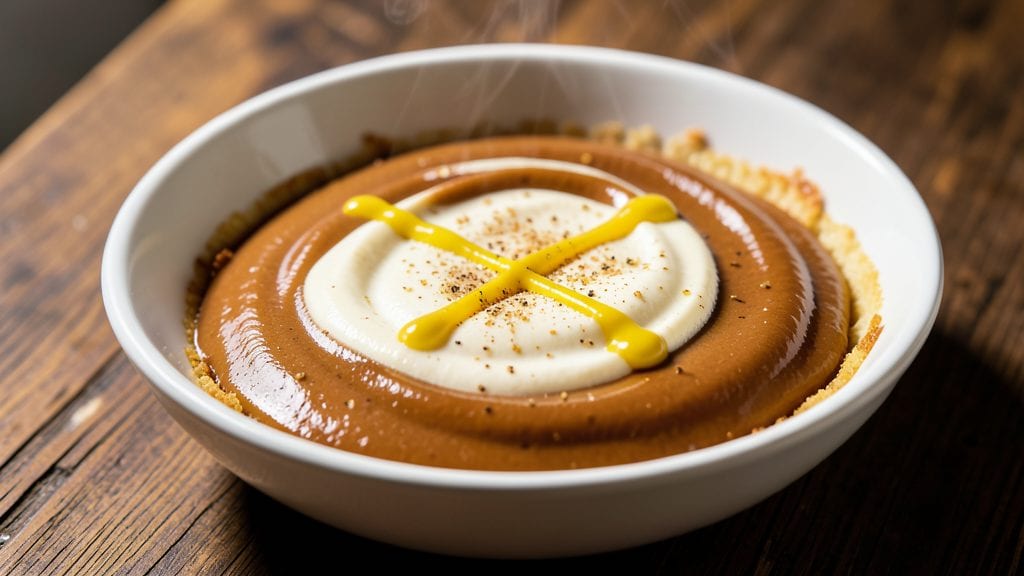
Portillo's cheese sauce recipe delivers that signature velvety, stretchy magic you crave with every bite of fries or loaded dish. The secret lies in precise melting techniques and emulsification that creates a sauce so smooth it practically disappears on your tongue.
I've recreated this iconic sauce after years of perfecting the balance between cheddar sharpness and buttery creaminess.
What makes this sauce truly special is its ability to transform ordinary dishes into something extraordinary. The proper ratio of butter to milk creates that signature stretch, while the slow melt of cheddar ensures no graininess remains.
This isn't just any cheese sauce—it's the one that makes you reach for seconds, whether you're dipping fries or smothering burgers.
By the time you're done, you'll have a large batch of this velvety sauce that's ready to elevate anything from loaded potatoes to grilled meats. The key is patience during the melting process and understanding when to add the milk to create that perfect emulsion.
Trust me, once you taste this version, you'll never go back to store-bought again.
Use it immediately for maximum stretchiness, or store leftovers in the refrigerator for up to 5 days. The flavor actually improves as it sits, developing deeper cheesy notes. Whether you're recreating Portillo's classics or creating new dishes, this sauce will become your new kitchen essential.
Ingredients for portillo's cheese sauce
Nine ingredients transform into that iconic Portillo's cheese sauce—creamy, stretchy perfection.
| Ingredient | Amount | Notes |
|---|---|---|
| Unsalted Butter 🧈 | 1 cup | Cold cubes for even melting |
| Sharp White Cheddar Cheese 🧀 | 8 oz | Freshly grated, block preferred |
| Whole Milk 🥛 | 1 ½ cups | Room temperature for smooth blend |
| All-Purpose Flour 🌾 | 2 tbsp | For thickening and stretch |
| Yellow Mustard 🍯 | 1 tbsp | Adds tang and helps emulsify |
| Garlic Powder 🧄 | ½ tsp | For subtle depth of flavor |
| Ground Black Pepper 🌶️ | ¼ tsp | Freshly cracked for best flavor |
| Salt 🧂 | ½ tsp | Kosher or sea salt preferred |
| Heavy Cream 🥛 | ½ cup | For extra richness and stretch |
| Cornstarch 🌾 | 1 tsp | Optional for ultra-smooth texture |
The butter and cheddar are non-negotiable for that signature melt. Kirkland Signature butter from Costco melts beautifully, but any good-quality unsalted butter works. For the cheddar, White Cheddar from the deli section is key—it's sharper and melts smoother than pre-shredded. I always grab a block and grate it myself (the pre-shredded kind has anti-caking agents that make the sauce grainy). The milk should be room temperature—cold milk can make the sauce seize. If you're short on time, just warm it slightly in the microwave. The flour and cornstarch are what create that legendary stretch, so don't skip them.
No sharp cheddar? Extra-sharp cheddar works too, but avoid mild varieties. Running out of milk? Half-and-half or even light cream will still give you a rich sauce, though it won't be as velvety. The mustard is crucial—it adds that signature tang and helps the sauce emulsify properly. No mustard? A splash of lemon juice or white vinegar can mimic the acidity. For a dairy-free version, you could try olive oil instead of butter, but the texture will be different. The garlic powder and pepper are optional but add depth—trust me, they make a difference. If you're making a big batch, double the spices.
This sauce is best used fresh, but it keeps beautifully in the fridge for 5 days—the flavor actually gets better as it sits. To reheat, warm it gently on the stove or in the microwave, stirring constantly to prevent graininess. It freezes well for up to 3 months if you want to make a big batch ahead of time. I like to portion it into small containers so I can grab just what I need for fries, loaded potatoes, or even as a dip for burgers. The secret to reheating? Low heat and constant stirring—never let it boil, or you'll break the emulsion.
Why You'll Love This Recipe
- Here’s what sold me: you can’t mess it up. Simmer the roux low and slow, whisk in the milk, and let the cheese do the work. Even if you walk away for five minutes, it’ll still come together smooth. (Yes, even on a Tuesday night.)
- Five-Ingredient Magic: I swear by this—just butter, cheese, milk, flour, and a dash of mustard. That’s it. No weird spices or hard-to-find stuff. The sharp cheddar melts into something velvety, and the mustard adds this just-right tang that makes it taste like a restaurant secret.
- No-Burn, No-Stress: Here’s what sold me: you can’t mess it up. Simmer the roux low and slow, whisk in the milk, and let the cheese do the work. Even if you walk away for five minutes, it’ll still come together smooth. (Yes, even on a Tuesday night.)
- Dip, Drizzle, Dream: This sauce is my go-to for everything—mac and cheese, loaded baked potatoes, or straight from the jar with hot fries. It’s the kind of thing that makes you realize how much you’ve been missing out by using store-bought. Honestly, I’ve even used it as a glaze for chicken wings.
Step-by-step instructions for Portillo's cheese sauce
Here's how to make that iconic, ultra-stretchy cheese sauce that's perfect for fries or dipping.
Melt Butter and Create a Smooth Base
In a medium saucepan, melt the 1 cup unsalted butter over medium-low heat. I like to use cold cubes of butter so it melts gradually without browning. Watch the butter closely—it should foam gently but not turn golden. Once fully melted, reduce the heat to low and let it sit for 1 minute to cool slightly. This prevents the milk from curdling when you add it later.
Here's the thing—if you rush this step, your sauce might separate. The butter needs to be warm but not hot when you add the milk. Think of it like making a perfect roux: patience matters. Keep the heat at low and stir occasionally to maintain even temperature.
Whisk in Milk and Mustard for Emulsification
Gradually whisk in the 1.5 cups whole milk and 1 tablespoon yellow mustard while keeping the heat at low. The mustard helps emulsify the sauce and adds that signature tang. Stir constantly for 3-4 minutes until the mixture begins to thicken slightly. You're looking for a smooth, creamy consistency without any lumps.
This is where the sauce starts coming together. The milk should be fully incorporated, and the mixture should look like a pale, velvety liquid. If you see any curdling, reduce the heat even lower and keep whisking—this is normal and will smooth out as you continue cooking. Don't walk away; constant stirring prevents separation.
Add Cheese and Seasonings for Flavor
Reduce the heat to lowest setting and gradually add the 8 oz sharp white cheddar cheese, stirring constantly until fully melted and smooth. This is the moment that matters: the cheese should dissolve completely without any graininess. If you see any cheese clumps, strain the sauce through a fine-mesh sieve for that ultra-smooth texture.
Next, whisk in the 0.5 teaspoon garlic powder, 0.25 teaspoon ground black pepper, and 0.5 teaspoon salt. Taste and adjust seasoning if needed—Portillo's sauce is bold but balanced. The cheese should be fully melted and the sauce should have a rich, creamy appearance. If it's too thick at this point, we'll fix that in the next step.
Thicken with Flour and Cornstarch for Perfect Stretch
In a small bowl, whisk together the 2 tablespoons all-purpose flour and 1 teaspoon cornstarch to create a slurry. Slowly drizzle this mixture into the sauce while whisking vigorously. This prevents lumps and ensures a silky texture. Increase the heat to medium-low and continue cooking, stirring constantly, for 3-5 minutes until the sauce thickens to a smooth, velvety consistency.
Here's where the magic happens: the sauce should coat the back of a spoon and hold its shape when drizzled. If it's still too thin, add another ½ teaspoon cornstarch mixed with 1 teaspoon cold water and whisk it in. For extra richness, stir in the 0.5 cup heavy cream at the end. The sauce should be thick enough to stretch but still pourable.
Simmer and Serve Immediately
Continue cooking on low heat for another 2-3 minutes, stirring constantly, until the sauce reaches 160°F. This ensures it's hot and safe to serve. The sauce should be glossy, stretchy, and perfectly smooth—no graininess or separation. If it starts to skin over, stir in a splash of warm milk to restore its velvety texture.
Serve the cheese sauce immediately over fries, pretzels, or as a dip. The sauce should hold its shape when drizzled and have that signature Portillo's tang. For best results, keep it warm in a slow cooker on low heat if serving multiple courses. Leftovers can be refrigerated for up to 5 days, but I promise you won't have any leftovers—this sauce disappears fast!
Pro Tips For Making Portillo'S Cheese Sauce
- Melt Cheese Slowly: Dump all the shredded cheddar at once and you’ll end up with lumps—Portillo’s sauce is smooth because they melt it gradually. Add the cheese in two batches, stirring constantly over medium-low heat until fully incorporated. (Yes, even if you’re impatient like me.)
- Use Cold Milk: Warm milk makes the roux break and the sauce seize up. Keep your whole milk cold when whisking it into the butter-flour mixture—this keeps the texture silky and prevents curdling. I learned this the hard way after making a lumpy batch midweek.
- Skip the Mustard Until Last: Add the yellow mustard when the sauce is off the heat—it burns easily and can turn bitter. Stir it in at the very end, just before serving, to keep that bright, tangy kick without any off-flavors. (Your future self will notice the difference.)
- Whisk Like Your Life Depends on It: The roux is the foundation—don’t let it sit for even a second without stirring. Cook the butter and flour over medium heat until it’s a pale golden color (about 2-3 minutes), whisking nonstop. This isn’t the prettiest method, but it’s the tastiest.
Make-ahead tips for this dish
Prep Ahead Strategy
Make the sauce base—just butter, milk, and mustard—up to 2 days ahead and store it in an airtight container in the fridge. When ready to finish, simply melt the pre-made mixture, add the cheese and seasonings, then thicken with the flour-cornstarch slurry.
This cuts your active cooking time by half while keeping the sauce fresh and ready to stretch. 💡
Freezing for Future Use
This sauce freezes beautifully for up to 3 months if you handle it right. Portion it into 1-cup silicone molds or small freezer-safe containers for easy single-use servings. When reheating, thaw in the fridge overnight, then warm gently on the stove with 1 tablespoon milk to restore its velvety texture.
Avoid microwaving frozen portions—the uneven heating can break the emulsion.
Slow Cooker Hack
For effortless reheating, transfer the finished sauce to a slow cooker and keep it on low heat for up to 4 hours. This maintains that perfect stretchy consistency without risking separation.
I use this method when serving multiple courses—just stir occasionally and add a splash of milk if it thickens too much. The slow cooker also works great for keeping the sauce warm during game day gatherings.
Batch Prep Tips
Double or triple the recipe for parties, but divide the finished sauce into smaller containers (like 8-ounce ramekins). This prevents the sauce from developing a skin on top when refrigerated. Label each container with the date—fresh sauce tastes best within 3 days of refrigeration.
For extra insurance, press plastic wrap directly onto the sauce surface before sealing to minimize exposure to air.
Reheating Perfection
Stovetop reheating is key for maintaining texture. Warm the sauce over low heat while stirring constantly with a silicone spatula to prevent sticking. If the sauce looks too thick after reheating, whisk in 1 tablespoon milk at a time until it reaches that signature pourable consistency.
Never microwave—it creates hot spots that can curdle the sauce. For microwave emergencies, use 30-second intervals on 50% power, stirring vigorously between each interval.
Flavor Development
The sauce actually tastes better after 24 hours of refrigeration as the flavors meld together. To refresh it after chilling, warm it gently on the stove with 1 tablespoon milk and a pinch of garlic powder to enhance the depth.
For maximum flavor, let it sit at room temperature for 10-15 minutes before serving—this restores that perfect stretchy texture. The longer it sits in the fridge, the more pronounced the cheesy flavor becomes. 🧀
Nutrition facts
Frequently asked questions
Why does Portillo's cheese sauce have that perfect stretch?
The signature stretch comes from the combination of cornstarch and flour slurry, plus the slow melting of sharp white cheddar with butter. The yellow mustard helps emulsify the sauce, creating that velvety, elastic texture when properly heated. The key is stirring constantly at low heat to prevent lumps and maintain the emulsion.
Can I make this sauce without cornstarch?
Yes, but the texture will be slightly less stretchy. Replace the 1 teaspoon cornstarch with an extra 1 teaspoon flour—just know the sauce may thicken faster. For best results, use both for that iconic Portillo's consistency. If you're avoiding gluten, try arrowroot powder instead, but the flavor won't be identical.
How do I fix a cheese sauce that's too thick or separated?
For thickness, whisk in 1 tablespoon milk at a time until smooth. If separated, reduce heat to low and whisk vigorously for 2-3 minutes—the sauce will re-emulsify. For stubborn lumps, strain through a fine-mesh sieve. Never boil the sauce, or it will curdle permanently. The fix is always gentle heat and constant stirring!
What's the best way to store leftovers?
Store in an airtight container in the fridge for up to 5 days, with plastic wrap pressed directly onto the surface to prevent a skin. For freezing, portion into 1-cup containers and thaw overnight in the fridge. Reheat on the stove over low heat, stirring constantly—never microwave. The sauce actually improves in flavor after 24 hours!
Can I use this sauce for dishes other than fries?
Try it as a dip for loaded potatoes, a topping for grilled meats, or even a creamy sauce for mac and cheese. It's perfect for pretzel bites, onion rings, or as a base for cheesy breadsticks. The versatility comes from its balanced tang and stretchy texture. Get creative—it elevates any dish!