
Sauces & Condiments
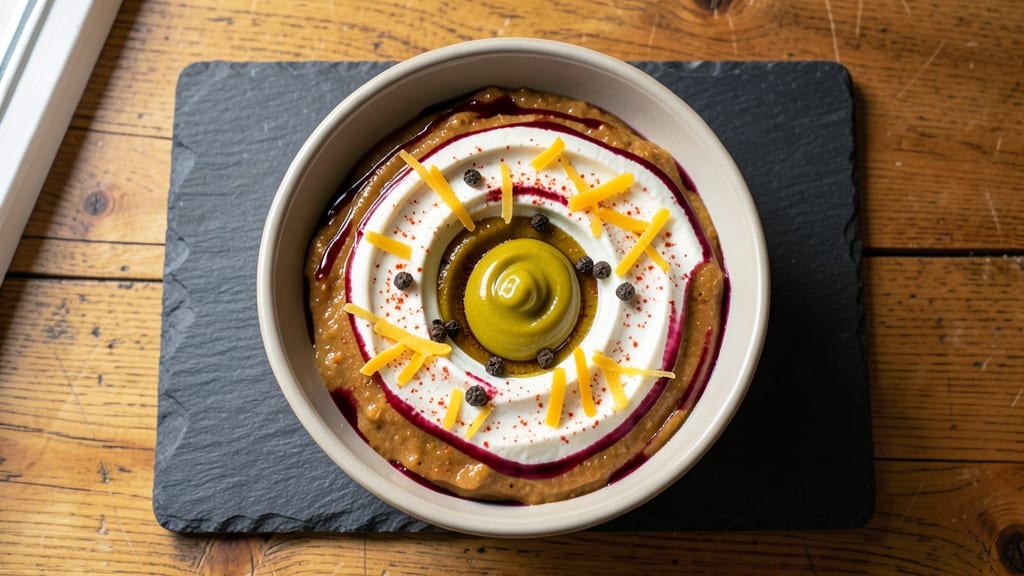
This port wine cheese spread recipe transforms simple ingredients into a luxuriously rich, tangy-sweet blend perfect for crackers, charcuterie boards, or sandwiches. The deep umami notes from aged cheddar and the subtle bitterness of port wine create a sophisticated pairing that elevates any appetizer.
I developed this recipe after years of experimenting with wine-infused spreads, and the balance of creaminess with just enough acidity is what makes it stand out.
The secret lies in the technique: blending softened cream cheese with sharp cheddar until smooth, then slowly incorporating the port wine to deepen the flavor without overpowering it. A touch of Dijon mustard adds complexity, while a pinch of cayenne brings a gentle heat that lingers on the palate.
This isn’t just a cheese spread—it’s a restaurant-quality condiment that costs pennies to make.
What you’ll end up with is a velvety, spreadable cheese mixture with a glossy sheen and a taste that’s both familiar and unexpectedly refined.
The port wine infuses the cheese with layers of depth, creating a harmony of sweet, tangy, and savory notes that pair beautifully with crisp bread, salty nuts, or fresh fruit.
It’s the kind of spread that makes guests ask for the recipe—and the kind that disappears faster than you can say "second helping."
Best of all, this recipe keeps well in the refrigerator for up to two weeks, making it perfect for meal prep or gifting. Serve it chilled for the most elegant texture, or let it sit at room temperature for 10 minutes before serving to enhance its luxurious mouthfeel.
Here’s how to make it.
Ingredients for port wine cheese spread
Nine ingredients, restaurant-quality flavor. This tangy-sweet spread will disappear from your board in minutes.
| Ingredient | Amount | Notes |
|---|---|---|
| Cream Cheese 🧈 | 8 oz | Full-fat, room temperature |
| Sharp Cheddar Cheese 🧀 | 8 oz | Aged, freshly grated |
| Port Wine 🍷 | ¼ cup | Dry, ruby red variety |
| Dijon Mustard 🥬 | 1 tbsp | Mild or medium heat |
| Extra-Virgin Olive Oil 🫒 | 1 tbsp | For glossy finish |
| Cayenne Pepper 🔥 | ¼ tsp | Adjust for heat preference |
| Salt 🧂 | ½ tsp | Fine sea salt |
| Black Pepper 🌶️ | ¼ tsp | Freshly cracked |
| Freshly Ground Black Peppercorns 🌶️ | ½ tsp | For extra depth |
| Freshly Squeezed Lemon Juice 🍋 | 1 tsp | Brightens the spread |
The cheddar is non-negotiable—sharp, aged cheddar gives that deep umami punch. Whole Foods or local cheesemongers usually carry the good stuff, but any block labeled "aged" at the grocery store works. Room-temperature cream cheese is key—microwave it for 20 seconds if it's cold, then let it sit for 5 minutes. The port wine? Ruby red, dry—none of that sweet dessert stuff. Trader Joe's has a great affordable option, or grab a bottle from the wine aisle. Freshly grated cheddar makes all the difference—pre-shredded gets clumpy and melts weird. If you're in a pinch, use a microplane to grate your own from a block.
No port wine? Substitute 2 tbsp of red wine vinegar plus 1 tbsp brown sugar—it won't be identical, but it'll still taste amazing. Freshly ground black peppercorns are worth the extra minute—pre-ground loses its punch fast. Short on Dijon? Yellow mustard at half the amount works, but you'll lose that subtle complexity. The lemon juice is optional but adds a bright pop—skip it if you're serving with something citrusy like blood oranges. For extra richness, add 1 tsp of honey to the mix. And if you're feeling fancy, swap the olive oil for avocado oil—it's got a higher smoke point and a neutral flavor that lets the wine shine.
This spread keeps for 2 weeks in the fridge, sealed in an airtight container. The flavors actually improve over time—like a fine wine. For gifting, portion it into small jars with a sprig of rosemary tied to the lid. If it gets too thick, stir in 1 tsp of warm water or a splash of milk. Serve it chilled for that elegant, velvety texture, or let it sit at room temperature for 10 minutes before serving to bring out its luxurious mouthfeel. Trust me, it's worth the wait.
Why You'll Love This Recipe
- No Mixing Madness: I swear by this recipe because it’s literally a 5-minute job—just fold the softened cream cheese and cheddar with a splash of port wine until smooth. That’s it. No blender, no stress, just a fork and a bowl.
- Rich, Unexpected Twist: The port wine cuts through the sharp cheddar like a breath of sophistication, while the Dijon mustard adds a tangy punch. Honestly, it’s the kind of flavor that makes you pause mid-bite and think, “Wait, why don’t I do this more often?”
- Party Host Hack: This spread is my go-to for game day, holiday appetizers, or even a lazy Sunday brunch. Serve it with crackers, baguette slices, or even drizzled over steak—it’s the kind of thing that disappears fast, so make extra.
- Leftovers That Last: Between us, this stuff keeps for weeks in the fridge, and it only gets better as the flavors meld. I’ve had it last through two workweeks, and it’s still just as good—if not better—than the day I made it. Budget win, flavor win.
Step-by-step instructions for port wine cheese spread
This velvety spread combines bold cheddar with wine's richness—perfect for crackers or sandwiches.
Soften the Cream Cheese
Place the 8 oz cream cheese in a mixing bowl and let it sit at room temperature for 10-15 minutes until completely softened but not melted. I press the center gently with my finger—it should dent slightly but hold its shape. This ensures smooth blending without lumps later.
While the cream cheese softens, measure out the 8 oz sharp cheddar cheese and set it aside. Freshly grating the cheddar right before mixing makes all the difference—it melts more evenly and adds that sharp, nutty depth we're after.
Blend the Cheese Base
Add the freshly grated 8 oz sharp cheddar cheese to the softened cream cheese. Using a hand mixer or stand mixer fitted with the paddle attachment, beat on medium speed for 1-2 minutes until completely smooth and creamy. You'll see the mixture transform from chunky to velvety—this is where the magic begins.
Here's the thing—don't rush this step. If you see any cheese pulling away from the sides, scrape it down with a spatula and keep mixing. The goal is a uniform, lump-free base that will blend beautifully with the wine and other flavors.
Incorporate the Wet Ingredients
Reduce the mixer speed to low and gradually add the 0.25 cup port wine, the 1 tbsp Dijon mustard, and the 1 tbsp extra-virgin olive oil. Let the mixture blend for 30 seconds after each addition. You'll notice the spread becoming glossier and developing that beautiful wine-infused aroma.
This is where the wine's depth comes through—you should smell those rich, fruity notes mingling with the sharp cheddar. If you're using a ruby port, you'll get those dried fruit undertones that make this spread so special. The olive oil adds a silky texture and helps balance the wine's acidity.
Season and Finish
Add the 0.5 tsp salt, 0.25 tsp black pepper, 0.5 tsp freshly ground black peppercorns, and 0.25 tsp cayenne pepper. Mix on low speed for 30 seconds until evenly distributed. Taste the mixture—this is your checkpoint. You should notice the sharpness of the cheddar, the slight heat from the cayenne, and the wine's complexity all working together.
Finish by adding the 1 tsp freshly squeezed lemon juice and mix for another 15 seconds. The lemon brightens everything up, cutting through the richness just enough to make each bite more vibrant. I like to give it one final taste at this point to ensure the balance is perfect—more wine for depth, more lemon for brightness, or perhaps a touch more cayenne for heat.
Chill and Serve
Transfer the spread to an airtight container and refrigerate for at least 1 hour before serving. This chilling time allows all the flavors to meld together beautifully. When you're ready to serve, give it one final stir—it should be smooth, glossy, and ready to spread.
This spread holds well in the fridge for up to 5 days, making it perfect for meal prep. Serve it with crusty bread, crackers, or even as a sandwich filling. The contrast of the sharp, wine-infused cheese with something sweet like fig jam or honey makes for an incredible pairing.
Pro Tips For Making Port Wine Cheese Spread
- Warm the Wine First: Pour the port into a small saucepan and heat it gently—just until it’s steaming, not boiling—before mixing it into the cheeses. Cold wine makes the spread grainy and dull; a few minutes of warmth lets the flavors meld smoothly. (Yes, even if you’re impatient like me.)
- Grate the Cheddar Fine: Skip the shredder and use a box grater with the smallest holes—this prevents clumps and ensures the cheese blends into a silky texture. I learned this the hard way after scraping out a food processor’s gunky remnants.
- Mix in Stages: Start with the cream cheese and Dijon, then fold in the cheddar, and last the port wine. Adding liquid too soon turns the spread into a sad, runny mess. Work slowly, especially if your kitchen’s warm.
- Finish with a Drizzle: Swirl in 1–2 teaspoons of extra-virgin olive oil at the very end—it cuts richness and adds brightness. No need to measure; just taste and adjust. (This is where the spread goes from "good" to "I’ll make this again.")
Troubleshooting this recipe
Grainy Texture Fix
If your spread turns grainy during mixing, it’s likely from cold cream cheese or improperly grated cheddar. First, ensure your cream cheese is fully softened—microwave it for 10 seconds if needed, then let it sit for 5 minutes to cool slightly.
For the cheddar, always use a microplane or fine grater—pre-shredded cheese contains anti-caking agents that cause clumps. If graininess persists, blend in 1 teaspoon of warm water or heavy cream while mixing on low speed until smooth. 💡
Wine Overpowering Flavor
The port wine should enhance, not dominate, the cheese. If your spread tastes too boozy, reduce the wine to 2 tablespoons and add 1 teaspoon of honey to balance the acidity.
Alternatively, increase the sharp cheddar to 9 ounces and blend in 1 extra tablespoon of Dijon mustard—this adds depth without wine heaviness. Always taste as you go, adjusting in ½ teaspoon increments.
Spread Too Thin
A runny consistency usually means too much wine or insufficient chilling. To thicken, stir in 1 tablespoon of cream cheese at a time until it reaches a spreadable but firm texture. For prevention, chill the spread for 2 hours before serving—this helps stabilize the fat in the cheese.
If it’s still too loose, transfer it to a ramkin or small dish and refrigerate for an additional 30 minutes to set slightly.
Separation After Chilling
If oil or wine separates from the cheese after refrigeration, gently reheat the spread in 10-second bursts in the microwave, stirring between each interval until just warm. Then, blend with a hand mixer on low speed for 30 seconds to re-emulsify.
For future batches, add ½ teaspoon of xanthan gum (a food thickener) when blending the wet ingredients—it prevents separation without altering flavor. ✨
Lacking Depth of Flavor
If your spread tastes flat, boost the umami with 1 teaspoon of nutritional yeast or ½ teaspoon of smoked paprika. For extra richness, fold in 1 ounce of blue cheese crumbles or 1 tablespoon of miso paste during the final mixing step.
A splash of aged balsamic vinegar (½ teaspoon) also adds complexity—it mimics the wine’s acidity while deepening the savory notes.
Storage Issues
If mold appears within 2 weeks, your spread was likely contaminated by improper storage. Always use an airtight glass container (like a Le Parfait jar) and press plastic wrap directly onto the surface before sealing.
Store in the coldest part of the fridge (usually the back of the bottom shelf). To extend shelf life, add 1 teaspoon of lemon juice—its acidity acts as a natural preservative. Discard if you notice any off smells or colors. 🧂
Nutrition facts
Frequently asked questions
Can I use a different type of wine instead of port?
While port wine gives that signature depth, you can substitute with 2 tablespoons of red wine vinegar plus 1 tablespoon of brown sugar for a similar tangy-sweet balance. For a richer option, try 1/4 cup of ruby red grape juice—it'll be fruitier but still delicious. The key is balancing the acidity with something sweet to complement the sharp cheddar.
How do I prevent the spread from getting too thick or too thin?
For a thicker texture, chill the spread for 2 hours before serving—this helps stabilize the fats. If it's too thin after mixing, stir in 1 tablespoon of cream cheese at a time until it reaches a spreadable consistency. For prevention, measure your port wine carefully—2 tablespoons instead of 1/4 cup if you prefer a firmer texture.
What are the best ways to serve this cheese spread?
This spread shines on crusty bread, water crackers, or as a sandwich filling with roasted veggies. For a gourmet touch, pair it with fig jam, honeycomb, or cured meats like prosciutto. It also works beautifully as a dip for baguette slices or as a topping for grilled cheese sandwiches. The contrast of sweet and savory makes it irresistible!
Can I make this spread ahead of time for a party?
This spread actually tastes better after resting—make it 1-2 days ahead and store it in an airtight container in the fridge. The flavors meld beautifully over time, and it keeps well for up to 2 weeks. Just give it a quick stir before serving to restore its creamy texture. Perfect for stress-free entertaining!
What if I don't have sharp cheddar?
Use aged Gouda or Parmigiano-Reggiano for a similar depth of flavor. If you only have mild cheddar, add 1/2 teaspoon of smoked paprika or 1 teaspoon of Worcestershire sauce to boost umami. Avoid pre-shredded cheese—it contains anti-caking agents that make the spread grainy. Freshly grating makes all the difference!