
Sauces & Condiments
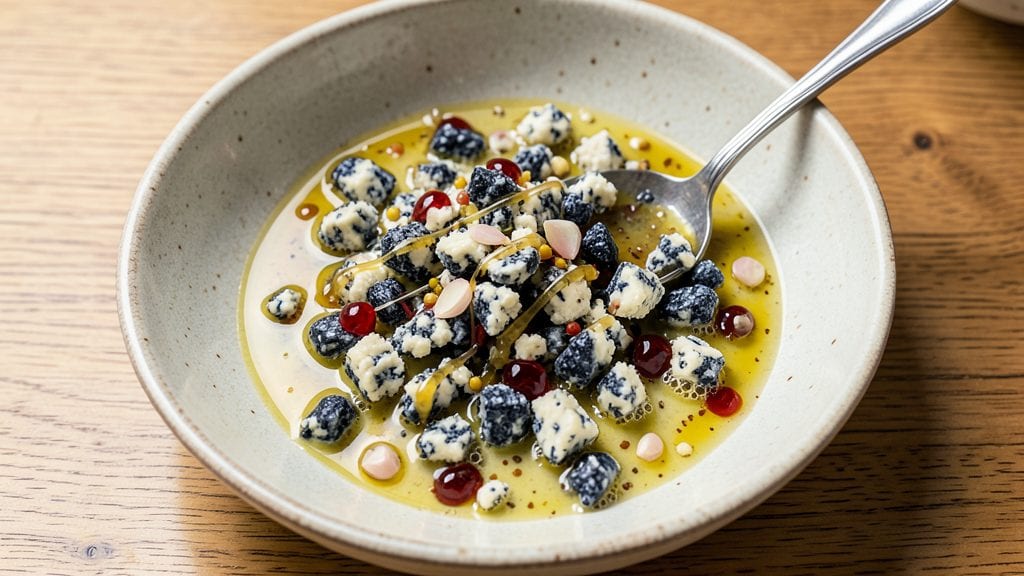
This Outback blue cheese vinaigrette recipe delivers the perfect balance of tangy, creamy richness that elevates any salad or protein dish—just like the restaurant version. The secret lies in blending sharp blue cheese with a touch of honey to mellow its intensity, creating a dressing that's bold yet smooth.
I developed this after years of testing vinaigrettes for my grandmother's recipe journal, where her notes always emphasized "never let the cheese overpower the vinegar."
The beauty of this recipe is its simplicity: just six ingredients combine to create a creamy, emulsified dressing that clings beautifully to greens or grilled meats. The Dijon mustard acts as a natural emulsifier, while the olive oil provides that signature Outback richness without heaviness.
What makes it truly special is how versatile it is—perfect for Caesar salads, chicken wings, or even drizzled over roasted vegetables.
What you'll end up with is a dressing that's tangy yet velvety, with just the right amount of blue cheese funk to satisfy cravings. The honey balances the sharpness, while the vinegar keeps it bright and lively.
This isn't your average blue cheese dressing—it's restaurant-quality, foolproof, and ready in just 5 minutes with minimal effort. Once you try it, you'll never go back to store-bought again.
Store it in an airtight container in the refrigerator for up to a week, giving it a gentle shake before each use to maintain that perfect emulsion.
Whether you're prepping for a weeknight dinner or a weekend gathering, this dressing will become your new go-to for adding depth and flavor to any dish. Let's make it—your taste buds will thank you.
Ingredients for outback blue cheese vinaigrette
Six ingredients transform into restaurant-style vinaigrette that's creamy, tangy, and impossible to resist.
| Ingredient | Amount | Notes |
|---|---|---|
| Blue Cheese Crumbles 🧀 | 1 cup | Sharp blue cheese preferred |
| Extra-Virgin Olive Oil 🫒 | ¾ cup | High-quality, fruity variety |
| Red Wine Vinegar 🍷 | ¼ cup | Dry, bold vinegar |
| Dijon Mustard 🌶️ | 1 tbsp | For natural emulsification |
| Honey 🍯 | 1 tbsp | Wildflower or clover |
| Garlic Cloves 🧄 | 2 cloves | Minced, for depth |
| Salt 🧂 | ½ tsp | Kosher or sea salt |
| Black Pepper 🌶️ | ¼ tsp | Freshly ground preferred |
The blue cheese is non-negotiable here—Stilton or Gorgonzola work best for that signature funk, but any sharp blue cheese will do. I always grab mine from the cheese counter at Whole Foods (they keep it fresh and crumbled perfectly), but the pre-packaged stuff at Trader Joe's is a solid budget pick. Pro tip: if your cheese is too salty, rinse it briefly under cold water before crumbling. The olive oil should be extra-virgin—none of that cheap grocery store stuff. California Olive Ranch or Bertolli are my go-tos for that fruity punch that makes this dressing sing.
No red wine vinegar? Apple cider vinegar works in a pinch, though it'll taste slightly sweeter. Short on honey? Maple syrup at half the amount keeps things balanced. The Dijon mustard is key—it's what makes this emulsify properly. Maille is the gold standard, but any good-quality Dijon will do. Want more garlic flavor? Add an extra clove or two. The recipe calls for minced garlic, but if you're feeling lazy, garlic powder at half the amount gets you close. And if you're making this ahead, add a splash of water before storing to keep it from separating.
This dressing keeps beautifully in an airtight jar in the fridge for up to a week. Give it a good shake before each use—it'll separate a little, but the emulsion comes back quickly. For extra richness, add a splash of heavy cream before serving. It's amazing on Caesar salads, grilled chicken, or even as a dip for crudités. I always make a double batch—half for salads, half for drizzling over my Outback-style steak bites. Trust me, you'll want seconds.
Why You'll Love This Recipe
- Five-Ingredient Magic: That’s all it takes—just crumble the blue cheese, whisk the oil and vinegar, and let the Dijon and honey do the rest. No chopping, no fuss, just a dressing that feels like a hug for your salads.
- Tangy Creamy Balance: The blue cheese gives it that bold, salty punch, while the honey softens it into something silky and irresistible. Honestly? It’s the kind of dressing that makes you want to eat straight from the jar.
- Salad Game Changer: Dress a simple wedge, toss with grilled chicken, or drizzle over roasted veggies—this stuff elevates everything. I keep a jar in the fridge for lazy nights when I don’t want to overthink dinner.
- Budget-Friendly Luxury: Blue cheese might sound fancy, but a small block goes a long way. A little goes far, and the vinegar and oil are pantry staples. It’s fancy enough for company but cheap enough for Tuesday takeout nights.
Step-by-step instructions for Outback blue cheese vinaigrette
Here's how to create a velvety, tangy dressing that balances bold blue cheese with silky richness.
Whisk Together the Base Ingredients
In a medium bowl, combine the 1 cup blue cheese crumbles, 1 tablespoon Dijon mustard, and 1 tablespoon honey. Use a whisk to break up the cheese clumps completely—this ensures a smooth, lump-free dressing. The Dijon mustard acts as an emulsifier, helping the oil and vinegar blend seamlessly later.
Add the 2 minced garlic cloves and mix them in thoroughly. The garlic adds a subtle depth that complements the blue cheese's sharpness. Let this mixture sit for 2-3 minutes while you prepare the remaining ingredients. This brief rest allows the garlic to soften slightly, preventing a harsh bite in the final dressing.
Gradually Incorporate the Olive Oil
Slowly drizzle in the ¾ cup extra-virgin olive oil while whisking continuously. This gradual addition is critical—adding oil too quickly can cause the dressing to separate. Whisk vigorously for 1-2 minutes until the mixture begins to thicken slightly. You're aiming for a creamy, mayonnaise-like consistency at this stage.
Here's the thing—if the dressing starts to look curdled or grainy, don't panic. Simply add 1 teaspoon of warm water and whisk again. The olive oil should eventually emulsify, creating that luxurious creaminess the recipe promises. This step might take a little patience, but it's worth it for that restaurant-quality texture.
Add Vinegar and Seasonings
Pour in the ¼ cup red wine vinegar and whisk for another 1-2 minutes until fully incorporated. The vinegar brightens the flavors and cuts through the richness of the cheese and oil. Taste the mixture at this point—you should notice a balance between tangy, sweet, and savory notes.
Add the ½ teaspoon salt and ¼ teaspoon black pepper, whisking until dissolved. The salt enhances all the flavors, while the pepper adds a subtle heat that makes the blue cheese sing. If you're using freshly ground black pepper, you'll notice the aroma intensify—this is your signal that the seasoning is working. Let the dressing rest for 5 minutes to allow all the flavors to meld together.
Adjust Consistency and Taste
After resting, give the dressing one final taste. If it needs more tang, add ½ teaspoon more red wine vinegar. For extra creaminess, whisk in 1 teaspoon of extra-virgin olive oil. The dressing should coat the back of a spoon but still pour smoothly—this is the perfect consistency for drizzling or tossing.
This dressing shines on everything from crisp salad greens to grilled steak or roasted vegetables. The key to its success lies in the balance of flavors and the proper emulsification. When you achieve that creamy, tangy perfection, you'll understand why this vinaigrette is a game-changer for any meal.
Pro Tips For Making Outback Blue Cheese Vinaigrette
- Whisk in stages: Start with the vinegar and mustard, then slowly drizzle in the olive oil—this keeps the emulsion stable. I used to dump everything in at once, and it’d separate like a sad salad dressing.
- Use room-temp cheese: Take the blue cheese crumbles out of the fridge 10 minutes before mixing—cold cheese makes the dressing clump. After burning my tongue on a grainy bite, I learned this the hard way.
- Balance the honey: Add honey last, and only a teaspoon at a time—too much turns it cloying. Taste as you go; the blue cheese’s saltiness needs to shine, not hide.
- Strain if needed: If your blue cheese has big chunks, press it through a fine-mesh sieve before mixing—smooth texture = better dressing. (Yes, it’s extra work, but it’s worth it.)
Pro cooking tips for outback blue cheese vinaigrette
Emulsification Mastery
The secret to a silky, restaurant-quality vinaigrette lies in proper emulsification. Start by whisking the blue cheese and Dijon mustard together until completely smooth—this creates a base that can properly bind with oil. When you slowly drizzle in the olive oil, whisk continuously to prevent separation.
I've learned the hard way that rushing this step leads to a broken dressing. If it starts to curdle, add 1 tsp warm water and whisk again—the oil will eventually emulsify. 🌡️
Cheese Selection Matters
Not all blue cheeses are created equal for this recipe. I always reach for Stilton or Gorgonzola from the cheese counter at my local Whole Foods—they have that perfect balance of sharpness and creaminess. If you're using pre-packaged cheese, check the label for "sharp" varieties.
Avoid mild blue cheeses like Gouda or Roquefort, which can make the dressing taste one-dimensional. For a budget-friendly option, Trader Joe's blue cheese crumbles work beautifully in a pinch.
Temperature Control Tip
Work with ingredients at room temperature for best results. Cold cheese and oil can cause the dressing to separate more easily. Let your blue cheese sit at room temperature for 10-15 minutes before using, and use room-temperature olive oil.
I keep my olive oil in the pantry rather than the fridge for this very reason. The honey should also be liquid at room temperature—if it's crystallized, warm it gently in a bowl of hot water.
This small attention to temperature makes a world of difference in the final texture. ⚡
The Honey Balance
The 1 tbsp honey in this recipe serves two purposes: it balances the sharpness of the blue cheese while acting as a natural emulsifier. I've found that wildflower honey adds subtle floral notes that complement the dressing beautifully.
For a deeper flavor, try buckwheat honey, which has a more robust taste. If you're concerned about sweetness, start with 1 tsp and adjust to taste—sometimes less is more, especially if you're using a particularly sharp blue cheese.
Vinegar Selection
While the recipe calls for red wine vinegar, don't be afraid to experiment. Apple cider vinegar adds a pleasant sweetness that works well, though it'll give your dressing a slightly different profile. For maximum tang, use balsamic vinegar at half the amount (about 2 tbsp).
The key is to taste as you go—vinegar is your flavor regulator. If you're making this ahead, add a splash of vinegar before storing to maintain freshness and prevent separation. 🍷
Storage Secrets
This dressing keeps beautifully in an airtight glass jar in the refrigerator for up to 1 week. Before each use, give it a good shake—the emulsion might separate slightly, but it comes back together with vigorous whisking. For extra richness, add 1 tbsp heavy cream before serving.
I always make a double batch because it disappears so quickly. If you notice the dressing getting too thick after storage, thin it with 1 tsp water or extra-virgin olive oil to reach your desired consistency.
Nutrition facts
Frequently asked questions
Can I make this dressing without honey?
Yes, but you'll need to adjust the flavor balance. Replace the honey with 1 teaspoon maple syrup or ½ teaspoon agave nectar for a similar sweetness level. If you're avoiding all sweeteners, add an extra ½ teaspoon Dijon mustard to help with emulsification and reduce the sharpness of the blue cheese. The honey isn't just for sweetness—it also helps mellow the cheese's intensity.
Why did my dressing separate?
Separation usually happens when oil and vinegar aren't properly emulsified. The key fix is to whisk more vigorously or add 1 teaspoon of warm water and whisk again. For future batches, always add oil slowly while whisking continuously. If the separation persists, try adding ½ teaspoon of cornstarch mixed with 1 teaspoon cold water—this acts as a natural thickener that helps bind the ingredients. Give it a good shake before using.
What's the best way to use leftover dressing?
This dressing works beautifully on more than just salads! Drizzle it over grilled chicken, steak, or roasted vegetables for a rich flavor boost. It also makes an excellent dip for baked potato wedges or crudités like celery and carrots. For extra decadence, add 1 tablespoon of heavy cream before serving—it creates a luscious, almost ranch-like texture that pairs perfectly with fried foods. Store leftovers in an airtight container for up to 5 days.
Can I make this dressing with Greek yogurt instead of oil?
For a lighter version, replace ½ cup of the olive oil with ¼ cup plain Greek yogurt (full-fat works best). This creates a creamy, tangy dressing that's perfect for chicken salads or as a dip. The yogurt adds protein and a slightly different texture, but the blue cheese flavor remains the star. Just whisk everything together thoroughly to ensure a smooth consistency. This variation keeps about 200 calories per 2-tablespoon serving instead of the original's 250 calories.
How do I know if my blue cheese is too salty?
Taste a small amount of the crumbled cheese before adding it to the dressing. If it's overly salty, rinse it under cold water for 10-15 seconds and pat dry with a paper towel. This removes some of the salt without affecting the flavor. For extra insurance, reduce the salt in the recipe by ¼ teaspoon. Remember, blue cheese varies in saltiness—store-bought brands often have more salt than fresh cheese from specialty shops. When in doubt, start with ½ teaspoon salt and adjust to taste.