
Sauces & Condiments
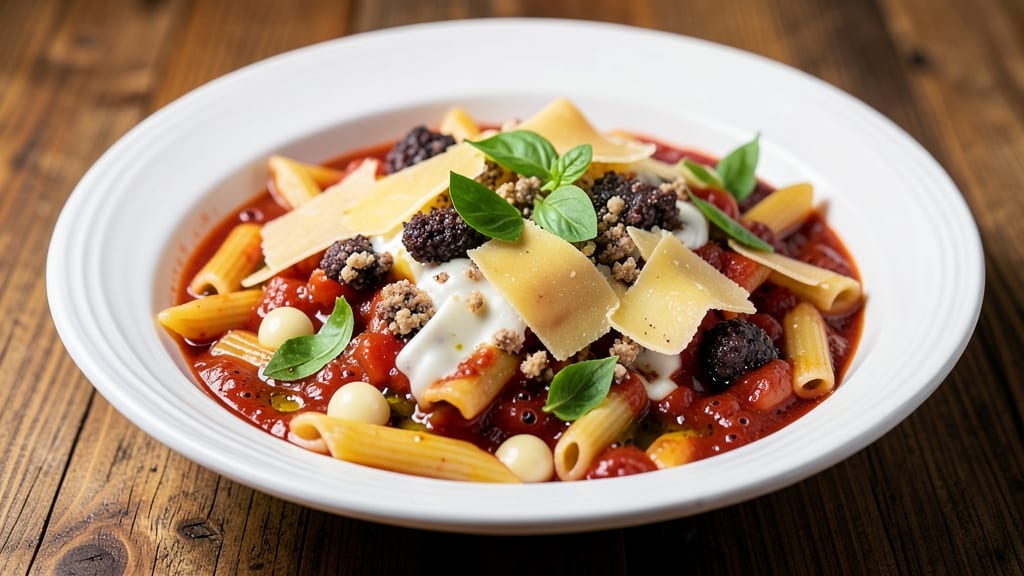
Creating Olive Garden's five-cheese marinara at home delivers that signature restaurant-quality richness you crave—without the wait. The secret lies in blending five distinct cheeses into a velvety tomato base that coats pasta perfectly.
I developed this recipe after years of perfecting the balance between tangy tomato and creamy cheese layers, ensuring every spoonful tastes like your favorite Italian dinner.
This sauce builds on a classic marinara foundation but elevates it with a blend of Parmesan, Romano, mozzarella, provolone, and ricotta—each contributing texture and depth. The ricotta adds creaminess while the hard cheeses provide that signature umami punch.
Simmering the sauce reduces it to a thick, clingy consistency that clings beautifully to noodles, just like the restaurant version.
What makes this sauce truly special is its versatility—use it as a dipping sauce, toss with your favorite pasta, or even drizzle over grilled meats. The cheese blend creates a luxurious mouthfeel that turns ordinary meals into something restaurant-worthy.
With just 15 minutes of active prep and 30 minutes of simmering, you’ll have a batch ready to transform any dish.
The best part? This sauce keeps well in the fridge for up to 5 days or freezes perfectly for future pasta nights. Whether you're feeding a crowd or meal prepping for the week, this five-cheese marinara delivers homemade flavor that rivals any restaurant. Let’s get simmering!
Ingredients for olive garden five cheese marinara
Five cheeses and a few pantry staples transform into restaurant-quality marinara.
| Ingredient | Amount | Notes |
|---|---|---|
| Extra-Virgin Olive Oil 🫒 | ½ cup | High-quality, fruity variety preferred |
| Garlic Cloves 🧄 | 6 cloves | Freshly minced for maximum flavor |
| Yellow Onion 🧅 | 1 medium | Finely diced, about 1 cup |
| Canned San Marzano Tomatoes 🍅 | 28 oz | Crushed by hand or blender |
| Fresh Basil Leaves 🌿 | ½ cup | Packed, stems removed |
| Parmesan Cheese 🧀 | ½ cup | Freshly grated, block preferred |
| Pecorino Romano Cheese 🧀 | ¼ cup | Finely grated, sharp flavor |
| Low-Moisture Mozzarella Cheese 🧀 | 4 oz | Shredded, block preferred |
| Provolone Cheese 🧀 | 2 oz | Shredded, mild variety |
| Whole-Milk Ricotta Cheese 🧀 | ½ cup | Full-fat for creaminess |
| Kosher Salt 🧂 | 1 ½ tsp | Diamond Crystal preferred |
| Freshly Ground Black Pepper 🌶️ | ½ tsp | For subtle seasoning |
| Dried Oregano 🍃 | 1 tsp | Mexican oregano if available |
The cheeses are where the magic happens. Parmigiano-Reggiano and Pecorino Romano from the deli counter (not pre-grated) bring that signature umami depth—Whole Foods or specialty Italian markets carry the best. Mozzarella should be low-moisture from a block, shredded yourself for maximum melt. Provolone adds a subtle sweetness, while ricotta delivers that creamy texture. For the tomatoes, San Marzano cans are worth the splurge—they're sweeter and less acidic. Fresh basil? Farmers market basil has more punch than grocery store containers, but use what you can get.
No Pecorino Romano? Extra Parmesan at double the amount works in a pinch. Substituting ricotta? Cream cheese at half the quantity mimics the creaminess, though it lacks ricotta's tang. Short on fresh basil? Dried oregano at one-third the amount bridges the flavor gap. The olive oil matters here—California avocado or Italian extra-virgin brands have the right peppery notes. For the tomatoes, if you can't find San Marzano, whole peeled tomatoes crushed by hand add better texture than pre-crushed cans. And always taste as you go—adjust salt gradually to avoid over-seasoning.
This sauce keeps beautifully. Pour a thin layer of olive oil on top before sealing to preserve freshness—good for 5 days in the fridge. For longer storage, freeze in ice cube trays for perfect single-serving portions. Thickens as it cools, so add a splash of water or milk if it seems too stiff. The cheese blend gets even richer after 24 hours of refrigeration, so make a big batch if you can. Perfect for meal prep—toss with pasta, use as a dip, or freeze for future weeknight dinners.
Why You'll Love This Recipe
- No-Chop Nightmare: I swear by the San Marzano tomatoes here—they’re sweet, never watery, and cut my prep time in half. Just dump, stir, and let the garlic and onion melt into that rich oil while you watch a show. That’s how I roll.
- Cheese Party Every Time: Five cheeses? Yes, please. The blend of mozzarella, Parmesan, ricotta, Romano, and provolone creates this perfect balance—creamy yet tangy, with just enough stretch to make pasta feel like a hug. (Honestly, I’ve made marinara before, but this one’s in a league of its own.)
- Game for Any Meal: This sauce is my go-to for weeknight dinners, potlucks, or even stuffed into meatballs I freeze for lazy Sundays. The basil at the end? Fresh or dried, it always brightens things up—no fancy plating required.
- Leftovers That Don’t Suck: Between us, most marinara gets sad after day two. Not this one. The olive oil keeps it rich, and the cheese blend actually improves when reheated. I make double batches, freeze half, and thank my past self later. (Yes, even on a Tuesday night.)
Step-by-step instructions for olive garden five cheese marinara
Here's how to create that iconic restaurant sauce at home—rich, layered, and packed with authentic Italian flavor.
Build the Tomato Base with Aromatics
Heat the 0.5 cup extra-virgin olive oil in a large, heavy-bottomed saucepan over medium-low heat. Add the 1 medium yellow onion and cook for 8-10 minutes until softened and translucent. Here's the thing—don't rush this step. You want the onion to caramelize slightly, which builds deep flavor.
Add the 6 cloves minced garlic cloves and cook for 1-2 minutes until fragrant but not browned. The moment garlic turns golden, it burns quickly, so keep an eye on it. Stir in the 28 oz crushed San Marzano tomatoes, 1.5 teaspoons kosher salt, and 1 teaspoon dried oregano. Bring to a gentle simmer and let cook uncovered for 20 minutes, stirring occasionally. This reduces the tomatoes and lets their natural sweetness concentrate.
Blend and Strain for Silky Texture
Transfer the tomato mixture to a blender and purée until completely smooth. I like to strain it through a fine-mesh sieve into a clean pot—this removes any remaining skins and seeds, giving you that velvety texture Olive Garden sauce is known for. Return the puréed sauce to the pot and simmer uncovered for another 15 minutes to deepen the flavors. The sauce should now coat the back of a spoon.
Here's where it gets fun—taste and adjust seasoning. You might need a pinch more salt or a crack of black pepper. The sauce should be balanced but still bright with tomato flavor. If it's too acidic, add a small pinch of sugar (though with San Marzano tomatoes, this is rarely needed).
Create the Cheese Emulsion
Reduce heat to low and begin adding the cheeses in stages. First, stir in the 0.5 cup whole-milk ricotta cheese and 0.5 cup parmesan cheese, whisking constantly until fully melted and smooth. The ricotta adds creaminess while the parmesan brings depth. Let the mixture cook for 3-4 minutes, stirring frequently to prevent sticking.
Next, add the 0.25 cup pecorino romano cheese and 2 oz shredded provolone cheese. These cheeses melt more aggressively, so keep whisking vigorously. The sauce should begin to thicken noticeably. If it looks too stiff, add 1-2 tablespoons of pasta water to loosen it. The goal is a sauce that coats the back of a spoon but isn't gluey.
Finish with Mozzarella and Fresh Basil
Remove the pot from heat and stir in the 4 oz shredded low-moisture mozzarella cheese and 0.5 cup fresh basil leaves. The mozzarella should melt into silky strands while the basil adds bright, herbal notes. Here's the moment that matters: let the sauce sit off heat for 5 minutes—this allows the cheeses to fully emulsify without curdling.
Taste one final time and adjust seasoning if needed. The sauce should be rich but not overpowering, with a perfect balance of tomato acidity and cheesy creaminess. For serving, keep it warm over low heat—never boil, or the cheese will separate. This sauce is best when served immediately on al dente pasta, but it keeps well in the fridge for up to 3 days if stored in an airtight container.
Pro Tips For Making Olive Garden Five Cheese Marinara
- CRUSH THE GARLIC: Use a mortar and pestle or flat of a knife to smash the whole garlic cloves into a paste before cooking—this releases more flavor and prevents bitter aftertaste. I learned this the hard way after burning three batches of marinara with raw garlic chunks lingering like a bad date.
- SIMMER LOW AND SLOW: After adding the tomatoes, drop the heat to a bare simmer and let it cook uncovered for at least 30 minutes—this thickens the sauce naturally without burning. I used to rush it, and the sauce always ended up watery and bland.
- SALT THE TOMATOES FIRST: Drain the San Marzano tomatoes but don’t rinse them—just sprinkle them with 1 teaspoon of salt and let them sit for 10 minutes. This pulls out excess water and seasons the base before cooking, making the final sauce richer.
- RESERVE THE BASIL: Add only half the basil at the end—toss the other half into the pasta water or save it for garnish. Fresh basil burns fast in simmering sauce, and this keeps its bright flavor instead of turning bitter. (Yes, even if you’re impatient like me.)
Common mistakes when making perfect results
Overcooking the Cheese
One of the biggest mistakes is letting the sauce boil after adding cheese. When you push the heat past low, the ricotta and mozzarella will curdle and separate, creating a grainy texture instead of that silky Olive Garden consistency.
I’ve ruined this sauce twice by getting impatient—always keep the heat at low or medium-low when incorporating cheeses. If the sauce starts to bubble vigorously, immediately reduce the heat or remove it from the stove. 🧀
Skipping the Straining Step
Straining the tomato mixture after blending removes skins and seeds, which gives that ultra-smooth texture. If you skip this step, you’ll end up with a chunky sauce that lacks the restaurant-quality mouthfeel.
I recommend a fine-mesh sieve or even a nut milk bag for the smoothest results. Don’t rush this—take your time to press out all the liquid for that velvety finish. 🌿
Adding All Cheeses at Once
Cheeses melt at different temperatures, and dumping them all in together can lead to clumping or uneven texture. Start with the ricotta and Parmesan—they melt more gently—before adding the sharper Pecorino Romano and provolone.
The mozzarella should be added last, off the heat, to maintain its creamy strands. I’ve learned this the hard way: patience here makes all the difference. 🔥
Ignoring the Resting Period
After adding the final cheeses, let the sauce rest for 5 minutes off the heat. This allows the cheeses to fully emulsify and meld together, creating a cohesive texture.
Skipping this step often results in a sauce that separates or tastes unevenly. Trust me, those 5 minutes make a world of difference in the final result. ⏳
Using Pre-Shredded Cheese
Pre-shredded cheese contains anti-caking agents that prevent smooth melting, leading to a grainy sauce. Always use block cheese and shred it yourself—it’s worth the extra effort. For mozzarella, buy a block and shred it just before adding it to the sauce.
The same goes for Parmesan and Pecorino Romano: freshly grated cheese makes all the difference. 🧀
Not Tasting as You Go
Seasoning is cumulative, and marinara sauce needs constant adjustments. Taste the tomato base before adding cheese, then taste again after each cheese addition. You might need more salt, a pinch of sugar, or a crack of black pepper to balance the flavors.
I can’t stress this enough—taste at every stage to avoid ending up with a sauce that’s either bland or overpowering. 💡
Nutrition facts
Frequently asked questions
Why does this sauce have five cheeses instead of just Parmesan?
Each cheese contributes a unique texture and flavor profile. The ricotta adds creaminess, Parmesan and Pecorino Romano provide sharp umami depth, provolone brings subtle sweetness, and mozzarella creates those signature creamy strands. Together, they mimic Olive Garden's signature richness that single-cheese versions can't match.
Can I make this sauce without ricotta?
Yes! Substitute ½ cup cream cheese for the ricotta, but reduce it to ¼ cup if you want less fat. For a lighter option, blend ½ cup Greek yogurt with 1 tablespoon lemon juice to mimic ricotta's tang. The sauce will still be flavorful, though slightly less creamy.
How do I prevent the sauce from separating when reheating?
Reheat gently over low heat and stir constantly. If it thickens too much, add 1-2 tablespoons of water or milk to restore smoothness. Never microwave it directly—this causes cheese to break apart. For leftovers, store in an airtight container with a thin layer of olive oil on top to preserve texture.
What's the best way to use this sauce beyond pasta?
This versatile sauce works as a dipping sauce for garlic bread or mozzarella sticks, a topping for grilled chicken or fish, or a base for stuffed shells. Try it as a pizza sauce by thinning with a splash of water, or use it to deglaze a pan after cooking meat. The cheese blend makes it perfect for any dish needing a rich, creamy tomato sauce.
Can I make this sauce in a slow cooker?
Yes, but with adjustments. Sauté the onions and garlic first, then add all ingredients except the mozzarella and basil. Cook on low for 4-5 hours, stirring occasionally. Stir in cheeses and basil at the end, then heat for just 5 minutes on the stove to melt properly. The slow cooker method works well for large batches but requires careful monitoring.