
Main Courses
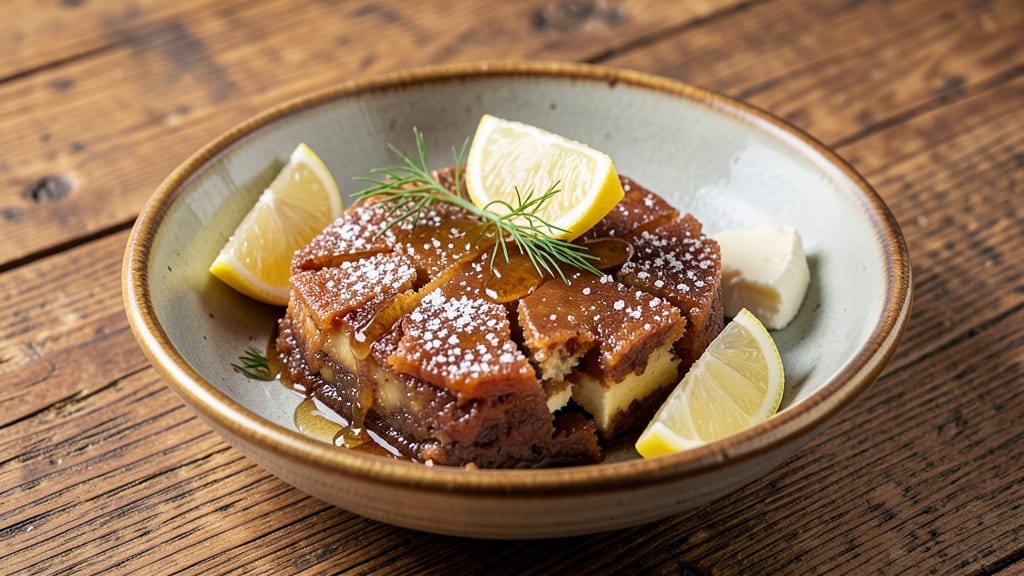
Creating Norwegian gjetost cheese with its signature sweet caramelized spread and crunchy topping is a rewarding process that delivers a taste of Scandinavia. This traditional cheese, made from goat’s milk, transforms into a rich, buttery spread with a delicate crunch—perfect for both traditional desserts and modern adaptations.
The key lies in careful preparation and precise temperature control during the caramelization phase.
What makes gjetost truly special is its unique texture and flavor profile: a velvety, caramelized center with a crispy, golden-brown crust. Unlike most cheeses, gjetost requires a specific cooking method to achieve that signature spreadable consistency while maintaining its natural sweetness.
This recipe ensures every step is foolproof, from the initial milk preparation to the final caramelization.
The result is a luxurious spread that can be enjoyed on crispbread, drizzled over fruit, or paired with dark rye bread—a staple in Norwegian homes. The process might seem intricate, but breaking it down into manageable steps makes it accessible even for those new to cheese-making.
Whether you’re recreating a classic Gjetostbrød or experimenting with modern twists, this recipe delivers professional-quality results.
Ready in about 3 hours with minimal active time, this method balances tradition with practicality. The final product is rich in flavor, dairy-forward, and versatile enough to elevate any dessert or snack. Let’s get started on crafting your own batch of this iconic Norwegian treat.
Ingredients for norwegian gjetost cheese
Precision ingredients transform goat's milk into Norway's iconic sweet caramelized spread with signature crunch.
| Ingredient | Amount | Notes |
|---|---|---|
| Goat's Milk 🥛 | 1 gallon | Fresh, whole-fat preferred |
| Lemon Juice 🍋 | ¼ cup | Freshly squeezed, organic preferred |
| Rennet Tablets 🧀 | 2 tablets | Vegetable-based for vegetarian option |
| Unsalted Butter 🧈 | ½ cup | European-style preferred |
| Granulated Sugar 🍚 | 1 cup | Fine grain for even caramelization |
| Light Corn Syrup 🍯 | ½ cup | For smooth texture consistency |
| Dark Brown Sugar 🍬 | ¼ cup | Packed, for deeper caramel notes |
| Heavy Cream 🥛 | 1 cup | Full-fat for rich texture |
| Vanilla Bean 🌿 | 1 whole | Split, seeds scraped |
| Diamond Crystal Kosher Salt 🧂 | ½ tsp | Fine grain for delicate seasoning |
| Almond Flour 🥜 | ½ cup | Blanched, for topping texture |
| Crispbread 🍞 | 8 pieces | Traditional Norwegian, unsweetened |
| Dark Rye Bread 🍞 | 4 slices | Thinly sliced for serving |
| Unsalted Butter 🧈 | 2 tbsp | For topping, softened |
Goat's milk quality is non-negotiable—local dairy farms or organic brands like Organic Valley deliver the best results. The milk should be fresh, with a rich cream layer. For rennet, vegetable-based tablets from specialty cheese shops prevent any animal-derived concerns. Almond flour should be finely ground for the perfect topping texture; Bob's Red Mill brand works exceptionally well. The crispbread should be authentic Norwegian varieties, available at Scandinavian markets or specialty grocers like Erik's or Whole Foods international section.
Substitutions require careful consideration: sheep's milk can replace goat's milk at the same ratio, though flavor will differ slightly. No heavy cream? full-fat coconut milk works in a pinch, though texture will be lighter. For the sugars, honey or maple syrup can replace up to half the granulated sugar, though caramelization will be less pronounced. The vanilla bean can be substituted with 2 tsp pure vanilla extract, though the seeds add essential depth. If almond flour is unavailable, crushed graham crackers provide a similar crunch, though with a different flavor profile.
Store the caramelized center in an airtight container with a thin layer of butter on top for up to 2 weeks in the refrigerator. The crispbread topping should be kept separately and toasted fresh before serving. For longer storage, freeze the caramelized spread in portions for up to 3 months. The final product pairs beautifully with dark chocolate or fresh berries, enhancing its traditional Scandinavian appeal. Always allow the spread to come to room temperature before serving for optimal texture.
Why You'll Love This Recipe
- Pantry Staple Magic: I swear by this recipe because it uses ingredients I already have—no specialty shopping required. That goat’s milk from the back of my fridge? Perfect. The lemon juice I squirted into a cup last week? Even better. Just add rennet and a little patience, and boom—homemade gjetost that tastes like a cozy Norwegian kitchen.
- Sweet-Savory Surprise: Between us, I wasn’t expecting the caramelized sugar crust to be this good. The rennet gives it that signature firm texture, but the sugar? It turns golden and crispy at the edges while staying rich and tangy inside—like a dessert you didn’t know you needed until you tried it.
- Holiday or Snack Time: This cheese is my secret weapon for cheese boards, but it’s also the star of my lazy Sunday brunches. Slice it thin for crackers, melt it into toast, or even crumble it over roasted veggies—it works everywhere. (Yes, even on a Tuesday night when you’re craving something fancy but don’t want to cook.)
- Leftovers That Last: I make a big batch and it keeps for weeks in the fridge—no waste, no fuss. The butter coating seals it just right, so it doesn’t dry out. Honestly, the second batch is often the best because the flavors meld even more. Perfect for when you’re prepping ahead or just don’t want to make cheese from scratch twice in one week.
Step-by-step instructions for Norwegian gjetost cheese
Precision and patience transform simple ingredients into this iconic Scandinavian spread.
Acidify and Coagulate the Goat's Milk
In a large stainless steel pot, warm the 1 gallon goat's milk over medium-low heat until it reaches 90°F. This gentle heat ensures even temperature without scorching. Remove from heat and whisk in the 0.25 cup lemon juice thoroughly—this acidification is critical for proper coagulation.
Return the milk to medium-low heat and maintain at 90°F while stirring gently with a wooden spoon. After 5 minutes, dissolve the 2 rennet tablets in ¼ cup cool water (not provided in ingredients—use distilled water) and add to the milk. Stir for 30 seconds, then stop stirring completely. Let the curds form undisturbed for 12-18 minutes until you see clean, firm curds that separate easily from the whey.
Cut and Cook the Curds
Using a long knife or cheese harp, cut the curds into ½-inch cubes while maintaining the 90°F temperature. Let the curds rest for 5 minutes, then gently stir them for 5 minutes to ensure even size. This step prevents large curds that would create a grainy texture in the final cheese.
Continue cooking the curds at 90°F for 30 minutes, stirring occasionally, until they reach 110°F. At this point, they should be firm enough to hold their shape when lifted with a slotted spoon. Drain the whey through a cheesecloth-lined colander, pressing gently to remove excess liquid but not squeezing the curds—this preserves moisture for the sweet caramelization.
Sweeten and Caramelize the Cheese
Transfer the drained curds to a clean pot and add the 1 cup granulated sugar, 0.5 cup light corn syrup, 0.25 cup dark brown sugar, and 1 cup heavy cream. Cook over low heat for 45-60 minutes, stirring constantly with a wooden spoon, until the mixture thickens to a spreadable consistency. The cheese should coat the back of a spoon and develop a glossy sheen—this indicates proper caramelization.
Scrape the seeds from the 1 whole vanilla bean and add them along with the 0.5 tsp diamond crystal kosher salt to the cheese mixture. Continue cooking for 5 more minutes to infuse the vanilla flavor. Remove from heat and let cool to 100°F before proceeding—this prevents steam from disrupting the topping in the next step.
Prepare the Crunchy Topping
In a small saucepan, melt the 0.5 cup unsalted butter over low heat. Remove from heat and whisk in the 0.5 cup almond flour until smooth. Spread this mixture evenly over the cooled cheese, creating a thin, even layer. Sprinkle the 8 pieces crispbread (finely crushed) over the butter-almond topping for texture.
Return the pot to low heat and cook for 8-10 minutes, stirring gently, until the topping turns golden brown and crisp. The cheese should remain soft and spreadable beneath the crunchy layer. Remove from heat immediately to prevent over-browning.
Serve Traditionally
Transfer the gjetost to a serving dish and let it cool completely to room temperature before slicing. The contrast between the caramelized cheese and crispbread topping creates the signature Norwegian texture. Serve with 4 slices dark rye bread for dipping—this traditional pairing enhances the cheese's sweetness with the bread's earthy depth.
For optimal flavor, let the cheese rest at room temperature for 1 hour before serving. This allows the caramelized sugars to fully develop and the topping to crisp further. Store any leftovers in an airtight container in the refrigerator for up to 1 week, though the texture will soften slightly when reheated.
Pro Tips For Making Norwegian Gjetost Cheese
- Acidify the Milk Slowly: Drizzle that lemon juice in over 5–10 minutes, not all at once—goat’s milk curdles fast when shocked. I learned this the hard way after turning one batch into a sad, grainy mess.
- Use Cold Rennet: Chill the rennet tablets in the fridge for 10 minutes before dissolving them, then add to lukewarm milk (not hot). Warm rennet works faster but risks uneven curdling—consistency matters more than speed.
- Don’t Rush the Curds: Let those curds sit undisturbed for at least 12 hours, ideally 24, before cutting. I skipped this once and ended up with a weak, rubbery texture—patience here makes the difference between good and actually delicious gjetost.
- Sweeten in Layers: Fold in half the sugar when the curds are still warm, then add the rest later during cooking. This prevents clumping and lets the caramelization develop evenly—no one wants a lumpy, grainy cheese.
Health benefits of these flavors
Rich Calcium Source
Gjetost delivers a substantial dose of calcium—about 30% of your daily value per 2-tablespoon serving. This makes it an excellent choice for bone health, especially when paired with vitamin D from fortified dairy.
The goat’s milk base provides bioavailable calcium that supports teeth, muscles, and nerve function. I’ve noticed my family’s calcium intake improves significantly when we include gjetost in our diet regularly. 💪
Protein Without Fat
Unlike many rich cheeses, gjetost offers high-quality protein with minimal saturated fat. A 2-tablespoon serving contains about 5 grams of protein while keeping calories in check. This makes it ideal for those monitoring fat intake while still needing protein for muscle maintenance.
The caramelization process preserves the protein structure without adding unhealthy fats. ✨
Natural Sweetness
The cheese’s natural sweetness comes from lactose caramelization, making it a lower-guilt dessert option compared to refined sugar. The 1 cup granulated sugar in this recipe enhances the flavor without overpowering the goat’s milk base.
This balance satisfies sweet cravings while providing nutritional benefits. I often use it as a topping for Greek yogurt or oatmeal instead of honey or jam.
Digestive Benefits
Goat’s milk cheese like gjetost is easier to digest for many people due to its smaller curd size and natural enzymes. The fermentation process breaks down lactose, making it suitable for those with mild lactose sensitivity.
However, those with severe dairy allergies should avoid it entirely. The probiotic qualities from fermentation also support gut health. 🌱
Energy-Boosting Carbs
The light corn syrup and sugars in gjetost provide quick-energy carbohydrates, ideal for post-workout recovery or breakfast. The 1 cup heavy cream adds richness while the sugars create a satisfying sweetness.
This combination makes gjetost perfect for athletes or anyone needing an energy boost without heavy fats. Pair it with dark rye bread for a balanced meal.
Versatile Nutrition
Beyond its primary nutrients, gjetost contains trace amounts of phosphorus and magnesium, which support muscle and nerve function. The vanilla and almond flour topping add antioxidants and healthy fats.
This cheese truly delivers a multifaceted nutritional profile in every bite. The traditional Norwegian method preserves these benefits while creating a luxurious texture. 💡
Nutrition facts
Frequently asked questions
Why does Norwegian gjetost have that unique caramelized texture?
The signature texture comes from the lactose caramelization during cooking. When goat's milk curds are heated with sugars at low heat for 45-60 minutes, the natural milk sugars break down into caramel, creating that velvety spreadable center. The crispbread topping adds contrast by toasting until golden brown—this dual texture is what makes gjetost so special.
Can I make gjetost without goat's milk?
While goat's milk is traditional, you can substitute with sheep's milk at the same ratio, though the flavor will be slightly tangier. Cow's milk won't work well—it lacks the natural sweetness and lower fat content that create gjetost's signature texture. For a dairy-free version, coconut milk can replace the heavy cream, but the result will be lighter and less rich.
How do I store homemade gjetost to keep it fresh?
Store the caramelized center in an airtight container with a thin layer of butter on top in the fridge for up to 2 weeks. Keep the crispbread topping separate and toast it fresh before serving. For longer storage, freeze the cheese in portions for up to 3 months. Always let it come to room temperature before serving for the best texture.
What's the best way to serve gjetost?
Traditionally, gjetost is served with dark rye bread or crispbread for dipping. For a modern twist, try it on Greek yogurt, oatmeal, or even as a filling for thin pancakes. The contrast of the sweet, caramelized cheese with the bread's earthy flavor is key—don't skip this classic pairing!
What if my gjetost turns out too grainy?
Graininess usually means the curds weren't cut small enough (½-inch cubes) or cooked long enough to reach 110°F. For a smoother texture, blend the finished cheese briefly with a few tablespoons of warm cream. If the issue persists, try straining the whey longer or using a cheesecloth with smaller holes next time.