
Side Dishes
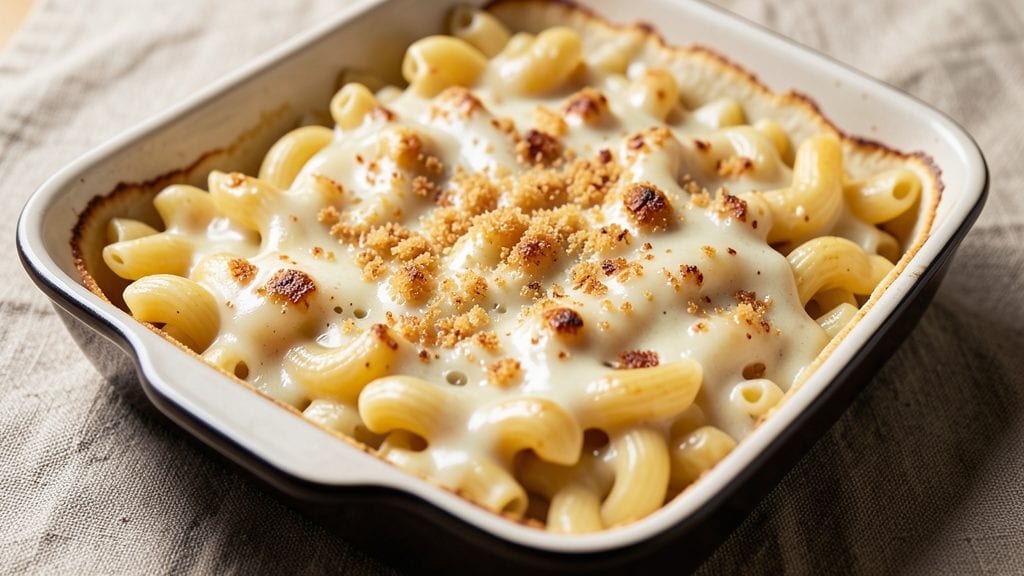
This mac and cheese recipe no Velveeta delivers the crispy top and ultra-creamy stretch you crave without relying on processed cheese. The secret lies in a precise blend of sharp cheddar, Gruyère, and cream cheese, melted into a velvety sauce that clings to every noodle.
I developed this version after years of experimenting—no Velveeta means no artificial aftertaste, just rich, authentic flavor that stands up to any main dish.
The foundation starts with a proper roux—equal parts butter and flour cooked until nutty brown—before adding milk and cheese in stages. This method creates a sauce so thick and luxurious it coats pasta perfectly without breaking, even when reheated.
For that signature crispy top, we'll use a mix of panko and parmesan, toasted until golden under the broiler. The result? A dish that rivals restaurant-quality versions, with a texture that's impossible to resist.
What sets this recipe apart is its versatility—stovetop or baked, it works for weeknight suppers or holiday tables. The cheese sauce develops deeper flavor as it simmers, while the crispy topping adds satisfying contrast.
Whether you serve it as a side or main, this mac and cheese will become your go-to comfort dish. Here's everything you need to make it from scratch.
For extra indulgence, fold in cooked bacon or broccoli, or top with scallions and extra cheese before baking. The possibilities are endless, but the technique remains foolproof. Let's get started on a batch that'll have everyone asking for seconds.
Ingredients for mac and cheese recipe no velveeta
Sharp cheddar, Gruyère, and cream cheese blend for that signature creamy stretch—no Velveeta needed.
| Ingredient | Amount | Notes |
|---|---|---|
| Elbow Macaroni 🍝 | 12 oz | Dry, medium or elbow shape |
| Unsalted Butter 🧈 | ½ cup | European-style preferred, cubed |
| All-Purpose Flour 🌾 | ½ cup | Sifted, for perfect roux |
| Whole Milk 🥛 | 2 cups | Full-fat for creaminess |
| Sharp White Cheddar Cheese 🧀 | 2 cups | Shredded, aged 12+ months |
| Gruyère Cheese 🧀 | 1 cup | Shredded, nutty flavor |
| Cream Cheese 🧈 | 4 oz | Full-fat, room temperature |
| Mustard Powder 🌶️ | 1 tsp | Dry, for depth of flavor |
| Diamond Crystal Kosher Salt 🧂 | 1 ½ tsp | Adjust to taste |
| Freshly Ground Black Pepper 🌶️ | ½ tsp | Freshly cracked |
| Japanese Panko Breadcrumbs 🍞 | ½ cup | Light and crispy |
| Parmesan Cheese 🧀 | ¼ cup | Freshly grated, for crunch |
| Extra-Virgin Olive Oil 🫒 | 1 tbsp | For crispy topping |
The cheese selection is non-negotiable. Sharp white cheddar provides the tang, while Gruyère adds nutty depth—both should be aged at least 12 months for maximum flavor. I grab mine from Whole Foods or specialty cheese shops, but any well-stocked grocery store carries decent options. For the cream cheese, full-fat is a must—low-fat versions won't give that luxurious texture. The Gruyère can be pricey, so if you're cutting costs, Parmesan shavings can mimic some of its richness. Just make sure to shred all cheeses yourself—pre-shredded versions contain anti-caking agents that prevent proper melting.
No Gruyère? Substitute with extra sharp cheddar or Comté—both add complexity. Running low on cream cheese? Add 1 extra tablespoon of butter to the roux for extra richness. For the panko, Japanese brands like Nissin are worth the splurge—they stay crispy even when baked. The mustard powder might seem minor, but it cuts through the richness beautifully. If you don't have it, Dijon mustard at half the amount works in a pinch. The olive oil for the topping? Use something fruity and peppery—none of that bland vegetable oil nonsense. A good California extra-virgin will elevate the crispy layer to restaurant-quality.
This sauce gets better as it sits—let it simmer for at least 15-20 minutes for maximum flavor development. The panko topping stays crispy for about 2 days if stored properly, so make extra for leftovers. For best results, assemble the dish just before baking—this prevents the topping from getting soggy. The cooked pasta keeps well in the fridge for 3 days if you want to prep ahead, but the sauce is best made fresh. If freezing, store the sauce and pasta separately—the sauce can get grainy when thawed.
Why You'll Love This Recipe
- No Fancy Tools: I swear by this one—just a pot, a whisk, and a grater. The roux is smooth, the cheese melts like a dream, and honestly? My wooden spoon’s seen better days, but it still gets the job done.
- Creamy Without Cheese Powder: That sharp white cheddar? It’s the star. The milk and butter create this velvety sauce where every bite has that perfect pull-apart texture—no Velveeta’s waxy aftertaste here, just rich, tangy goodness.
- Weeknight to Potluck Hero: Make a double batch on Sunday, and you’ve got lunch, dinner, or a last-minute party dish covered. The leftovers reheat like they’re fresh—no sad, gluey mac here.
- Budget That Doesn’t Skimp: Five ingredients, all pantry staples. I’ve fed my family of four for under $8, and they still ask for seconds. (Yes, even on a Tuesday night.)
Step-by-step instructions for mac and cheese with crispy top
Here's the method that delivers that perfect balance of crispy golden crust and ultra-creamy stretch every time.
Cook the Elbow Macaroni Al Dente
Bring a large pot of water to a rolling boil and salt it generously—it should taste like the ocean. Add the 12 oz elbow macaroni and cook until 1 minute before the package directions specify for al dente. This slight undercooking prevents the pasta from becoming mushy when mixed with the cheese sauce later.
Reserve 1 cup of the pasta water before draining—this starchy liquid is essential for creating a silky sauce. I keep a measuring cup nearby so I don't forget this critical step. Drain the pasta completely and set it aside in a large mixing bowl. The residual heat will help distribute the cheese sauce more evenly.
Create the Perfect Cheese Sauce
In a separate large saucepan, melt the 0.5 cup unsalted butter over medium heat until it foams. Whisk in the 0.5 cup all-purpose flour and cook for 1-2 minutes until the mixture forms a smooth, pale roux—this is your sauce foundation. Here's the thing—don't walk away. The roux needs constant attention to prevent burning.
Gradually whisk in the 2 cups whole milk, adding it slowly to avoid lumps. Bring the mixture to a gentle simmer and cook for 5-7 minutes until it thickens enough to coat the back of a spoon. Remove from heat and stir in the 2 cups sharp white cheddar cheese, 1 cup gruyère cheese, 4 oz cream cheese, 1 tsp mustard powder, 1.5 tsp diamond crystal kosher salt, and 0.5 tsp freshly ground black pepper. The sauce should become luxuriously thick and smooth.
Combine and Season the Mac and Cheese
Pour the hot cheese sauce over the drained pasta in the mixing bowl. Using a wooden spoon or rubber spatula, gently fold everything together until the pasta is fully coated and the cheese has melted completely. If the mixture looks too thick, add 2-3 tablespoons of the reserved pasta water at a time until you reach a creamy, stretchy consistency—this is what makes this mac and cheese truly exceptional.
Taste and adjust the seasoning if needed. Here's where the mustard powder really shines—it adds a subtle depth that elevates the cheddar and gruyère flavors. The sauce should be rich, velvety, and have that signature cheesy pull when you drag your spoon through it. Cover the bowl and let it sit off the heat for 5 minutes to allow the flavors to meld completely.
Prepare the Crispy Topping
Preheat your oven to 375°F. While the oven heats, transfer the mac and cheese to a 9x9-inch baking dish or similar size. In a small bowl, mix together the 0.5 cup japanese panko breadcrumbs, 0.25 cup parmesan cheese, and 1 tbsp extra-virgin olive oil until evenly combined. This topping is what creates that coveted crispy crust we're after.
Sprinkle the panko mixture evenly over the top of the mac and cheese, pressing down gently with the back of a spoon to ensure good contact. The oil helps create that golden-brown crust while the panko adds a delightful texture contrast to the creamy base. Bake for 15-20 minutes until the top is deep golden brown and the edges are bubbling.
Rest and Serve for Maximum Creaminess
Remove the mac and cheese from the oven and let it rest for 5-10 minutes before serving. This resting period allows the top to crisp up further while keeping the interior creamy and stretchy. I know it's tempting to dig in immediately, but trust me—this step makes all the difference in the final texture.
Serve with a side of garlic bread or a fresh green salad. The contrast of the crispy, golden top against the ultra-creamy cheese will have everyone asking for seconds. Each bite should deliver that perfect combination of textures and flavors we've worked so hard to achieve.
Pro Tips For Making Mac And Cheese Recipe No Velveeta
- STRAIN THE PASTA AL DENTE: I learned this the hard way—overcooked macaroni turns to mush in the sauce. Pull it out when it’s still slightly firm (about 1 minute before package time), then finish cooking in the cheese sauce. The extra starch in the sauce will help thicken it properly, and the pasta won’t fall apart.
- MELT CHEESE LOW AND SLOW: Sharp white cheddar burns faster than you think. Once you add the cheese to the roux, reduce the heat to medium-low and stir constantly—this isn’t the time to walk away. If it starts to separate or turn grainy, immediately whisk in a splash of warm milk to smooth it out.
- GRATE CHEESE FINE AND DRY: Skip the pre-shredded stuff—it’s coated with anti-caking agents that make the sauce clump. Use a box grater for sharp cheddar, and pat the shavings dry with a paper towel to remove excess moisture. Wet cheese = weak sauce, and nobody wants that.
- RESERVE STARCHY PASTA WATER: Before draining the pasta, scoop out ½ cup of the starchy water and set it aside. When you mix the cheese sauce with the pasta, stir in a tablespoon or two of that water—it instantly makes the sauce silkier and helps the cheese melt more evenly. (Yes, even if you’re impatient like me.)
Troubleshooting your mac and cheese recipe no velveeta
Sauce Too Thick?
If your cheese sauce thickens too much and becomes grainy, don't panic—this happens when the milk separates or the cheese doesn't melt smoothly. Immediately whisk in 2-3 tablespoons of the reserved pasta water to restore creaminess.
For prevention, add the milk to the roux gradually while whisking constantly, and remove the sauce from heat just before it reaches peak thickness. A hand mixer can help blend stubborn lumps if they form. 💫
Grainy Cheese Texture
Graininess usually means the cheese wasn't melted properly or the sauce wasn't hot enough. To fix it, place the saucepan over low heat and stir continuously until fully smooth.
For future batches, ensure all cheeses are shredded fresh (no pre-shredded) and that the sauce reaches at least 170°F to melt completely. A splash of warm milk can also help dissolve any remaining cheese particles.
Pasta Too Dry
If your pasta ends up dry and clumpy after mixing with the sauce, you likely didn't reserve enough pasta water or didn't cook it al dente. Next time, undercook the pasta by 1 minute and reserve 1.5 cups of pasta water instead of 1 cup.
The starch in the water acts as a natural lubricant, preventing dryness. For extra insurance, toss the cooked pasta with 1 tablespoon butter before adding the sauce.
Topping Not Crispy
A soggy topping is usually caused by moisture escaping during baking or insufficient heat. To fix it, press the panko mixture firmly onto the mac and cheese before baking, and bake at 400°F instead of 375°F for 5-10 extra minutes until golden.
For prevention, let the mac and cheese sit uncovered for 5 minutes after removing from the oven to allow excess moisture to evaporate before serving.
Sauce Breaks When Reheating
If your mac and cheese separates or becomes watery when reheated, it's likely due to overmixing or insufficient fat in the sauce. To fix it, stir in 1 tablespoon butter or cream while reheating on low heat.
For future batches, ensure your roux is lightly browned (not dark) and that you're using full-fat dairy products. A splash of heavy cream can also help restore richness.
Cheese Sauce Too Mild
If your sauce lacks depth of flavor, it might need more acidity or seasoning. Boost the taste by adding ½ teaspoon Dijon mustard or 1 teaspoon lemon juice to brighten the cheese.
For a deeper flavor, increase the Gruyère to 1.5 cups or add ½ cup smoked gouda. Always taste as you go—seasoning can be adjusted, but you can't un-underseason!
Nutrition facts
Frequently asked questions
Why does this recipe use Gruyère instead of Velveeta?
Gruyère adds a nutty, complex flavor that Velveeta can't match, plus it melts beautifully for that signature creamy stretch. The combination of sharp cheddar and Gruyère creates a richer, more authentic taste without any artificial aftertaste. It's worth the upgrade!
Can I make this recipe without baking it?
For a stovetop version, simply mix the cooked pasta with the cheese sauce and let it sit off heat for 5 minutes to thicken. Top with the panko mixture and broil for 2-3 minutes just to crisp the breadcrumbs. The texture will be slightly softer but still delicious.
What if I don't have panko for the crispy topping?
Use regular breadcrumbs or crushed cornflakes mixed with parmesan and olive oil. For extra crunch, toast the breadcrumbs in a dry pan for 2 minutes before adding to the mac and cheese. The texture won't be identical, but it'll still add great contrast to the creamy base.
How do I make this recipe extra cheesy?
Add an extra ½ cup shredded sharp cheddar or ¼ cup cream cheese to the sauce. For a decadent twist, stir in ½ cup sour cream or ¼ cup heavy cream at the end. Just be prepared for leftovers—this version is hard to resist!
Can I use this sauce for other dishes?
Yes! This rich cheese sauce works perfectly for stuffed baked potatoes, grilled cheese sandwiches, or even as a dip for breadsticks. Just adjust the liquid ratio slightly if using for dipping—you may need to thin it with a splash of milk. The flavor profile is versatile enough for many applications.