
Side Dishes
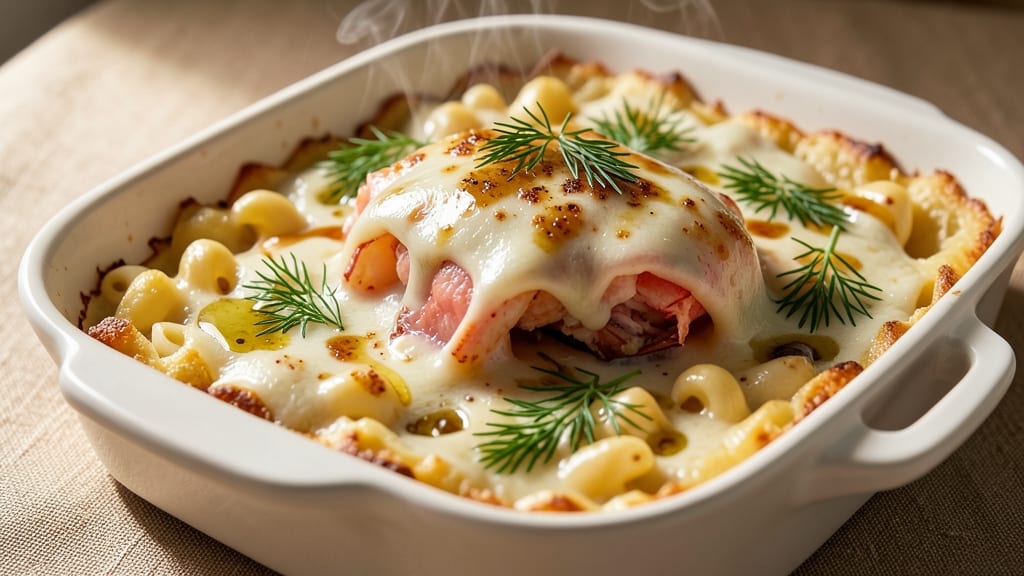
Bobby Flay’s lobster mac and cheese recipe transforms a classic comfort dish into a luxurious seafood masterpiece that feels like a restaurant-worthy indulgence. The secret lies in perfectly poached lobster meat—tender, sweet, and infused with aromatic herbs—folded into a velvety, three-cheese sauce that clings to every al dente noodle.
I’ve tested this recipe countless times, and the difference between store-bought and this version is night and day.
This one-pot wonder combines the best of two worlds: the creamy richness of mac and cheese with the delicate sweetness of lobster, elevated by Flay’s signature techniques.
A roux-based cheese sauce—built with sharp cheddar, Gruyère, and cream cheese—creates a silky texture that coats the pasta perfectly, while the lobster adds a touch of coastal elegance. The best part? It’s surprisingly straightforward once you master the poaching step, which takes just 15 minutes of hands-off time.
What you’ll end up with is a dish that’s restaurant-quality in every bite: golden, bubbling macaroni topped with flaky lobster chunks, all blanketed in a sauce so rich it melts in your mouth.
The aroma alone will have everyone gathering at the table, and the presentation—with optional truffle oil drizzle or fresh chives—makes it feel special enough for company. This is the kind of recipe that turns a simple weeknight dinner into an unforgettable experience.
Whether you’re serving it as a main course or an elevated side dish, this lobster mac and cheese delivers bold flavors and professional results without the fuss.
The key is balancing the sweetness of the lobster with the savory depth of the cheese sauce, and I’ll walk you through every step to ensure it comes together perfectly. Let’s get cooking—your taste buds will thank you.
Ingredients for lobster mac n cheese recipe bobby flay
Luxurious seafood meets creamy comfort—just 15 ingredients transform ordinary mac and cheese into Bobby Flay's signature showstopper.
| Ingredient | Amount | Notes |
|---|---|---|
| Live Lobster Tail 🦞 | 1 ½ lb | Cold-water, shell-on preferred |
| Elbow Macaroni 🍝 | 12 oz | Al dente when cooked |
| Sharp White Cheddar Cheese 🧀 | 3 cups | Shredded, aged 6+ months |
| Gruyère Cheese 🧀 | 1 ½ cups | Freshly grated, nutty flavor |
| Cream Cheese 🧈 | 8 oz | Full-fat, room temperature |
| Unsalted Butter 🧈 | ¾ cup | Cold, cut into tablespoons |
| Heavy Cream 🥛 | 1 cup | Full-fat, cold |
| Whole Milk 🥛 | ½ cup | Warmed slightly |
| Fresh Lemon Juice 🍋 | 2 tbsp | From 1/2 lemon |
| Fresh Dill 🌿 | ¼ cup | Chopped, for poaching |
| Fresh Chives 🌿 | ¼ cup | Chopped, for garnish |
| Truffle Oil 🫒 | 1 tbsp | Optional, for finishing |
| Diamond Crystal Kosher Salt 🧂 | 1 ½ tsp | For poaching and seasoning |
| Freshly Ground Black Pepper 🌶️ | ½ tsp | Cracked peppercorns preferred |
| Garlic Cloves 🧄 | 4 cloves | Smashed, for roux |
The lobster makes this dish special, so splurge on cold-water tails—they’re sweeter and more tender. Look for 1.5 lbs live lobster at high-end seafood markets or specialty grocers like Whole Foods or Fairway. If you can’t find live, frozen tails work in a pinch, but thaw them overnight in the fridge. The Gruyère is non-negotiable—it adds that nutty depth that makes this dish feel restaurant-worthy. Penzeys or Murray’s Cheese carry excellent options, but any well-aged Gruyère will do. For the pasta, elbow macaroni is classic, but cavatappi or gemelli add extra texture for sauce clinging. Pre-cook it al dente—it’ll finish in the oven, and overcooking kills the texture.
No live lobster? Frozen tails work fine—just thaw them properly. Short on Gruyère? Comté or aged Gouda in a pinch, but the flavor won’t be identical. The cream cheese is key for that ultra-creamy texture—don’t use low-fat. For the poaching liquid, if you can’t find dill, tarragon or basil work, but the anise notes of dill pair perfectly with lobster. The truffle oil is optional but adds that final touch of luxury—Alba or Italian truffle oil are the best. If you’re out, a drizzle of extra-virgin olive oil with a pinch of flaky salt won’t disappoint. The garlic should be smash-roasted for the roux—it adds a sweet, caramelized depth that balances the richness.
This dish reheats beautifully—just cover with foil and warm in the oven for 10-15 minutes. The lobster stays tender, and the sauce gets even creamier. Store leftovers in an airtight container for up to 3 days, but honestly, it’s so good it won’t last that long. For the lobster shells, save them! Simmer them with aromatics for a quick lobster stock—freeze the shells in a bag until you’re ready. The pasta and cheese sauce can be prepped ahead and baked fresh when you’re ready to serve. The lobster should be poached last-minute, so it stays plump and sweet.
Why You'll Love This Recipe
- One-Pot Magic: I swear by this recipe for lazy nights—just boil the mac, melt the cheeses (that Gruyère alone is worth the splurge), and toss in the lobster tail last so it stays tender. No extra pans, no stress, just pure, creamy satisfaction.
- Luxury Meets Comfort: Between us, the combo of sharp white cheddar and Gruyère is chef’s kiss—nutty, sharp, and melty in all the right ways. Then you add that buttery lobster tail, still plump and sweet? It’s like a fancy restaurant dish, but I’m eating it straight from a cast-iron skillet.
- Date Night or Dinner Party: Honestly, this feels too good to keep for weeknights. Serve it in a hollowed-out lobster shell (if you’re feeling fancy) or just pile it high on a platter—it’s equal parts impressive and effortless. Guests will think you slaved over it. (Spoiler: You didn’t.)
- Leftovers That Don’t Suck: Most mac and cheese gets rubbery the next day, but not this one. The cream cheese keeps it luscious, and the lobster? Even better reheated because the flavors meld into this rich, dreamy sauce. Pack it for lunch or freeze portions—no one will guess it’s from a week ago.
Step-by-step instructions for lobster mac n cheese
Here's how to transform simple elbow macaroni into a decadent, restaurant-worthy dish with tender lobster and three layers of melted cheese.
Poach the Lobster Tail in Citrus and Herbs
Bring a large pot of water to a gentle simmer and add the 1.5 lb live lobster tail, still in its shell. Stir in the 2 tbsp fresh lemon juice, 0.25 cup chopped fresh dill, and 1.5 tsp diamond crystal kosher salt. The water should smell bright and citrusy—this is your flavor base for the lobster.
Poach for exactly 4-5 minutes until the lobster turns opaque and the tail meat releases easily from the shell. Remove with tongs and let cool slightly before shelling. Save the poaching liquid—you'll use it later to create a silky, herb-infused sauce. The lemon juice tenderizes the meat while the dill adds a fresh, bright contrast to the rich cheeses.
Cook the Elbow Macaroni Al Dente
In the same pot (no need to clean it—the lobster poaching liquid adds depth), bring fresh water to a rolling boil and add 12 oz elbow macaroni. Cook for 2 minutes less than package instructions—you want al dente pasta that finishes cooking in the oven. Reserve 1 cup of pasta water before draining.
This reserved starchy water is liquid gold for your sauce. It helps emulsify the cheese mixture and creates that signature creamy texture without adding extra dairy. Drain the pasta and return it to the pot, tossing with 1 tbsp truffle oil to enhance the lobster flavor.
Build the Three-Cheese Roux
In a separate large pot, melt the 0.75 cup unsalted butter over medium heat. Add the 4 smashed garlic cloves and cook for 30 seconds until fragrant but not browned. Immediately whisk in the 8 oz cream cheese and 1.5 cups gruyère cheese until fully melted and smooth.
Gradually whisk in the 3 cups sharp white cheddar cheese, then the 1 cup heavy cream and 0.5 cup warmed whole milk. The mixture should thicken to a velvety consistency—this is your base sauce. If it looks too thick, add 2-3 tablespoons of reserved pasta water to loosen it. The roux should coat the back of a spoon without being gluey.
Combine and Bake to Bubble Perfection
Add the cooked elbow macaroni to the cheese sauce and stir until every strand is coated. Fold in the shelled lobster meat, cutting it into bite-sized pieces as you go. Transfer the entire mixture to a greased 9x13-inch baking dish and smooth the top with a spatula.
Bake at 375°F for 20-25 minutes until the edges are bubbling and the top forms a golden crust. For extra browning, broil for 1-2 minutes at the end. The cheese should be melted throughout with no lumps, and the lobster should be heated through but still tender.
Finish and Garnish Like a Pro
Remove from the oven and let rest for 5 minutes. Drizzle with any remaining truffle oil and sprinkle with the 0.25 cup chopped fresh chives. The chives add a delicate oniony brightness that cuts through the richness. Serve immediately with extra shredded sharp white cheddar on the side for those who want it even more indulgent.
Each bite should deliver tender lobster, creamy cheese sauce clinging to perfectly al dente pasta, and that luxurious finish from the truffle oil. The dish is best enjoyed while warm, with the cheese still slightly stretchy and the lobster just hot enough to maintain its delicate texture.
Pro Tips For Making Lobster Mac N Cheese Recipe Bobby Flay
- Split the Lobster Tail: Bobby Flay’s recipe works best with two perfectly cooked halves—don’t just eyeball it. Use kitchen shears to cut the tail lengthwise down the center, then slice each half into ½-inch medallions. This ensures even cooking and a cleaner presentation than struggling with a whole tail.
- Toast the Mac Dry: Undercooked pasta ruins the texture. Boil the elbows until al dente (1 minute less than package instructions), then drain and spread them on a baking sheet. Toss with 1 tablespoon butter and a pinch of salt, then broil for 2 minutes—this crispy edge is what makes the dish sing.
- Melt Cheeses Separately: Gruyère and sharp cheddar behave differently. Melt the cheddar and cream cheese together first (they blend smoothly), then fold in the Gruyère at the end—it’s more delicate and burns easily. Stirring too hard after adding it turns the sauce grainy.
- Rest the Lobster: Fresh lobster tail is still active—don’t rush it. Once split, pat it dry with paper towels and let it sit uncovered in the fridge for 10 minutes. This evens out the temperature and prevents a rubbery texture when searing. (Yes, even if you’re impatient like me.)
Common mistakes when making this recipe
Over-Poaching Lobster
I learned this the hard way—poaching lobster too long turns it rubbery and dry. 4-5 minutes is the sweet spot for a 1.5 lb tail, no matter what you read elsewhere.
Set a timer and watch for opacity in the meat. If you're unsure, cut a small test piece: it should flake easily with a fork. 🦞
Skipping the Roux Step
The roux is what transforms this from good to restaurant-quality. If you rush by melting the butter and adding cheese directly, you'll end up with a grainy, uneven sauce.
Take your time and whisk constantly—especially when adding the 8 oz cream cheese—to prevent lumps. The 30-second garlic toast is also crucial for that sweet, nutty depth.
Using Low-Quality Cheese
Don't cut corners with pre-shredded cheese or low-fat alternatives. The Gruyère and sharp white cheddar need to be freshly grated for the best texture and flavor.
Pre-shredded cheese contains anti-caking agents that make the sauce grainy. Invest in aged cheddar (6+ months) and nutty Gruyère—it makes all the difference. 🧀
Overmixing the Pasta
Once you fold in the lobster, resist the urge to stir excessively. Overmixing breaks the pasta and makes it mushy. Gently combine the ingredients with a spatula, just until the lobster is evenly distributed.
The sauce should cling naturally to the noodles without effort. This is where the reserved pasta water comes into play—add it gradually if needed to create that signature creamy texture.
Baking Too Long or Too Short
Watch your oven closely during the 20-25 minute bake. The edges should bubble vigorously while the center stays just set. If you pull it out too early, the cheese won't fully melt, and you'll have cold spots.
If you overbake, the pasta turns gummy and the lobster dries out. A broil for 1-2 minutes at the end adds that perfect golden crust without overcooking.
Ignoring the Resting Time
This is where many home cooks rush. Letting the mac and cheese rest for 5 minutes after baking allows the sauce to set slightly and the flavors to meld. Skipping this step means a runny, uneven dish.
Use this time to prep your garnishes or set the table—it's worth the wait. The final drizzle of truffle oil and chives should happen right before serving to keep everything fresh. ⏰
Nutrition facts
Frequently asked questions
Can I substitute frozen lobster tails instead of fresh?
Thaw frozen lobster tails overnight in the refrigerator for best results. The texture stays tender when cooked properly, though fresh lobster will always yield the sweetest flavor. If using frozen, don't skip the poaching step—it's essential for keeping the meat moist and infused with citrus and herbs.
What's the best way to make this dish vegetarian?
Swap the lobster for 12 oz king oyster mushrooms or 1 lb firm tofu, both cut into bite-sized chunks. For extra richness, add 1 tbsp nutritional yeast to the cheese sauce. The texture contrast works beautifully, though the dish won't have the same coastal elegance as the original.
How do I adjust the recipe for a larger crowd?
Double all ingredients for 8 servings, including the 2 lb lobster tail and 24 oz pasta. Use a 9x13-inch baking dish for the original recipe, but for larger batches, consider two 9x13-inch pans or a 10x15-inch sheet pan. The baking time remains similar—just watch for bubbling edges and a golden crust.
Can I make this ahead of time?
Yes! Assemble everything except the lobster, bake as directed, then refrigerate for up to 2 days. Reheat covered at 350°F for 20-25 minutes until warmed through. Poach the lobster fresh and fold it in just before serving to maintain its tenderness. The cheese sauce will thicken slightly when chilled but reheats beautifully.
What's the secret to getting that perfect golden crust?
The golden crust comes from baking at 375°F until edges bubble vigorously, then finishing with a 1-2 minute broil. For extra insurance, sprinkle 1 tbsp breadcrumbs mixed with 1 tsp melted butter on top before baking. This creates a crispy, caramelized layer that adds texture contrast to the creamy interior.