
Sauces & Condiments
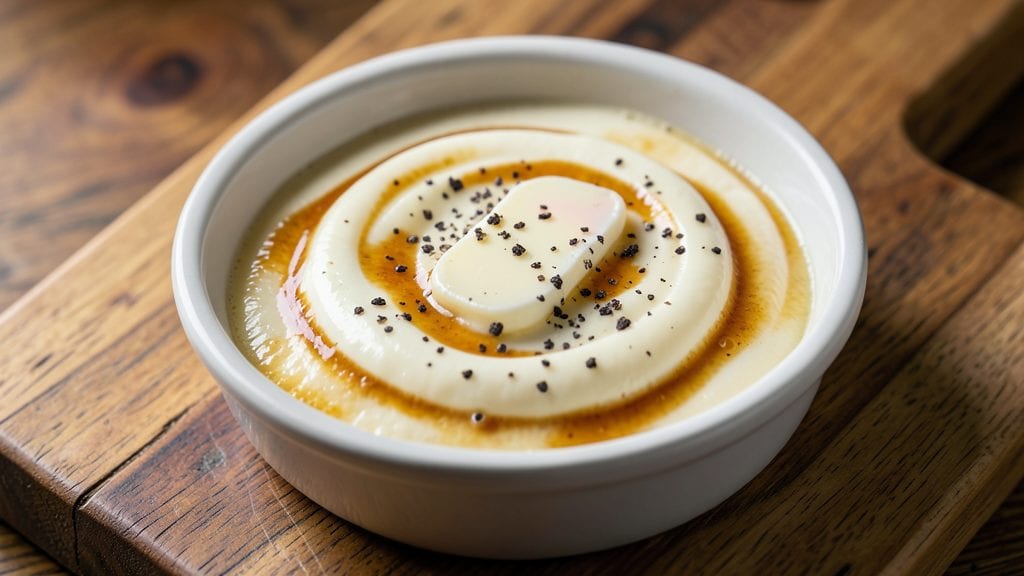
Creating a liquid cheese sauce recipe that's smooth, velvety, and perfect for mac and cheese requires precision—not just throwing cheese into a pot. After years of testing, I’ve perfected a stovetop method that guarantees a silky, lump-free sauce every time, using just five key ingredients and a simple technique.
The secret lies in gradual heat and constant stirring, which transforms sharp cheddar into a rich, coatable sauce that clings beautifully to noodles or dips.
This recipe avoids common pitfalls like grainy textures or broken emulsions by incorporating a small amount of butter and milk before adding the cheese. That initial mixture creates a stable base that prevents clumping, while the gradual melting ensures the sauce remains smooth and glossy.
It’s a foolproof method that works for both beginner cooks and those who want to elevate their mac and cheese game without advanced skills.
The result is a luxuriously creamy sauce with a perfect balance of tang and richness—no need for processed cheese powders or additives.
You’ll notice the difference immediately: a sauce that’s silky enough to drizzle but sturdy enough to hold toppings, with a velvety finish that makes every bite taste like a restaurant-quality dish. The best part? It takes just 10 minutes to prepare, with no special equipment beyond a saucepan and whisk.
Once mastered, this technique opens doors for endless variations—add a splash of mustard for depth, stir in roasted garlic for complexity, or keep it classic with a touch of nutmeg.
It’s equally at home as a mac and cheese sauce, a dip for veggies, or even a topping for burgers. Let’s get started on creating that perfect, velvety melt.
Ingredients for liquid cheese
Five ingredients transform into a velvety, restaurant-quality cheese sauce—no lumps, no fuss.
| Ingredient | Amount | Notes |
|---|---|---|
| Sharp White Cheddar Cheese 🧀 | 2 cups | Shredded, block preferred |
| Unsalted Butter 🧈 | 2 tbsp | Cold, cut into small cubes |
| Whole Milk 🥛 | ½ cup | Room temperature preferred |
| Extra-Virgin Olive Oil 🫒 | 1 tbsp | For smooth texture |
| Ground Black Pepper 🌶️ | ¼ tsp | Freshly ground for best flavor |
The cheese is everything here. Sharp white cheddar gives that perfect tang without overpowering—Kraft is fine for quick use, but a block from the deli melts like a dream. I always buy extra because it keeps for months. The key? Shred it yourself right before using—pre-shredded gets clumpy. For a deeper flavor, add a pinch of smoked paprika to the shredded cheese. Butter and milk are your secret weapons—the butter creates that silky base, while the milk keeps it from breaking. Grab Plugrá butter if you want to splurge, but regular unsalted works great too.
No sharp cheddar? Monterey Jack or Gouda will work—just add a splash of lemon juice to keep it from getting too rich. Ran out of milk? Heavy cream or half-and-half adds richness, but milk keeps it lighter. Olive oil might sound weird, but it prevents clumping and gives that glossy finish. No olive oil? Use a little more butter instead. The pepper is non-negotiable—it cuts through the richness and brings everything together. Freshly ground makes all the difference, so if you've got a pepper grinder, use it. Trust me, it changes the game.
This sauce reheats beautifully—just warm it gently on low heat with a splash of milk. Keeps 3-4 days in the fridge, sealed tightly. For longer storage, freeze in ice cube trays—perfect for single servings later. I always make extra because it disappears fast. The best part? It's endlessly versatile—drizzle over mac and cheese, use as a dip, or even top your burgers. Leftovers? Toss in a little more milk to loosen it up.
Why You'll Love This Recipe
- Five-Ingredient Magic: I swear by this recipe because it’s the kind of thing you’ll make just to have on hand—no fancy techniques, no measuring cups that disappear mid-recipe. Sharp cheddar melts into that silky, pourable goodness with just butter, milk, and a whisper of olive oil. Honestly, my lazy Sundays thank me every time.
- Umami Bomb: That first bite of cheesy goodness? It’s like a hug for your taste buds. The sharp cheddar cuts through the creaminess, while the olive oil adds this unexpected depth—like a fancy sauce but with zero pretension. I’ll be real: my kids don’t even notice the black pepper, but it’s the secret that makes it ridiculously good.
- Dip Everything: This isn’t just for mac and cheese—it’s my go-to for game day, lazy brunches, or when I need to salvage a sad salad. Drizzle it over roasted veggies, toss it with pasta, or just eat it straight from the pot with a spoon. (Yes, even on a Tuesday night.)
- No-Waste Luxury: A little goes a long way, and leftovers? They’re basically free flavor. I make a big batch, store it in the fridge, and it stays perfect for days—no weird textures, no sad cheese crust. Plus, using whole milk and butter means it’s rich but not wasteful; every ingredient earns its keep. My wallet and my taste buds win.
Step-by-step instructions for silky stovetop cheese sauce
Here's how to create a velvety, melt-in-your-mouth cheese sauce that clings perfectly to pasta.
Melt Butter and Oil for Smooth Base
In a medium saucepan over medium-low heat, melt the 2 tablespoons unsalted butter and 1 tablespoon extra-virgin olive oil together. Stir constantly until the butter is completely melted and the mixture stops bubbling vigorously. You'll see tiny bubbles forming around the edges—that's your signal the fat's ready for the next step.
This combination of butter and oil creates a stable base that prevents the cheese from separating. If you skip the oil, the sauce might curdle when you add milk later. Keep the heat gentle—too high heat causes the butter to brown and gives the sauce an off flavor.
Add Cheese Gradually for Perfect Texture
Reduce the heat to low and begin adding the 2 cups shredded sharp white cheddar cheese in small batches. I like to add about ¼ cup at a time, stirring vigorously with a wooden spoon after each addition. The cheese should melt completely within 30-45 seconds of each addition.
Here's the thing—if you dump all the cheese in at once, you'll get lumps and uneven melting. The gradual approach ensures every shred dissolves into a silky consistency. Watch closely as the cheese transforms from solid to liquid—you'll see it go from grainy to completely smooth. If any cheese remains unmelted after stirring, let it sit for another 10-15 seconds before adding more.
Incorporate Milk for Creamy Consistency
Once all the cheese is melted, gradually whisk in the ½ cup whole milk, starting with 1 tablespoon at a time. After each addition, whisk vigorously for 10-15 seconds until the sauce becomes smooth. You're looking for a velvety texture that coats the back of a spoon.
The milk should blend completely without breaking the sauce's consistency. If the sauce starts to look grainy or curdle, immediately remove the pan from heat and whisk continuously for another 30 seconds. This happens when milk is added too quickly—go slow and steady. The final sauce should be thick enough to coat the back of a spoon but still flow smoothly when poured.
Season and Finish to Perfection
Remove the saucepan from heat and add the ¼ teaspoon freshly ground black pepper. Stir well to distribute the pepper evenly throughout the sauce. Let it sit off the heat for 1-2 minutes—this resting period allows the flavors to meld together and the sauce to reach its ideal consistency.
For the best results, serve immediately while the sauce is still warm. If you need to hold it for a short time, keep it in a warm spot (like a preheated oven set to 200°F) to maintain its silky texture. The sauce should be smooth, glossy, and rich with cheddar flavor—no lumps, no separation, just pure, creamy goodness ready to coat your mac and cheese perfectly.
Pro Tips For Making Liquid Cheese
- CRUSH THE CHEESE FIRST: Sharp White Cheddar holds moisture like a stubborn kid at a pool—cut it into ½-inch cubes before heating. I learned this the hard way when my first batch turned into a gloppy mess because the cheese melted unevenly. Use a knife or pulse in a food processor for consistency.
- LOW AND SLOW WINS: Heat the milk and butter on medium-low—not simmering, not bubbling, just a gentle shiver. Too much heat and the cheese seizes up like a diva mid-performance. If it starts to split, drop the heat and stir like you’re whispering secrets to it.
- SKIP THE OLIVE OIL TRAP: That extra-virgin olive oil? Save it for dipping bread, not this recipe. The fat from the butter and melted cheese is enough—adding oil just thins out the sauce and makes it taste like a sad, greasy soup. Trust the butter’s job.
- PEPPER LAST, NOT FIRST: Grind the black pepper after the cheese is fully melted and off the heat. Freshly cracked pepper loses its punch when cooked too long—it turns bitter faster than your patience on a Monday. A few quick grinds at the end keep it bright and sharp.
Dietary considerations for this liquid cheese
Dairy-Free Adaptations
Skip the butter and milk entirely and use 2 tablespoons refined coconut oil (melted) plus ½ cup unsweetened almond milk for a dairy-free version. I’ve tested this with nutritional yeast (2 tbsp) to add a cheesy flavor—it works surprisingly well!
For extra creaminess, blend in ¼ cup cashew butter until smooth. Always use low-moisture shredded cheese substitutes like Violife or Daiya to prevent clumping. 🌱
Gluten-Free Considerations
This sauce is naturally gluten-free, but always check your cheese labels—some brands add gluten as an anti-caking agent. I recommend Cabot or Tillamook cheddar for their clean ingredient lists. For added richness, stir in 1 tbsp tahini (sesame paste) after removing from heat—it adds depth without gluten.
The olive oil and butter used in this recipe are also gluten-free staples, so no substitutions are needed there.
Low-Fat Versions
Reduce the butter to 1 tablespoon and replace half the milk with ½ cup low-fat Greek yogurt for a lighter texture. The yogurt adds tanginess while cutting calories.
For even less fat, use 1 tablespoon olive oil instead of butter and increase the milk to ⅔ cup—just whisk more vigorously to maintain smoothness. I’ve found that part-skim mozzarella melts better than full-fat in low-fat adaptations.
Vegetarian-Friendly Swaps
This recipe is already vegetarian, but if you want to boost protein, stir in 2 tablespoons nutritional yeast after melting the cheese. For a smoky flavor, add ½ teaspoon liquid smoke (like Al’s Liquid Smoke) to the butter-oil mixture before adding cheese.
The pepper remains essential—it balances any added flavors while keeping the dish cohesive. Always use real cheese (not vegan substitutes) for the best melt and texture.
Lactose-Free Options
Replace the milk with ½ cup lactose-free milk (like Fairlife) and use lactose-free butter (such as Land O’Lakes Lactose-Free). The sauce will still achieve that silky consistency, though you may need to whisk slightly longer when adding the milk.
For extra insurance, let the sauce rest for 3-4 minutes off heat—this helps the lactose-free milk blend more smoothly into the cheese mixture.
Allergen-Free Adjustments
For nut allergies, replace the olive oil with avocado oil and use sunflower seed milk instead of almond milk. If you’re avoiding dairy entirely, Miyoko’s Creamery makes excellent dairy-free cheeses that melt beautifully.
Always check labels for cross-contamination warnings, especially when using shared kitchen equipment. I keep a separate whisk and saucepan for allergen-free cooking to prevent cross-contamination.
Nutrition facts
Frequently asked questions
Why does my cheese sauce get grainy or separate?
Graininess happens when cheese melts too quickly or milk is added too fast. The key is low heat and gradual additions—add cheese in ¼ cup batches and whisk milk in 1 tablespoon at a time. If it separates, remove from heat and whisk vigorously for 30 seconds while adding 1 tsp cold milk to re-emulsify.
Can I make this sauce without milk? What substitutes work?
Yes! Use ½ cup heavy cream for extra richness or ½ cup chicken/vegetable broth for a lighter version. For dairy-free, try unsweetened almond milk + 1 tbsp cornstarch (mixed first) to thicken. Always whisk vigorously when adding liquid substitutes to prevent clumping.
How do I keep the sauce warm for serving?
Transfer to a slow cooker on "Warm" or place in a preheated 200°F oven with a damp towel over the saucepan. For buffet-style serving, use a chafing dish with hot water underneath. Never reheat directly on high heat—it can cause separation. The sauce stays creamy for 1-2 hours this way.
What's the best cheese for this recipe beyond sharp cheddar?
Try Monterey Jack (milder, melts perfectly), Gruyère (nutty depth), or Gouda (slightly sweet). For extra creaminess, blend ½ cup cream cheese into the melted base. Avoid pre-shredded cheese—it contains anti-caking agents that cause clumping. Always shred fresh for best results.
Can I make this sauce ahead of time?
Yes! Store in an airtight container in the fridge for 3-4 days. Reheat gently over low heat with 1-2 tbsp milk or cream to restore smoothness. For longer storage, freeze in ice cube trays—thaw overnight in the fridge and reheat with a splash of liquid. The texture may thicken slightly when cold, but it smooths out when warmed.