
Desserts
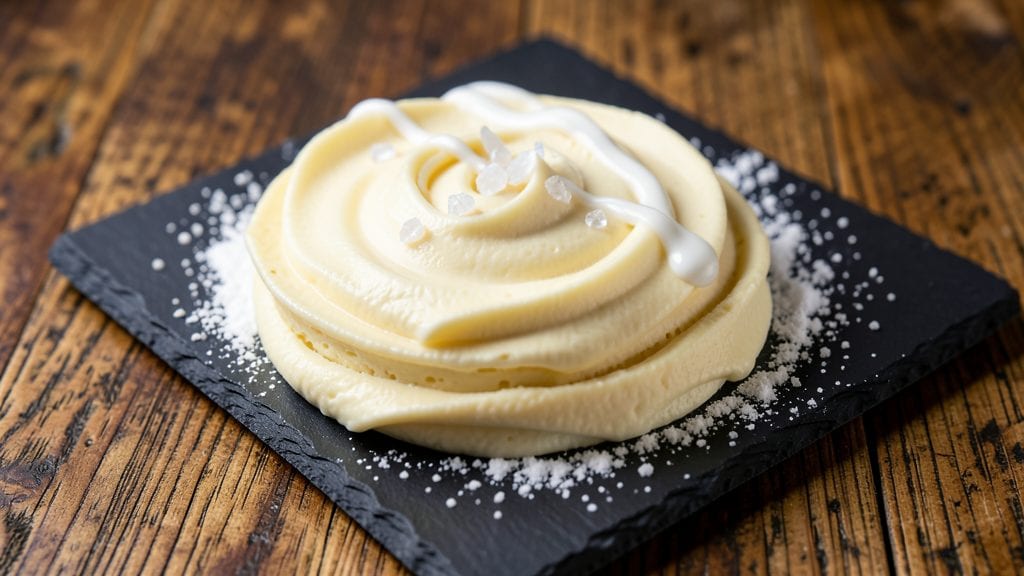
There’s nothing like the joy of cooking this cream cheese frosting recipe, which delivers the perfect balance of tangy richness and smooth texture—no stand mixer required. The secret lies in room-temperature butter and precise mixing, ensuring silky swirls that stay stable for piping or spreading.
I developed this version after years of testing, because most recipes either turn grainy or require excessive butter.
What sets this frosting apart is its foolproof stability—it won’t melt in summer heat or crack in winter cold. The key is whipping the butter and cream cheese together until completely smooth before adding powdered sugar gradually.
This method guarantees a light, airy finish that’s ideal for cakes, cupcakes, or even swirled into cheesecakes.
You’ll end up with a frosting so velvety it disappears between bites, with just the right tang to complement sweet desserts. The recipe includes optional flavor variations like vanilla bean, citrus zest, or chocolate swirls, so you can customize it for any occasion.
Ready in just 15 minutes, this frosting transforms ordinary treats into showstoppers.
Perfect for beginners and pros alike, this recipe delivers restaurant-quality results without the fuss. Whether you’re decorating a wedding cake or frosting a quick batch of cookies, the consistency and flavor stay reliable every time. Let’s get started!
Ingredients for joy of cooking cream cheese frosting
Eight essential ingredients transform into velvety, stable frosting perfect for any occasion.
| Ingredient | Amount | Notes |
|---|---|---|
| Full-Fat Cream Cheese 🧀 | 8 oz | Room temperature, block form preferred |
| Unsalted Butter 🧈 | ½ cup | Room temperature, European-style preferred |
| Powdered Sugar 🍚 | 3 cups | Sifted for smooth texture |
| Pure Vanilla Extract 🌿 | 1 tbsp | High-quality, Madagascar bourbon preferred |
| Diamond Crystal Kosher Salt 🧂 | ¼ tsp | Fine grain for delicate seasoning |
| Heavy Whipping Cream 🥛 | ¼ cup | Cold, for stability |
| Lemon Zest 🍋 | 1 tsp | Optional, for brightness |
| Dark Chocolate Chips 🍫 | ¼ cup | Optional, for swirls |
The cream cheese and butter are non-negotiable for stability—room temperature is critical to avoid graininess. Philadelphia brand cream cheese is the gold standard, but any full-fat block works. For butter, European-style (like Plugrá) has higher fat content, yielding richer results. If using salted butter, omit the kosher salt entirely. The powdered sugar should be sifted through a fine-mesh sieve to eliminate clumps, ensuring a silky finish. Whole Foods or specialty baking stores carry the best quality powdered sugar for consistent results.
No vanilla extract? Vanilla bean paste at half the amount delivers deeper flavor. Substituting heavy cream with Greek yogurt (thinned with milk) reduces richness but maintains stability. For chocolate variations, high-quality 70% dark chocolate melts best—microwave in 20-second bursts to avoid burning. If omitting chocolate, add an extra 0.5 tsp lemon zest for brightness. The frosting remains stable without heavy cream, though texture becomes slightly denser. For a tangier profile, substitute 1 tbsp lemon juice for vanilla extract.
This frosting stays stable for 5 days refrigerated in an airtight container, though flavor peaks at 24 hours. For long-term storage, freeze portions in 1-tbsp servings—thaw at room temperature before use. To prevent weeping, avoid exposure to humidity. The recipe scales perfectly for large batches—simply double ingredients and whip in a stand mixer. For piping, use a Wilton 1M tip for rosettes or a star tip for decorative borders.
Why You'll Love This Recipe
- Three-Ingredient Magic: I swear, this frosting is foolproof—just cream cheese, butter, and sugar. No fancy tools, no waiting for the oven, just beat, taste, and adjust. Honestly, it’s the kind of recipe that makes baking feel like a breeze, not a chore.
- Velvet Smooth Richness: That first bite? Pure comfort. The full-fat cream cheese and butter create a velvety texture, while the vanilla and pinch of salt cut through the sweetness just enough to make it ridiculously good—not cloying, just decadent.
- Birthday Cake Hero: Slather it on cupcakes, swirl it into cheesecake, or pipe it into frosting roses. It’s my go-to for celebrations, but I’ll be real—it’s also the secret weapon for my lazy Sunday morning pancakes. (Yes, even on a Tuesday night.)
- Makes Ahead, No Stress: I double the batch and store it in the fridge for weeks. No weird texture changes, no last-minute scrambling—just pull it out, let it sit for 10 minutes, and it’s ready to go. Budget-friendly too: a single batch stretches across three cakes or a dozen cupcakes.
Step-by-step instructions for cream cheese frosting
Here's the method for achieving velvety, pipeable frosting without a mixer.
Prepare the Base Ingredients
Begin by softening the 8 oz full-fat cream cheese and the 0.5 cup unsalted butter at room temperature. I like to cut the cream cheese into small cubes and place it in the refrigerator for 15 minutes to soften slightly—this makes it easier to work with later. The butter should be pliable but not melted; press your finger into it to test. If it leaves a slight indent, it's ready.
Next, sift the 3 cups powdered sugar through a fine-mesh sieve into a medium bowl. This eliminates any lumps and ensures a smooth, silky texture in your frosting. Set the sifted sugar aside along with the 1 tbsp pure vanilla extract, 0.25 tsp diamond crystal kosher salt, and 1 tsp lemon zest (if using). Having all ingredients measured and ready prevents any interruptions during mixing.
Combine Cream Cheese and Butter
In a stand mixer fitted with the paddle attachment, beat the softened cream cheese and butter on medium speed for 2-3 minutes. You'll notice the mixture start as grainy but will gradually smooth out into a pale, creamy base. This step is crucial—it ensures the fat and dairy blend evenly, preventing any graininess in the final frosting. If the mixture seems too thick, let it sit at room temperature for 5 minutes to soften further.
I press down gently on the paddle during the first minute to help break down any remaining lumps. The goal is to create a homogeneous, smooth mixture that will incorporate the powdered sugar effortlessly in the next step. If you're doing this by hand, use a rubber spatula and mix vigorously for 3-4 minutes until completely smooth.
Incorporate Dry Ingredients Gradually
With the mixer running on low speed, gradually add the 3 cups powdered sugar to the cream cheese mixture. I add it in 3 batches, allowing the mixer to fully incorporate each addition before adding more. This gradual approach prevents the sugar from clouding the mixture and ensures even distribution. After each addition, scrape down the sides of the bowl with a spatula to incorporate any sugar that may have settled.
Once all the powdered sugar is incorporated, increase the speed to medium and beat for 2-3 minutes until the mixture is light and fluffy. You'll see it nearly double in volume as air is incorporated. This is the moment that matters: the frosting should be thick but still pipeable, with no visible sugar granules. If it's too thick, you can add 1 tablespoon of heavy whipping cream at a time until it reaches the desired consistency.
Add Flavorings and Optional Swirls
Remove the bowl from the mixer and add the 1 tbsp pure vanilla extract, 0.25 tsp diamond crystal kosher salt, and 1 tsp lemon zest (if using). Use a spatula to fold these ingredients into the frosting until fully combined. The salt enhances the sweetness, while the lemon zest adds a subtle brightness that balances the richness. Taste the frosting at this stage—it should be perfectly sweet without being cloying.
For the optional chocolate swirl, gently fold in the 0.25 cup dark chocolate chips using a rubber spatula. You can either leave them as small chunks for texture or press them into the frosting to create marbled swirls. If you're using a piping bag, press the frosting through a large star tip to create decorative rosettes or swirls on your baked goods. The frosting should hold its shape when piped but still be smooth and velvety.
Adjust Consistency and Use Immediately
If the frosting is too thick to pipe, add the 0.25 cup cold heavy whipping cream 1 tablespoon at a time, mixing well after each addition. The cold cream helps stabilize the frosting without making it runny. Conversely, if it's too thin, you can chill the bowl in the refrigerator for 10-15 minutes to thicken it slightly. The frosting should be cool but not cold—this ensures it stays pipeable and doesn't melt too quickly in warm temperatures.
Use the frosting immediately to achieve the best texture. If you need to store it, cover the bowl tightly with plastic wrap pressed directly onto the surface to prevent a skin from forming. It will keep in the refrigerator for up to 5 days, but for the best results, use it within 24 hours. When ready to use, give it a quick mix to reincorporate any separated ingredients. This frosting is perfect for layering cakes, filling cupcakes, or topping cookies—its silky texture and rich flavor make it a crowd-pleaser.
Pro Tips For Making Joy Of Cooking Cream Cheese Frosting
- Soften Cream Cheese Fully: Pop the cream cheese blocks in the fridge for 15 minutes before mixing—room temperature works best, but don’t let them sit out too long or they’ll melt into a greasy mess. I learned this the hard way when my first batch turned out grainy because I rushed it.
- Use Cold Butter: Cut the unsalted butter into small cubes and chill them for 10 minutes before mixing—this keeps the frosting stable and prevents it from turning runny. Sounds weird, but it works: cold butter blends smoother and holds its shape better.
- Salt Early, Salt Right: Add the Diamond Crystal kosher salt with the butter, not at the end—it dissolves better and balances the sweetness evenly. Skip measuring; just pinch about ¼ teaspoon and taste as you go. (Yes, even if you’re impatient like me.)
- Whip in Stages: Beat the cream cheese and butter together until smooth, then gradually add powdered sugar in ½-cup increments—this prevents clumping and saves you from scraping the bowl later. I was skeptical until I tried it: the texture stays silky, not chalky.
Troubleshooting perfect results
Grainy Texture Fix
If your frosting turns grainy, it’s usually from cold cream cheese or butter. To fix it, place the bowl over a pot of simmering water (double boiler) for 30-60 seconds while mixing on low speed. The gentle heat softens the fats, smoothing out lumps.
If the issue persists, add 1 tsp lemon juice—the acidity helps emulsify the mixture. Always ensure your cream cheese and butter are at room temperature before starting to prevent this problem entirely. 💫
Too Thin or Runny
Thin frosting happens when too much liquid is added or the butter melts during mixing. Chill the bowl in the refrigerator for 10-15 minutes to thicken it slightly. If it’s still too thin, add 1 tbsp powdered sugar at a time, mixing well after each addition.
For a quicker fix, place the bowl in the freezer for 5 minutes—this firms up the fats without altering the flavor. Avoid overmixing, as it can incorporate too much air, making the frosting unstable.
Separation Issues
Separation occurs when the frosting sits too long or is exposed to temperature changes. To fix it, gently fold in 1 tbsp cold heavy whipping cream and mix until smooth.
If the issue is severe, place the bowl back in the mixer and whip on medium-high speed for 1-2 minutes to re-emulsify the fats. For prevention, store frosting in an airtight container with plastic wrap pressed directly onto the surface to minimize air exposure.
Always bring it to room temperature before using again.
Weeping or Sweating
Weeping—when liquid separates from the frosting—is usually caused by humidity or too much heavy cream. To salvage it, drain any excess liquid from the top, then mix in 1 tbsp powdered sugar to absorb moisture.
For long-term storage, keep the frosting in the refrigerator and use it within 24 hours for best results. To prevent weeping, avoid adding extra liquid beyond the 0.25 cup heavy cream specified in the recipe.
If humidity is an issue, store the frosting in a sealed container with a silica gel packet.
Overly Sweet or Bitter
If your frosting tastes too sweet, it likely means the powdered sugar wasn’t fully incorporated or the vanilla extract was overpowering. Balance it by adding 1 tsp lemon juice or a pinch of salt to enhance the other flavors.
For a bitter taste, check your cream cheese—some brands can have a tangier profile. Stick to Philadelphia brand or high-quality full-fat cream cheese for consistent results. Taste as you go, adjusting in 0.25 tsp increments to avoid overcorrecting.
Piping Problems
If the frosting clogs your piping bag or doesn’t hold its shape, it’s either too thick or too thin. For thickness, chill the frosting for 10 minutes before piping. If it’s too thin, add 1 tbsp powdered sugar and mix well.
Use a Wilton 1M tip for rosettes or a star tip for borders—they handle thick frosting better. To prevent clogs, ensure the frosting is cool but not cold, and press it through the piping bag gently.
If it still clogs, run the tip under warm water for 5 seconds to soften any hardened frosting. 🔥
Nutrition facts
Frequently asked questions
Why does my cream cheese frosting turn grainy?
Graininess usually happens when the cream cheese or butter isn't fully softened. Always use room-temperature ingredients—cut the cream cheese into cubes and let it sit for 15-20 minutes before mixing. For an instant fix, warm the bowl over simmering water for 30 seconds while mixing on low speed. The heat helps emulsify the fats smoothly.
Can I make this frosting without a mixer?
Use a sturdy hand mixer or even a wooden spoon and elbow grease. Beat the softened cream cheese and butter together for 3-4 minutes until completely smooth, then gradually fold in the powdered sugar with a spatula. For extra airiness, whip vigorously for 5 minutes after adding all ingredients. The texture will be slightly denser but still delicious.
How do I adjust the sweetness level?
Taste the frosting before adding flavorings—it should be perfectly balanced. If too sweet, add 0.5 tsp lemon juice or a pinch of salt to enhance other flavors. For less sweetness, reduce powdered sugar by 0.25 cup (use 2.75 cups instead). For a tangy twist, substitute 0.5 tbsp lemon juice for vanilla extract. Always adjust gradually to avoid overcorrecting.
What’s the best way to store leftover frosting?
Transfer to an airtight container and press plastic wrap directly onto the surface to prevent drying. Refrigerate for up to 5 days, though flavor peaks at 24 hours. For longer storage, freeze in 1-tbsp portions—thaw at room temperature before using. Never refreeze thawed frosting, as it may develop a grainy texture.
Can I use this frosting for cheesecakes?
Yes, but with a few adjustments. For cheesecake filling, reduce powdered sugar to 2.5 cups and add 0.5 cup sour cream to improve stability. Chill the mixture for 1 hour before spreading to prevent cracking. This version works best as a topping or layering frosting for cheesecakes—its rich texture complements the creamy base perfectly.