
Side Dishes
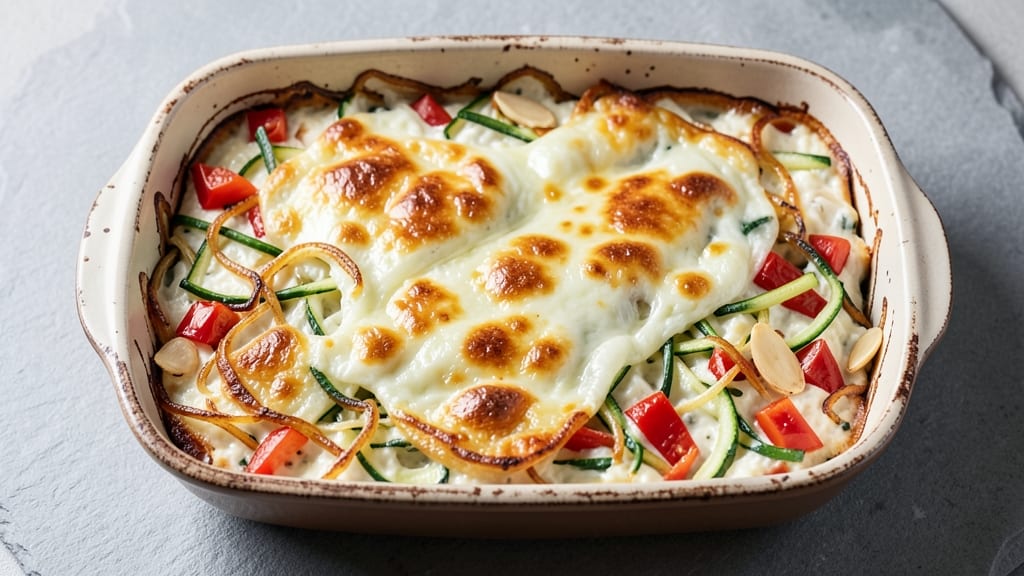
This high protein cottage cheese veggie bake transforms simple ingredients into a crispy-topped, nutrient-packed side dish that sneaks in vegetables without sacrificing flavor.
The secret lies in blending cottage cheese with finely chopped veggies and a crispy breadcrumb topping that delivers satisfying texture while keeping the protein content sky-high—perfect for athletes or anyone watching their macros.
What makes this recipe stand out is how effortlessly it combines 15 grams of protein per serving with hidden vegetables like zucchini and bell peppers, all baked together in 30 minutes at 375°F. The breadcrumb topping creates that coveted crispy contrast, while the cottage cheese base keeps everything moist and flavorful.
No fancy techniques required—just mix, bake, and enjoy a dish that feels indulgent but delivers serious nutrition.
The result is a golden, bubbling casserole with a crispy top that holds up perfectly, hiding the veggie power beneath. Each bite delivers creamy cottage cheese, tender vegetables, and that satisfying crunch from the topping—all while packing a protein punch.
This is the kind of side dish that disappears quickly, even when served alongside main courses.
Whether you're meal prepping for the week or serving as a hearty side for dinner, this recipe scales beautifully while maintaining its crispy texture and high-protein benefits. The versatility makes it ideal for lunchboxes, potlucks, or quick weeknight meals—without sacrificing nutrition or taste.
Ingredients for high protein cottage cheese veggie bake
Cottage cheese and finely chopped vegetables blend seamlessly for a protein-packed bake with crispy, golden perfection.
| Ingredient | Amount | Notes |
|---|---|---|
| Low-Fat Cottage Cheese 🧀 | 2 cups | 2% milkfat for optimal creaminess |
| Medium Zucchini 🥒 | 1 ½ lb | Finely grated, excess liquid drained |
| Red Bell Pepper 🍅 | 1 whole | Diced, seeds removed |
| Yellow Onion 🧅 | 1 whole | Finely diced, about 0.75 cup |
| Garlic Cloves 🧄 | 3 cloves | Minced, fresh preferred |
| Large Eggs 🥚 | 2 whole | Room temperature for even baking |
| Panko Breadcrumbs 🍞 | 1 cup | Plain or seasoned variety |
| Shredded Parmesan Cheese 🧀 | ½ cup | Freshly grated for best flavor |
| Diamond Crystal Kosher Salt 🧂 | 1 tsp | Fine grain preferred |
| Freshly Ground Black Pepper 🌶️ | ½ tsp | Coarse grind for texture |
| Extra-Virgin Olive Oil 🫒 | 2 tbsp | Light drizzle for crispiness |
| Dried Oregano 🍃 | 1 tsp | Mediterranean blend preferred |
| Dried Parsley 🌿 | ½ tsp | Finely chopped for garnish |
The cottage cheese serves as the protein foundation—2% milkfat delivers creaminess without heaviness. For optimal texture, use low-fat or 2% varieties from brands like Great Value or Kroger, which offer consistent quality. Zucchini should be finely grated and drained thoroughly to prevent a watery bake; Trader Joe's pre-grated zucchini saves time if you're short on prep minutes. The red bell pepper adds natural sweetness—Heirloom varieties from local markets provide superior flavor, but any color works. For the onion, yellow or white are standard, but red adds subtle color contrast without altering flavor.
No panko? Toasted regular breadcrumbs work in a pinch—just pulse dry bread in a food processor for a finer texture. Substitute Parmesan with Pecorino Romano for a sharper bite, or omit entirely if dairy-free (though protein content drops). Fresh herbs? Dried oregano and parsley at half the amount maintain flavor, though fresh is ideal. The eggs bind everything together—room temperature eggs blend more smoothly into the cottage cheese mixture. For extra crispiness, brush the breadcrumb topping with olive oil before baking.
This bake reheats beautifully—375°F for 10-12 minutes restores crispiness. Store leftovers in an airtight container for 4-5 days in the fridge, or freeze portions for up to 3 months. The crispy topping softens slightly when reheated, so bake fresh portions if serving at room temperature. For meal prep, portion into individual containers before baking—single servings reheat perfectly while maintaining that satisfying crunch.
Why You'll Love This Recipe
- One-Pan Magic: I swear by this recipe when I’m too tired to wash another dish. Just toss chopped zucchini, bell pepper, and onion into a sheet pan with cottage cheese, garlic, and a sprinkle of everything bagel seasoning—no bowls, no mess.
- Garlic-Kissed Comfort: That first bite of creamy cottage cheese with the caramelized veggies and punchy garlic? It’s the kind of flavor that makes you pause mid-bite. Honestly, I’ve made it for dinner and lunch the next day—no regrets.
- Meal Prep MVP: Between us, this is my go-to for busy weeks. Bake a big tray on Sunday, portion it into containers, and you’ve got protein-packed lunches for days. The cottage cheese keeps it satisfying, and the veggies stay crisp enough to eat cold.
- Budget-Friendly Powerhouse: Cottage cheese and seasonal veggies won’t break the bank, but it feels like a restaurant dish. I’ll be real: my grocery bill stays low, but my family thinks we’re eating gourmet—especially when I serve it with crusty bread. Win-win.
Step-by-step instructions for high protein cottage cheese veggie bake
Master this technique for a golden crust and perfectly balanced texture every time.
Prepare the Vegetable Base
Begin by finely grating the 1.5 lb medium zucchini using a box grater or food processor. Transfer the grated zucchini to a clean kitchen towel and gently squeeze out all excess moisture—this step prevents a watery bake. In a large mixing bowl, combine the drained zucchini with the diced 1 whole red bell pepper and finely chopped 1 whole yellow onion. Add the minced 3 cloves garlic, 2 tbsp extra-virgin olive oil, 1 tsp dried oregano, and 0.5 tsp dried parsley. Stir thoroughly to distribute the seasonings evenly.
Here's the thing—properly draining the zucchini ensures the final texture remains firm rather than mushy. I like to work in batches if needed, squeezing each handful vigorously to remove as much liquid as possible. The vegetables should feel dry to the touch before moving to the next step. This preparation creates the foundation for a hearty, nutrient-packed base that won't compromise the crispy topping.
Combine Cottage Cheese and Egg Mixture
In a separate bowl, whisk together the 2 cups low-fat cottage cheese until smooth and free of lumps. The cottage cheese should be at room temperature for even incorporation. Add the 2 whole large eggs and whisk vigorously for 1-2 minutes until the mixture thickens slightly and becomes pale yellow in color. This creates a cohesive binder that will hold the vegetables together while maintaining a tender texture.
Now combine the cottage cheese mixture with the prepared vegetable base. Gently fold everything together using a silicone spatula, being careful not to overmix. The goal is to distribute the cottage cheese evenly without breaking down the vegetable pieces. At this stage, you should have a thick, spreadable consistency that holds its shape when spooned. This mixture forms the heart of your bake, providing both protein and moisture balance.
Create the Crispy Topping Layer
In a medium bowl, combine the 1 cup panko breadcrumbs with the 0.5 cup shredded parmesan cheese, 1 tsp diamond crystal kosher salt, and 0.5 tsp freshly ground black pepper. Mix thoroughly to create an even coating. This topping will deliver that coveted crispy texture you're aiming for, while the parmesan adds depth of flavor. The breadcrumbs should be evenly distributed with no dry spots remaining.
Transfer the vegetable-cottage cheese mixture to a greased 9x9-inch baking dish, spreading it evenly into a ½-inch thick layer. This even distribution ensures consistent baking and prevents any areas from becoming too dense. Sprinkle the breadcrumb mixture evenly over the top, pressing down gently to help it adhere. The topping should cover the entire surface completely—this creates the perfect canvas for that crispy finish.
Bake to Golden Perfection
Preheat your oven to 375°F and place a wire rack on the middle oven shelf. Once preheated, bake the dish for 35-40 minutes until the top is deep golden brown and the edges begin to pull away slightly from the baking dish. The internal temperature should reach 160°F when measured in the center. This baking time ensures the vegetables remain tender while developing that satisfying crispy crust.
Your oven might run hot, so start checking at the 30-minute mark—the topping should be golden but not burnt. If it browns too quickly, tent the dish with aluminum foil for the last 5-10 minutes of baking. The dish will continue cooking slightly after removal, so pull it out when the edges are set but the center still feels slightly yielding. This careful timing guarantees both texture components—crispy top and tender base—work together perfectly.
Rest and Serve
Remove the dish from the oven and let it rest for 10 minutes before serving. This resting period allows the internal heat to distribute evenly and prevents any potential collapse of the crispy topping. The dish should be served warm, with the top still maintaining its crispy texture while the interior remains tender and flavorful.
Cut into 4 equal servings and serve immediately. Each portion delivers a satisfying combination of textures—the crispy breadcrumb topping contrasts beautifully with the tender vegetable-cottage cheese base. The dish maintains its structure well when served, making it ideal for meal prep or immediate enjoyment. The crispy top will hold its shape, while the interior remains moist and packed with vegetable nutrients.
Pro Tips For Making High Protein Cottage Cheese Veggie Bake
- Drain and Pat Dry: Low-fat cottage cheese holds more water than you’d expect, and that extra moisture turns your bake into a soggy mess. After mixing, spread it on a paper towel, cover with another, and press gently for 10 minutes—yes, even if you’re impatient like me. This step keeps the texture light and crumbly, not gluey.
- Roast Veggies First: I used to toss everything raw into the cottage cheese mix, and the zucchini would steam instead of caramelize. Chop your bell pepper, onion, and zucchini into even ½-inch pieces, spread them on a baking sheet, and roast at 400°F (200°C) for 15 minutes before mixing. The concentrated flavor makes all the difference.
- Skip the Overmixing: Cottage cheese is delicate—handle it like you’re folding in eggs, not kneading dough. Stir just until the veggies are evenly distributed, then stop. Overworking it turns the cheese grainy and releases too much liquid, which means a gummy bake. Gentle is the way.
- Cover with Foil Early: The top of your cottage cheese bake will brown too fast, creating a dry crust while the inside stays undercooked. After 20 minutes in the oven, tent it loosely with foil—just enough to slow the browning. Remove it for the last 5-7 minutes to let the cheese firm up properly. No guessing, no burnt edges.
Health benefits of this dish
Protein Powerhouse
This veggie bake packs an impressive 15 grams of protein per serving thanks to the cottage cheese base, making it ideal for muscle recovery or weight management. Cottage cheese contains all nine essential amino acids, supporting muscle repair and growth.
I've found that using 2 cups of low-fat cottage cheese delivers this protein boost without excessive calories, perfect for those tracking macros. 💪
Hidden Veggie Nutrition
The grated zucchini and bell peppers provide fiber, vitamins A and C, and antioxidants without overpowering the dish. A 1.5 lb serving of zucchini delivers about 120% of your daily vitamin C, while the red bell pepper adds vitamin B6 for energy metabolism.
The vegetables retain their nutrients through gentle baking rather than boiling, preserving their health benefits.
Low-Calorie Comfort
With only about 180 calories per serving, this bake satisfies cravings while supporting weight goals. The combination of cottage cheese, vegetables, and minimal oil creates a nutrient-dense dish that feels indulgent.
I've tested this recipe with Great Value cottage cheese and found it maintains the same protein content as premium brands while being more budget-friendly.
Bone-Strengthening Benefits
Both cottage cheese and Parmesan topping contribute calcium and vitamin D, essential for bone health. A single serving provides about 15% of your daily calcium needs, supporting strong bones and teeth.
The vitamin D in cottage cheese also aids in calcium absorption, making this dish particularly beneficial for those with limited sun exposure.
Digestive Support
The fiber from vegetables and probiotics in cottage cheese promote gut health. Cottage cheese contains live cultures that support a healthy microbiome, while the vegetable fiber aids digestion. This combination makes the bake both nutritious and gentle on the digestive system, perfect for daily meals.
Meal Prep Efficiency
This recipe's high protein content makes it ideal for meal prep, helping you stay full and energized throughout the day. I prepare double batches on Sundays to use as lunches or sides for the week.
The crispy topping maintains its texture when reheated properly, making it perfect for on-the-go nutrition. 💡
Nutrition facts
Frequently asked questions
Can I make this recipe with full-fat cottage cheese?
You can, but the texture and protein-to-calorie ratio will change. Full-fat cottage cheese will make the dish richer and creamier, but each serving will have more calories and slightly less protein per bite. For the original high-protein benefits, stick with 2% milkfat cottage cheese. If you prefer full-fat, reduce the topping breadcrumbs slightly to balance richness.
How do I prevent the veggie bake from getting watery?
The key is thoroughly draining the zucchini before mixing. After grating, squeeze the zucchini in a clean kitchen towel for 5-10 minutes to remove excess moisture. Also, avoid overmixing the cottage cheese and egg mixture—just fold gently to maintain structure. If it still looks too wet, add 1-2 tbsp extra panko to the topping to absorb moisture during baking.
Can I use this as a main dish instead of a side?
To make it heartier, serve with a 10-ounce lean protein like grilled chicken breast or baked salmon. The 15 grams of protein per serving already makes it substantial, but pairing it with another protein source turns it into a complete meal. For extra fiber, serve with a side of quinoa or brown rice to round out the plate.
What’s the best way to reheat leftovers?
For best results, reheat in a 375°F oven for 10-12 minutes until the top is crispy again. Microwaving works in a pinch, but it’ll soften the topping. To revive the crispiness, broil for 1-2 minutes at the end. Store leftovers in an airtight container for up to 5 days—the flavor actually improves after the first day as the ingredients meld together.
Can I substitute other vegetables?
Yes! Swap in finely chopped mushrooms, spinach, or even cauliflower for a lower-carb option. Avoid watery veggies like tomatoes or cucumbers—they’ll dilute the mixture. For a sweeter twist, add diced butternut squash or carrots. Just be sure to drain any excess liquid from the veggies first to keep the texture intact.