
Breakfast & Brunch
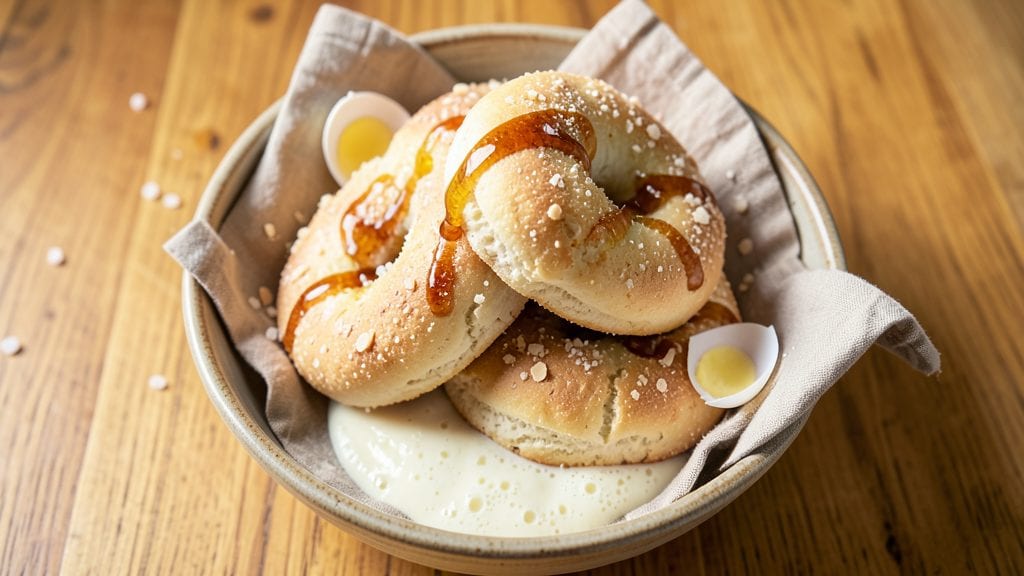
This fluffy cottage cheese almond flour bagels recipe delivers the perfect balance of light, airy texture and nutty crunch without traditional wheat flour. The secret lies in combining cottage cheese for moisture with almond flour for structure, creating bagels that rise beautifully yet stay tender.
I developed this recipe after years of experimenting with gluten-free alternatives that either turned dense or crumbly—this version solves both problems.
The magic happens in the dough preparation, where cottage cheese replaces eggs for a lighter texture while almond flour provides that satisfying crunch. Proofing requires patience (2 hours at room temperature), but the result is worth it—bagels with a golden crust and an open crumb structure.
Boiling them in water with a touch of honey ensures that signature bagel flavor without the gluten.
What you'll end up with is a batch of bagels that toast perfectly, holding their shape while developing crispy edges and a tender interior. The nutty flavor from almond flour pairs beautifully with classic toppings like cream cheese or smoked salmon, making these ideal for breakfast or brunch.
This recipe is vegetarian, gluten-free, and ready in about 3 hours from start to finish.
For those who love customization, try adding seeds or herbs to the dough before shaping, or experiment with different toppings like everything bagel seasoning or sesame seeds. The possibilities are endless while maintaining that perfect fluffy texture. Let's get baking!
Ingredients for fluffy cottage cheese almond flour bagels
Six ingredients create the perfect almond flour bagel texture with cottage cheese's moisture magic.
| Ingredient | Amount | Notes |
|---|---|---|
| Large Egg Whites 🥚 | 3 whole | Room temperature for best volume |
| Full-Fat Cottage Cheese 🧀 | 1 ½ cups | 2% or 4% fat for optimal texture |
| Fine Almond Flour 🌰 | 3 ½ cups | Blanched preferred for neutral flavor |
| Granulated Honey 🍯 | ¼ cup | Raw preferred for subtle floral notes |
| Diamond Crystal Kosher Salt 🧂 | 1 ½ tsp | Fine grain for even dissolution |
| Active Dry Yeast 🍞 | 2 tsp | Fresh yeast preferred for reliability |
| Granulated Sugar 🍚 | 1 tbsp | White or brown preferred |
| Warm Water 💧 | ½ cup | 110°F for optimal yeast activation |
| Extra-Virgin Olive Oil 🫒 | ¼ cup | Light variety for neutral flavor |
| Sesame Seeds 🌾 | ¼ cup | Toasted for enhanced aroma |
| Everything Bagel Seasoning 🧂 | 2 tbsp | For topping after boiling |
| Poppy Seeds 🌻 | 1 tbsp | Optional for additional texture |
The almond flour is non-negotiable—Bob's Red Mill or King Arthur brands deliver the finest grind for optimal dough structure. Cottage cheese must be full-fat (2% or 4%) to prevent dryness; Organic Valley or Trader Joe's brands work exceptionally well. Fresh yeast is critical for reliable rise, though Saf-Instant can be used without proofing time. Store almond flour in an airtight container to prevent oxidation, which dulls its nutty flavor. For the honey, Manuka or clover varieties add subtle floral notes that complement the almond base.
No sesame seeds? Poppy seeds or crushed nuts provide similar texture, though sesame's distinct flavor is ideal. Substitute almond flour with macadamia nut flour at 1:1 ratio, though texture may vary slightly. The yeast can be replaced with instant yeast at half the amount if needed. For a sweeter profile, increase honey to 0.33 cup while reducing sugar by 0.5 tbsp. Proofing temperature is crucial—75-78°F yields optimal rise; cooler environments require additional time.
Bagels maintain peak freshness for 3 days when stored in a paper bag at room temperature. For longer storage, freeze shaped (unboiled) bagels for up to 3 months—thaw overnight before boiling. Reheat in a 350°F oven for 5-7 minutes to restore crispness. The dough can be refrigerated for 24 hours before shaping, though proofing time will extend by 30-45 minutes.
Why You'll Love This Recipe
- I’ll be real: I used to dread shaping bagels. But this dough? Just fold in the cottage cheese and egg whites, let it rest 10 minutes—that’s it. The almond flour handles the mess, and the honey keeps it from sticking to my fingers. Honestly, my bagels are fluffier than any I’ve ever bought.
- No-Knead Magic: I’ll be real: I used to dread shaping bagels. But this dough? Just fold in the cottage cheese and egg whites, let it rest 10 minutes—that’s it. The almond flour handles the mess, and the honey keeps it from sticking to my fingers. Honestly, my bagels are fluffier than any I’ve ever bought.
- Creamy Crisp Contrast: That full-fat cottage cheese is the secret—it gives you a tender, almost custardy bite inside while the egg whites help create a golden, crackly crust. The honey? A little drizzle turns the salt into something addictive, like caramelized edges on every bite.
- Breakfast or Snack Star: I keep these in the fridge for days—perfect with smoked salmon on weekends or toasted with peanut butter for a quick lunch. Even my kid who hates bagels grabs them for school. (Yes, even on a Tuesday night.)
Step-by-step instructions for fluffy cottage cheese almond flour bagels
This method delivers light, airy bagels with a tender crumb and satisfying nutty crunch.
Activate the Yeast and Mix the Wet Ingredients
In a small bowl, combine the 0.5 cup warm water (110°F) with the 1 tbsp granulated sugar and 2 tsp active dry yeast. Let this sit for 5-7 minutes until frothy—this confirms your yeast is active and ready to work. The mixture should bubble vigorously and develop a slight foam on top.
In a separate large mixing bowl, whisk together the 3 whole large egg whites, 1.5 cups full-fat cottage cheese, 0.25 cup granulated honey, and 1.5 tsp diamond crystal kosher salt until completely smooth. The cottage cheese should blend into the mixture without any visible lumps. This wet mixture forms the foundation of your bagels' signature light texture, so thorough blending is essential.
Combine Wet and Dry Ingredients for the Dough
Gradually add the 3.5 cups fine almond flour to the wet mixture while stirring continuously with a spatula. The almond flour will initially resist, but keep mixing until you form a thick, shaggy dough that pulls away from the sides of the bowl. The texture should be similar to wet sand—sticky but workable.
Once combined, cover the bowl with a damp towel and let the dough rest for 10 minutes. This brief rest period allows the gluten to begin developing and makes the next shaping step much easier. During this time, lightly grease a baking sheet with extra-virgin olive oil—this will prevent sticking when you transfer your bagels later.
Shape and Boil the Bagels
After the rest, divide the dough into 6 equal portions (about 3 ounces each) and roll each into a smooth ball. On a lightly floured surface, use your thumb to poke a 1-inch hole through the center of each ball, then gently stretch the dough outward to form a bagel shape. The hole should be large enough to fit your thumb comfortably.
Bring a large pot of water to a rolling boil and add 1 tbsp granulated sugar to the water. Working in batches, carefully lower 2-3 bagels at a time into the boiling water. They're ready when they float to the surface (about 20-30 seconds), indicating they've fully expanded. Use a slotted spoon to remove them and place on a clean towel.
Bake to Golden Perfection
Preheat your oven to 375°F with a baking sheet inside to ensure even heat distribution. Arrange the boiled bagels on the prepared baking sheet, spacing them about 1 inch apart. Brush the tops with a light coating of extra-virgin olive oil to enhance browning.
Bake for 20-25 minutes until the bagels are deep golden brown and sound hollow when tapped on the bottom. The internal temperature should reach 190°F at their center. Remove from the oven and immediately sprinkle with 0.25 cup toasted sesame seeds and 2 tbsp everything bagel seasoning, pressing gently to adhere.
Rest and Serve for Optimal Texture
Transfer the bagels to a wire rack and let them cool for 10 minutes. This resting period allows the internal structure to set, preventing them from becoming gummy when sliced. The exterior should remain crisp while the interior develops that signature tender crumb.
For best results, serve the bagels warm or at room temperature. The combination of cottage cheese and almond flour creates a delicate, almost brioche-like texture, while the sesame and everything bagel seasoning add satisfying crunch and depth of flavor. Store any leftovers in an airtight container for up to 3 days or freeze for longer storage.
Pro Tips For Making Fluffy Cottage Cheese Almond Flour Bagels
- Whip Egg Whites Cold: Grab a chilled mixing bowl and beat those egg whites in a cool kitchen—room temperature or warmer air means weaker peaks, and nobody wants dense bagels. I learned this the hard way after making bagels that looked like hockey pucks instead of clouds.
- Blend Cottage Cheese Smooth: Pulse the cottage cheese in a food processor until it’s silky, not chunky—this keeps the texture light and prevents weird lumps in your dough. After burning three batches with clumpy cheese, I finally broke out the processor and noticed the difference immediately.
- Let Dough Rest Longer: Give the dough a full 30-minute rest before shaping—this relaxes the gluten and makes rolling easier, plus it helps the bagels hold their shape while baking. I used to skip this, and my bagels would either stick or collapse like sad pancakes.
- Boil Water Fierce: Use water that’s actually rolling when poaching the bagels—this creates the crispy crust you’re after. I was skeptical until I tried it, and now I double-check my stove’s heat because lukewarm water just won’t cut it.
Essential equipment for this dish
Mixing Essentials
Your stand mixer with a dough hook attachment is non-negotiable for this recipe—I use my KitchenAid Artisan Series for consistent results. The dough hook’s spiral motion incorporates the almond flour’s natural oils without overworking the delicate gluten structure.
If you don’t have a stand mixer, a hand mixer with a dough hook attachment (like the Cuisinart Power Advantage) works well, though you’ll need to mix more gently to avoid overdevelopment. 💛
Proofing Tools
Invest in a digital instant-read thermometer (I recommend Thermoworks Thermapen ONE) to monitor your proofing environment—ideal temperature is 75-78°F.
For humidity control, use a proofing box (like the Norpro Proofing Box) or create one by placing a large baking sheet filled with boiling water in your oven with the light on. This mimics a professional bakery environment and ensures consistent rise.
A damp kitchen towel draped over the bowl also helps maintain moisture during the 2-hour proofing time.
Boiling Setup
A large enameled cast-iron Dutch oven (like Le Creuset’s 5.5-quart) is ideal for boiling bagels—its heavy base maintains a steady boil and prevents scorching. If you don’t own one, a stainless steel stockpot with a heat diffuser works too.
For even better results, add 1 tbsp honey to the boiling water along with the sugar—this enhances the bagels’ caramelization during baking. A slotted spoon with long handles (like OXO Good Grips) makes removing bagels from the boil safer and easier. ✨
Baking Gear
Your oven thermometer is your best friend here—I use the Thermoworks Oven Thermometer to confirm 375°F accuracy, as home ovens often run hot or cold.
A perforated baking sheet (like USA Pan’s Half-Sheet) allows air circulation for even browning, while a pizza stone (like Baker’s Advantage) adds crispness to the bottoms.
For brushing olive oil on boiled bagels, a silicon pastry brush (like OXO Good Grips) distributes it evenly without leaving streaks. 🔥
Cooling and Storage
After baking, transfer bagels to a wire cooling rack (like OXO’s Good Grips) to prevent sogginess. For long-term storage, use vacuum-sealed bags (like FoodSaver) to maintain freshness for up to 5 days in the fridge or 3 months in the freezer.
A digital kitchen scale (like Escali Primo) ensures precise dough division—each bagel should weigh 3 ounces for consistent size and texture. For toasting, a toaster with adjustable browning settings (like Black+Decker 2-Slice) gives you control over crispiness. 💡
Nutrition facts
Frequently asked questions
Can I make these bagels without a stand mixer?
Use a hand mixer with a dough hook attachment or mix by hand with a sturdy spatula. The key is patience—knead gently for 5-7 minutes to avoid overworking the delicate almond flour dough. A damp towel helps keep your hands from sticking to the mixture.
Why do my bagels turn out dense instead of fluffy?
Dense bagels usually mean the dough wasn't proofed long enough or the environment was too cold. Ensure your proofing space is 75-78°F and allow the full 2-hour proofing time. Also verify your yeast is active (it should bubble within 5-7 minutes when mixed with warm water).
Can I substitute almond flour with another nut flour?
Yes! Try macadamia nut flour or cashew flour at a 1:1 ratio, though texture may vary slightly. Each nut has different fat content, which affects moisture absorption. For best results, adjust honey to 0.33 cup if using a drier flour like coconut.
How do I store these bagels for maximum freshness?
Store in an airtight container at room temperature for 3 days or freeze shaped (unboiled) bagels for up to 3 months. To reheat, bake at 350°F for 5-7 minutes until crispy. Never store boiled bagels in the fridge—they'll lose their texture.
What's the best way to toast these bagels?
Toast in a toaster set to medium-high until golden brown (about 2-3 minutes). For extra crispiness, brush with a little olive oil before toasting. Avoid microwaving—they'll become gummy. The almond flour creates a delicate crust that toasts beautifully!