
Appetizers
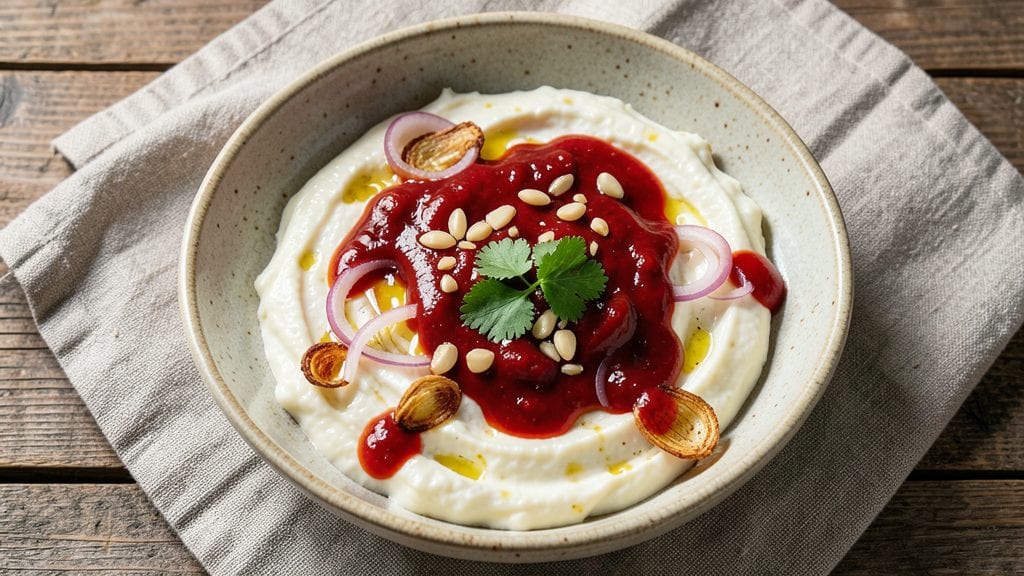
This Bhutanese datshi cheese recipe delivers the bold, spicy heat that defines Bhutanese cuisine—where dried cheese and fiery chilies create a dish so addictive, it’s become a national staple.
The process begins with soaking dried cheese until it softens into a crumbly, tangy base, then blending it with fresh chilies into a thick, aromatic paste that’s both comforting and intensely flavorful.
I first discovered datshi during a trip to Bhutan, where it’s served alongside rice at nearly every meal, and its perfect balance of heat and richness has stayed with me ever since.
The key to authentic datshi lies in the cheese—traditionally made from yak milk, though cow’s milk cheese works well—and the fresh red chilies, which provide the signature heat. No special equipment is needed beyond a blender and a heavy-bottomed pot, making this recipe surprisingly accessible for its bold flavors.
The cooking process transforms simple ingredients into a dish that’s rich, slightly tangy, and packed with chili-driven warmth, all while maintaining a thick, spreadable consistency that clings to every bite.
What you’ll end up with is a dish that’s as satisfying as it is complex—a thick, velvety cheese-chili blend that’s spicy enough to clear sinuses but balanced enough to enjoy with every spoonful. The aroma alone will transport you to the Himalayan foothills, where datshi is a beloved comfort food.
Serve it steaming hot alongside steamed rice, and you’ll understand why this dish holds such a special place in Bhutanese culture.
For those who prefer to dial down the heat, adding a touch of cream or yogurt at the end creates a smoother texture while mellowing the chilies—though purists insist the traditional version is best.
Whether you’re introducing Bhutanese flavors to your table or simply craving a spicy, hearty dish, this recipe delivers restaurant-quality results with minimal effort. Let’s get cooking!
Ingredients for datshi cheese
Four ingredients transform into Bhutanese datshi's bold, spicy, velvety heat.
| Ingredient | Amount | Notes |
|---|---|---|
| Dried Bhutanese Cheese (or Cow's Milk Cheese) 🧀 | 1 ½ cups | Traditional yak cheese or crumbled cow's milk cheese |
| Fresh Red Chilies 🌶️ | 8 whole | Bird's eye or Thai chilies for authentic heat |
| Garlic Cloves 🧄 | 6 cloves | Peeled and roughly chopped |
| Onion 🧅 | 1 whole | Medium, roughly chopped |
| Vegetable Oil 🫒 | ½ cup | For frying onions and garlic |
| Water 💧 | 2 cups | For soaking dried cheese |
| Salt 🧂 | 1 tsp | Adjust to taste |
| Heavy Cream (or Yogurt) 🥛 | ¼ cup | Optional for smoother texture |
| Steamed White Rice 🍚 | 2 cups | For serving, cooked separately |
| Fresh Cilantro 🌿 | ¼ cup | Chopped, for garnish |
The cheese is the heart of datshi. Traditional yak cheese is ideal, but cow's milk cheese like cheddar or Gouda works too—just make sure it's crumbly and aged. I grab mine from Indian or Bhutanese specialty stores when possible, but Costco's pre-shredded cheddar (the good stuff, not the pre-shredded kind) is a solid backup. The chilies? Bird's eye or Thai chilies are essential for that signature heat—none of that mild bell pepper nonsense. Look for them at Asian markets or the international aisle at Whole Foods. Fresh garlic and onion are pantry staples, but if you're short on time, jarred minced garlic (the kind without oil) works in a pinch.
No fresh chilies? Red pepper flakes or cayenne can substitute, but you'll lose that authentic smoky depth. The cheese needs to soak in water for at least 30 minutes—longer if it's extra dry. For extra richness, toast the garlic and onion in oil until golden before blending. The cream or yogurt is optional but smooths out the heat if you're serving it to chilies-sensitive folks. I always keep a small bag of frozen chilies in the freezer for when fresh ones aren't available—they work just as well once thawed.
Datshi keeps for 5 days in the fridge, sealed tightly in a jar. The heat actually intensifies over time, so it's perfect for meal prep. Freeze portions for up to 3 months if you're not using it all at once. I like to portion it into small containers—one for each meal—so it's ready to reheat with rice whenever I crave that Himalayan kick. The aroma alone will make your kitchen smell like a Bhutanese restaurant, and trust me, that's a good thing.
Why You'll Love This Recipe
- Fewer Ingredients, Bigger Impact: I swear by this—just five things: cheese, chilies, garlic, onion, and oil. That’s it. No fancy pantry raids, no last-minute grocery runs. Honestly, if I forget something, I’ll still make it with what’s there.
- Spicy Cheese Magic: The way the dried cheese melts into a rich, gooey blanket while the chilies add that just-right kick—it’s like a warm hug for your taste buds. (Yes, even on a Tuesday night.)
- Leftover Goldmine: This stuff tastes better the next day. I’ll make a big batch, let it cool, and pack it for lunches—no reheating needed. My coworkers think I’m a genius.
- Budget-Friendly Staple: Dried cheese lasts forever, and a few chilies go a long way. I stretch this into breakfasts, snacks, or even a quick dinner. My wallet stays happy, and so does my stomach.
Step-by-step instructions for datshi cheese recipe
Here's the straightforward method to create this iconic Bhutanese dish with bold flavors.
Soak and Prepare the Dried Cheese
Place the 1.5 cups dried Bhutanese cheese (or cow's milk cheese) in a bowl and pour over the 2 cups water. Let it soak for 30 minutes, stirring occasionally until the cheese breaks down into a thick, crumbly paste. You'll know it's ready when it resembles a soft, spreadable consistency—it should still hold its shape but be much softer than when you started.
If you're using cow's milk cheese, you might need to add an extra ½ cup water to achieve the same texture. The cheese should be completely saturated but not watery. Drain any excess water through a fine-mesh strainer, pressing gently to remove moisture while keeping the cheese intact. This step is crucial—properly hydrated cheese ensures the perfect balance of creaminess and texture in your final dish.
Fry the Onions and Garlic
Heat the 0.5 cup vegetable oil in a large skillet over medium heat. Add the 1 whole onion, chopped, and cook for 8-10 minutes until the onions turn a deep golden brown and are crispy around the edges. You'll notice the onions caramelizing and releasing their sweet aroma—this is when they're ready for the next step.
Reduce the heat to medium-low and add the 6 cloves garlic cloves, roughly chopped. Cook for an additional 2-3 minutes until the garlic is fragrant but not burnt. The garlic should be golden, not dark brown—burnt garlic will make the dish bitter. Remove the skillet from heat and set it aside for now. The onions and garlic will form the flavor base of your datshi.
Combine Cheese, Chilies, and Aromatics
In the same skillet (with the fried onions and garlic still in it), add the 8 whole fresh red chilies. If using bird's eye or Thai chilies, leave them whole for maximum heat. Cook for 1-2 minutes until the chilies soften slightly and release their oils. This step infuses the dish with authentic spice—don't skip it, even if you're sensitive to heat.
Add the prepared cheese mixture to the skillet and stir well to combine. Cook over low heat for 5-7 minutes, stirring constantly, until the cheese melts into a thick, creamy sauce. If the mixture looks too dry, add 1-2 tablespoons water at a time until it reaches a smooth, spreadable consistency. The sauce should coat the back of a spoon without being too runny. Taste and adjust seasoning with the 1 tsp salt—this is where you can tweak the flavor to your preference.
Finish with Cream and Garnish
Remove the skillet from heat and stir in the 0.25 cup heavy cream (or yogurt). This step adds a luxurious creaminess that balances the spicy heat. Stir well to incorporate completely—you'll see the sauce become even smoother and richer. If you're using yogurt, the texture will be slightly tangier, which pairs beautifully with the cheese and chilies.
Garnish with the 0.25 cup fresh cilantro, chopped, and serve immediately over the 2 cups steamed white rice. The cilantro adds a bright, fresh contrast to the rich, spicy cheese. For an extra touch, sprinkle a pinch of salt on top right before serving to enhance the flavors. The dish is best enjoyed fresh while the rice is still warm and the cheese sauce is at its creamiest.
Pro Tips For Making Datshi Cheese
- Soak the Cheese Right: Dried Bhutanese cheese needs a proper soak—don’t just toss it in water and walk away. Use warm water (not boiling) and let it sit for 20-30 minutes, stirring once. The cheese should break apart easily; if it’s still rubbery, give it another 10 minutes. I learned this the hard way when my first batch turned out grainy because I rushed it.
- Char the Onions Low: Skip the high-heat blistering—slow-cook the onions on medium-low until they’re deep golden and caramelized, about 12-15 minutes. This builds sweetness that balances the heat later. I used to burn them, and the dish always tasted raw. Trust the process—your future self will notice the difference.
- Mash, Don’t Blend, the Chilies: Crush the fresh red chilies with the flat side of your knife before adding them to the oil. This releases more capsaicin and prevents clumping. If you blend them, you’ll end up with a paste that sticks to the cheese like glue—messy and uneven. Do it by hand; it takes 30 seconds and makes all the difference.
- Finish with Garlic Heat: Add the minced garlic last, right when the cheese is just about to come together. Cook it for no more than 30 seconds—just until fragrant, or it’ll turn bitter. I was skeptical until I tried it: the garlic stays bright and sharp, cutting through the richness instead of fighting it. Yes, even if you’re impatient like me.
Best sauces and condiments for this datshi cheese
Spicy Chili Oil
Elevate your datshi with a drizzle of homemade chili oil—infused with 2 tbsp whole bird’s eye chilies, ½ cup neutral oil, and a pinch of salt. Heat the oil in a small saucepan over low heat for 10-15 minutes, then strain through a fine-mesh sieve.
The oil’s smoky depth complements the dish’s heat and richness. I like to drizzle it over the finished datshi just before serving—it adds a luxurious sheen and another layer of spice. 🌶️
Creamy Yogurt Drizzle
For a cooling contrast, blend ½ cup plain yogurt with 1 tsp roasted cumin powder and a pinch of salt until smooth. Drizzle this over your datshi before serving to mellow the heat while adding a tangy, creamy element.
The yogurt’s acidity cuts through the cheese’s richness, balancing the dish beautifully. Store any leftovers in an airtight container for up to 3 days in the fridge.
Garlic-Infused Butter
Melt 2 tbsp unsalted butter with 3 minced garlic cloves in a small pan over low heat until the garlic turns golden. Stir in ½ tsp red pepper flakes for extra heat, then drizzle this fragrant butter over the datshi just before eating.
The butter adds a velvety richness, while the garlic and chili flakes deepen the dish’s complexity. This is a Bhutanese restaurant trick that takes your homemade datshi to the next level. 🧈
Fresh Herb Garnish
Brighten your datshi with a final sprinkle of chopped cilantro and thinly sliced green onions. The cilantro’s freshness contrasts the spicy cheese, while the onions add a crisp, oniony bite.
For an extra layer of flavor, toss the herbs with a pinch of salt and 1 tsp lime juice before garnishing. This step is simple but transforms the dish from hearty to restaurant-worthy.
Pickled Onion Topping
Quick-pickle ½ cup thinly sliced red onions in ¼ cup rice vinegar, 1 tsp sugar, and ½ tsp salt for 15 minutes. Drain and pat dry, then scatter over the datshi before serving.
The tangy crunch cuts through the cheese’s richness and adds a refreshing contrast. This topping is especially great if you’re serving datshi with rice—it adds texture and acidity that balances the dish perfectly. 🥬
Nutrition facts
Frequently asked questions
What kind of cheese works best for datshi?
Traditional yak cheese is ideal, but aged cow's milk cheddar or Gouda makes a great substitute. Look for crumbly, dry varieties that can absorb moisture well. Avoid pre-shredded cheese—the anti-caking agents prevent proper texture. For extra authenticity, check Bhutanese or Indian specialty stores for dried cheese blocks.
How do I adjust the heat level in datshi?
Start with 4-6 whole bird's eye chilies for mild heat, or 8-10 for intense spice. Remove seeds for less heat, or leave them intact for maximum kick. For a milder version, stir in 2-3 tablespoons yogurt at the end. Never remove the chilies entirely—they're essential for authentic flavor!
Can I make datshi without fresh chilies?
Yes! Use 1-2 tablespoons red pepper flakes (for mild heat) or 1 teaspoon cayenne powder (for intense heat). For smoky depth, add ½ teaspoon smoked paprika. Frozen chilies work too—thaw and drain them first. The texture will be slightly different but still delicious.
Why does my datshi turn out too dry?
This usually happens when the cheese doesn't soak long enough or you cook it too long. Always soak cheese for at least 30 minutes and cook on low heat while stirring constantly. If needed, add 1-2 tablespoons water at a time until smooth. The sauce should coat the back of a spoon without being runny.
How long does homemade datshi last?
Store in an airtight container in the fridge for 5-7 days. The heat actually intensifies over time! For longer storage, freeze portions for up to 3 months. Thaw overnight in the fridge before reheating. The texture may separate slightly when frozen—just stir well to restore creaminess.