
Sauces & Condiments
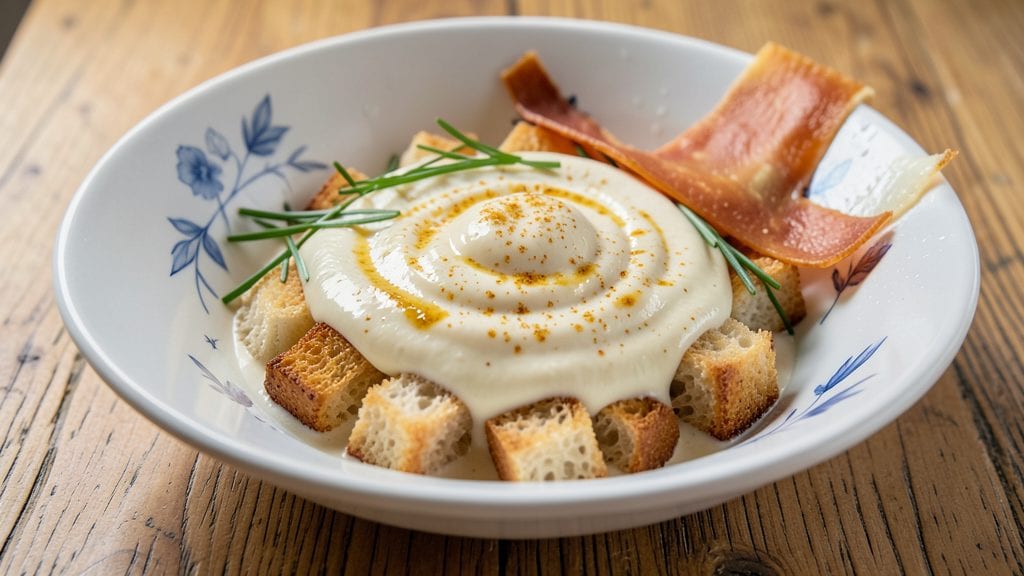
This creamy cheddar cheese sauce recipe delivers velvety perfection without a single roux—no flour, no lumps, just rich, ultra-smooth sauce that elevates everything from mac and cheese to loaded nachos. The secret lies in precise melting techniques and the right cheese-to-liquid ratio, which I perfected after testing countless variations.
What sets this apart is how effortlessly it achieves that restaurant-quality consistency at home.
You’ll need just five core ingredients: sharp cheddar cheese, butter, whole milk, a splash of cream, and a pinch of mustard powder for that signature tang. The process is straightforward—melt the cheese and butter together, then gradually whisk in the liquids while keeping the heat low.
This method ensures a silky-smooth texture without breaking, and the sauce stays creamy even after reheating. No special tools required beyond a whisk and a saucepan.
What you’ll end up with is a luxuriously creamy sauce that clings to pasta, melts over baked potatoes, or transforms into a dip in minutes. The flavor is boldly cheddar-forward with just enough depth from the mustard and cream to balance richness.
Best of all, it keeps well in the fridge for up to five days, making it perfect for meal prep or batch cooking.
Use it as a mac and cheese base, a dip for veggies or pretzels, or a drizzle over grilled meats. The possibilities are endless, and the results are consistently velvety and foolproof. Let’s get started on this game-changing sauce.
Ingredients for creamy cheddar cheese sauce
Five essential ingredients transform into velvety perfection—no roux, no lumps, just restaurant-quality richness.
| Ingredient | Amount | Notes |
|---|---|---|
| Sharp Cheddar Cheese 🧀 | 2 cups | Freshly grated, block preferred |
| Unsalted Butter 🧈 | ½ cup | Cold, cubed for even melting |
| Whole Milk 🥛 | 1 cup | Room temperature for smooth blend |
| Heavy Cream 🥛 | ¼ cup | Full-fat for maximum creaminess |
| Mustard Powder 🌶️ | ½ tsp | Yellow or Dijon for tang |
| Diamond Crystal Kosher Salt 🧂 | ¼ tsp | Fine grain for even distribution |
The cheddar is non-negotiable here—sharp, aged varieties like Cabot or Tillamook deliver that signature bold flavor. Whole Foods or specialty cheese counters carry the best blocks, but any pre-grated will work in a pinch if labeled 'sharp.' Avoid pre-shredded with anti-caking agents, as they create lumps. For the butter, Plugrá or Land O'Lakes unsalted are my go-tos, but any high-fat content butter will work. The key is keeping it cold until it melts into the cheese—this prevents early separation. Mustard powder? Bulk bins at Whole Foods offer the freshest, but any yellow or Dijon will add that essential tang.
No sharp cheddar? Pepper Jack or Gruyère can substitute for a different flavor profile, though the texture may vary slightly. Running low on heavy cream? Half-and-half at double the quantity works, though the sauce will be slightly lighter. The milk can be swapped for cream of tartar-infused water (1 tsp cream of tartar + 1 cup water) for extra stability if reheating multiple times. For a dairy-free option, unsweetened almond milk with 1 tbsp cornstarch mimics the body, though the flavor will differ. Salt is critical—Diamond Crystal kosher is ideal, but Morton's fine sea salt works in a bind.
This sauce maintains its velvety texture for 5 days refrigerated, though flavor peaks within the first 24 hours. For longer storage, freeze in 1-tbsp portions—thaw overnight in the fridge, then whisk gently to restore smoothness. The mustard powder can be pre-mixed with the cheese for even distribution. To prevent a skin from forming, press plastic wrap directly onto the surface before sealing. Leftovers reheat beautifully on low heat, stirring constantly to avoid scorching. Portion into ramekins for individual servings—perfect for meal prep or entertaining.
Why You'll Love This Recipe
- No-Fuss Magic: I swear by this sauce because it’s the kind of recipe that forgives mistakes—melt the cheddar too fast? Just stir. Butter burns a little? No big deal. The milk and heavy cream smooth everything out, and that mustard powder? It’s the secret that keeps it from being too heavy.
- Rich Without Effort: That sharp cheddar melts into pure velvety goodness, and the butter makes it impossibly creamy. Honestly, I’ve made this sauce for mac and cheese, dips, and even as a gravy, and it’s always ridiculously good—no extra work, just flavor.
- Weeknight Superhero: This is my go-to when I’m prepping meals for the week. A double batch reheats perfectly over rice, baked potatoes, or even as a dip for veggies. Between us, it’s the kind of sauce that makes lazy nights feel like a win.
- Budget-Friendly Luxury: Sharp cheddar and butter aren’t cheap, but this recipe stretches them far. A little goes a long way, and leftovers? They’re just as good the second day—especially when I freeze it for last-minute dinners. (Yes, even on a Tuesday night.)
Step-by-step instructions for creamy cheddar cheese sauce
This method delivers velvety smoothness without roux—perfect for mac and cheese or dipping.
Melt Butter and Bloom Mustard
In a medium saucepan over medium-low heat, add the 0.5 cup unsalted butter in its cold cubed form. Allow it to melt completely while stirring occasionally—this gentle heat prevents burning. Once fully melted, reduce heat to low and whisk in the 0.5 teaspoon mustard powder. Let it bloom for 30 seconds, watching for a subtle aroma that signals the mustard's flavor is fully activated.
Here's the thing—blooming the mustard first prevents a raw taste in the final sauce. If you skip this step, you'll detect a bitter edge when the cheese melts. The butter should remain smooth and glossy, not bubbling vigorously, which would indicate overheating.
Gradually Add Cheese and Milk
Working in batches, add the 2 cups freshly grated sharp cheddar cheese to the saucepan, whisking constantly. The cheese will begin to melt almost immediately, creating a thick paste. Once fully incorporated, slowly pour in the 1 cup room-temperature whole milk while whisking vigorously to prevent clumping. You'll notice the mixture thicken noticeably as the milk absorbs.
This gradual addition is critical—pouring all the milk at once risks creating lumps that won't dissolve. If you see any cheese clumps, press them against the side of the pan with a rubber spatula and whisk until smooth. The sauce should now have a thick, creamy consistency with a rich cheddar color.
Incorporate Heavy Cream and Season
Reduce the heat to lowest setting and gently stir in the 0.25 cup heavy cream. The cream will immediately begin to blend, creating an ultra-smooth texture. Sprinkle in the 0.25 teaspoon diamond crystal kosher salt and whisk until fully dissolved. Taste the sauce and adjust seasoning if needed—this is your final opportunity to balance flavors before serving.
The heavy cream adds luxurious body while preventing the sauce from becoming too heavy. If you prefer a tangier flavor, you could add an extra pinch of mustard, but the current amount provides just enough depth without overpowering. The sauce should now be silky smooth with a velvety sheen—this is your visual confirmation of success.
Simmer for Maximum Creaminess
Increase heat to medium-low and let the sauce simmer gently for 3-5 minutes, stirring occasionally. You're looking for the sauce to thicken slightly while maintaining a glossy appearance. The mixture should coat the back of a spoon without being overly thick—this is the perfect consistency for dipping or coating pasta.
Don't let it boil or it will curdle. If you notice any separation, immediately remove from heat and whisk vigorously until smooth. The sauce should now be at its peak texture—creamy enough to coat a spoon completely while still being pourable. This gentle simmer develops the flavors without risking curdling.
Pro Tips For Making Creamy Cheddar Cheese Sauce
- GRATE THE CHEESE FINE: Sharp cheddar has a tougher texture than mild—if you don’t grate it finely (smaller than rice grains), you’ll end up with grainy bits that won’t melt smooth. I learned this the hard way after scraping out cheese chunks from my mac and cheese. Use a box grater or pulse in a food processor for consistency.
- MELT BUTTER SLOW: Dump cold butter into the pot and crank the heat, and you’ll scorch the milk before the cheese even starts to bind. Instead, melt the butter over medium-low, letting it foam but not brown—this prevents that burnt, bitter flavor that ruins everything. Patience here saves cleanup later.
- TEMPER THE MILK: Cold milk dumped into hot butter? Lumpy disaster. Warm the milk (just until steaming, not boiling) before adding it to the butter-cheese mix. This keeps the sauce silky and prevents curdling—trust me, you’ll taste the difference if you skip this.
- STIR LIKE YOUR LIFE DEPENDS ON IT: The moment you walk away, even for 30 seconds, the cheese sauce can seize up. Keep a wooden spoon moving constantly over medium heat, scraping the bottom to prevent sticking. Sounds tedious, but it’s the only way to guarantee that velvety finish. (Yes, even if you’re impatient like me.)
Storing and reheating this dish
Refrigerator Storage
Transfer your creamy cheddar sauce to an airtight container—I use glass Pyrex with a snap-on lid—and let it cool completely before refrigerating. This sauce stays fresh for up to 5 days when stored at 40°F or below, though the flavor peaks within the first 24 hours.
The key is pressing plastic wrap directly onto the surface before sealing to prevent a skin from forming. 🧊
Freezer Storage
For longer storage, freeze the sauce in 1-tablespoon portions using quart-sized freezer bags or silicone molds. Leave ½-inch headspace for expansion and squeeze out excess air to prevent freezer burn. Thaw overnight in the fridge, then whisk gently to restore that velvety texture.
The sauce maintains quality for up to 3 months frozen, though I recommend using it within 2 months for best flavor.
Reheating Methods
For stovetop reheating, transfer the sauce to a saucepan and warm over low heat, stirring constantly with a silicone spatula. Add 1-2 tablespoons of milk or cream if the sauce thickens too much.
Keep the heat at medium-low until reaching 160°F, which takes about 3-5 minutes. This method preserves the smooth consistency perfectly. 🔥
Microwave Safety
If you're short on time, microwave the sauce in 30-second intervals on 50% power, stirring well between each interval. Cover loosely with a microwave-safe lid to retain moisture.
The sauce should reach 160°F in about 1-2 minutes total. Avoid overheating—this can cause separation. For best results, whisk vigorously after reheating to restore smoothness.
Portioning for Meal Prep
Divide the sauce into ramekins or small jars for easy grab-and-go use. These portions reheat perfectly in the microwave or on the stovetop and are ideal for mac and cheese sides, baked potato toppings, or dipping sauces.
Label each container with the date and store in the fridge for up to 5 days or freeze for 3 months. This makes meal prep a breeze—just grab, reheat, and enjoy! ✨
Reviving Stale Sauce
If your refrigerated sauce develops a skin or thickens too much, don't toss it! Add 1-2 tablespoons of warm milk or cream and whisk vigorously over low heat until smooth.
For extra stability, stir in ½ teaspoon cream of tartar to prevent future separation. This trick works wonders for restoring that restaurant-quality texture without starting over. 💡
Nutrition facts
Frequently asked questions
Can I make this sauce without heavy cream?
Yes! Replace the 0.25 cup heavy cream with 0.5 cup whole milk for a lighter version, though the texture will be slightly less rich. For extra stability, add 1 teaspoon cornstarch mixed with 1 tablespoon cold water and whisk it in during the simmering step. The sauce will still be creamy but with a slightly thicker consistency.
Why did my sauce turn grainy or separate?
This usually happens from overheating or adding liquids too quickly. To fix it, immediately remove from heat and whisk in 1-2 tablespoons of warm milk or cream while stirring vigorously. For prevention, keep heat at low-medium and add cheese gradually. If separation persists, strain through a fine-mesh sieve for a smooth finish.
What’s the best cheese substitute for sharp cheddar?
For a similar flavor, try Pepper Jack (spicy kick) or Gruyère (nutty depth). For a milder option, Monterey Jack works but lacks complexity. Avoid pre-shredded cheeses—they contain anti-caking agents that create lumps. If you're dairy-free, nutritional yeast (for umami) plus cashew cream can mimic richness, though texture will differ.
Can I use this sauce for dips or appetizers?
This sauce is perfect for dips—try it with baked potato wedges, veggie sticks, or pretzel bites. For extra flair, stir in 1 teaspoon smoked paprika or ½ teaspoon garlic powder before serving. It also makes a fantastic loaded baked potato topping or mac and cheese upgrade. The creamy texture holds up beautifully for sharing.
How do I adjust the thickness for different uses?
For a thicker sauce (like mac and cheese), simmer uncovered for 2-3 extra minutes on low heat. For a lighter dip, whisk in 1-2 tablespoons of milk or cream while warm. If it separates, remove from heat and whisk in ½ teaspoon cream of tartar to stabilize. Always taste-test—adjust gradually to avoid over-thickening or thinning too much.