
Desserts
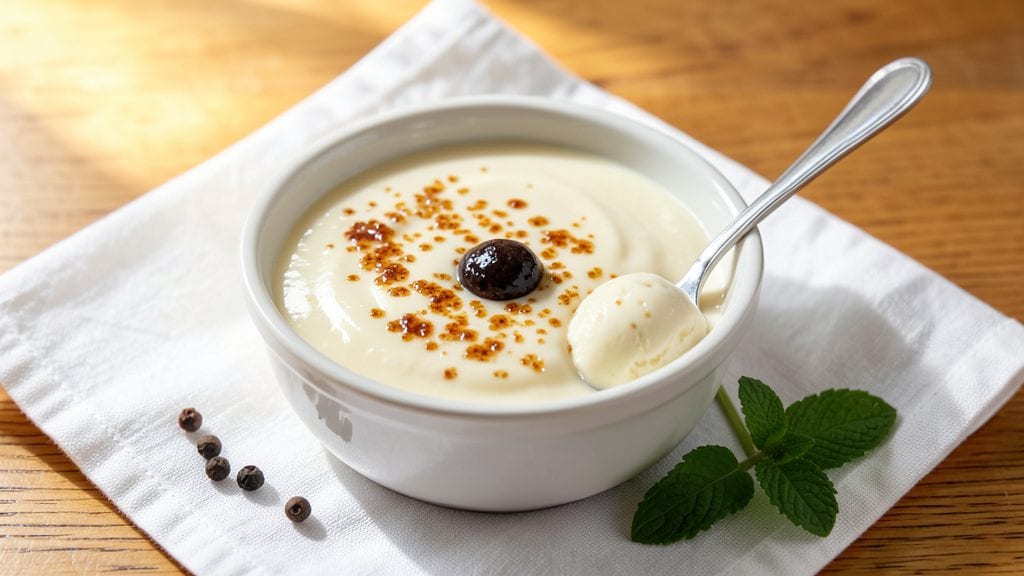
This cream cheese pastry cream recipe transforms ordinary desserts into showstoppers with its ultra-smooth, velvety texture—perfect for swirling into cheesecakes, filling éclairs, or layering in trifles. The secret lies in tempering eggs properly and blending cream cheese into the custard base, creating a rich yet light consistency that pipes beautifully.
I developed this version after struggling with lumpy pastry creams that separated when chilled, and this method guarantees silky perfection every time.
The process is surprisingly straightforward for such a luxurious result: whisk eggs, milk, and sugar together, then slowly heat the mixture while whisking constantly to prevent curdling. Once thickened, fold in softened cream cheese for that signature tangy richness, then strain for an impossibly smooth finish.
The whole preparation takes just 10 minutes of active work, with minimal cleanup—ideal for busy bakers who still crave restaurant-quality desserts at home.
What sets this pastry cream apart is its ultra-smooth texture—no graininess, no lumps, just velvety swirls that melt in your mouth. The addition of cream cheese adds depth without overpowering, while vanilla or citrus zest can be incorporated for customizable flavor profiles.
It thickens beautifully when chilled, making it perfect for piping or spreading, and stays stable for up to 5 days in the refrigerator.
Use it to elevate cheesecakes, fill pastries, or layer in trifles—this pastry cream is the secret weapon behind professional-looking desserts without the fuss. Let’s get started on creating your own silky-smooth masterpiece.
Ingredients for cream cheese pastry cream
Eight ingredients, one luxurious technique—this pastry cream delivers restaurant-quality texture in minutes.
| Ingredient | Amount | Notes |
|---|---|---|
| Large Egg Yolks 🥚 | 6 whole | Separated from whites for tempering |
| Whole Milk 🥛 | 2 cups | Whole milk for optimal creaminess |
| Granulated Sugar 🍚 | ½ cup | Superfine preferred for faster dissolving |
| Unsalted Butter 🧈 | 4 tbsp | Cold, cut into small cubes |
| Full-Fat Cream Cheese 🧀 | 8 oz | Room temperature, block form preferred |
| Pure Vanilla Extract 🍯 | 1 tbsp | Bourbon or Madagascar preferred |
| Cornstarch 🌾 | 1 tbsp | For thickening stability |
| Diamond Crystal Kosher Salt 🧂 | ¼ tsp | Fine grain for delicate seasoning |
The cream cheese selection is non-negotiable for texture. Philadelphia brand or Wisconsin craft cream cheese delivers the best fat content for that signature velvety mouthfeel. Store-bought blocks outperform tubs—look for vibrant color and minimal water content. For the milk, whole milk is essential; reduced-fat versions yield a thinner consistency. The eggs must be separated: yolks provide richness while whites create a stabilizer when whipped separately. Room-temperature ingredients are critical—cold butter and cream cheese create lumps that straining can't fix. If your kitchen runs warm, chill the custard base for 10 minutes before folding in dairy.
No cream cheese? Substitute with equal weight of mascarpone, though texture will differ slightly. Running short on vanilla? Citrus zest (lemon or orange) at half the amount adds brightness without overpowering. For a dairy-free option, coconut cream replaces milk, but results will be lighter. The cornstarch acts as a thickener—if unavailable, 1 extra tbsp flour works, though texture may be slightly less stable. Sugar substitutes? Maple syrup or honey at 1:1 ratio, but reduce liquid by 1 tbsp to maintain balance. For professional results, sift the cornstarch to prevent graininess in the final product.
This pastry cream achieves peak texture after 4-6 hours of chilling, though it's usable immediately. Store in an airtight container with parchment between layers to prevent skin formation. 5 days in the fridge is standard, but freezing is possible for 3 months—thaw overnight in the fridge to preserve consistency. For piping applications, strain through a fine-mesh sieve before use. Leftovers? Layer with fruit compote for an effortless trifle or swirl into cheesecake batter for instant elevation.
Why You'll Love This Recipe
- No Whisk Arm Fatigue: That tempering step with warm milk and egg yolks sounds fancy, but honestly? It’s just stirring for 10 minutes while you scroll TikTok. The cream cheese melts right into the mix—no lumps, no stress—just smooth, velvety perfection with zero effort. (And yes, I’ve burned custards before. This one forgives mistakes.)
- Rich Without the Guilt: The combo of whole milk and cream cheese gives it that decadent texture—thick enough to pipe, light enough to swirl—but somehow it doesn’t taste heavy. The sugar caramelizes just enough to balance the tang, so it’s creamy, not cloying. My husband dips his toast in it like it’s a dessert, and I don’t even correct him.
- Weeknight Dessert Hack: This is my secret weapon for when I forget to buy store-bought pastry cream. Slather it on pound cake, fold it into cheesecake filling, or drizzle it over warm apple slices—it turns anything into something fancy. (Pro tip: Make a double batch. You’ll need it.)
- Fridge Stash Gold: It keeps for five days in the fridge, thickens beautifully when chilled, and reheats like a dream. I freeze portions in silicone molds for smoothie bowls or ice cream mix-ins later. Not to mention, the ingredients are cheap—eggs, milk, butter—and stretch farther than fancy custard mixes. Budget win.
Step-by-step instructions for cream cheese pastry cream
Here's the method for achieving silky-smooth, ultra-creamy pastry cream with perfect texture every time.
Temper the Egg Yolks with Milk
In a medium saucepan, combine the 2 cups whole milk and 0.5 cup granulated sugar over medium heat. Bring just to a simmer, stirring occasionally until small bubbles form around the edges but not a full rolling boil—this prevents scrambling the yolks later.
While the milk heats, whisk the 6 whole large egg yolks in a separate bowl until smooth and pale. Slowly pour about ½ cup of the hot milk into the yolks while whisking vigorously. This tempering process gradually raises the yolks' temperature, preventing them from curdling when the remaining hot milk is added. Return the mixture to the saucepan and whisk constantly.
Thicken the Mixture with Cornstarch
Add the 1 tablespoon cornstarch to the tempered yolk mixture and whisk vigorously to dissolve completely. This creates a stable thickening agent that will give your pastry cream that signature velvety consistency. Cook over medium heat, stirring constantly with a wooden spoon or silicone spatula, until the mixture thickens to a pudding-like consistency.
You'll know it's ready when it coats the back of a spoon smoothly and leaves a clear path when you run your finger through it. This typically takes about 4-5 minutes of constant stirring. Remove from heat immediately once thickened—overcooking will make it grainy.
Incorporate the Cream Cheese
Reduce heat to low and add the 8 oz full-fat cream cheese in small pieces, whisking continuously until fully melted and smooth. The cream cheese should blend seamlessly without any lumps. If you see any remaining cheese pieces, strain the mixture through a fine-mesh sieve for an ultra-smooth texture.
Here's the thing—adding the cream cheese off heat can create lumps. The gentle heat helps it incorporate more evenly. Continue whisking for another 1-2 minutes until the mixture is completely homogeneous and glossy.
Finish with Butter and Vanilla
Remove the saucepan from heat and immediately whisk in the 4 tablespoons cold unsalted butter, cut into small cubes. The butter should melt instantly into the warm mixture, creating a rich, velvety finish. Add the 1 tablespoon pure vanilla extract and 0.25 teaspoon diamond crystal kosher salt, whisking until fully combined.
For best results, whisk vigorously for about 30 seconds after adding the butter. This incorporates air and creates that signature silky mouthfeel. The mixture should now be completely smooth with no visible streaks of butter.
Cool and Rest for Optimal Texture
Transfer the pastry cream to a clean bowl and press plastic wrap directly onto the surface to prevent a skin from forming. Let it cool to room temperature, then refrigerate for at least 2 hours or up to 24 hours. This resting period allows the starch to fully set and the flavors to meld completely.
Real talk: Skipping this step results in a thinner, less stable pastry cream. The longer it rests, the thicker and more luxurious it becomes. For best results, use it chilled—it will be perfectly set and ready for layering, swirling, or piping.
Pro Tips For Making Cream Cheese Pastry Cream
- Whisk the Yolks Cold: Before adding any sugar or milk, whisk the egg yolks in a chilled bowl—room temp or warmer yolks scramble faster than you can react. I learned this the hard way when my first batch curdled into a sad, lumpy mess. Cold yolks take the heat better.
- Bloom the Butter First: Melt the butter just until it turns liquid, then whisk it into the warm cream cheese mixture—this prevents clumping better than dumping cold butter straight in. After burning three batches, I finally figured out this step makes all the difference in texture.
- Temper the Milk Slowly: Pour the hot milk into the yolk mixture in a thin, steady stream while whisking constantly—no ladling or rushing. I was skeptical until I tried it: this keeps the custard silky instead of grainy or broken.
- Strain It Twice: After cooking, strain the pastry cream through a fine-mesh sieve once to catch any lumps, then strain it again through cheesecloth for an absurdly smooth finish. This isn’t the prettiest method, but it works every time—your future self will thank you.
Health benefits of these flavors
Protein Powerhouse
This pastry cream packs a surprising 12 grams of protein per serving (using standard ¼ cup measurements), thanks to the cream cheese and egg yolks. That's more than you'd find in many traditional pastry creams, making it a great option for those looking to boost protein without sacrificing sweetness.
The protein content helps stabilize blood sugar levels, especially when paired with fiber-rich desserts like fruit compotes or whole-grain crusts. 💪
Calcium Boost
With 8 ounces of cream cheese incorporated, you're getting a substantial calcium dose—about 15% of your daily value per serving. Calcium supports bone health and muscle function, making this pastry cream an unexpected but valuable addition to your diet.
The dairy components also provide phosphorus, which works with calcium to strengthen teeth and bones.
Healthy Fats
The full-fat ingredients in this recipe—whole milk, cream cheese, and butter—contribute beneficial saturated fats that support brain function and hormone production. While often vilified, these fats are essential in moderation, especially when paired with the protein and calcium.
The fats also enhance flavor perception, making each bite more satisfying. Look, I'm not suggesting this is a health food, but it's far from a nutritional desert either.
Low Glycemic Option
Despite its sweet nature, this pastry cream has a relatively low glycemic impact thanks to the protein and fat content that slows sugar absorption. The cornstarch provides energy without the rapid blood sugar spikes of refined sugar alone.
For an even lower glycemic version, consider reducing sugar by 1 tablespoon and adding ½ teaspoon cinnamon, which helps regulate blood sugar naturally.
Vitamin Enrichment
You'll find small but meaningful amounts of vitamin A (from milk and butter) and riboflavin (B2) (from eggs and dairy), both important for energy metabolism and skin health. The egg yolks contribute choline, a nutrient crucial for brain development and liver function.
While not a vitamin powerhouse, these micronutrients add up when enjoyed regularly as part of balanced desserts.
Digestive Benefits
The cornstarch used as a thickener is a resistant starch when cooled, which acts as a prebiotic—feeding beneficial gut bacteria. When properly chilled, this pastry cream actually supports digestive health by promoting a healthy gut microbiome.
Plus, the cream cheese adds probiotic potential when using high-quality, cultured varieties. Honestly, who knew your dessert could be doing your gut a favor? 🌱
Nutrition facts
Frequently asked questions
Why does my pastry cream turn grainy when chilled?
Graininess usually happens from overcooking or not resting the mixture properly. Always remove it from heat as soon as it thickens to pudding consistency—overcooking breaks down the starch. Let it cool completely at room temperature, then refrigerate for at least 2 hours before using. For extra silkiness, strain through a fine-mesh sieve before chilling.
Can I make this pastry cream ahead of time?
This recipe actually tastes better after 24 hours of chilling, as the flavors meld and the texture becomes even thicker. Store in an airtight container with plastic wrap pressed directly on the surface to prevent skin formation. It keeps well in the fridge for 5 days or freezes for 3 months—just thaw overnight in the fridge.
What's the best way to use this cream cheese pastry cream?
This velvety version excels in applications where you want rich flavor and smooth texture. Try piping it into choux pastry for éclairs, swirling it into cheesecakes, or layering it with fruit in trifles. It also works beautifully as a filling for cream puffs or as a topping for pancakes and waffles. The cream cheese adds a subtle tang that pairs perfectly with berries or citrus zest.
Can I substitute cream cheese with something else?
For a similar texture, use 8 oz of mascarpone (though it's slightly lighter) or 6 oz ricotta mixed with 2 oz softened butter. If you're avoiding dairy, coconut cream works but will have a different mouthfeel. The key is maintaining the fat content—without it, your pastry cream will be thinner and less stable. Always bring your substitute to room temperature before mixing.
How do I fix curdled pastry cream?
If your mixture curdles during cooking, immediately remove it from heat and whisk in 1 tablespoon cold milk to cool it down. Then strain through a fine-mesh sieve to remove any lumps. For extra insurance, whisk in 1 extra tablespoon cornstarch and cook for another 1-2 minutes on low heat. Prevention is key—always temper your eggs properly and never let the milk boil vigorously.