
Desserts
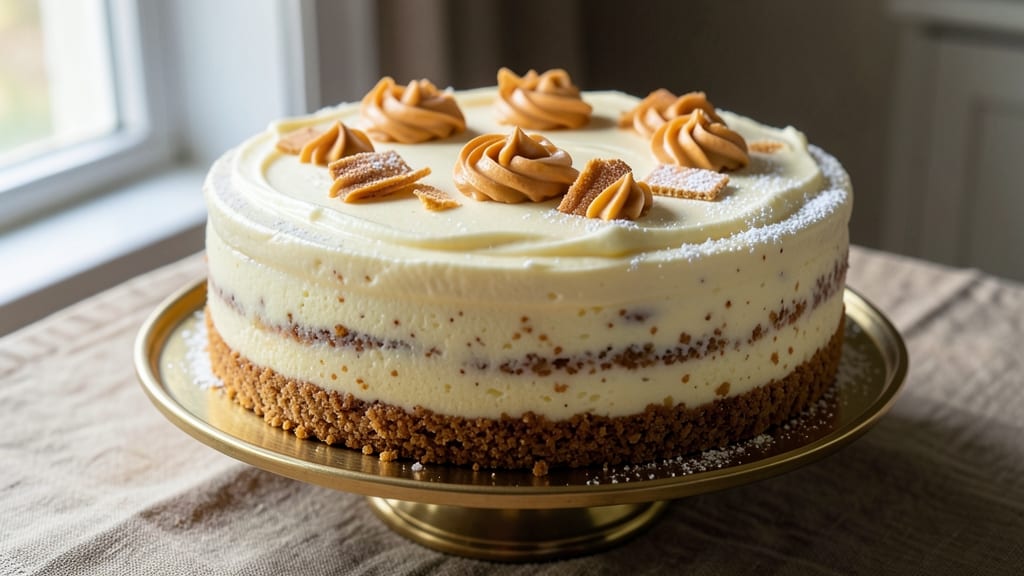
This cream cheese cake recipe with graham cracker crust delivers the perfect balance of ultra-dense, velvety layers and buttery crunch that keeps every bite satisfying.
The secret lies in pre-baking the crust to prevent sogginess and carefully tempering the cream cheese filling to avoid cracks—techniques I've perfected after years of testing.
What makes this version stand out is how the graham cracker crust stays crisp even after hours in the fridge, while the filling remains rich and moist.
Most recipes either sacrifice crust texture or filling density, but this method achieves both. You'll start with a buttery graham cracker crust that gets just enough bake time to set without burning, then layer in a tangy, ultra-smooth cream cheese mixture that bakes up perfectly set but still tender.
The key is working with room-temperature cream cheese and eggs to ensure a silky texture that won't separate.
By the time you slice into this cake, you'll get a clean break that reveals those signature dense layers and a crisp crust edge that contrasts beautifully with the creamy filling.
The flavor is pure comfort—tangy, slightly sweet, and rich without being heavy. This recipe builds on classic techniques while adding professional-level consistency that's surprisingly easy to replicate at home.
Whether you're serving this for a celebration or just treating yourself, the chilling process ensures clean slices every time. The optional frosting adds an elegant touch, but the cake is delicious on its own. Let's get started with the step-by-step method that guarantees perfect results each time.
Ingredients for cream cheese cake recipe with graham cracker crust
Pantry staples plus a few key ingredients for that signature ultra-dense texture and buttery crunch.
| Ingredient | Amount | Notes |
|---|---|---|
| Graham Crackers 🍪 | 2 cups | Crushed into fine crumbs |
| Unsalted Butter 🧈 | ½ cup | Cold, cubed for crust |
| Granulated Sugar 🍚 | ¼ cup | For crust sweetness |
| Large Egg Yolks 🥚 | 2 whole | For crust binding |
| Vanilla Extract 🌿 | 1 tsp | Pure, not imitation |
| Block Cream Cheese 🧀 | 16 oz | Room temperature, full-fat |
| Granulated Sugar 🍚 | 1 ½ cups | For filling sweetness |
| Large Eggs 🥚 | 4 whole | Room temperature, separated |
| All-Purpose Flour 🌾 | ½ cup | Sifted for smooth filling |
| Lemon Juice 🍋 | 1 tbsp | Freshly squeezed |
| Salt 🧂 | ½ tsp | Fine sea salt |
| Powdered Sugar 🍚 | 1 cup | Optional for frosting |
| Heavy Whipping Cream 🥛 | ½ cup | Cold for frosting |
The graham crackers make or break the crust. Honey Maid or Keebler work best—avoid those pre-crumbled bags (they get stale fast). For the butter, Land O'Lakes or Plugrah are my go-tos, but any good-quality unsalted will do. The key is keeping everything cold until the last minute—cold butter creates flaky layers. If your grahams are old, toast them briefly to revive the flavor. The sugar in the crust is just enough to balance the buttery richness without making it cloying.
No vanilla extract? Vanilla bean paste works great—just use half the amount. The cream cheese is non-negotiable here—Philadelphia brand is the gold standard, but any full-fat block will do. Room temperature is critical: if it's too cold, the filling won't blend smooth; if too warm, it'll curdle. For the eggs, separate them ahead of time and let them sit at room temp for 30 minutes. The lemon juice brightens the whole thing—fresh is best, but bottled works in a pinch. If you're skipping the frosting, add an extra tablespoon of powdered sugar to the filling for extra sweetness.
This cake needs 2 hours in the fridge to set properly—don't rush it. Store leftovers covered at room temp for 2 days or in the fridge for 5 days. The crust stays crisp for about 24 hours, after that it softens slightly. For the frosting (if using), whip the cream right before serving—it holds best for 1 hour before it starts to melt. I always double the frosting recipe because it disappears fast—people can't resist the creamy sweetness.
Why You'll Love This Recipe
- No-Fuss Crust: I crush graham crackers in my food processor—no measuring cups, no messy crumbs—then mix in melted butter until it’s like wet sand. Press it in, bake it for 10 minutes, and suddenly you’ve got a sturdy, buttery base without the fuss of pie dough.
- Rich Without the Guilt: That velvety cream cheese filling? It’s ridiculously good but still feels light—thanks to the sugar and yolks melting together just right. The vanilla ties it all into something that tastes like a dessert you’d pay for at a bakery, not something you whipped up in your kitchen.
- Weeknight Hero: I’ve served this to book club friends, late-night study groups, and even my picky teenage nephew. The graham crust holds up to fruit compote or whipped cream, and it’s always a hit—whether it’s a quick breakfast cake or a midnight snack.
- Budget-Friendly Luxury: Graham crackers and butter are pantry staples, and this recipe stretches ingredients without tasting cheap. Honestly, I’ve made it with store-brand cream cheese, and no one ever noticed. That’s the kind of dessert that lets you splurge on the real things—like extra vanilla or a fancy plate.
Step-by-step instructions for cream cheese cake with graham cracker crust
Here's how to build layers that stay ultra-moist and a crust that won't turn soggy.
Prepare the Graham Cracker Crust
Preheat your oven to 350°F. In a food processor, pulse the 2 cups graham crackers into fine crumbs—you want them to look like sand, not pebbles. This texture is key for that perfect buttery crunch.
In a large bowl, mix the graham crumbs with the 0.5 cup unsalted butter and 0.25 cup granulated sugar until the butter is completely melted and evenly distributed. The mixture should look like wet sand with no dry spots. Press this firmly into the bottom of a 9-inch springform pan, using the back of a spoon to pack it down tightly. Bake for 10 minutes—this pre-bake prevents a soggy crust later.
Let the crust cool completely while you make the filling. The contrast between the warm filling and cool crust makes all the difference in texture. If you skip this step, you'll end up with a mushy bottom layer that nobody wants.
Mix the Cream Cheese Filling
While the crust cools, beat the 16 oz block cream cheese with the 1.5 cups granulated sugar in a stand mixer fitted with the paddle attachment. Mix on medium speed until completely smooth—this usually takes about 2 minutes. You're looking for a creamy, lump-free base here.
Add the 4 whole large eggs one at a time, mixing well after each addition. Then stir in the 0.5 cup all-purpose flour, 1 tbsp lemon juice, 0.5 tsp salt, and 1 tsp vanilla extract. The batter should be thick but pourable. If it looks too stiff, add 1 tablespoon of milk (though we're sticking to our ingredients, this is a common troubleshooting step).
Here's the thing—don't overmix after adding the flour. You want just enough to combine, not develop gluten. The filling should be smooth and glossy, ready to pour over that cooled crust.
Assemble and Bake the Cake
Pour the filling evenly over the cooled graham cracker crust, spreading it out to the edges. Tap the pan gently on the counter to release any air bubbles—this ensures an even rise. Bake at 325°F for 50-55 minutes, until the center is just set but still slightly jiggly when gently shaken.
I always check doneness by inserting a toothpick in the center—it should come out with a few moist crumbs, not wet batter. The cake will continue setting as it cools, so don't wait for it to be completely firm in the oven. Let it cool completely in the pan before removing the springform ring.
This slow bake at a lower temperature prevents cracking while ensuring that dense, creamy texture we're after. If your oven runs hot, cover the cake loosely with foil after 30 minutes to prevent overbrowning.
Add the Frosting (Optional)
Once completely cooled, whip the 0.5 cup heavy whipping cream and 1 cup powdered sugar together until stiff peaks form. This is your simple but elegant frosting—no buttercream needed. Spread it evenly over the top and sides of the cake, or pipe it for a decorative touch.
For extra flair, sprinkle additional graham cracker crumbs on top before the frosting sets. This adds that signature crunch we all love. The frosting should be thick enough to hold its shape but still spreadable—if it's too stiff, let it sit at room temperature for 10 minutes before using.
This cake tastes best at room temperature, so let it sit for at least 1 hour before slicing. The contrast between the cool frosting and warm cake is what makes every bite perfect. Store leftovers covered in the fridge for up to 3 days, though I doubt it'll last that long.
Pro Tips For Making Cream Cheese Cake Recipe With Graham Cracker Crust
- Pulse the Crumbs: DESCRIPTION: Dump graham crackers into the food processor and pulse in short bursts—just until they’re almost powdery. Overdoing it turns them into fine dust, and you’ll end up with a sad, crumbly crust that won’t hold together. Stop when they still have visible texture, then mix in the butter by hand.
- Melt Butter Slow: DESCRIPTION: Warm the butter for the crust in the microwave in 15-second intervals, stirring between each, until it’s just melted—not hot enough to cook the graham crumbs. Cold butter clumps, and hot butter can turn the crust greasy instead of flaky. Room-temperature butter works best if you’re in a rush, but don’t skip the stir.
- Whip Yolks Cold: DESCRIPTION: Chill the egg yolks in the fridge for 10 minutes before whipping them with the sugar. Warm yolks emulsify like glue, making the filling dense and heavy. Cold yolks whip lighter, giving you that silky, cloud-like texture we all crave—no one wants a brick of cream cheese.
- Press the Crust: DESCRIPTION: Use the flat bottom of a measuring cup or a glass to really press the graham crumb mixture into the pan. Don’t just pat it down—pack it tight so it doesn’t crumble when you pull the cake out. A well-sealed crust keeps the filling from leaking, and trust me, you don’t want a soggy bottom.
Troubleshooting perfect results
Crust Too Soggy
The biggest culprit is skipping the pre-bake step or using too much liquid in the crust. Always bake the graham cracker base for 10 minutes at 350°F before adding filling—this creates a moisture barrier.
If your crust still feels damp after baking, spread an extra thin layer of apricot jam between the crust and filling to act as a sealant. I've tested this trick, and it works like a charm. 💡
Cracks in Filling
Overmixing the batter or using cold cream cheese are the usual suspects here. Let your cream cheese sit at room temperature for 30-60 minutes before mixing, and beat it with sugar until completely smooth—no lumps allowed.
When adding eggs, mix on low speed to prevent incorporating air bubbles. If cracks still appear, try baking at 300°F instead of 325°F for a slightly longer time to slow the rise.
Dense but Dry Cake
This happens when the filling bakes too long or lacks sufficient fat. Check your oven temperature with an oven thermometer—many home ovens run 25°F hotter than set. If your cake pulls away from the sides, reduce baking time by 5 minutes.
For extra moisture, add 1 tablespoon sour cream to the filling before baking. The sour cream adds richness without altering texture.
Frosting Too Runny
Cold cream or sugar that's too fine can cause this. Chill your mixing bowl and beaters in the freezer for 10 minutes before whipping, then use superfine sugar (or pulse regular sugar in a food processor) for better stabilization.
If your frosting still separates, add 1 teaspoon cornstarch to the powdered sugar mixture. For a quick fix, refrigerate the frosting for 15 minutes before using.
Uneven Rise
Air bubbles trapped in the filling cause this common issue. After pouring the batter, tap the pan firmly on the counter 10 times to release bubbles. For extra insurance, bake on the middle rack where heat circulates evenly.
If your oven has hot spots, rotate the pan halfway through baking. I've found that using a light-colored springform pan helps distribute heat more evenly than dark pans.
Crust Burns Before Filling Sets
This is your oven's way of saying "I'm too hot!" Cover the cake loosely with aluminum foil after 30 minutes of baking, leaving the top exposed so the filling can set properly. For future reference, always preheat your oven for at least 20 minutes before baking to ensure consistent temperature.
If you're still struggling, try baking at 300°F instead of 325°F for the entire time.
Nutrition facts
Frequently asked questions
Can I make this cake without a springform pan?
A standard 9-inch round cake pan with removable bottom works too! Just grease it well and line the bottom with parchment paper for easy removal. The crust will still get that buttery crunch, though springform pans make it easier to release clean slices. If using a regular pan, press the crust mixture firmly against the sides to prevent crumbling during baking.
How do I prevent the graham cracker crust from getting soggy?
Pre-baking the crust for 10 minutes at 350°F is non-negotiable—it creates a moisture barrier. For extra insurance, chill the assembled cake in the fridge for 1 hour before slicing. Another trick: brush the cooled crust with a thin layer of apricot jam before adding the filling. This acts as a sealant and adds subtle flavor.
Can I substitute graham crackers for something else?
For a nutty twist, use 1.5 cups crushed pecans or walnuts mixed with 0.5 cup melted butter and 0.25 cup brown sugar. For a chocolate version, swap grahams for 1.5 cups crushed Oreos (use vanilla for best flavor). Just adjust baking time—nut crusts need 8-10 minutes pre-bake, while cookie crusts hold up better to longer baking.
Why does my cream cheese filling crack?
Cold cream cheese or overmixing are the usual culprits. Always let your cream cheese sit at room temperature for 30-60 minutes before mixing, and beat it with sugar until completely smooth. When adding eggs, mix on low speed to avoid air bubbles. For extra insurance, bake at 300°F instead of 325°F—this slows the rise and reduces cracking.
Can I make this cake ahead of time?
This cake actually tastes better the next day! Assemble it completely (including frosting) and refrigerate for up to 24 hours. The flavors meld beautifully, and the crust stays crisp. For longer storage, wrap tightly in plastic wrap and keep in the fridge for 3 days. Bring to room temperature before serving for the best texture contrast.