
Desserts
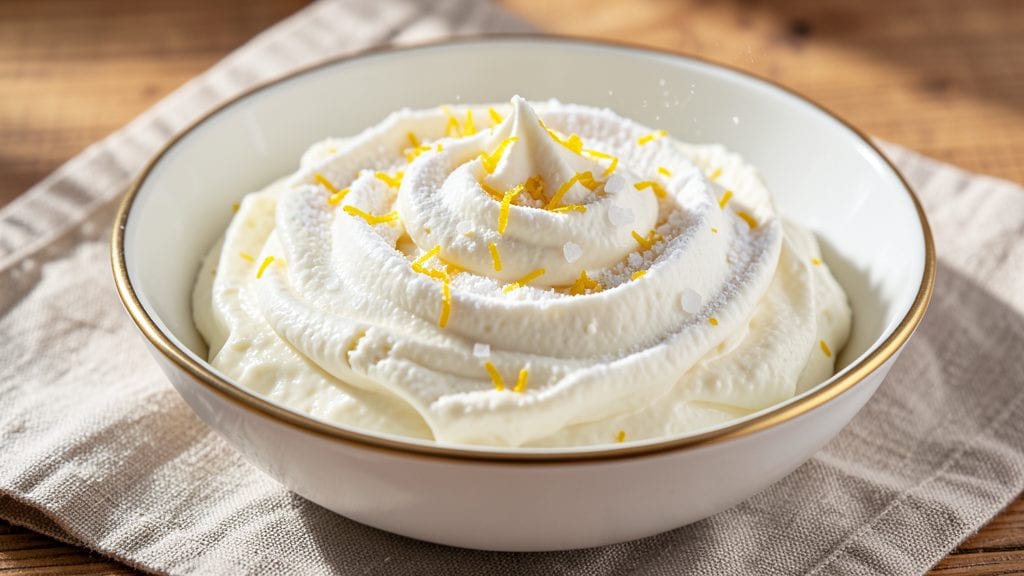
This cottage cheese frosting recipe transforms a pantry staple into a silky, tangy spread that rivals traditional buttercream—without the heaviness. 💛 I developed it after realizing cottage cheese’s natural acidity and protein create the perfect base for stable, flavorful frosting that holds its shape while adding a bright, creamy contrast to rich desserts.
The secret lies in balancing cottage cheese’s tang with sweetness and fat—whipped cream lightens the texture while powdered sugar controls consistency. A touch of vanilla or lemon zest elevates it from basic to restaurant-quality, making it ideal for cheesecakes, layer cakes, or even cookies.
Unlike buttercream, this frosting stays cool, fluffy, and tangy-sweet for hours, resisting melting in warm kitchens.
What you’ll achieve is a frosting that’s silky-smooth yet sturdy, with just the right tang to cut through dense cakes or crumbly cookies.
The texture is lighter than cream cheese frosting but richer than whipped cream, and the flavor—bright, slightly tangy, with a hint of sweetness—pairs beautifully with berries, chocolate, or caramel fillings.
Perfect for holiday desserts, potlucks, or last-minute baking, this frosting requires just 5 ingredients and 10 minutes of prep. Let’s get started—your desserts will never be the same.
Ingredients for cottage cheese frosting
Five ingredients, ten minutes—this tangy, silky frosting transforms cottage cheese into dessert magic.
| Ingredient | Amount | Notes |
|---|---|---|
| Large-Fat Cottage Cheese 🧀 | 16 oz | Full-fat for creaminess, drained if watery |
| Heavy Whipping Cream 🥛 | 1 cup | Cold, full-fat for stability |
| Powdered Sugar 🍚 | 2 cups | Sifted for smooth texture |
| Pure Vanilla Extract 🌿 | 1 tbsp | High-quality, no alcohol aftertaste |
| Lemon Zest 🍋 | 1 tsp | Freshly grated, brightens flavor |
| Diamond Crystal Kosher Salt 🧂 | ¼ tsp | Fine grain, enhances sweetness |
The cottage cheese is the star—full-fat is non-negotiable here (the good stuff, not the low-fat kind). I grab large curds from Trader Joe's or Kroger's organic section because they're creamier and less watery. If yours looks soupy, drain it for 15 minutes in a fine-mesh strainer before using. The powdered sugar needs to be sifted—no lumps, or your frosting will feel gritty. For the lemon zest, organic lemons from the store work fine, but if you've got a Meyer lemon, use that—it's sweeter and adds a floral note. The vanilla? Nothing cheap here—I splurge on McCormick Pure Vanilla Extract because it doesn't taste like booze.
No heavy cream? Whipped coconut cream works in a pinch (though it'll be lighter), or Greek yogurt at half the amount for a tangier twist. Ran out of powdered sugar? Confectioners' sugar is the same thing—just make sure it's sifted. The lemon zest can be swapped for orange zest if you're feeling citrusy, or 1/4 tsp lemon extract if zest isn't an option. Salt is crucial—skip it, and the frosting will taste flat. Pro tip: If your frosting isn't holding its shape, add another tablespoon of powdered sugar and whip again. Too runny? Chill the bowl for 10 minutes before piping.
This frosting keeps beautifully—covered in the fridge for 5 days, or frozen for 3 months in an airtight container. To reheat, let it sit at room temp for 20 minutes (it'll soften but stay stable). I like to pipe it onto cakes ahead of time and refrigerate—the flavors meld even better overnight. For holiday desserts, make it a day ahead so the tanginess mellows into a perfect balance. And if you're feeling fancy, dust the top with powdered sugar right before serving—it adds that restaurant-quality finish.
Why You'll Love This Recipe
- No Mixing Madness: I swear by this recipe because it’s literally three ingredients blended together—no whipping, no folding, no stress. The cottage cheese and heavy cream just glide into powdered sugar like they’re old friends, and boom, you’ve got frosting without the arm workout.
- Tangy-Sweet Magic: That lemon zest? It’s the secret weapon. The vanilla keeps it warm, but the citrus cuts through the sweetness so it doesn’t taste like dessert had a sugar coma. Honestly, it’s the kind of flavor that makes you pause mid-bite and think, “Wait, this is actually good?”
- Baking’s New MVP: Slather it on pound cake, swirl it into cheesecake, or pipe it into cupcakes—this frosting plays nice with everything. I’ve even used it as a glaze for cinnamon rolls (yes, really), and it never lets me down. Versatile enough for birthdays, potlucks, or just because.
- Pantry Goldmine: Between us, cottage cheese is one of those ingredients that sits in my fridge forever, and this recipe turns it into something special. No wasted trips to the store, no fancy ingredients—just a few dollars’ worth of magic that keeps giving. Plus, it stores like a dream in the fridge for days.
Step-by-step instructions for cottage cheese frosting
Here's how to whip up this velvety, tangy frosting that adds a sophisticated twist to any dessert.
👨🍳 Step 1: Drain and Blend the Cottage Cheese
Start by draining the 16 oz large-fat cottage cheese if it appears watery—press it through a fine-mesh strainer lined with cheesecloth to remove excess moisture. This ensures your frosting stays silky, not runny. Transfer the drained cheese to a food processor or high-speed blender.
Blend the cottage cheese until completely smooth, about 1-2 minutes. You'll notice it transform from lumpy to a thick, creamy consistency—this is your base. If you're using a food processor, scrape down the sides occasionally to help it blend evenly. The result should be completely homogeneous, with no visible curds.
🍳 Step 2: Whip the Heavy Cream to Soft Peaks
In a separate chilled mixing bowl, whip the 1 cup cold heavy whipping cream using a hand mixer or stand mixer fitted with the whisk attachment. Beat on medium-high speed until soft peaks form—when you lift the whisk, the cream should hold its shape but still flatten slightly at the tip.
This step is crucial for stability. The cold cream incorporates air gradually, creating a light texture that balances the richness of the cottage cheese. If your kitchen is warm, chill the bowl and beaters for 10 minutes before starting to prevent butter from forming. You want soft peaks, not stiff ones—over-whipping leads to graininess in the final frosting.
🥘 Step 3: Combine Ingredients Gradually
With the mixer running on low speed, add the blended cottage cheese to the whipped cream in a slow, steady stream. This prevents deflating the air you just incorporated. After combining, increase the speed to medium and whip for 2-3 minutes until the mixture lightens noticeably and becomes smooth.
Here's the thing—adding the cottage cheese too quickly can break down the whipped cream structure. I like to add about ¼ cup at a time, mixing well between additions, to maintain stability. The mixture should become thick but still pourable at this stage—like a thick, creamy pudding.
⏰ Step 4: Sweeten and Flavor
Sift in the 2 cups powdered sugar gradually while mixing on low speed. Sifting prevents clumps and ensures even distribution. After adding all the sugar, increase the speed to medium-high and whip for 3-4 minutes until the frosting is light, fluffy, and holds its shape when piped.
Add the 1 tbsp pure vanilla extract, 1 tsp lemon zest, and 0.25 tsp diamond crystal kosher salt. The salt enhances the sweetness and balances the tanginess, while the lemon zest adds a bright, citrusy note that cuts through the richness. Mix just until combined—overmixing can make the frosting grainy. Taste and adjust sweetness if needed, adding more powdered sugar 1 tablespoon at a time until perfect.
🍽️ Step 5: Chill and Use
Transfer the frosting to a clean bowl and cover with plastic wrap, pressing the wrap directly onto the surface to prevent a skin from forming. Chill in the refrigerator for at least 1 hour before using. This resting period allows flavors to meld and the texture to firm up slightly for easier piping.
For best results, use within 24 hours. The frosting will thicken slightly as it chills, making it ideal for swirling into cheesecakes, topping cakes, or filling cupcakes. If it becomes too stiff, simply re-whip for 30 seconds to restore smoothness. Store any leftovers in an airtight container in the fridge for up to 3 days.
Pro Tips For Making Cottage Cheese Frosting
- Drain the Cottage Cheese: That liquid pooling in your bowl? Don’t ignore it. Strain the cottage cheese through a fine-mesh sieve or cheesecloth for 10-15 minutes before mixing—it keeps your frosting light and prevents a watery, grainy texture. I learned this after making frosting that looked like wet cement.
- Whip the Cream Cold: Chill your heavy whipping cream in the fridge for at least 2 hours before using—no, "cold" isn’t vague enough. If it’s tepid, it won’t whip properly, and your frosting will turn into sad, lumpy butter. Pop it in the freezer for 10 minutes if you’re rushed (yes, even if you’re impatient like me).
- Add Sugar Gradually: Dumping all the powdered sugar at once? That’s how you end up with a gritty mess. Mix in 1/3 of the sugar first, whip until smooth, then add the rest in two more batches. This ensures even distribution and prevents clumping—no one wants to taste sugar crystals in their frosting.
- Zest First, Mix Last: Toss the lemon zest in at the very end, right before piping or spreading. The oils in the zest oxidize quickly, turning bitter if left sitting in the cottage cheese. Also, a microplane yields more flavor than a dull grater—trust me, your taste buds will notice.
Pro cooking tips for this recipe
Temperature Control
The key to silky texture is keeping everything cold. I always chill my mixing bowl and beaters in the freezer for 10 minutes before whipping the cream—this prevents butter from forming. Work in a cool kitchen if possible, ideally below 70°F.
If your cottage cheese feels warm after blending, pop it in the fridge for 15 minutes before combining with the whipped cream. 🌡️
Whipping Technique
Most home cooks over-whip the cream, which leads to butter. Stop at soft peaks—when you lift the whisk, the cream should hold its shape but still flatten slightly at the tip.
Use a stand mixer on medium-high for consistent results, or a hand mixer if you prefer more control. I find the KitchenAid Artisan Series handles this perfectly without overheating.
Stabilizing the Frosting
For extra stability, especially in warm climates, add ½ tsp xanthan gum to the powdered sugar before sifting. This thickens the frosting without altering flavor. If your frosting still feels too soft after chilling, try adding 1 tbsp more powdered sugar and re-whipping for 30 seconds.
The goal is a frosting that holds its shape when piped but still melts slightly at room temperature.
Flavor Balancing
Adjust the lemon zest to taste—start with 1 tsp but add up to ½ tsp more if you love bright citrus notes. For a richer flavor, replace half the powdered sugar with confectioners' sugar mixed with 2 tbsp honey.
This adds subtle floral notes while keeping the frosting stable. Taste as you go, especially after chilling, since flavors meld differently when cold.
Equipment Upgrades
For professional results, use a food processor to blend the cottage cheese—it creates a smoother base than a blender. My Cuisinart FP-7522 handles this effortlessly. For piping, a Wilton 1M decorating set with star tips gives beautiful swirls.
If you're short on time, a hand mixer works fine, but be patient—this isn't a race. The extra 2-3 minutes of whipping makes all the difference in texture.
Troubleshooting Tips
If your frosting separates, it’s likely from adding the cottage cheese too quickly. Stop mixing, scrape the sides, and re-whip on low for 1 minute. For a grainy texture, sift the powdered sugar more thoroughly or blend the cottage cheese longer.
Too tangy? Add ½ tsp more vanilla or a pinch of cinnamon to mellow the flavor. The secret is patience—don’t rush the process! 💡
Nutrition facts
Frequently asked questions
Can I use low-fat cottage cheese for this frosting?
I don't recommend it for this recipe. Low-fat cottage cheese lacks the richness and fat content needed to create a stable, creamy texture. The fat in full-fat cottage cheese helps emulsify the frosting, giving it that silky mouthfeel. If you must use low-fat, add 2 extra tablespoons of heavy cream to compensate for the lost fat.
What if I don't have powdered sugar?
You can substitute with 1 ¾ cups granulated sugar mixed with ½ cup cornstarch to mimic powdered sugar's texture. For a slightly different flavor, try 1 ½ cups confectioners' sugar (they're essentially the same). The frosting will still work, but it might be slightly grainier. Sift thoroughly to avoid lumps!
How do I make this frosting dairy-free?
Replace the cottage cheese with 16 oz full-fat coconut cream (chilled overnight) and use 1 cup coconut whipped cream instead of heavy cream. For sweetness, use 2 cups coconut sugar or powdered sugar. The texture will be lighter but still hold its shape when chilled. Add ½ tsp xanthan gum for extra stability in warm climates.
Can I color this frosting for special occasions?
Use gel food coloring (liquid can make it too runny) and add it gradually to the whipped frosting. Start with ½ teaspoon and mix well. For pastel shades, use ⅛ teaspoon. Remember, cottage cheese has a natural pale color, so vibrant hues may require more dye.
Why did my frosting turn out too tangy?
Cottage cheese's natural acidity can overpower if not balanced properly. To fix this, add ½ teaspoon more vanilla extract or ¼ teaspoon ground cinnamon to mellow the flavor. For a sweeter profile, increase the powdered sugar by 2 tablespoons. Always taste as you go—flavors develop more after chilling. The key is balance between sweetness, fat, and acid.